
Choosing a degree is about more than earning a qualification. It is about understanding your interests, developing useful skills, and finding a career that aligns with the kind of contribution you want to make. In North Carolina, the population reached an estimated 11,197,968 in July 2025, reflecting the scale of the communities served by public institutions and justice-related professions. For students considering this field, an online degree can offer a flexible way to explore the systems that influence public safety, individual rights, and accountability. Before enrolling, it is worth understanding what you will study, where the qualification may lead, and how to choose a program that fits your ambitions. A Field That Goes Beyond Law Enforcement Criminal justice is often associated with police work, but the discipline covers a much wider network of institutions and responsibilities. It examines how laws are enforced, how courts operate, how correctional systems function, and how communities respond to crime. Understanding these connections helps students see the justice system as an interconnected structure rather than a collection of separate jobs. Coursework may include criminology, criminal law, ethics, constitutional principles, juvenile justice, research methods, and corrections. Students learn to examine why crimes occur, how evidence is evaluated, and how decisions affect individuals and communities. They may also explore contemporary concerns such as cybercrime, rehabilitation, public trust, and the protection of individual rights. This combination of theory and practical analysis can make the subject engaging for people who enjoy investigating complex issues. Rather than simply memorizing legal terminology, students are encouraged to consider competing perspectives, assess evidence, and understand the consequences of decisions. Why Online Study Can Be a Smart Move Online education can make higher learning more manageable for people balancing employment, family commitments, or other responsibilities. Instead of traveling to campus for every class, students […]
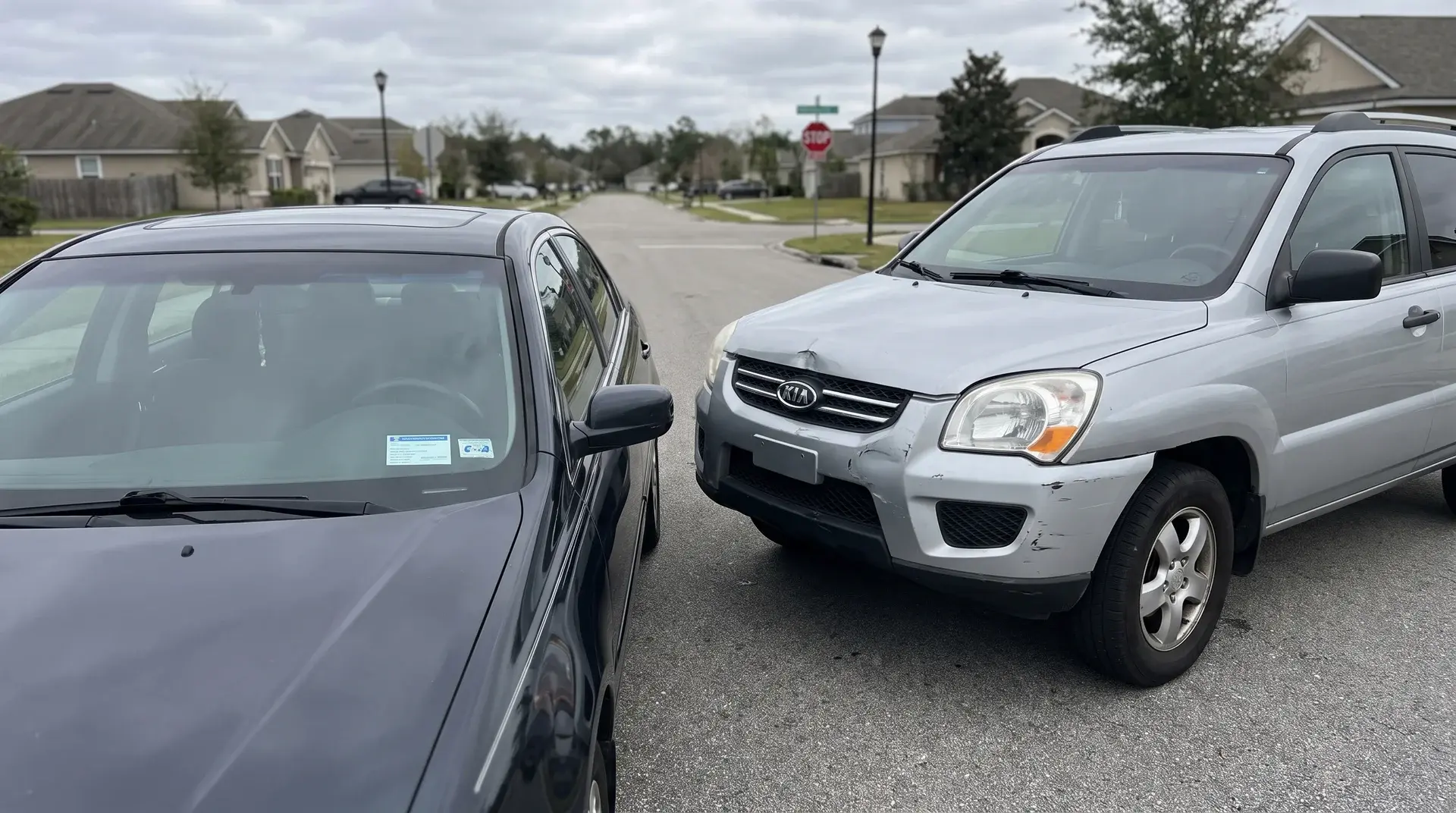
A car accident throws a lot at you at once. Medical bills, a damaged car, calls from two different insurance companies. No fault insurance changes how one part of that mess gets handled. It shifts who pays your injury costs first, and that single detail changes almost everything about how your claim moves. Most people only learn how it works after they need it. I’ve watched people assume this coverage does more than it actually does, and that assumption costs them time. Here’s what it really covers, what it leaves out, and why the rule exists at all. Let’s start with what it actually means. What Is No-Fault Insurance? No fault insurance means your own auto policy pays for your injury costs after a crash. It doesn’t matter who caused it. That trips people up at first. “No fault” sounds like it means nobody gets blamed for the accident. It doesn’t. Fault still gets determined behind the scenes. The term only describes who pays your medical bills first: your own insurer, not the other driver’s. This system isn’t standard everywhere. Some states require it. Others let drivers choose it alongside a traditional policy. If you’re not sure which setup applies to you, your insurance card or policy declarations page will say. Look for “PIP” or “Personal Injury Protection” listed as a coverage. What Does No-Fault Insurance Cover? No-fault coverage, usually called Personal Injury Protection or PIP, pays for specific costs tied to your injuries. Here’s what that includes: Medical bills: Doctor visits, surgery, hospital stays Lost wages: A portion of your income while you can’t work Rehabilitation: Physical therapy and medical equipment you need to recover Replacement services: Help with tasks you can’t do yourself, like childcare or cleaning Funeral costs: If the crash is fatal These categories are fairly […]

You can feel a dispute building before anyone files a single paper in court. Every day you wait without clarity is another day the other side holds the advantage. The legal system has a specific remedy for exactly this kind of uncertainty, and most people never hear about it until they are already deep in a fight they could have avoided. A declaratory judgment lets you bring the question to a court early. You secure a binding ruling on where the law actually stands and move forward with real clarity instead of a guess. Here is what it covers, when it applies, what courts expect, and what the ruling can and cannot do once it lands. Note: This content is for general informational purposes only and does not constitute legal advice. Consult a qualified attorney regarding your specific situation. What is a Declaratory Judgment? A declaratory judgment is a court’s official ruling on what the law, a contract, or a party’s legal rights mean in a given situation. Unlike most court orders, it stops at the declaration and does not extend to enforcement. The court does not direct anyone to pay money, surrender property, or change their behavior. The remedy exists to declare the legal position clearly and enter it into the permanent record. That distinction carries more practical weight than it appears to on the surface. Many people assume that winning in court automatically forces the other side to do something concrete. With this remedy, prevailing means the legal question is settled formally and permanently. That is a different kind of victory, but it can be just as valuable depending on what you actually need from the court. The ruling carries the same legal authority as any final court order. Neither party can revisit or relitigate that question in […]


If you searched for the Venmo class action lawsuit, you probably found a mix of old news and new investigations mashed together, and it is hard to tell which one actually applies to you. Here is the part most searches skip: there are three separate situations right now, and most Venmo users only match one of them, if any at all. A linked bank account points to one track. A random referral text points to another. A transfer dispute points to a third. None of them overlap, so knowing which one fits your account matters more than knowing all three exist. Before matching your situation to one, it helps to know exactly what this kind of case involves. What is the Venmo Class Action Lawsuit? A Venmo class action lawsuit is a case in which one or more people sue Venmo or PayPal on behalf of a larger group with similar legal complaints. These lawsuits can involve unauthorized transactions, privacy concerns, disputed fees, or claims that Venmo used misleading or unfair business practices affecting many users at once. Because the claims are combined into one case, users with similar experiences may automatically become class members if they meet the court’s specific eligibility requirements. If the lawsuit succeeds or settles, eligible users may receive money, account credits, refunds, or another form of relief depending on the final settlement agreement. What Signs Suggest You Might Be Affected by a Venmo Investigation? There are three separate Venmo-related investigations right now. Each one ties to a different type of account activity. You could match one, two, or none of them; matching one doesn’t mean the others apply to you. 1. Linked Bank Account Through Plaid If your Venmo account connects to a personal bank account, check the first. The concern is whether that verification […]



Choosing between a domestic partnership and marriage can feel simple until you look at the legal side. You may share a home, bills, and long-term plans, yet the law may treat your relationship very differently. The domestic partnership vs marriage question affects more than relationship status. It can shape taxes, health benefits, property rights, inheritance, medical decisions, and what happens if you separate or move elsewhere. As a paralegal who has spent over a decade helping attorneys prepare filings, I have seen couples assume one registration form covers everything, only to find major gaps later. Understanding where each option helps, where it falls short, and which protections require separate documents can help you choose what fits your life. What Does Domestic Partner Mean? A domestic partner is usually an unmarried adult in a committed relationship with another adult. You may live together, share bills, and handle daily responsibilities as a couple. Still, living together does not automatically create a legal domestic partnership. The term may describe your personal relationship, a workplace benefit status, or a formally registered partnership. Common requirements may include: Shared Residence: You usually need to live at the same address. Committed Relationship: The relationship must be ongoing, not temporary. Financial Responsibility: You may need proof of shared expenses or financial support. Minimum Age: Both partners must meet the legal age requirement. Marital Status: Neither person can usually be married to someone else. Registration: Certain rights require forms filed with an employer or government agency. Check the written rules yourself before relying on the label. Meeting an employer’s definition of a domestic partner may provide insurance, but not inheritance, property, or state-level rights. Domestic partnerships did not start as a matter of preference. Many state and local governments created the status because same-sex couples could not legally marry […]

You spot the letters PLLC on a sign for a doctor, lawyer, or therapist and assume it just means a fancy LLC. That guess can cost you later. The PLLC meaning carries real legal weight, since this structure comes with its own rules for who can own it, how it gets approved, and what protection it actually gives a professional. Some states do not even allow it. Before you file paperwork or trust an online template, it helps to see exactly what a PLLC covers and where its protection quietly runs out. Here is where the term actually comes from. What Does PLLC Mean? PLLC means Professional Limited Liability Company. It is a business structure created for professionals who must hold a state-issued license to provide their services. Common examples include doctors, lawyers, accountants, architects, and therapists. A PLLC works much like a standard LLC, but it follows additional ownership and licensing rules. Most states restrict PLLC ownership to licensed professionals, although the exact requirements depend on the state and profession. However, the term is not used everywhere. Some states do not recognize PLLCs at all. California, for instance, generally requires a professional corporation instead, since state law does not let an LLC render professional services. Because the rules differ by location, seeing PLLC online does not mean it is available in your state. Check your state licensing board and business filing requirements before choosing this structure. What a PLLC Includes? A PLLC adds professional ownership rules, licensing checks, and state approval steps that usually don’t apply to standard LLCs. 1. Licensed Professionals Can Own It Ownership is generally limited to people who hold an active professional license in the field the company serves. For example, a medical PLLC may need to be owned entirely by licensed physicians. This requirement keeps control […]
Property & Estate Law

When someone dies without a will, families are often left trying to prove who should receive the property. That can feel even harder when a house is involved, and the deed still shows the deceased person’s name. An affidavit of heirship can help identify the legal heirs without going through full probate in some cases. But it does not work for every estate, every asset, or every state. A small mistake in names, signatures, or filing rules can delay the process. I will explain what this document does, when it is used, what it must include, and where its limits begin. What is an Affidavit of Heirship? An affidavit of heirship is a legal document that identifies the heirs of a deceased person. It records family details to show who may inherit the estate. Families often use an affidavit of heirship when someone dies without a valid will, a situation state law calls dying intestate. When a person dies intestate, state intestacy laws determine who counts as an heir, and the affidavit documents that outcome to help transfer real estate ownership without a lengthy probate process. In my own practice, this document works best when the property has a simple, low-conflict ownership history. Once more than one branch of a family has a plausible claim, an affidavit alone rarely settles things for good. Not every type of asset transfers this way, and the document doesn’t work identically everywhere. Its legal effect depends on state laws and the property involved. When is an Affidavit of Heirship Used? Families commonly use an affidavit of heirship when someone dies without a will and heirs need to prove their inheritance rights. It documents family relationships and helps identify who may legally inherit the deceased person’s property. Situation How an Affidavit of Heirship Helps Someone […]

Becoming the executor of someone’s estate can feel overwhelming fast. One day, you are grieving, next you are looking at court forms, unpaid bills, property details, and deadlines you did not know existed. That is usually when the big question comes up: do you need legal help, or can you handle the process yourself? A probate lawyer helps settle an estate after someone dies, guiding the executor through court filings, asset details, debts, taxes, and final distributions. This guide explains what that role actually involves, in simple terms, so you can understand when legal help may be worth considering. What is a Probate Lawyer? A probate lawyer, also called an estate attorney, helps settle a person’s affairs after they die. This is different from estate planning, which happens while someone is still alive and includes creating wills, trusts, and powers of attorney. The amount of help needed depends on the estate. In a simple case, a probate lawyer may only review forms, answer questions, and explain the next steps. In a larger or contested estate, they may file documents, go to court, and help resolve disputes among heirs. Probate court can also handle guardianship and conservatorship matters when someone needs someone else to manage their affairs. What Does a Probate Lawyer Actually Do? The exact tasks vary by estate, but most probate lawyers handle a similar set of responsibilities: Filing the will and opening the estate: The lawyer files the will and a petition with the local probate court to start the case and get the executor formally appointed. Identifying and valuing assets: Real estate, bank accounts, vehicles, and personal property all need to be located, documented, and appraised where necessary. Notifying creditors and paying debts: Known creditors get formal notice, and the lawyer helps confirm which claims against the […]

Most people assume setting up a family trust means handing your money to someone else. It does not. A family trust is one of the most misunderstood tools in estate planning, and the confusion usually starts with who actually controls the assets once the paperwork is signed. That question matters more than the buzzwords around avoiding probate or protecting your family, because control is where most of the myths live. Here is what actually changes once you set one up: who owns the assets, when control shifts to someone else, and why a trust and a will are not the same safety net. What is a Family Trust? A family trust is a legal setup that holds assets for the people you name, usually your spouse or kids. It’s not its own separate legal category. In most cases, it’s just a living trust with a family focus. That’s an important distinction to keep in mind. You’ll hear “family trust” and “living trust” used like they mean the same thing. Most of the time, they do. That’s where a lot of the confusion starts. People assume “family trust” is some special product with its own rules. It isn’t. It’s the same tool, built around who you’re planning for. Family Trust vs. Living Trust vs. Testamentary Trust vs. Irrevocable Trust A family trust is not a separate legal category. It is a label placed over one of the trust types below, and which one it is changes how much control you keep and whether probate is actually avoided. Here is how the main types compare: Trust Type When It Takes Effect Can You Change It? Avoids Probate? Family Trust (usually a living trust) While you’re alive Yes, if revocable Yes, if properly funded Revocable Living Trust While you’re alive Yes, anytime Yes, […]
Buying a home can feel confusing when the listing status changes before you even get a chance to visit. One day, a property is active. The next day, it says something that sounds final, but is not fully clear. That is where many buyers pause and wonder what is actually happening. In real estate, the question “what does under contract mean?” is common because the term sits between an accepted offer and a completed sale. It does not always mean the home is gone for good. It also does not mean anyone can buy it like a normal active listing. Ahead, you will learn what this status means, whether the home is still for sale, how it affects buyers and sellers, and why some deals still fall apart before closing. What Does Under Contract Mean? Under contract means the seller has accepted a buyer’s offer, and both parties have signed a real estate agreement. In simple terms, the home has a deal in place, but the sale is not yet complete. The buyer and seller have agreed on the main terms, such as the price, closing date, and any conditions set out in the contract. This status does not mean the buyer already owns the home. It only means the sale is moving forward. Before the deal can close, a few steps usually still need to happen. These may include the home inspection, appraisal, loan approval, title search, and final paperwork. If everything goes well, the sale moves to closing. If a problem comes up, the deal may change or fall through. What Does it Mean for Buyers and Sellers? For sellers, an under-contract status means an offer has been accepted, and a signed agreement is in place. In most cases, regular offers are no longer being considered because the […]
When an HOA dispute escalates, it can feel like the rules are always tilted against homeowners, especially when fines, restrictions, or approvals start piling up. Many people are surprised to learn that HOA decisions are not final and can be challenged in court when rules or laws are broken. A closer look at real cases shows that outcomes often depend on evidence, procedure, and fairness rather than authority alone. In many situations, a homeowner wins a lawsuit against the HOA because the association fails to follow its own governing documents or state regulations. Understanding how these disputes begin and are resolved can help homeowners make smarter decisions before taking legal action. Can a Homeowner Really Win Against an HOA? Yes, a homeowner can win against an HOA when there is clear proof that the association acted outside its legal authority or failed to follow proper procedures. Courts do not favor either side automatically and rely strictly on evidence and compliance with governing documents and state laws. Homeowners succeed when they prove the HOA violated CC&Rs, bylaws, or community rules Cases are often won when the HOA fails to provide proper notice, hearings, or due process before issuing fines Courts side with homeowners in situations of selective enforcement where similar violations are treated differently Legal wins also happen when the HOA imposes unlawful fines, wrongful liens, or ignores statutory requirements Strong documentation such as emails, notices, photos, and meeting records plays a key role in supporting the claim In most disputes, success depends less on conflict and more on clear evidence and procedural fairness. Real-World Situations Where Homeowners Have Won Every HOA dispute is different, but many successful homeowner lawsuits follow similar patterns. In most cases, homeowners win because they can show that the HOA acted unfairly, ignored its own rules, […]
Buying a home can feel exciting, but it can also feel out of reach when bank approvals, credit checks, and strict loan rules stand in the way. That is where a land contract can catch a buyer’s attention. It sounds simple at first: pay the seller directly and move closer to ownership over time. But behind that simple idea are important details that can shape the entire deal. For some buyers, it may feel like a second chance. For some sellers, it may open the door to more interested buyers. Still, the real question is not just how attractive the arrangement looks. It is what both sides truly agree to before signing. Understanding the basics can help turn confusion into confidence before making a major property decision. What is a Land Contract? A land contract is a real estate agreement in which the buyer purchases property directly from the seller rather than through a traditional mortgage lender. The buyer usually makes a down payment, then pays the remaining balance in regular installments over time. During this period, the buyer may live in or use the property, but the seller often keeps the legal title until the full amount is paid. Once the buyer completes all payments required under the agreement, the seller transfers the deed to the buyer. This type of contract is also called a contract for deed or an installment land contract in some places. A land contract can help buyers who may not qualify for a bank loan, but it also carries risks if payments are missed. The exact terms, interest rate, taxes, insurance duties, and default rules should be clearly written before either side signs. How Does a Land Contract Work? A land contract works by allowing the buyer to pay the seller directly over time […]
Guides and Resources

Despite the best efforts of law firms, finding new clients is not always simple. When you are in need of legal assistance, you tend to go to the internet and browse through a number of websites until you find the firm you wish to contact. So, how can a law firm get noticed without spending too much time and money on advertising? Digital advertising can be easier to manage with the help of Artificial Intelligence (AI). It can help you with writing ad copy, grasping what people are interested in, generating ideas for content, and analysing campaign performance. If it is done correctly, AI can assist law firms in getting the right message to the right people. Know What Potential Customers Require In order to generate the ad, it is important to know what potential clients are looking for. A company may require different information from an individual who is looking for assistance with a contract. The general advertisement cannot provide any of these persons with any solution to their questions. Law firms can use AI to analyze search trends, understand people’s frequently asked questions, and uncover subjects that pique their audiences’ interest. This information can be used to develop ads that are designed to communicate to real worries. Rather than a general message, companies can offer a description of how their legal services might apply to a specific circumstance. Develop clear and helpful ad copy Those seeking legal assistance are already likely to be confused or stressed out. They don’t want to be misled by advertising messages which have a lot of complicated information. They require information to be clear that will enable them to make their decision on what to do next. Through agentic AI advertising, a law firm could generate various versions of an ad to educate […]

Online privacy laws have become increasingly important as businesses collect, process, and store vast amounts of personal data. Yet despite growing awareness of privacy regulations, many individuals and organizations still misunderstand what these laws actually require. Clearing up these misconceptions can help consumers better protect their rights and help businesses avoid costly compliance mistakes. Misconception #1: Privacy Laws Only Apply to Large Companies One of the most persistent myths is that privacy regulations only affect major technology companies. In reality, many privacy laws apply to organizations of varying sizes if they process personal information. Depending on the jurisdiction and type of data involved, small and medium-sized businesses may also be subject to significant legal obligations. Misconception #2: Privacy Policies Guarantee Compliance Having a privacy policy is important, but it does not automatically mean an organization complies with privacy laws. Compliance often involves implementing appropriate security measures, responding to user requests, maintaining records, and ensuring data is handled responsibly throughout its lifecycle. Misconception #3: Publicly Available Data Is Always Free to Use Many people assume that if data is publicly visible online, it can be collected and used without restriction. However, privacy laws may still regulate how personal information is gathered, stored, shared, or repurposed, even when the information appears to be publicly accessible. Misconception #4: Privacy Laws and Cybersecurity Are the Same Thing Privacy and cybersecurity are closely related but distinct concepts. Privacy laws govern how personal data is collected and used, while cybersecurity focuses on protecting systems and information from unauthorized access. Strong cybersecurity often supports privacy compliance, but one does not automatically guarantee the other. Misconception #5: Technology Alone Solves Privacy Concerns Some users assume that installing privacy-focused tools completely eliminates privacy risks. For example, a VPN extension may help improve online privacy in certain situations, but privacy […]

One week, a judge holds a witness in contempt for shouting in court. The next week, a congressional committee votes to hold someone in contempt for ignoring a subpoena. Both stories use the same phrase, so it is easy to assume they mean the same thing. They do not; criminal contempt can come from a courtroom or from Congress, and each path follows its own rules, its own process, and its own punishment. Understanding how these two roads connect, and where they split, makes the news much easier to follow. Disclaimer: This article is for informational purposes only and is not legal advice. If you are facing a contempt charge, consult a licensed attorney about your specific situation. What Does Criminal Contempt Mean in Law? Criminal contempt punishes disrespect for the court. It looks backward at something bad that already happened, like yelling at a judge or intentionally breaking a court order. The aim is to hold the person accountable and safeguard the court’s authority. Someone found in contempt is legally called a contemnor. Civil contempt works differently. It looks forward and tries to make someone follow a court order they are still breaking. Once they obey, the punishment usually stops. Whether a case counts as criminal or civil contempt can depend on the court system involved. Federal courts, state courts, and even Congress each have their own rules for handling contempt. Direct vs. Indirect Criminal Contempt Contempt of court generally falls into two main types based on where the conduct occurs: Direct contempt: Happens in the judge’s presence, such as shouting during a hearing, and may be punished immediately. Indirect contempt: Happens outside the courtroom, such as violating a court order, and usually requires notice and a hearing. Criminal vs. Civil Contempt: How They Differ These two kinds of […]

It is 1 a.m., you are three hours from home, and your eyes will not stay open. The rest stop sign glows up ahead. You pull in, recline the seat, and then a thought creeps in: is it legal to sleep in your car here, or are you going to wake up to a knock on the window? Millions of people ask this every year. Road trippers, truck drivers, shift workers, and folks between homes all end up in the same parking lot at the same hour, wondering the same thing. The answer is not as simple as you would hope. Is It Legal to Sleep in Your Car? In most cases, yes. No law says you cannot close your eyes behind the wheel of a parked car. The trouble starts with where you stop and what shape you are in when an officer knocks on the window. Four different sets of rules can turn a legal nap into a ticket: Parking rules and time limits Vehicle habitation or camping bans Trespass laws on private property DUI laws covering actual physical control What Does the Law Say About Sleeping in a Parked Car? No federal law bans it. The rules come from cities and counties, not blanket state statutes, so the answer can change from one town to the next. The key distinction is sleeping versus camping. Most states define camping as pitching a tent, setting up a shelter, or sleeping on the ground. Resting inside a legally parked vehicle usually does not count. That difference matters at highway rest areas and on public land, where camping is restricted but overnight parking often isn’t. When Is Sleeping in Your Car Generally Allowed? Some spots are set up for it, or at least tolerate it. Here is where you are usually […]


PERSONAL INJURY

Accident claims may look simple during the first few days after an injury, yet small mistakes can quietly create serious problems later. Missed appointments, weak documentation, and careless conversations sometimes reduce compensation opportunities without people realizing the damage until disputes begin with insurance companies. After serious accidents, it becomes essential to contact a personal injury lawyer to understand how medical records, evidence collection, and insurance communication may affect the strength of the claim. Careful decisions during recovery may help protect financial and legal interests more effectively. 1. Delayed Medical Visits Create Doubts Medical treatment provides important proof after accidents happen. Delayed doctor visits sometimes create questions about how serious the injury actually was after the incident. Insurance companies may argue that injuries developed later or came from unrelated causes. Accident victims should seek medical evaluations as quickly as possible after collisions, falls, or workplace injuries. Emergency room records, specialist visits, and therapy appointments help establish a clearer connection between the accident and physical harm. 2. Missing Evidence Weakens Claims Strong evidence helps explain how accidents happened and how injuries affected daily life. Missing photos, repair estimates, witness details, or medical invoices may weaken compensation discussions later. Important details sometimes disappear quickly after accident scenes get cleaned or repaired. People should organize photos, receipts, police reports, and treatment records carefully after accidents. Strong documentation helps demonstrate medical costs, lost income, and property damage connected to the incident more clearly. 3. Social Media Posts Create Problems Social media activity may affect injury claims more than people expect. Photos, videos, or casual comments sometimes create misleading impressions about physical recovery or daily activity levels after serious accidents. Insurance investigators may review online posts during claim reviews. A personal injury lawyer may advise accident victims to remain careful about public updates while injury claims […]

A car accident can turn an ordinary day into a mess of adrenaline, paperwork, and questions you didn’t expect to answer. If you drive in Tampa, you already know the roads can get crowded fast, especially around major interstates and busy commercial areas. When a crash happens, knowing what to do next can protect your health, your money, and your ability to sort things out without making costly mistakes. Understand When Legal Help Can Actually Make a Difference Not every accident needs a lawyer. A minor fender bender with no injuries and clear insurance coverage may be straightforward. Things change when injuries are serious, fault is disputed, or the insurer starts minimizing your losses. That’s when speaking with a Tampa car accident lawyer can make practical sense. In real-world terms, legal help can involve reviewing the crash details, handling insurer communication, valuing damages, and pushing back if an offer doesn’t reflect your medical costs or lost income. This matters even more if the accident affects your ability to work, care for family, or keep up with regular bills. A claim is not just about fixing a bumper. It can involve treatment expenses, pain, reduced mobility, and long-term disruption to your daily life. Check Safety First and Get Help Moving Right after a crash, your first job is simple: make sure you and everyone else are safe. If the car can move and it’s safe to do so, pull over to the shoulder or another protected spot. Turn on your hazard lights. If anyone seems hurt, call 911 immediately. Even if the accident looks minor, don’t play doctor in a parking lot. Some injuries, especially whiplash, concussions, and soft-tissue damage, can show up hours later. Florida roads are busy, and standing near traffic after a collision can get dangerous fast. Stay […]

Something happened, and it left more than a visible mark. You are wondering whether an emotional distress lawsuit even makes sense for what you went through. The honest answer depends less on how bad it felt and more on where you live and what the other person actually did. Courts split these claims into two paths with very different proof requirements, and the rules on which path works in your state can be stricter, or looser, than you would guess. Filing windows move faster than most people expect too. Here is what actually decides whether your case holds up, what your state specifically allows, and when filing genuinely makes sense. What is an Emotional Distress Lawsuit? An emotional distress lawsuit is a civil claim seeking compensation for psychological harm, not just medical bills or lost wages. Courts recognize it as a real, compensable injury, but only when it is tied to specific legal conduct and backed by evidence. It is rarely a lawsuit on its own. In most cases, it is one type of damages sought within a larger claim, like a car accident or workplace harassment case. It only becomes its own standalone lawsuit when the conduct behind it meets a high bar, which is where the two legal paths below come in. What makes this different from just having a hard time is proof. In practice, the cases that hold up are the ones where the distress is documented as it happens, not reconstructed months later from memory. Courts want a clear, contemporaneous link between what the other person did and the distress you are dealing with now. That link, more than the severity of your feelings, is what determines whether a case exists at all. Does Your State Allow You to Sue for Emotional Distress? Quick answer: it […]

When someone says something false about me, I first think about where it happened and how it was shared. The format can change the case. I learned that spoken and written claims are not treated exactly alike under the law. A dinner comment and a text message may create outcomes. I also look at what proof exists because the details matter when deciding if a claim crosses the line into a legal issue or not. This guide explains the difference between slander and libel through real situations you might face and shows why written words can carry more legal weight. What Is Libel? Libel is a false statement that’s written, printed, recorded, or posted somewhere it can be found again later. It doesn’t have to be a full article or a printed page. A single text, email, or social media post counts, as long as it exists in a form someone can save or share. That permanence is what makes libel different from a spoken lie. Once something is written down, it stops being a passing comment. It becomes evidence. Common examples include a false claim in a newspaper, a defamatory blog post, or a fabricated review meant to damage someone’s business. Courts tend to treat libel as more serious than slander for this exact reason. A written statement can spread further, last longer, and cause damage that’s easier to trace back to its source. What Is Slander? Slander is a false statement that’s spoken out loud, with nothing written or recorded to back it up. It covers casual talk, a false claim made during a speech, or even a gesture meant to imply something untrue. The moment the words are said, that’s the whole life of the statement. That’s what makes slander harder to pin down. Once it’s said, […]
Criminal Law
Facing criminal charges can be stressful, especially when you have never dealt with the criminal justice system before. You may be worried about your job, your family, or the possibility of going to jail. On top of that, legal terms and court procedures can make an already difficult situation feel even more confusing. If you have been charged with a criminal offense in Toronto, understanding what happens next can help you prepare. Canadian law gives you important rights, including the right to speak with a lawyer and the right to a fair trial. Knowing how these rights apply to your situation can make a difference in how you handle your case. Speaking with Toronto Criminal Lawyers can also help you understand the charges, review the evidence, and decide what steps to take. This guide explains the criminal court process in Toronto, your legal rights, and what you should consider after being charged. Understanding Criminal Charges in Toronto A criminal charge means the police have formally accused you of breaking a criminal law. However, being charged does not mean you are guilty. In Canada, every accused person is presumed innocent until proven guilty, and the prosecution must prove the offense beyond a reasonable doubt. Criminal charges can arise from many situations. Some involve disputes between people, while others concern property, driving, drugs, or financial activities. The type of charge affects how your case moves through the court system and what penalties may apply if you are convicted. Common Criminal Offenses in Toronto Toronto courts hear a wide range of criminal offenses. Some of the more common charges include: Assault: Using or threatening unlawful force against another person, depending on the circumstances. Theft: Taking property without permission and with the intent required under criminal law. Impaired Driving: Operating a vehicle while impaired […]

Many people never expect a string of angry texts or one persistent phone call to turn into a criminal case, and that surprise is exactly why harassment charges catch people off guard. The line between a heated dispute and a chargeable offense isn’t always obvious to the person facing it. Is harassment a crime? Yes, but prosecutors have to prove intent, not just bad behavior, before a charge holds up. That distinction shapes how police investigate the claim, how prosecutors build a case, and what penalties someone could be facing if it’s proven in court. What Are Harassment Charges? Harassment charges are criminal charges filed when someone repeatedly engages in conduct meant to alarm, annoy, or threaten another person, causing them fear or distress. These charges can stem from unwanted contact, threats, stalking behavior, or repeated messages after being told to stop. Laws vary by state, but most require a pattern of behavior, not just one incident, though a single serious threat can sometimes qualify. Harassment can be charged as a misdemeanor or felony depending on severity, prior history, and whether weapons or threats of violence were involved. Penalties may include fines, probation, restraining orders, or jail time. If you’re facing charges, talk to a criminal defense attorney right away. Is Harassment a Crime? Yes, harassment is a crime in every state, but not every unwanted contact counts as criminal. The line between a civil dispute and a criminal charge depends on intent, a pattern of conduct, and whether a real threat was made. Courts look at whether the behavior was meant to scare or control someone, not just annoy them. A single rude comment usually will not lead to charges. Repeated threats, stalking, or unwanted contact after a clear “stop” often will. What Must Prosecutors Prove To secure a […]
If you’re searching for information on hit-and-run charges, you’re probably not looking to defend a driver. You’re the one who got hit, and you want to know what happens next. The problem is that most online articles focus on the accused, covering penalties and legal defenses while leaving victims with more questions than answers. This guide flips that. Here, we’re breaking down what hit-and-run charges actually mean for the driver who fled, and just as important, how you can pursue the compensation you’re owed after being left at the scene. What Counts as a Hit-and-Run Under the Law? A hit-and-run happens when a driver crashes into another vehicle, person, or property and then leaves without stopping. The law requires drivers to stop, share their name, contact info, and insurance details, and help anyone hurt. This rule covers more than car-to-car crashes. It also applies if you hit a pedestrian, a cyclist, or even a parked car with no owner around. Every state has its own duty-to-stop law, and hit-and-run cases fall under the same broader accident laws that govern fault and insurance after any crash. The exact rules can differ, but the basic duty to stop and help never changes. Misdemeanor vs. Felony Hit-and-Run Charges Hit-and-run penalties depend on state law and the severity of the crash. Criminal charges against the driver are separate from the injured victim’s civil claim for compensation. Situation Typical Charge What It Means for the Victim Property damage only Often a misdemeanor Driver may face fines, probation, or jail. Injury or death Often a felony Penalties are usually much more serious. Criminal conviction Separate criminal case It does not automatically pay damages, although a court may order restitution. Civil claim Filed by the victim May seek medical costs, lost income, property damage, and other losses. […]
Two high school teens are dating when one of them turns 18. Nothing between them changes, but the law’s view of the relationship can change overnight, and in some states that shift carries a felony charge and years on a sex offender registry. That gap between what feels normal and what the law allows is where the Romeo and Juliet law comes in. Parents worry about it. Teens rarely know it exists. And the rules shift the moment you cross a state line. This blog walks through how these laws work, which states have them, where the protection runs out, and what happens when it does not apply at all. What Is a Romeo and Juliet Law? A Romeo and Juliet law protects teens who are close in age from harsh penalties. Most of these laws do not make the conduct legal. Instead, they give the older teen a defense in court, reduce a felony to a misdemeanor, or lift the duty to register as a sex offender. A few states do legalize it outright. Rules shift by state, and the age gap matters. As Super Lawyers explains, this is rarely a blanket free pass. Is It Illegal for a 16-Year-Old to Date an 18-Year-Old? Dating itself is almost never illegal. States do not write laws about who can hold hands, go to a movie, or call someone a boyfriend or girlfriend. What the law does control is sexual activity, and that is where age of consent and close-in-age rules come in. These are two separate questions, and mixing them up causes confusion. That confusion comes from statutory law, not court rulings, which is why the wording shifts by state. Dating: No state law bars a 16-year-old from dating an 18-year-old. Parents can set rules, and schools can set rules, […]
Immigration Law
Prevailing wage determination wait times can change depending on the filing queue and the type of request being reviewed. A single average does not always show whether a case is moving normally or taking longer than expected. When checking a request, look at factors like the request type, survey method, and the DOL tracker to understand where the filing stands and what may be affecting the timeline. Keep the wage determination timeline separate from the full green card process, since they cover different stages and are often confused by many filers. What Is the Current PWD Processing Time? The National Prevailing Wage Center is currently processing OEWS-based requests filed in April 2026. This is the standard track for many H-1B and PERM cases. If I filed an OEWS request in April 2026, my case is closer to review. A May filing would wait behind earlier submissions. Monthly DOL updates explain why processing numbers keep changing. They show the filing month being reviewed, not a guaranteed turnaround time. My actual wait depends on where my filing date falls compared with the month currently being processed by the DOL, a queue-based approach similar to how processing times for other visa categories are tracked. Standard OEWS requests are currently taking around 3 to 4 months. Non-OEWS requests, custom surveys, and sports filings usually take longer, and timelines can vary further depending on whether an employer intends to meet eb-1 classification requirements or file under a different category. Redetermination requests follow a separate timeline and should not be compared with first-time PWD filings because they move through different processes. OEWS-Based vs. Non-OEWS Timelines The type of wage request you file can directly affect how long your prevailing wage determination takes. OEWS and non-OEWS requests follow different review processes, which creates a gap in processing […]


Waiting on a U visa can feel confusing, especially when the timeline is not the same for every case. Some people only want a rough idea of the wait, while others need to know what is happening after they file. The truth is that the process can take years because of the yearly visa limit, case backlogs, and several review steps. In this blog, I will break down U visa processing time in simple terms, so you can understand what may happen from filing to a final decision. You will also learn why cases get delayed, what the Bona Fide Determination process means, whether a work permit may come earlier, and how to check your case while you wait. By the end, you should have a clearer idea of what to expect. U Visa Processing Time at a Glance The table below shows approximate timelines at each major stage. These are estimates based on current USCIS data and reporting from immigration attorneys; your case may move faster or slower depending on the service center and case details. Stage Approximate time What happens Form I-918 filing and receipt 2–4 weeks USCIS receives a petition and issues a receipt notice Bona Fide Determination (BFD) ~35 months USCIS reviews if the case appears legitimate; it may grant a work permit Work permit (EAD) after BFD 2–8 weeks after BFD (can be longer) 4-year Employment Authorization Document issued Waitlist for visa number 24–36+ months after BFD USCIS holds approved cases until a visa number opens Final U visa approval 6–10 years total from filing Full U nonimmigrant status granted Green card (Form I-485) 18–36 months after 3 years of U status Lawful permanent residence application What is a U Visa? A U visa is a type of U.S. immigration protection for victims of certain […]

Thinking about building a future in the United States can feel exciting, but also overwhelming when every form, rule, and qualification seems to carry real weight. Many talented professionals reach a quiet moment of doubt: Am I truly eligible, and what proof will help my case stand out? That is where understanding the EB-2 visa requirements becomes more than just paperwork. It becomes a first step toward clarity, confidence, and a plan that feels possible. In this blog, I will also cover the EB-2 NIW option, which may help some applicants apply without a regular job offer. By the end, you should have a clear idea of what this visa needs and how the process works. What is an EB-2 Visa? The EB-2 visa is an employment-based immigrant visa category that allows qualified foreign professionals to obtain permanent residency in the United States. It falls under the employment-based second preference category and is designed for individuals with advanced degrees or exceptional ability in fields such as science, business, or the arts. The goal of this visa is to help the United States attract skilled workers whose knowledge and experience can contribute to the country’s economy and workforce needs. Compared to other employment-based visas, the EB-2 category generally has higher qualification standards than the EB-3 visa, which is available to skilled workers and professionals with lower educational requirements. While the EB-1 visa is reserved for individuals with extraordinary achievements, the EB-2 visa serves professionals who have strong academic backgrounds or specialized expertise but may not meet the stricter EB-1 standards. There are three formal subcategories within EB-2: EB-2A for professionals with an advanced degree or its equivalent EB-2B for individuals with exceptional ability in science, arts, or business EB-2C (NIW) for applicants whose work is in the national interest of the […]
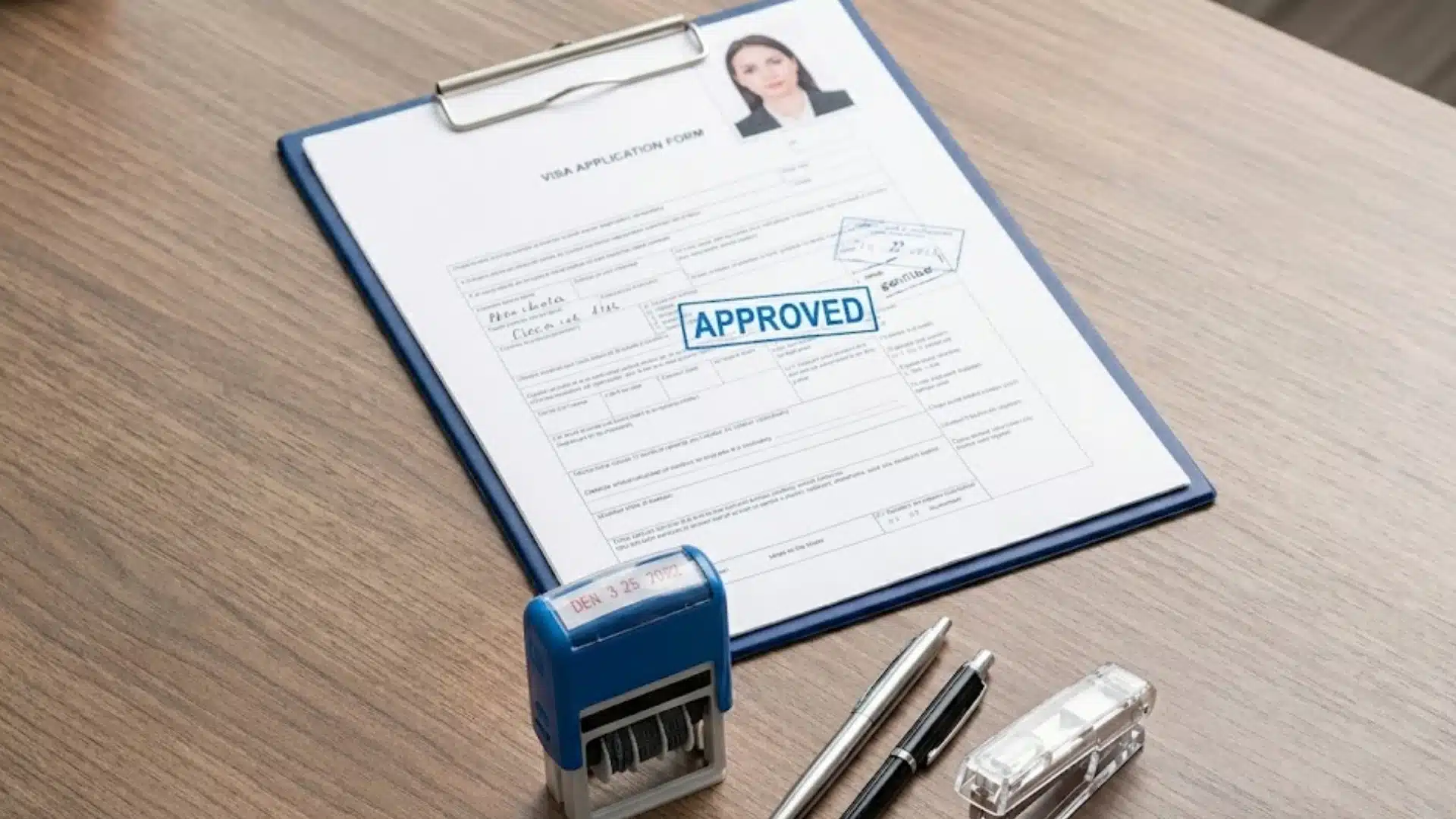
Some journeys begin with a job offer. Others begin with a quiet thought: maybe your work has already crossed borders. That is where the EB1 path starts to feel both exciting and overwhelming. You may have awards, publications, leadership roles, major projects, or years of recognition, yet still wonder whether they are enough. The truth is, EB1 visa requirements can feel confusing because they ask you to prove something deeply personal: that your talent, impact, or achievements stand out. In this blog, I will break down the eb1 visa requirements in a simple way, so you know who can qualify and what proof matters. You will learn about the three main EB-1 categories: extraordinary ability, outstanding professors and researchers, and multinational executives or managers. What is an EB-1 Visa? An EB-1 visa is an employment-based immigrant visa designed for individuals who have achieved a high level of success in their profession. It is available to people with extraordinary ability, outstanding professors and researchers, and certain multinational executives and managers. Unlike many other employment-based categories, the EB-1 visa is intended for applicants who can show strong accomplishments and recognition in their field. One of the biggest benefits of this category is that it provides a direct path to permanent residency in the United States. Successful applicants can eventually receive a green card and live and work in the country permanently. Another advantage is that EB-1 petitions often move faster than many other employment-based visa options because they are placed in a higher preference category. If you are still figuring out whether a green card or a visa better fits your situation, this breakdown of green card vs visa differences is worth reading first. Understanding the Three EB-1 Visa Categories The EB-1 visa has three main categories. Each one is made for a different […]
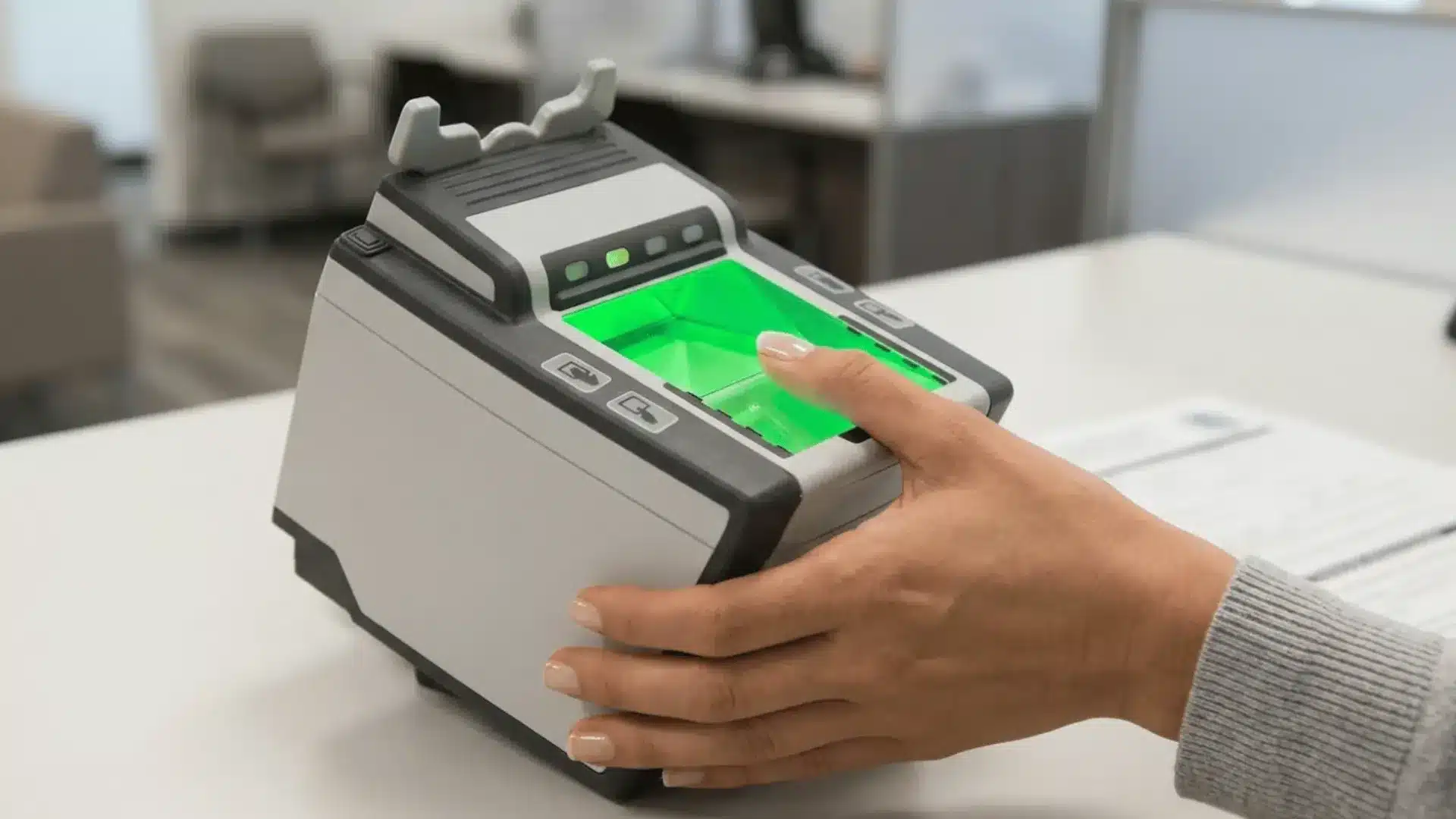
The moment your biometrics appointment ends, a quieter part of the immigration process begins. There are no big announcements, no instant answers, and often no clear sign of movement for days or even weeks. Still, important work may already be happening behind the scenes. Your fingerprints, identity details, and case file begin moving through different layers of review, and what happens next can shape the timing of your application. For many applicants, this stage feels uncertain because every case moves differently and each form follows its own path. Some people wait for an interview notice. Others wait for a card, a decision, or another request from USCIS. This blog post breaks down what may happen after biometrics, why delays occur, and when legal help may be worth considering. What is a Biometrics Appointment? A biometrics appointment is a scheduled visit where USCIS collects your fingerprints, photograph, and signature. USCIS uses this information to confirm your identity and run required background checks before continuing with your immigration application. The appointment is usually quick and does not include questions about your case. Staff at the application support center verify your appointment notice and ID, collect your biometric information, and send it for screening. USCIS uses biometrics to check criminal history, confirm identity, compare government records, and help prevent immigration fraud. For most applicants, this is a routine step, but it must be completed before the case can move forward to review, an interview, card approval, or a final decision. The appointment itself usually lasts 15-30 minutes. What Happens After a Biometrics Appointment at USCIS? Your fingerprints go directly to the FBI’s Next Generation Identification (NGI) system, which replaced the IAFIS. The FBI checks those prints against criminal records, outstanding warrants, and immigration violation records. Most results come back clean within days to […]
The moment you hear that a loved one has been detained, panic and uncertainty can feel overwhelming. You want answers, and fast. The immigration detainee locator gives families a starting point to see where someone is being held. Using the ICE detainee lookup can provide critical details about their facility and contact information. Even the immigration inmate locator offers a step-by-step way to track transfers and custody status. Each tool can feel like a lifeline in a situation where every hour counts. While searching may seem intimidating at first, learning how to use these resources empowers families to take action, reduce worry, and begin making informed decisions for the safety and well-being of their loved one. This blog walks through exactly how to use it, what to do when a search comes back empty, and when it is time to get an attorney involved. What is the Immigration Detainee Locator? The ODLS is a searchable database run by ICE under the Department of Homeland Security. It covers any person 18 or older who is currently in ICE detention or who was held by U.S. Customs and Border Protection for more than 48 hours before transfer. The system returns the name and address of the holding facility along with contact information for the ICE Enforcement and Removal Operations (ERO) office responsible for the case. A successful search will show one of two statuses. In custody means the person is currently detained at a named facility. Out of custody means they have been released, transferred to another agency, or removed from the country. The ODLS does not specify which of those outcomes applies, which is why a result showing “out of custody” can still leave families with unanswered questions. One thing worth knowing before you search: the system logs the IP address, […]