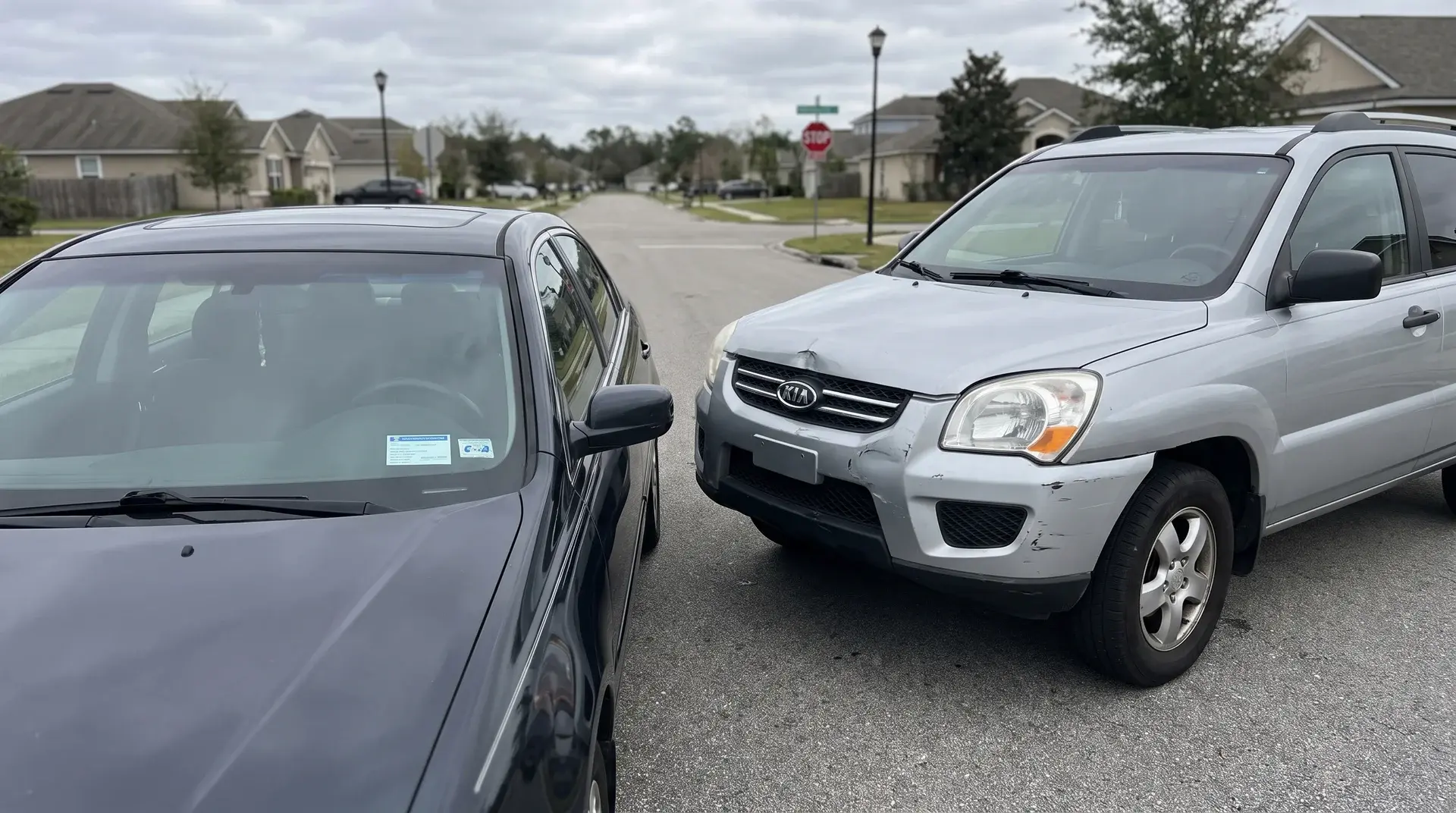

One accident, one careless decision, or one defective product can change someone’s life in seconds, and that is where tort law becomes important.
I have seen many people confused about who is legally responsible after an injury and what options actually exist once medical bills, lost income, and insurance companies become involved.
Understanding the different types of torts matters because every claim follows different legal standards and proof requirements.
From negligence claims after car accidents to intentional misconduct and product-related injuries, these cases shape how compensation is recovered.
This blog explains tort liability, key legal concepts, and common tort law examples seen in personal injury cases.
What is a Tort in Law?
A tort is a civil wrong that causes harm to another person and creates legal liability.
The word comes from the Latin tortum, meaning “twisted,” which reflects the idea that a wrong has been committed and must be corrected.
A tort is not a crime, nor is it a breach of contract. The person who commits the tort is called the tortfeasor. The harmed person is the plaintiff.
When a tort claim succeeds, courts usually award monetary compensation rather than punishment.
The same act can be both a tort and a crime. A driver who intentionally runs someone off the road may face criminal charges and a civil tort claim at the same time.
The criminal case addresses the harm to society. The tort case addresses the harm to the victim directly.
Types of Torts in Law
Every tort claim falls into one of three categories, and the category determines what the injured person must prove, how fault is measured, and what damages are available.
1. Intentional torts
Intentional torts happen when someone acts on purpose and causes harm to another person. The person does not always need to plan the exact injury, but the act itself must be intentional.
Common examples include assault, battery, false imprisonment, trespass, and defamation.
These cases often focus on whether the wrongdoer meant to do the act and whether that act harmed another person’s body, property, freedom, or reputation.
- Assault: An act that causes another person to reasonably fear immediate physical harm, even without physical contact.
- Battery: Intentional harmful or offensive physical contact with another person.
- False Imprisonment: Unlawfully restraining or confining someone without consent or legal authority.
2. Negligence Torts
Negligence torts happen when someone fails to use reasonable care, and that careless action causes harm. These cases are common in car accidents, slip and fall claims, and medical negligence matters.
The injured person usually must show that the other party had a duty of care, broke that duty, caused the injury, and created real damages.
Negligence is not about doing harm on purpose. It is about failing to act safely.
- Duty: The defendant owed a legal duty of care, such as a driver’s duty to operate a vehicle safely or a property owner’s duty to maintain safe conditions.
- Breach: The defendant failed to meet that duty, such as running a red light or failing to warn of hazardous property conditions.
- Causation: The defendant’s actions directly caused the plaintiff’s injury or damages.
Understanding how Nevada measures fault in a negligence case is directly tied to personal injury settlement amounts, which vary significantly based on injury severity and how liability is split between the parties
3. Strict Liability Torts
Strict liability torts apply when a person or business can be held responsible even without intent or carelessness.
The focus is on the risk linked to the activity or product. These cases often involve defective products, dangerous animals, or hazardous activities.
For example, a company may be liable if a defective product injures a customer. The injured person may not need to prove careless behavior, only that harm happened because of the risky item or activity.
- Manufacturing Defects: Flaws introduced during production that make a specific product unit dangerous despite a safe overall design.
- Design Defects: Problems in a product’s core design that make every version of the product unsafe.
- Failure to Warn: Inadequate instructions or warnings that leave users unaware of known product risks.
Understanding Liability and Damages in Tort Law
Tort liability allows injured parties to recover economic, non-economic, and punitive damages.
Economic damages cover measurable losses such as medical bills, future treatment costs, lost wages, and reduced earning capacity, with no cap in most personal injury cases.
Non-economic damages include pain and suffering, emotional distress, and loss of enjoyment of life.
Punitive damages apply in cases involving reckless or intentional conduct and are capped under Nev. Rev. Stat. § 42.005, except in certain DUI and product liability cases.
Injury severity and defendant conduct both weigh heavily on final settlement values, including wrongful death claims.
Tort Law Examples in Personal Injury Cases
Knowing the tort category matters less than recognizing how these claims appear in real cases. Here are common tort law examples:
- Car accident (negligence): A driver runs a red light in Henderson and strikes another vehicle. The injured driver files a negligence tort claim, proving duty, breach, causation, and damages.
- Slip and fall (negligence): A casino fails to clean up a spill in a lobby. A guest falls and suffers a broken hip. The property owner’s failure to maintain safe conditions is the breach.
- Defective product (strict liability): A consumer in a county is injured by a faulty power tool. The manufacturer is liable under strict liability without any need to prove the company was careless in its manufacturing process.
- Bar fight (intentional tort + negligence): A patron is struck by another guest at a nightclub. The person who threw the punch faces an intentional tort claim for battery. The venue may face a separate negligence claim if security failures contributed to the incident.
- Medical malpractice (negligence): A surgeon in Reno operates on the wrong site. The patient pursues a negligence tort claim, with expert testimony establishing the applicable standard of care.
What Remedies Can Victims Get in Tort Cases?
Courts use different remedies in tort cases to help the injured person recover losses or stop further harm.
Damages are the most common remedy. This means money is awarded for medical bills, lost income, property damage, or emotional suffering caused by the wrongful act.
Injunctions are court orders that tell a person to stop doing something harmful or prevent future harm. These are common in nuisance, trespass, and privacy-related cases.
Restitution focuses on returning benefits or property wrongfully taken from another person. Instead of only paying for damage, the goal is to restore what was unfairly gained.
Each remedy serves a different purpose in tort law. Some provide financial relief, while others stop harmful actions or correct unfair situations.
Courts decide the proper remedy based on the facts, the level of harm, and the impact on the injured party.
When to Call a Personal Injury Lawyer?
Call a personal injury lawyer when an injury causes serious pain, medical bills, missed work, or long-term treatment.
Legal help also matters when the other party denies fault, the insurance company delays the claim, or the settlement offer seems too low.
A lawyer can review the case, collect records, speak with witnesses, and handle talks with insurers.
This is helpful in car crashes, slip and fall cases, workplace injuries, dog bites, medical negligence, and defective product claims.
It is also wise to call soon after the accident because evidence can disappear and legal deadlines can apply. Early advice can protect the claim and help show how the injury affected health, income, and daily life.
A lawyer can also explain whether compensation may cover treatment, lost wages, pain, and future care.
Conclusion
Tort law explains how people can be held responsible when their actions cause harm to someone else. The main classifications include intentional torts, negligence, and strict liability.
Each one works in a different way, but they all focus on injury, fault, and legal responsibility.
The blog also covered common examples, how these cases apply in real life, and the remedies courts may use, such as damages, injunctions, and restitution.
Understanding the types of torts can make legal ideas easier to follow, especially when dealing with accidents, property issues, unsafe products, or personal harm.
In the end, tort law helps protect people by giving them a way to seek justice and recover losses.
Which tort category do you think appears most often in daily life? Share your thoughts in the comments below.
Frequently Asked Questions
Can the Same Act Be Both a Tort and a Crime?
Yes. The same act can result in both criminal charges and a civil tort claim. Criminal cases are filed by the state, while tort claims seek financial compensation for the injured person.
What is the Difference Between Tort Law and Contract Law?
Tort law covers civil wrongs that cause harm without a prior agreement, while contract law applies when one party breaks an existing agreement. Most personal injury cases fall under tort law.
Does Nevada Follow Comparative Negligence in Tort Cases?
Yes. Nevada follows modified comparative negligence under NRS 41.141. Injured parties can recover damages if they are 50% or less at fault, but compensation is reduced by their share of fault.