
ABOUT THE AUTHOR



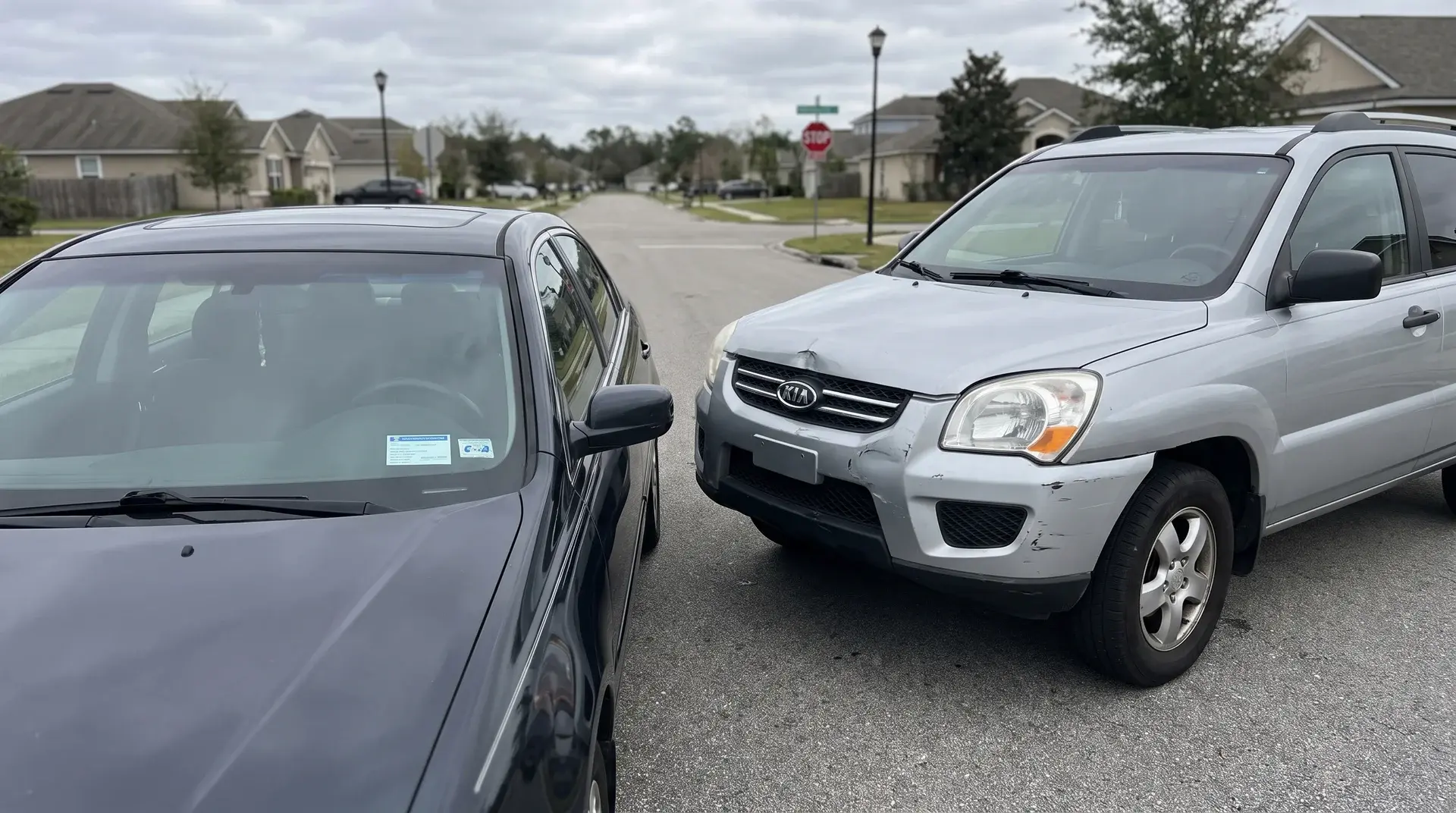
A car accident throws a lot at you at once. Medical bills, a damaged car, calls from two different insurance companies. No fault insurance changes how one part of that mess gets handled. It shifts who pays your injury costs first, and that single detail changes almost everything about how your claim moves. Most people only learn how it works after they need it. I’ve watched people assume this coverage does more than it actually does, and that assumption costs them time. Here’s what it really covers, what it leaves out, and why the rule exists at all. Let’s start with what it actually means. What Is No-Fault Insurance? No fault insurance means your own auto policy pays for your injury costs after a crash. It doesn’t matter who caused it. That trips people up at first. “No fault” sounds like it means nobody gets blamed for the accident. It doesn’t. Fault still gets determined behind the scenes. The term only describes who pays your medical bills first: your own insurer, not the other driver’s. This system isn’t standard everywhere. Some states require it. Others let drivers choose it alongside a traditional policy. If you’re not sure which setup applies to you, your insurance card or policy declarations page will say. Look for “PIP” or “Personal Injury Protection” listed as a coverage. What Does No-Fault Insurance Cover? No-fault coverage, usually called Personal Injury Protection or PIP, pays for specific costs tied to your injuries. Here’s what that includes: Medical bills: Doctor visits, surgery, hospital stays Lost wages: A portion of your income while you can’t work Rehabilitation: Physical therapy and medical equipment you need to recover Replacement services: Help with tasks you can’t do yourself, like childcare or cleaning Funeral costs: If the crash is fatal These categories are fairly […]

You can feel a dispute building before anyone files a single paper in court. Every day you wait without clarity is another day the other side holds the advantage. The legal system has a specific remedy for exactly this kind of uncertainty, and most people never hear about it until they are already deep in a fight they could have avoided. A declaratory judgment lets you bring the question to a court early. You secure a binding ruling on where the law actually stands and move forward with real clarity instead of a guess. Here is what it covers, when it applies, what courts expect, and what the ruling can and cannot do once it lands. Note: This content is for general informational purposes only and does not constitute legal advice. Consult a qualified attorney regarding your specific situation. What is a Declaratory Judgment? A declaratory judgment is a court’s official ruling on what the law, a contract, or a party’s legal rights mean in a given situation. Unlike most court orders, it stops at the declaration and does not extend to enforcement. The court does not direct anyone to pay money, surrender property, or change their behavior. The remedy exists to declare the legal position clearly and enter it into the permanent record. That distinction carries more practical weight than it appears to on the surface. Many people assume that winning in court automatically forces the other side to do something concrete. With this remedy, prevailing means the legal question is settled formally and permanently. That is a different kind of victory, but it can be just as valuable depending on what you actually need from the court. The ruling carries the same legal authority as any final court order. Neither party can revisit or relitigate that question in […]

If you searched for the Venmo class action lawsuit, you probably found a mix of old news and new investigations mashed together, and it is hard to tell which one actually applies to you. Here is the part most searches skip: there are three separate situations right now, and most Venmo users only match one of them, if any at all. A linked bank account points to one track. A random referral text points to another. A transfer dispute points to a third. None of them overlap, so knowing which one fits your account matters more than knowing all three exist. Before matching your situation to one, it helps to know exactly what this kind of case involves. What is the Venmo Class Action Lawsuit? A Venmo class action lawsuit is a case in which one or more people sue Venmo or PayPal on behalf of a larger group with similar legal complaints. These lawsuits can involve unauthorized transactions, privacy concerns, disputed fees, or claims that Venmo used misleading or unfair business practices affecting many users at once. Because the claims are combined into one case, users with similar experiences may automatically become class members if they meet the court’s specific eligibility requirements. If the lawsuit succeeds or settles, eligible users may receive money, account credits, refunds, or another form of relief depending on the final settlement agreement. What Signs Suggest You Might Be Affected by a Venmo Investigation? There are three separate Venmo-related investigations right now. Each one ties to a different type of account activity. You could match one, two, or none of them; matching one doesn’t mean the others apply to you. 1. Linked Bank Account Through Plaid If your Venmo account connects to a personal bank account, check the first. The concern is whether that verification […]

Choosing between a domestic partnership and marriage can feel simple until you look at the legal side. You may share a home, bills, and long-term plans, yet the law may treat your relationship very differently. The domestic partnership vs marriage question affects more than relationship status. It can shape taxes, health benefits, property rights, inheritance, medical decisions, and what happens if you separate or move elsewhere. As a paralegal who has spent over a decade helping attorneys prepare filings, I have seen couples assume one registration form covers everything, only to find major gaps later. Understanding where each option helps, where it falls short, and which protections require separate documents can help you choose what fits your life. What Does Domestic Partner Mean? A domestic partner is usually an unmarried adult in a committed relationship with another adult. You may live together, share bills, and handle daily responsibilities as a couple. Still, living together does not automatically create a legal domestic partnership. The term may describe your personal relationship, a workplace benefit status, or a formally registered partnership. Common requirements may include: Shared Residence: You usually need to live at the same address. Committed Relationship: The relationship must be ongoing, not temporary. Financial Responsibility: You may need proof of shared expenses or financial support. Minimum Age: Both partners must meet the legal age requirement. Marital Status: Neither person can usually be married to someone else. Registration: Certain rights require forms filed with an employer or government agency. Check the written rules yourself before relying on the label. Meeting an employer’s definition of a domestic partner may provide insurance, but not inheritance, property, or state-level rights. Domestic partnerships did not start as a matter of preference. Many state and local governments created the status because same-sex couples could not legally marry […]

You spot the letters PLLC on a sign for a doctor, lawyer, or therapist and assume it just means a fancy LLC. That guess can cost you later. The PLLC meaning carries real legal weight, since this structure comes with its own rules for who can own it, how it gets approved, and what protection it actually gives a professional. Some states do not even allow it. Before you file paperwork or trust an online template, it helps to see exactly what a PLLC covers and where its protection quietly runs out. Here is where the term actually comes from. What Does PLLC Mean? PLLC means Professional Limited Liability Company. It is a business structure created for professionals who must hold a state-issued license to provide their services. Common examples include doctors, lawyers, accountants, architects, and therapists. A PLLC works much like a standard LLC, but it follows additional ownership and licensing rules. Most states restrict PLLC ownership to licensed professionals, although the exact requirements depend on the state and profession. However, the term is not used everywhere. Some states do not recognize PLLCs at all. California, for instance, generally requires a professional corporation instead, since state law does not let an LLC render professional services. Because the rules differ by location, seeing PLLC online does not mean it is available in your state. Check your state licensing board and business filing requirements before choosing this structure. What a PLLC Includes? A PLLC adds professional ownership rules, licensing checks, and state approval steps that usually don’t apply to standard LLCs. 1. Licensed Professionals Can Own It Ownership is generally limited to people who hold an active professional license in the field the company serves. For example, a medical PLLC may need to be owned entirely by licensed physicians. This requirement keeps control […]

Sticker shock should not be the first thing standing between someone and legal help. Yet that is exactly what happens when people hear about retainers, hourly rates, court fees, and attorney bills without knowing what those numbers actually mean. The cost can feel unpredictable, especially when one case seems affordable and another seems impossible to manage. That confusion leads many people to delay calling a lawyer, even when the situation may require professional guidance. Legal pricing depends on several moving parts, and the billing method can change how the cost feels from the very beginning. Before assuming legal help is out of reach, it helps to understand how attorneys usually structure their fees. How Much Does a Lawyer Cost in the US? Hourly rates for lawyers in the US typically range from $150 to $600+ per hour, with a national average around $250–$350. Small-town attorneys tend to charge less. Big-city lawyers handling complex cases often charge more. Simple legal work gets billed differently. A basic will or an uncontested divorce is often billed on a flat fee rather than an hourly rate. That fee can land anywhere from $500 to $3,000, depending on the state and the attorney. Personal injury cases work on a different model entirely. Most injury lawyers take a contingency fee, usually 25 to 40 percent of whatever the case recovers. If the case does not win, the client owes nothing for the lawyer’s time. That single detail is often what makes an auto accident settlement feel less scary, money-wise, than a divorce or a business dispute. Average Lawyer Costs by Case Type Lawyer costs vary widely by case type because some services are simple and predictable, while others require court filings, negotiations, or trial preparation. Legal Service Typical Pricing Model Average Cost Notes Simple Will Flat […]

Yes, but the more useful question is why it almost never happens and what that reveals about how the criminal process actually works. Defendants arrive at arraignment expecting a moment of reckoning. What they get is a procedural checkpoint. The hearing is not built to evaluate cases; it is built to formally initiate them. Understanding that distinction changes how you read everything that follows: the hearing itself, the stages after it, and where a case is genuinely most vulnerable to falling apart. What is an Arraignment and What Happens at An Arraignment ? An arraignment is a defendant’s first formal court appearance, where charges are read aloud and a plea is entered, not a hearing designed to evaluate the strength of the case. What happens at an arraignment is administrative. The judge reads the charges, states the defendant’s rights, and asks for a plea. That is the full scope of what arraignment is built to do. What makes this stage structurally early is where it falls in the prosecution’s own timeline. By arraignment, particularly for felonies, prosecutors have often not finished reviewing all available evidence. Witness statements may still be coming in, and lab results may be pending. The charging document was filed with enough to justify an arrest, but not enough to represent the prosecution’s complete picture. No evidence is presented, no arguments about case strength are heard, and no ruling on the merits is expected. The proceeding exists to ensure the defendant knows what they are accused of and has the opportunity to respond with a plea. Who Actually Has the Power to Drop Charges at an Arraignment Hearing Charges can be dropped at arraignment, but it is uncommon. Prosecutors typically have not finished reviewing all available evidence by this stage; acting before that review is complete means […]

Divorce mediation sounds simple until you’re actually in the room, watching a neutral stranger try to get you and your spouse to agree on something. Then it gets complicated fast. What most people don’t realize is how much happens behind the scenes, the private conversations, the back-and-forth that never makes it into the joint session. And even after you both sign something, you’re not necessarily done. This piece walks through what really happens in mediation, where it tends to fall apart, and what people misunderstand about when it’s actually final. By the end, you’ll know whether it fits your situation. Let’s start with what mediation actually is. Disclaimer: This content provides general information, not legal advice. Divorce and mediation rules can vary, so speak with a qualified family lawyer about your situation. What Is Divorce Mediation? Divorce mediation is a voluntary process where a neutral third party helps two spouses negotiate their own divorce terms, outside of a courtroom. That third party is the mediator. They don’t take sides, and they don’t decide anything for you. Their job is to help you and your spouse work out property division, custody, and support on your own terms. In some states, a judge can order mediation before your case goes to trial, while in others, couples choose it on their own from the start, sometimes alongside considering legal separation as an alternative to a full divorce. One thing mediation isn’t: couples counseling. You’re not there to fix the marriage or talk through what went wrong. You’re there to divide it up and move forward. How Does the Divorce Mediation Process Work? Mediation follows a defined sequence, moving from a first consultation to a signed agreement. But the real work happens in how the mediator manages the conversation itself. Most of the movement […]

Many people assume there’s one clear answer to what type of lawyer makes the most money, but the reality is far more interesting. A lawyer’s income depends on far more than their specialty. Firm size, client type, location, experience, and even how they bill can make a dramatic difference, meaning two attorneys in the same field may earn vastly different salaries. When I first looked into which legal careers actually pay the most, I expected to find a single highest-paying specialty. Instead, I found that patent and intellectual property lawyers, corporate attorneys, and other specialists often compete for the top spots, while compensation can vary from under $75,000 to well over $300,000 a year. Understanding what really drives those earnings makes it much easier to compare legal careers and salary potential. What Actually Determines a Lawyer’s Salary Before comparing legal specialties, it helps to understand why lawyer salaries vary so much. In most cases, four key factors make the biggest difference. Fee Structure: Lawyers may charge hourly rates, flat fees, or contingency fees. Contingency cases involving serious injury or wrongful death, such as those covered under types of torts, often have the highest earning potential. Specialization: Attorneys with rare expertise or additional qualifications, such as passing the patent bar exam, often earn more because fewer lawyers can do the work. Firm Size: Lawyers at large firms generally earn more than those at small firms or solo practices because they handle higher-value clients and cases. Location: Lawyers practicing in major legal and business hubs like New York, San Francisco, and Washington, D.C., typically earn higher salaries than those in smaller markets. The 15 Highest-Paying Types of Lawyers, Ranked Not all legal specialties offer the same earning potential. While experience, location, and firm size play a major role, certain practice areas consistently […]
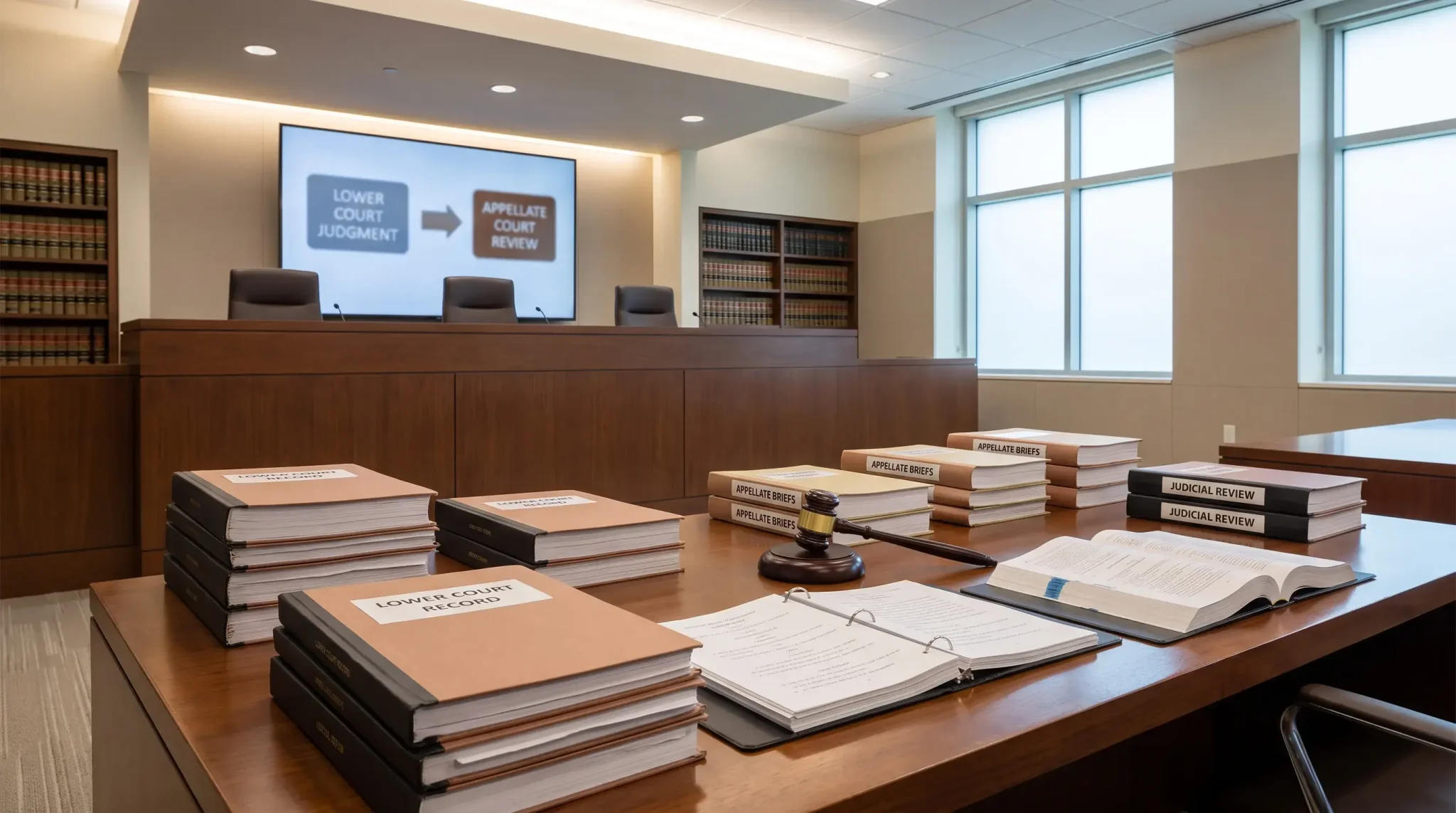
Court decisions can move from one courtroom to another, but each court has a different role when hearing or reviewing a legal dispute in practice. Appellate jurisdiction allows a higher court to examine a lower court’s ruling for legal or procedural errors without retrying the entire case from the beginning. The judges study the existing record, consider arguments from both sides, and decide if any mistake affected the ruling or required further action in court. Here, you will see how appellate review works, what higher courts examine, how jurisdiction differs, and how real cases show it in practice across courts. What Does Appellate Jurisdiction Mean? Appellate jurisdiction is the power of a higher court to review decisions made by lower courts after a case has already been decided. It allows courts to examine whether legal errors, incorrect application of law, or procedural problems affected the outcome. Unlike trial courts, appellate courts usually do not hear new evidence or conduct a new trial. They review the existing case record, including transcripts, documents, and legal arguments from the earlier proceedings. After reviewing the case, the court may affirm the original decision, reverse it, modify part of it, or send it back to the lower court for further action. This process keeps the law consistent, since a ruling in one trial court doesn’t become binding elsewhere, but an appellate decision sets a precedent that other courts within its jurisdiction must follow. In the federal system, this power comes directly from the U.S. Constitution and federal law. Article III, Section 2 of the Constitution gives the Supreme Court appellate jurisdiction, and Congress has extended that authority to the circuit courts through 28 U.S.C. § 1291, which covers appeals from federal district court decisions, and 28 U.S.C. § 1257, which covers appeals from certain state […]