
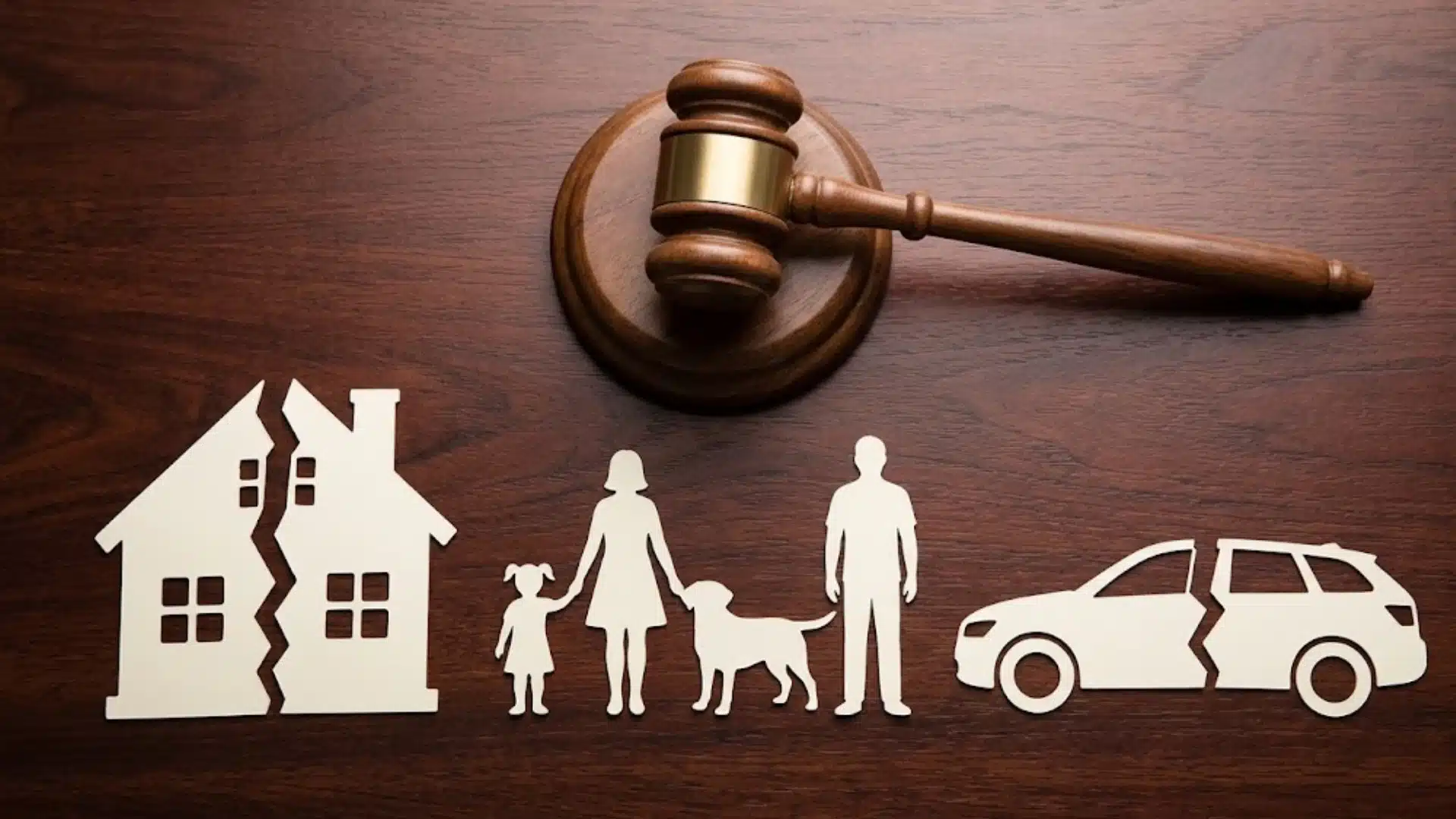
Many couples reach a point where the marriage is no longer working, and the next step still feels unclear.
One may want space, legal protection, or a way to handle money and parenting without ending the marriage right away.
This is where legal separation vs divorce becomes an important choice. One keeps the marriage legally in place, while the other ends it.
In this guide, you will learn what legal separation means, what divorce means, how both affect your rights, and the main legal differences between them.
You will also see when separation may make sense and when divorce may be the better option.
What is Legal Separation and How Does it Work?
Legal separation allows spouses to live apart without legally ending the marriage. Even though the couple no longer lives together, they are still considered married under the law.
In many cases, a court can create legal orders that explain who pays certain bills, who keeps specific property, how child custody works, and whether one spouse must provide financial support.
This can help both sides avoid confusion while living separately. Legal separation is also different from simply moving out of the family home.
In my experience supporting attorneys on family law cases, clients are often surprised to learn that an informal “we’ve agreed to separate” carries almost no legal weight when disputes later arise over property or parenting schedules.
Moving apart without a legal agreement may not protect financial or parental rights. State law also plays a big role in how legal separation works.
Some states offer a formal legal separation process through the court system, while others may use different legal arrangements to handle similar issues between spouses.
What is Divorce and How Does it Work?
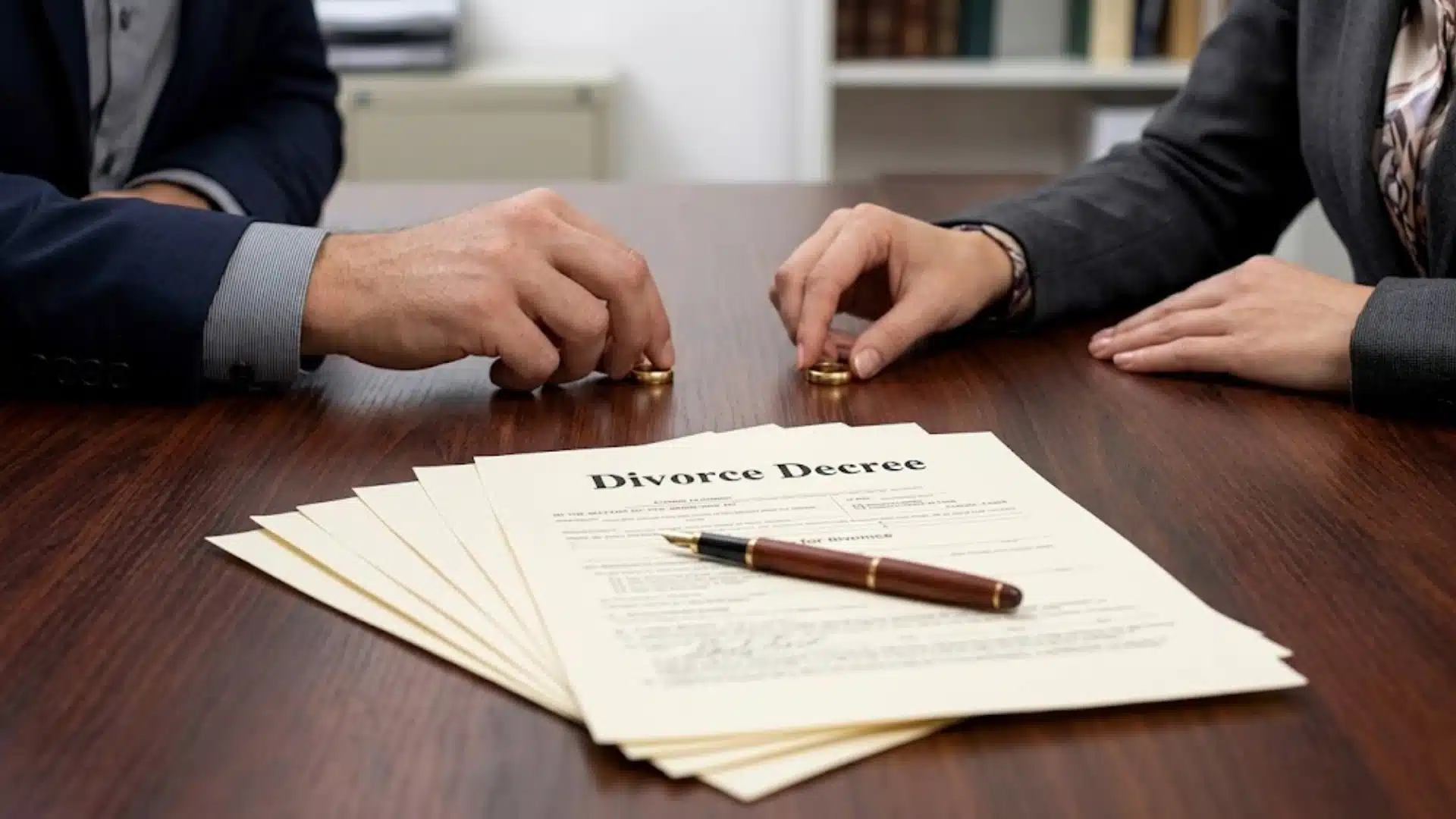
Divorce is the legal process that officially ends a marriage. Once the divorce becomes final, both spouses are legally single again and can remarry if they choose.
A divorce order also settles important legal and financial matters connected to the marriage.
This may include dividing property, assigning responsibility for debt, deciding child custody arrangements, setting child support, and determining whether spousal support will be paid.
The court reviews these issues before the divorce is finalized. Divorce can also end many legal rights that come with marriage.
For example, one spouse may no longer have automatic rights connected to inheritance, health insurance, medical decisions, or financial benefits.
Because divorce creates a permanent legal change, it is important to understand how the process may affect finances, family responsibilities, and future legal rights before making a decision.
Legal Separation vs Divorce: What Sets Them Apart?
Legal separation and divorce may seem similar at first, but both can affect marriage rights, finances, children, and future legal decisions in different ways.
| Factor | Legal Separation | Divorce |
|---|---|---|
| Marriage Status | Spouses remain legally married | Marriage legally ends |
| Remarriage | Not allowed | Allowed after divorce is final |
| Court Orders | Courts can decide on support, custody, and finances | Courts can decide on support, custody, and finances |
| Property | Can be divided through legal agreements or court orders | Divided as part of the divorce process |
| Health Insurance | Some benefits may continue depending on the policy | Spousal coverage often ends |
| Taxes | Filing status may depend on state law and marital status at year-end | Couples usually file separately after divorce |
| Reconciliation | Easier because the marriage still exists | Requires remarriage if the couple gets back together |
| Finality | Temporary or less permanent in some cases | Permanent legal end of the marriage |
| Social Security benefits | A couple can remain married to reach or maintain the 10-year eligibility threshold | Divorced spouses may qualify for benefits if the marriage lasted at least 10 years |
If children are involved, understanding child custody arrangements is one of the most important steps before signing any separation or divorce agreement.
Why Some Couples Choose Legal Separation Instead of Divorce?
Some couples choose legal separation because they are not fully ready to end the marriage.
- They may want time apart to think about the future while still having legal rules in place.
- A legal separation can help create structure by setting clear arrangements for finances, child custody, support, and living situations.
- Religious beliefs also play a role for some families, especially when divorce is discouraged or viewed negatively.
- In other situations, health insurance and financial benefits may influence the decision.
One spouse may still rely on the other’s insurance coverage or shared financial support.
Legal separation can also help protect children, housing arrangements, and shared property without taking the final legal step of divorce.
For many couples, it acts as a middle ground, one that still creates legal protection for both sides without permanently closing the door on the marriage.
When Does Divorce Make More Sense?
Legal separation is not the right fit for every situation.
If both spouses are certain the marriage is over, and there is no financial benefit to staying legally married, going through a separation first simply means going through the same process twice. That costs time and money with no meaningful benefit.
If one spouse wants to remarry, divorce is the only path.
Legal separation does not dissolve the marriage, and remarrying while legally separated would constitute bigamy.
Anyone with a firm plan to move forward independently is almost always better served by filing for divorce directly.
For couples where the relationship has deteriorated to a point where that kind of contact would be damaging, the cleaner legal break that divorce provides is often the better choice.
How Can Each Option Affect Your Legal Rights?
Legal separation and divorce can both affect money, family duties, benefits, taxes, and future rights, but they do so in different ways.
| Legal Issue | Legal Separation | Divorce |
|---|---|---|
| Spousal Rights | Some spousal rights may continue | Spousal rights usually stop |
| Shared Debt | Spouses may still be tied to shared debts | Debt division becomes part of the final order |
| Benefits | Some benefits may continue, depending on the policy | Spousal insurance and benefits may need updates |
| Bills | Court orders can decide who pays certain bills | Final orders can divide financial duties |
| Custody | Custody can be handled before divorce | Custody orders can continue after divorce |
| Child Support | Support can be ordered during separation | Support can continue after divorce |
| Spousal Support | Support may be ordered while separated | Support may continue after divorce if ordered |
What Legal Separation and Divorce Do to Estate Planning?
Legal separation does not automatically update your will, life insurance beneficiaries, retirement account designations, or powers of attorney.
If something happens to you while legally separated, your spouse may still inherit or make medical decisions on your behalf unless those documents are changed.
Divorce can trigger automatic changes to some estate documents under Nevada law (NRS 133.115), but not all.
Beneficiary designations on life insurance and retirement accounts are governed by federal, not state, law, and do not change automatically after divorce.
This is one of the areas where I see the most costly oversights. People finalize a divorce and assume all of it gets sorted out.
Months later, a retirement account still names an ex-spouse as beneficiary because no one updated the form with the plan administrator.
Federal law controls those designations, and a divorce decree does not override them.
If you have shared assets or children, understanding how a family trust works may help protect those assets regardless of how the marriage ends.
Mistakes to Avoid when Deciding Between Separation and Divorce
Small mistakes can create long-term problems with money, children, property, and legal rights during separation or divorce.
- Moving out too soon: Leaving the home does not always protect your rights or end your financial responsibilities. It may also affect access to personal belongings, parenting time, or future housing decisions.
- Ignoring shared debt: Joint loans, credit cards, and bills may still affect both spouses until handled legally. Even if one spouse agrees to pay, creditors may still contact both names on the account.
- Forgetting taxes: Filing status, deductions, support payments, and property transfers can change after separation or divorce. These changes may affect refunds, tax bills, and future financial planning.
- Skipping estate updates: Wills, trusts, insurance policies, and beneficiary forms may still name a spouse. Without updates, assets or benefits may go to someone no longer intended.
- Making casual custody agreements: Verbal parenting plans can create confusion and may be hard to enforce later. A clear written order can help prevent disputes about schedules, holidays, and decision-making.
- Signing without legal advice: A separation agreement can affect property, support, custody, and future divorce terms. Signing too quickly may create obligations that are hard to change later.
Conclusion
Legal separation and divorce can both create a legal structure, but they do not lead to the same result. Both options can affect property, debt, custody, support, taxes, benefits, and estate plans.
That is why legal separation vs divorce should not be viewed as only an emotional choice. It is also a legal and financial decision.
The better option depends on whether the couple needs time, protection, or a clean ending. It also depends on children, shared assets, insurance, and state law.
Which option do you think fits your situation better? Share your thoughts in the comments below.
Frequently Asked Questions
Can Legal Separation Help During Immigration Processes?
In some situations, legal separation may affect immigration applications, sponsorships, or residency status. The impact depends on immigration laws and the couple’s legal status at the time of filing.
Do Legal Separation and Divorce Affect Retirement Benefits Differently?
Yes. Certain retirement or pension benefits may still remain available during legal separation, depending on the plan rules. Divorce orders are often used to divide retirement accounts between spouses.
Can Spouses Live in the Same House While Legally Separated?
In some states, yes. Couples may remain in the same home for financial, parenting, or housing reasons while still creating a legal separation agreement through the court.