
June 3, 2026

A power of attorney can make life easier when someone needs help with legal, health, property, or money decisions. It allows another person to act on their behalf, but only in the ways the document allows. That person may sign papers, manage bank accounts, pay bills, handle property matters, or make care choices when the situation calls for it. In my work reviewing estate planning documents, the most common mistake I see is people choosing a type that does not match what they actually need. A general POA sounds comprehensive, but it ends the moment someone becomes incapacitated, which is often exactly when help is needed most. In this post, I will walk you through the types of power of attorney in simple words, so you know what each one does and when it may be used. By the end, you should have a clearer idea of which option fits a short-term task, future planning, or health care needs. What is a Power of Attorney? A power of attorney is a legal document that lets one person give authority to another person to act on their behalf. The person who gives this authority is called the principal. The person who receives it and acts for them is called the agent. The agent can take care of tasks based on what the document allows. These tasks may include handling finances, paying bills, managing property, making health care decisions, or handling legal matters. The scope can be wide or limited, depending on how it is written. Some powers start right away, while others begin only in certain situations. Different types are used for different needs, so the right choice depends on what kind of help is required and how long that help is needed. Main Types of Power of Attorney Power of […]
People hear “assault and battery” so often as a single phrase that they assume it’s one thing. It isn’t. In
Probation and parole are often treated as if they mean the same thing, but they apply at very different points
Legal terms can sound confusing until they suddenly appear in a news headline, police report, or courtroom discussion that grabs

Some terms quietly follow people through everyday life without ever being fully understood. DMV is one of them. It shows up on forms, license renewals, and even casual conversations, yet many people still stop and wonder, what does DMV stand for when they actually need to know. That moment of uncertainty often comes at the time, like filling out paperwork or dealing with something official. Working in civil rights and constitutional law, I have seen clients encounter both meanings in the same week. One is dealing with a license suspension, another is asking about federal employment in the DMV area. The confusion is more common than you would think, and the consequences of getting it wrong are real. Knowing which definition applies in context matters more than most people realize. A Brief History of the DMV In the early 1900s, cars became widely available before any standardized rules for driving existed. In many states, a self-declaration of basic traffic knowledge was all that was required to get behind the wheel. The predictable result was a sharp rise in accidents as untrained drivers shared roads with pedestrians, horses, and bicycles. States gradually introduced driving tests, but these were conducted inconsistently with no central oversight. That gap led governments to establish what were initially called “motor centers,” the precursors to the modern DMV. California formally established its Department of Motor Vehicles in 1931. Today, every U.S. state has an equivalent agency, even if it goes by a different name. What Does DMV Stand For? DMV stands for Department of Motor Vehicles, which is the official government agency responsible for handling driver and vehicle-related services. It operates at the state level, not at the federal level, meaning each state in the United States has its own DMV or a similar agency with slightly […]
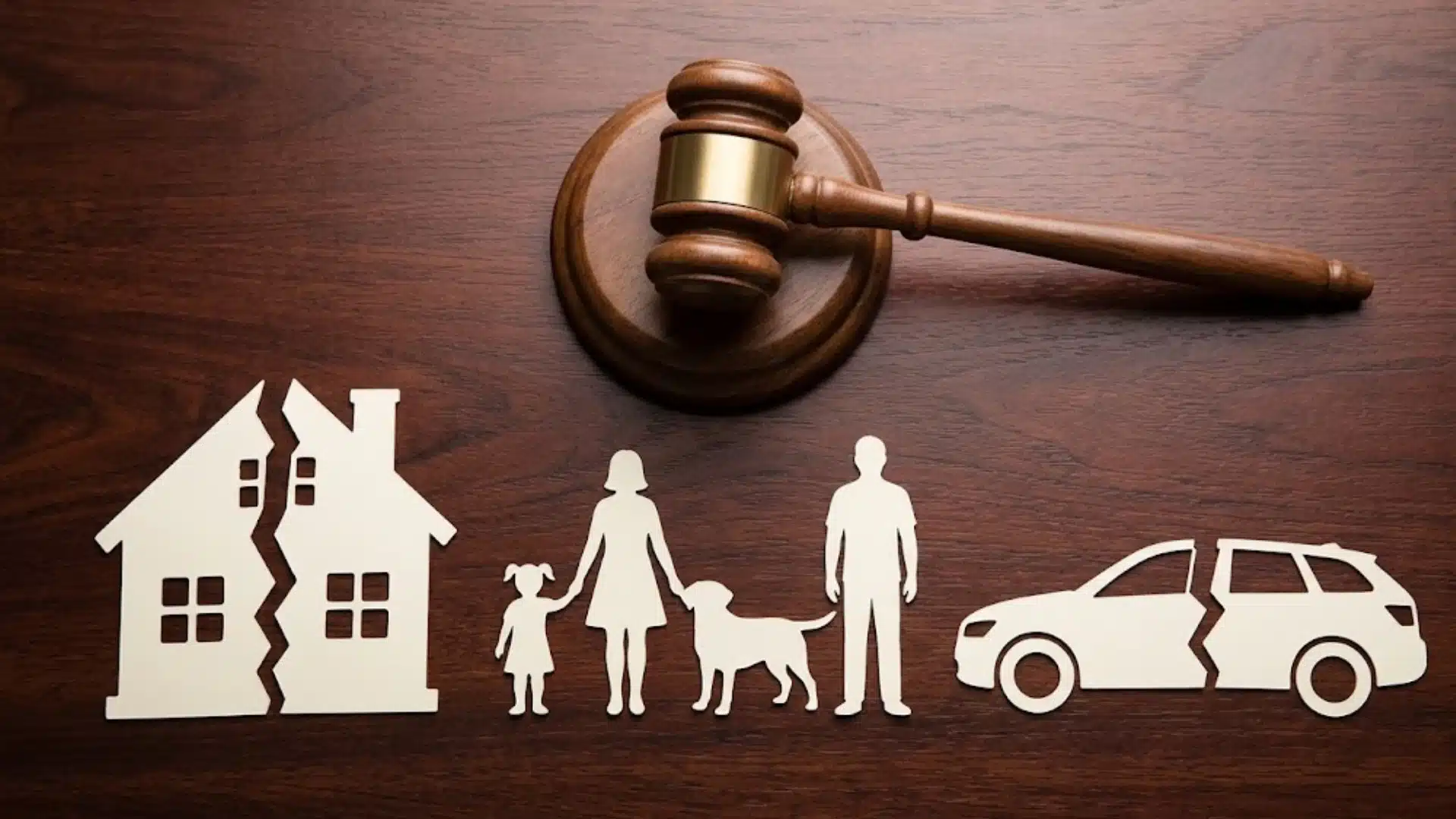
Many couples reach a point where the marriage is no longer working, and the next step still feels unclear. One may want space, legal protection, or a way to handle money and parenting without ending the marriage right away. This is where legal separation vs divorce becomes an important choice. One keeps the marriage legally in place, while the other ends it. In this guide, you will learn what legal separation means, what divorce means, how both affect your rights, and the main legal differences between them. You will also see when separation may make sense and when divorce may be the better option. What is Legal Separation and How Does it Work? Legal separation allows spouses to live apart without legally ending the marriage. Even though the couple no longer lives together, they are still considered married under the law. In many cases, a court can create legal orders that explain who pays certain bills, who keeps specific property, how child custody works, and whether one spouse must provide financial support. This can help both sides avoid confusion while living separately. Legal separation is also different from simply moving out of the family home. In my experience supporting attorneys on family law cases, clients are often surprised to learn that an informal “we’ve agreed to separate” carries almost no legal weight when disputes later arise over property or parenting schedules. Moving apart without a legal agreement may not protect financial or parental rights. State law also plays a big role in how legal separation works. Some states offer a formal legal separation process through the court system, while others may use different legal arrangements to handle similar issues between spouses. What is Divorce and How Does it Work? Divorce is the legal process that officially ends a marriage. Once […]

You spot a perfectly good item sitting on top of a dumpster and wonder: could picking it up actually get you arrested? It is a fair question, and the answer is more nuanced than most people expect. Whether dumpster diving is legal in your area depends on a layered mix of federal precedent, state statutes, and local ordinances that vary from city to city. The short version: federal law generally permits it, but local rules and private property lines are where things get complicated fast. As a civil rights attorney, I have seen people get into real legal trouble over something like this that feels completely harmless. Knowing the difference before you reach into that bin could save you from a trespassing charge, a fine, or worse. The Supreme Court Ruling That Made Dumpster Diving Legal Nationwide The legal foundation for dumpster diving across the entire country comes from one case: California v. Greenwood, 486 U.S. 35 (1988). In that case, the U.S. Supreme Court ruled 6-2 that the Fourth Amendment does not protect trash placed in a publicly accessible area for collection. The reasoning was straightforward. Once you drag your trash bags to the curb, you voluntarily expose them to the public, including neighbors, animals, and scavengers. The Court held that this voluntary exposure eliminates any reasonable expectation of privacy. What this means practically is that trash left at the curb, or in any publicly accessible area, is considered legally abandoned. Anyone can take it without violating federal constitutional law. This ruling set the baseline for every state in the country. However, and this is the part most people miss, Greenwood only applies to trash in publicly accessible spaces. The moment a dumpster sits behind a locked gate or on clearly private property, federal protection does not help you […]

Legal cases can get confusing when many people are harmed by the same product, drug, chemical, or event. That is where these claims start to matter. Instead of one person filing a case alone, many injured people may bring similar claims against the same company or group. This makes the legal process different from a regular personal injury case. In the middle of all this, mass tort litigation helps courts handle related claims while still looking at each person’s harm separately. You will see how this process works, how it differs from class action lawsuits, and why it is used in cases involving unsafe medicines, faulty medical devices, toxic exposure, and major accidents. You will also get a simple look at who may qualify and what legal options may be available. What is Mass Tort Litigation? Mass tort litigation is a legal process used when many people are harmed in a similar way by the same product, drug, chemical, device, or event. Each person has a separate claim, but the cases are linked because they share common facts. For example, several patients may report injuries after using the same medical device, or many families may suffer health problems after toxic exposure in one area. These cases allow injured people to bring similar claims against the same company or responsible party. The court may handle shared issues together, such as evidence, expert reports, and company records. Still, each person’s injury, medical history, and damages are reviewed on their own. This structure matters because no two people are harmed the same way. One person exposed to a contaminated water supply may develop cancer. Another may have respiratory problems. A third may have no symptoms for years. Mass tort cases are built to handle that variation, which is why they work differently from a […]