
You spot a perfectly good item sitting on top of a dumpster and wonder: could picking it up actually get you arrested? It is a fair question, and the answer is more nuanced than most people expect.
Whether dumpster diving is legal in your area depends on a layered mix of federal precedent, state statutes, and local ordinances that vary from city to city.
The short version: federal law generally permits it, but local rules and private property lines are where things get complicated fast.
As a civil rights attorney, I have seen people get into real legal trouble over something like this that feels completely harmless.
Knowing the difference before you reach into that bin could save you from a trespassing charge, a fine, or worse.
The Supreme Court Ruling That Made Dumpster Diving Legal Nationwide
The legal foundation for dumpster diving across the entire country comes from one case: California v. Greenwood, 486 U.S. 35 (1988).
In that case, the U.S. Supreme Court ruled 6-2 that the Fourth Amendment does not protect trash placed in a publicly accessible area for collection. The reasoning was straightforward.
Once you drag your trash bags to the curb, you voluntarily expose them to the public, including neighbors, animals, and scavengers.
The Court held that this voluntary exposure eliminates any reasonable expectation of privacy.
What this means practically is that trash left at the curb, or in any publicly accessible area, is considered legally abandoned.
Anyone can take it without violating federal constitutional law. This ruling set the baseline for every state in the country.
However, and this is the part most people miss, Greenwood only applies to trash in publicly accessible spaces. The moment a dumpster sits behind a locked gate or on clearly private property, federal protection does not help you at all.
That is when probable cause standards and trespass law take over, giving officers grounds to stop and question anyone on restricted property.
Is Dumpster Diving Legal in Kansas?
Kansas has no specific statewide law that bans dumpster diving.
At the state level, trash placed in public areas is treated as abandoned property, which means retrieving it does not constitute theft under Kansas Code 21-5801.
The state follows the federal Greenwood precedent, making public-area diving generally permissible. The risk in Kansas, just like most other states, sits at the local level.
Kansas Statute 21-5808 governs criminal trespass and makes unauthorized entry onto private property a Class B nonperson misdemeanor, carrying a minimum of 48 consecutive hours of imprisonment.
Cities including Wichita and Overland Park have enacted specific municipal ordinances restricting or banning scavenging from residential and commercial containers, with fines starting from $100.
Lawrence has local rules that explicitly prohibit removing items from the trash. Before diving anywhere in Kansas, checking your specific city or county ordinances is not optional.
It is the legal step that determines whether your dive is protected or prosecutable.
When Does Dumpster Diving Become Illegal?
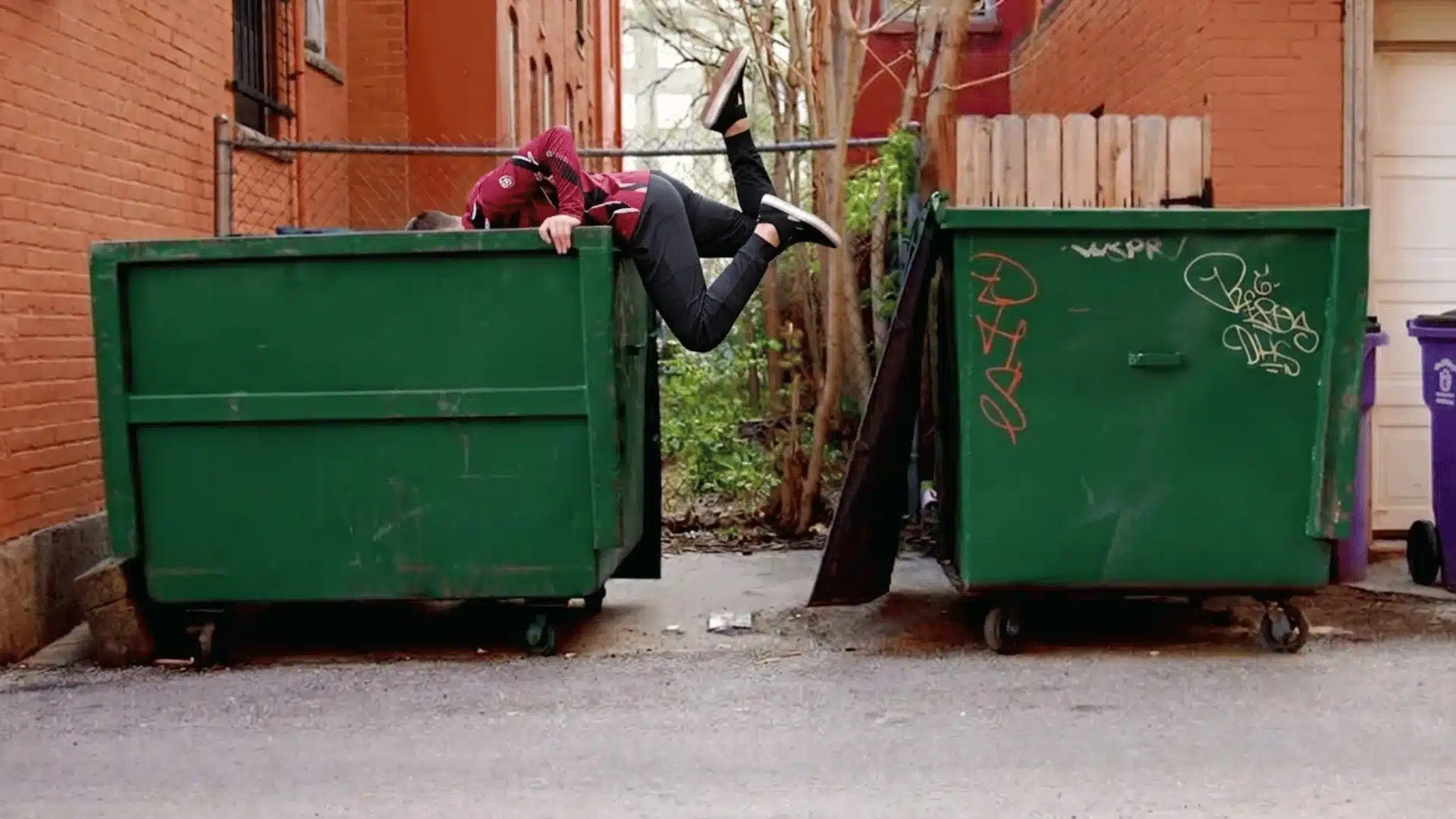
Federal law sets a permissive baseline, but three areas of law can quickly flip a legal dive into a criminal act. Understanding each one is what separates a smart diver from someone facing a misdemeanor.
1. Trespassing on Private Property
This is the single most common legal risk in dumpster diving. Most dumpsters in commercial areas sit on private property, behind stores, in shopping center alleys, or inside apartment complexes.
Entering that space without the property owner’s permission is trespassing in every U.S. state, regardless of what the federal Greenwood ruling says.
Trespassing laws vary by state, but a first-offense misdemeanor typically carries fines between $200 and $500.
Repeat offenses or incidents involving ignored “No Trespassing” signs, fences, locked gates, or explicit verbal warnings from staff can escalate quickly to arrest.
2. Theft Charges and Recycling Rules
Theft charges during dumpster diving are less common but entirely possible, particularly when a dumpster is on private property owned or contracted by a waste management company.
The legal question comes down to whether the discarded items still belong to someone. Under the Greenwood principle, trash on public ground is generally abandoned.
But items in a private dumpster under a business waste contract may still technically belong to that company.
Taking them can be argued as theft. Penalties scale with the value of items taken and vary by state.
One important note: in many jurisdictions, taking aluminum cans or recyclables from designated recycling bins is explicitly classified as theft, even when regular trash nearby is fair game.
3. Disorderly Conduct and Local Sanitation Rules
Even on legal public property, how you conduct yourself during a dive has legal consequences.
Scattering trash, blocking sidewalks, or refusing to leave when asked are all grounds for disorderly conduct charges in most states.
Many anti-scavenging ordinances that exist across U.S. cities were created specifically in response to littering associated with dumpster diving.
Some counties also enforce local sanitation rules that govern how trash can be handled or redistributed.
Practically speaking, leaving an area messier than you found it is the fastest way to attract a complaint and trigger enforcement, even in places where diving is otherwise technically permitted.
Where is Dumpster Diving Generally Safe and Legal?
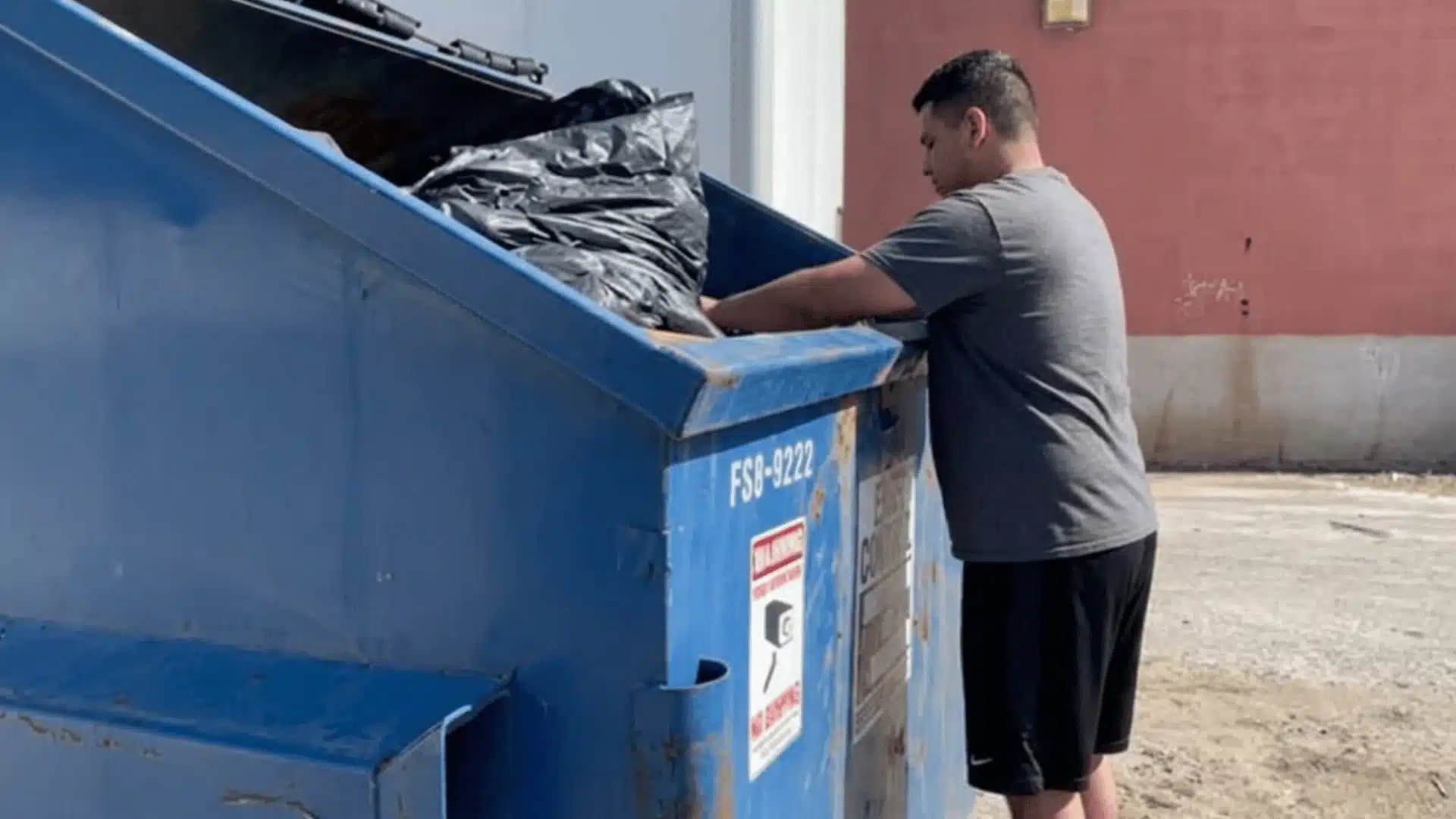
Public areas offer the most legally secure ground across the country.
Curbside residential trash on collection morning, public parking lots, and municipal waste collection points are generally protected under the Greenwood precedent in states without anti-scavenging ordinances.
That protection is rooted in your constitutional protections against unreasonable government interference, which extend to publicly accessible spaces.
College campus perimeters during student move-out periods are popular and typically fall within public access zones where discarded items are commonly left behind.
Public parks and recreation areas are also common spots where diving tends to be low risk, especially when there are no posted restrictions nearby.
Commercial areas require more caution.
Even if a lot appears open, most shopping center and strip mall parking areas are private property controlled by businesses or landlords.
Diving at major retailers requires careful attention to property lines, posted signage, security cameras, and staff instructions to avoid trespassing complaints or police involvement.
Smart Ways to Avoid Legal Trouble While Dumpster Diving
Understanding local rules, respecting private property, and following basic safety practices can significantly reduce the chances of fines, trespassing issues, or legal disputes.
- Public property first: Curbside and publicly accessible areas are your safest bet. State and federal law generally cover these locations under the abandoned property doctrine.
- Read every sign: Any “No Trespassing” or “No Scavenging” signage makes a location legally off-limits, even if the dumpster looks physically accessible.
- Never force entry: Breaking a lock, cutting a fence, or damaging property to reach a dumpster adds criminal damage charges on top of trespass.
- Leave it cleaner: Scattered trash is the most common trigger for complaints and ordinance enforcement, even in locations where diving is otherwise allowed.
- Skip designated recycling bins: Taking items from marked recycling containers is classified as theft in many jurisdictions, separate from regular trash rules.
- Get permission in writing: For commercial locations, written consent from the property owner removes the trespass risk entirely and protects you if anyone questions you later.
- Avoid Diving Late at Night: Daytime diving may appear less suspicious and reduce the chances of police complaints or misunderstandings.
- Wear Protective Gear: Gloves, sturdy shoes, and flashlights help reduce injury risks while searching through dumpsters safely.
- Stay Respectful and Quiet: Being respectful around businesses and neighborhoods can help avoid unnecessary complaints or confrontations.
Conclusion
For anyone wondering, “is dumpster diving legal,” the safest approach is always to check local regulations and respect property rules wherever you go.
Public access, private property boundaries, posted signs, and local ordinances all play a major role in determining what is allowed and what could lead to legal trouble.
Understanding the difference before diving can help avoid fines, trespassing charges, or unnecessary confrontations.
A little caution goes a long way toward staying on the right side of the law while avoiding unwanted risks.
Have thoughts, personal experiences, or additional questions about dumpster diving laws? Leave a comment below and join the conversation with others sharing their perspective.
Frequently Asked Questions
Does it Matter if a Dumpster Has a Lid or a Lock?
Yes. A locked or secured dumpster signals that the owner has restricted access. Forcing it open is not just trespass; it can result in criminal damage to property charges on top of trespassing.
Are Items in a Private Dumpster Considered Stolen if I Take Them?
Potentially yes, especially if the dumpster is under a waste management contract. The company may retain legal ownership of the contents, making removal a theft offense depending on state law.
What Should I Do if an Employee Tells Me to Leave While I Am Diving?
Leave immediately. Staying after being asked to go can escalate a civil matter into a criminal trespass charge in most states. Compliance protects you legally, even if you believe you had a right to be there.
Can I Call the Police on Dumpster Divers?
Yes, you can contact the police if dumpster divers are trespassing, damaging property, or creating safety concerns.