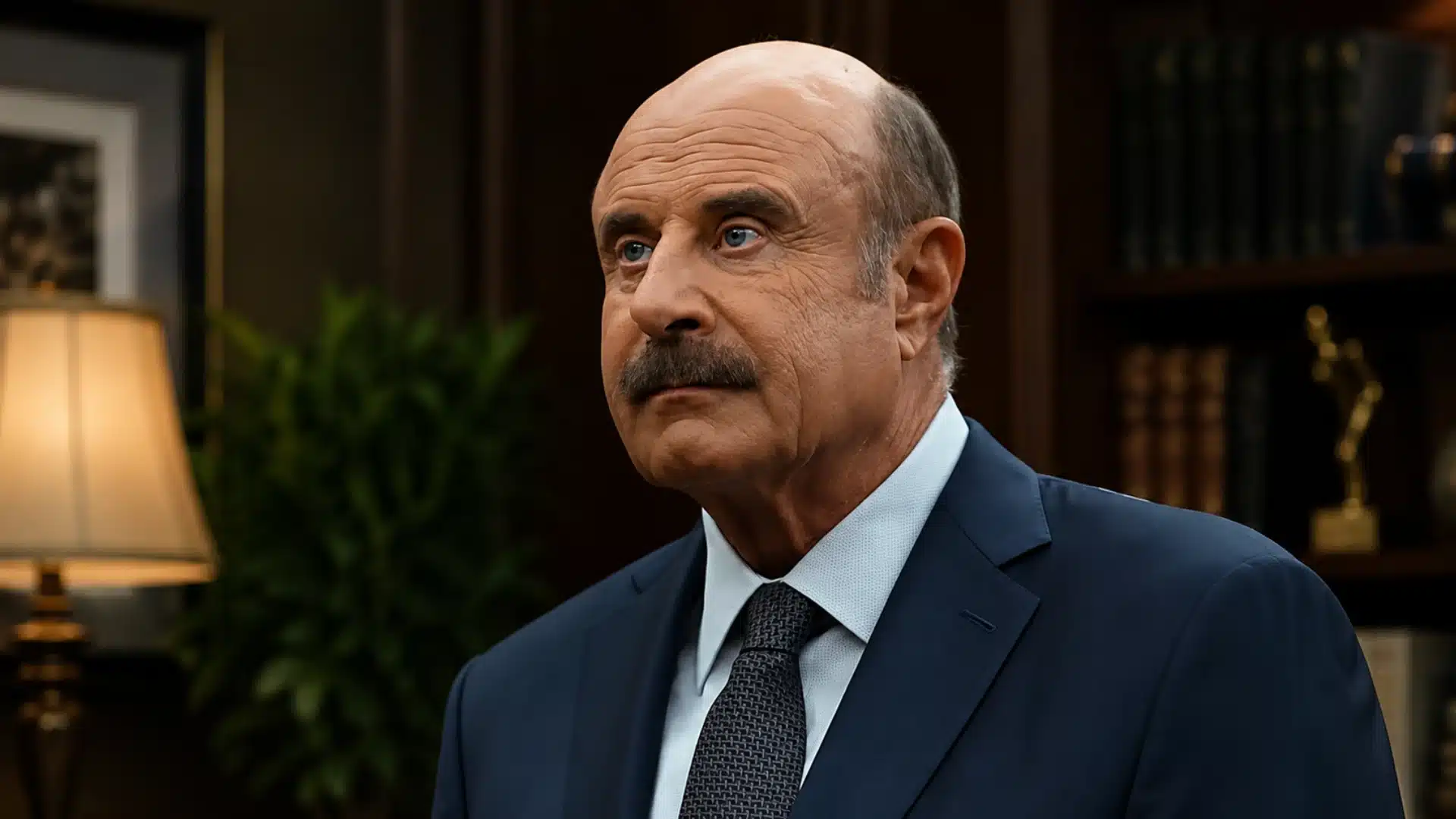
When a public figure spends years helping others solve problems, people naturally pay attention when legal and financial trouble reaches their own doorstep.
That is exactly why this story has drawn so much interest. If you ask me, the most interesting part is not the bankruptcy itself but what happened after the paperwork was filed.
The Dr. Phil bankruptcy case quickly became more than a business restructuring.
Court hearings, allegations of bad faith, and questions about deleted evidence changed the direction of the proceedings.
Each development added another layer to a case that kept growing more complex. Understanding the full timeline makes it much easier to see why the court ultimately decided liquidation was the only appropriate outcome.
What Led to the Dr. Phil Bankruptcy Case
Merit Street Media began as a joint venture in late 2023. Trinity Broadcasting Network owned 70 percent, while Dr. Phil McGraw’s Peteski Productions held the remaining stake.
TBN agreed to provide distribution and production support, while Peteski supplied original shows led by a new Dr. Phil primetime program. The network launched on April 2, 2024, with access to about 80 million homes.
The business soon struggled. Primetime ratings averaged roughly 27,000 viewers in 2024. Merit Street laid off about 40 employees in August 2024, followed by more cuts in June 2025 when the flagship show was paused to reduce costs.
After outside funding efforts failed, Peteski provided an $8 million bridge loan. The money kept the company operating temporarily, but it did not solve its financial problems.
On July 2, 2025, Merit Street filed for Chapter 11 bankruptcy protection, which allowed it to continue operating while it attempted to reorganize its debts. That same day, the company sued TBN.
Merit Street claimed its controlling shareholder had shifted more than $100 million in costs onto the business, turning the bankruptcy into a larger dispute over control, funding, and responsibility.
TBN’s Countersuit in the Dr. Phil Bankruptcy Case
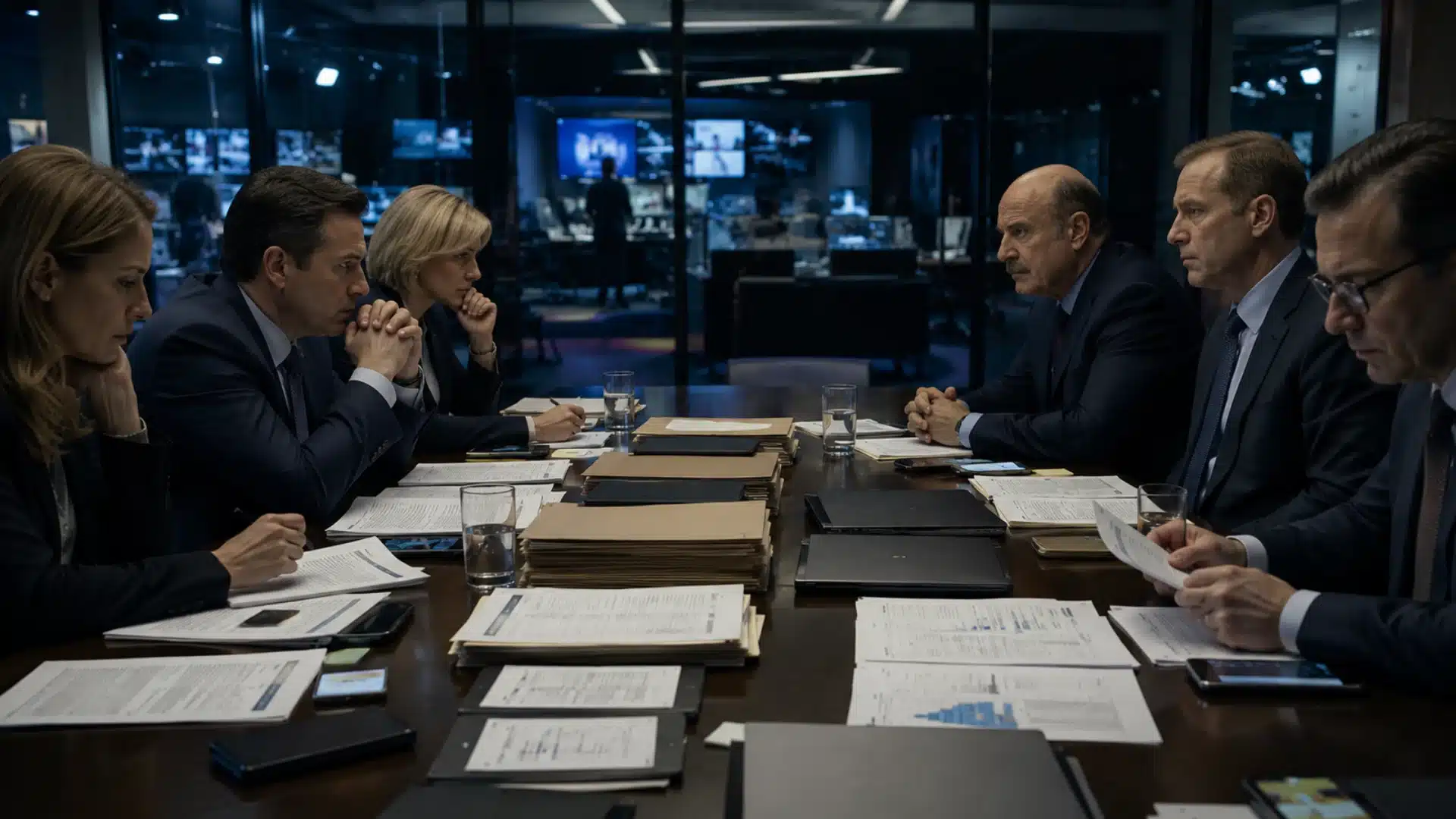
TBN did more than defend itself. Along with TCT Ministries, it filed a counterclaim accusing Dr. Phil McGraw of putting his own interests ahead of Merit Street Media.
The broadcasters alleged breach of fiduciary duty and claimed McGraw had tried to enrich himself and his associates. Their case relied heavily on texts and emails collected during discovery.
One message reportedly described a plan to reduce TBN to a minority shareholder as a “gangster move.”
TBN also pointed to McGraw’s creation of Envoy Media one day before the bankruptcy filing, arguing that the timing suggested a planned transfer of control or value.
McGraw’s production company, Peteski, denied the accusations and said Merit Street had simply run out of money.
The dispute left the judge with a central question: Was McGraw trying to save the company, or using bankruptcy to protect his own position?
How the Chapter 11 Case Played Out In Court
After filing for Chapter 11, Merit Street needed money to remain operational. Peteski provided $21.4 million in debtor-in-possession financing, including new funds and its earlier $8 million bridge loan.
The arrangement raised concerns because Peteski, owned by McGraw, became Merit Street’s largest lender.
On August 1, 2025, TBN and TCT Ministries asked the court to dismiss the bankruptcy, convert it to Chapter 7, or appoint an independent trustee. Professional Bull Riders, which claimed it was owed $181 million, supported the request.
During a multi-day trial, McGraw said he had worked hard to keep Merit Street alive and rejected claims that the bankruptcy was designed to benefit Envoy Media.
The court then had to decide whether the filing was a genuine rescue attempt or a strategy primarily intended to protect McGraw’s interests.
Why the Judge Converted the Case to Chapter 7
On October 28, 2025, Judge Scott W. Everett rejected McGraw’s attempt to keep Merit Street in Chapter 11, calling the case an anomaly.
He said the business was as dead as a doornail when it filed, adding that there was no hope for rehabilitation and the case would move into liquidation.
Under Chapter 7 liquidation, a trustee takes over the debtor’s remaining assets, converts them to cash, and distributes proceeds to creditors. Evidence showed that McGraw had formed Envoy Media before filing, with plans to absorb Merit Street’s business and staff.
Everett also found that McGraw deleted a text tied to TBN and Professional Bull Riders’ claims, violating a preservation order, stressing that candor to the court is critical.
A formal conversion order followed on November 18, 2025, with Daniel J. Sherman appointed Chapter 7 trustee.
Where the Dr. Phil Bankruptcy Case Stands Now
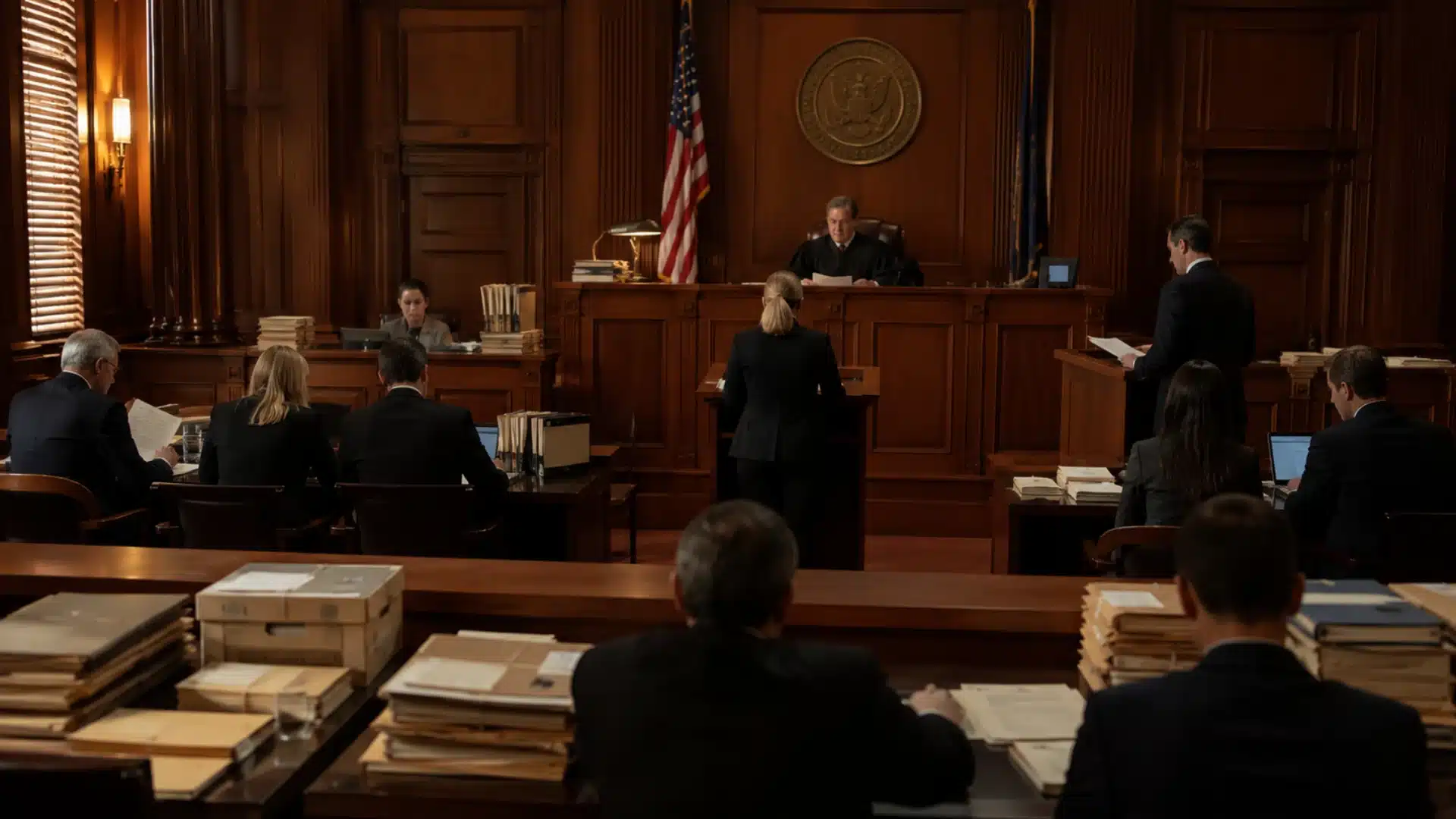
The case is still active. McGraw, Peteski, and Merit Street have appealed the Chapter 7 conversion and challenged the judge’s handling of the proceedings.
TBN and TCT are seeking to dismiss those appeals. For now, trustee Daniel J. Sherman remains in control of the estate.
The lawsuits over contracts, fraud claims, and responsibility for Merit Street’s collapse also remain unresolved.
McGraw has continued building Envoy Media, which has added distribution and content partnerships. Merit Street, however, has not returned as an operating network.
Its remaining media library and assets are now being sold through the Chapter 7 process, while McGraw’s newer venture moves forward separately.
Conclusion
The case shows how quickly control can shift once a court finds evidence of bad faith. A founder may believe influence and funding will keep the process manageable, but bankruptcy law gives judges and trustees power to step in.
The Dr. Phil bankruptcy case makes that point clear because the move from Chapter 11 to Chapter 7 removed control and placed the company under court supervision.
For creditors, that change can affect recovery, timing, and access to records.
For business owners, it is a reminder that every decision, message, and transaction may be reviewed. Do you think the court made the right call?
Share your view in the comments, especially if you have followed the dispute closely.
Frequently Asked Questions
Is Dr. Phil personally bankrupt?
No. The bankruptcy applies to Merit Street Media, the company, not to Dr. Phil McGraw as an individual. His production company, Peteski Productions, is involved as a lender and creditor, but McGraw himself did not file for personal bankruptcy.
What happens to Merit Street’s shows now that it’s in Chapter 7?
Under Chapter 7, the trustee sells off the company’s assets, including its media library, to pay creditors. That process does not guarantee that any show continues. Some content may be sold to other buyers, but Merit Street itself is not expected to keep producing new programming.
Can a judge convert Chapter 11 to Chapter 7 without the debtor’s consent?
Yes. A judge can convert a case over a debtor’s objection if there is evidence of bad faith, fraud, or gross mismanagement. That is what happened here. The court found McGraw’s actions met that standard, despite his request to stay in Chapter 11.
Is Envoy Media legally part of the bankruptcy case?
Not directly. Envoy Media is a separate company that McGraw formed before the filing. In my experience, courts look closely at ventures like this when timing raises questions. The judge treated Envoy’s formation as evidence in the bankruptcy case, even though Envoy itself was not a debtor.