
ABOUT THE AUTHOR




It is 1 a.m., you are three hours from home, and your eyes will not stay open. The rest stop sign glows up ahead. You pull in, recline the seat, and then a thought creeps in: is it legal to sleep in your car here, or are you going to wake up to a knock on the window? Millions of people ask this every year. Road trippers, truck drivers, shift workers, and folks between homes all end up in the same parking lot at the same hour, wondering the same thing. The answer is not as simple as you would hope. Is It Legal to Sleep in Your Car? In most cases, yes. No law says you cannot close your eyes behind the wheel of a parked car. The trouble starts with where you stop and what shape you are in when an officer knocks on the window. Four different sets of rules can turn a legal nap into a ticket: Parking rules and time limits Vehicle habitation or camping bans Trespass laws on private property DUI laws covering actual physical control What Does the Law Say About Sleeping in a Parked Car? No federal law bans it. The rules come from cities and counties, not blanket state statutes, so the answer can change from one town to the next. The key distinction is sleeping versus camping. Most states define camping as pitching a tent, setting up a shelter, or sleeping on the ground. Resting inside a legally parked vehicle usually does not count. That difference matters at highway rest areas and on public land, where camping is restricted but overnight parking often isn’t. When Is Sleeping in Your Car Generally Allowed? Some spots are set up for it, or at least tolerate it. Here is where you are usually […]

Vision loss doesn’t always mean total darkness. For millions of Americans, legally blind describes a specific point on a much wider spectrum, and it can look different from one person to the next. Some people keep useful vision even after meeting the threshold. Many folks find that using adaptive tools can really help them move through their day more smoothly and comfortably. This blog explains how legal blindness is measured, what causes it, and the support available to people living with it. What Does Legally Blind Mean? Legal blindness is a federal statutory standard; the SSA’s own name for it is statutory blindness, the same 20/200 / 20° status most people just call legally blind, written into statutory law rather than shaped by courts. There are two ways someone can qualify: First: Their visual acuity is 20/200 or less in their better eye, even with glasses or contacts. Second: Their visual field is 20 degrees or less, meaning they can only see a narrow area straight ahead. The American Medical Association first adopted the 20/200–20° definition in 1934, and it was soon incorporated into federal programs such as Aid to the Blind (Social Security Act of 1935). Today, these same criteria are legally recognized as “statutory blindness.” So what does 20/200 mean? It means a person must stand 20 feet away to see what someone with normal vision sees clearly from 200 feet. Does Legally Blind Mean Completely Blind? No, legally blind and completely blind are not the same thing. Most people who are legally blind still have some usable vision. In fact, only about 15% of people with serious vision loss have no light perception at all, the true definition of total blindness, according to the American Foundation for the Blind. Someone who is legally blind might see blurry […]
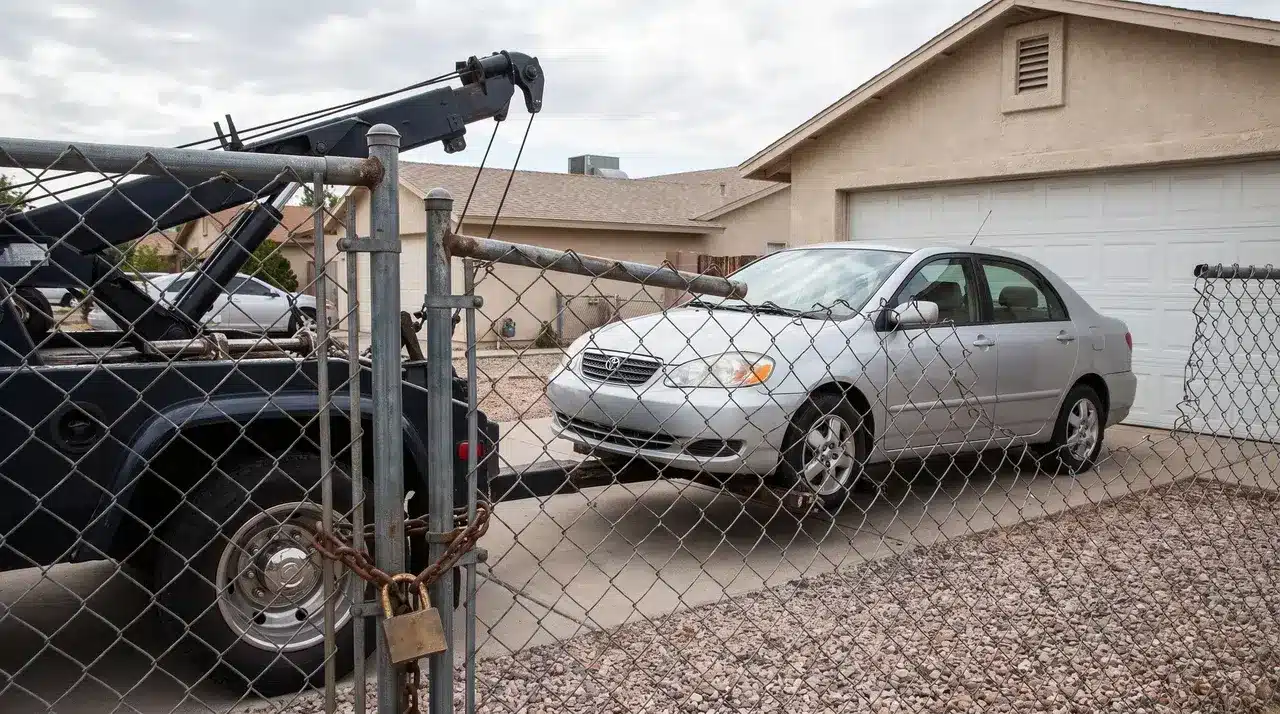
A car repossession loophole isn’t a secret trick that lets you keep your vehicle for free. It involves mistakes your lender or repo agent makes. I have seen how small details can change your options after a repo. A locked garage entry or accepted late payments may create legal issues. You need to check the rules before assuming you have no choices left. These violations can help you challenge the process or gain more leverage. I will explain what counts as a violation and how to prove it. You will also learn the next steps after repossession and what matters. What Are the Signs Your Car Repossession Broke the Law? A few specific details about how your car was taken can point to a real legal problem. If any of these sound familiar, it’s worth digging deeper. Start with where the car actually was. If it was behind a locked gate, inside a closed garage, or the agent had to cut a chain to get it, that’s a red flag. Repo agents can pull a car from your driveway or the street. They can’t break into a secured space to do it. Next, think about how the agent acted. Did they push past you, block your car in so you couldn’t leave, or keep going after you told them to stop? Any of that crosses a line. Payment history matters too. If your lender let late payments slide for months, then repossessed without any warning that the policy had changed, that pattern can work in your favor. Last, check the numbers. Repos sometimes happen because of a lender’s mistake, not an actual missed payment. A misapplied payment or a miscounted grace period can trigger a repo that never should have happened. What Legal Violations Turn Into Real Car Repossession Loopholes? […]
A single judge rarely has the full picture of what a case might affect. Outside groups, agencies, and experts often understand the stakes better than the parties arguing the case, and courts have built a formal channel for that outside knowledge to reach them. That channel is the amicus brief, a tool that lets non-parties add research, context, or a specialized viewpoint a judge might otherwise miss. Civil rights groups, trade associations, and government agencies use it often, especially in cases that ripple far beyond the two sides in the courtroom. Here is who can file one, what the rules require, and how much weight this input actually carries. What is an Amicus Brief and Why Does It Matter? An amicus brief is a legal document submitted to a court by someone not directly involved in a lawsuit but with an interest in the issue. The person or organization filing it is called an amicus curiae, meaning “friend of the court.” It provides information, research, or arguments that may help judges. Unlike plaintiffs or defendants, amici do not represent a side in the lawsuit. Courts may consider these briefs, but judges decide how much weight to give them. Who Can File an Amicus Brief? Filing an amicus brief does not require being a party to the case, only relevant knowledge, expertise, or a genuine interest in the legal issue at hand. These filers stay outside the lawsuit itself while offering information the court can use. Common Amicus Brief Filers Why They File Advocacy groups Explain how a court decision could affect the public, communities, or groups they represent Businesses and industry groups Provide information about economic effects, industry practices, or practical challenges. Professional associations Share specialized knowledge related to a profession or field Government agencies Explain how a ruling may […]
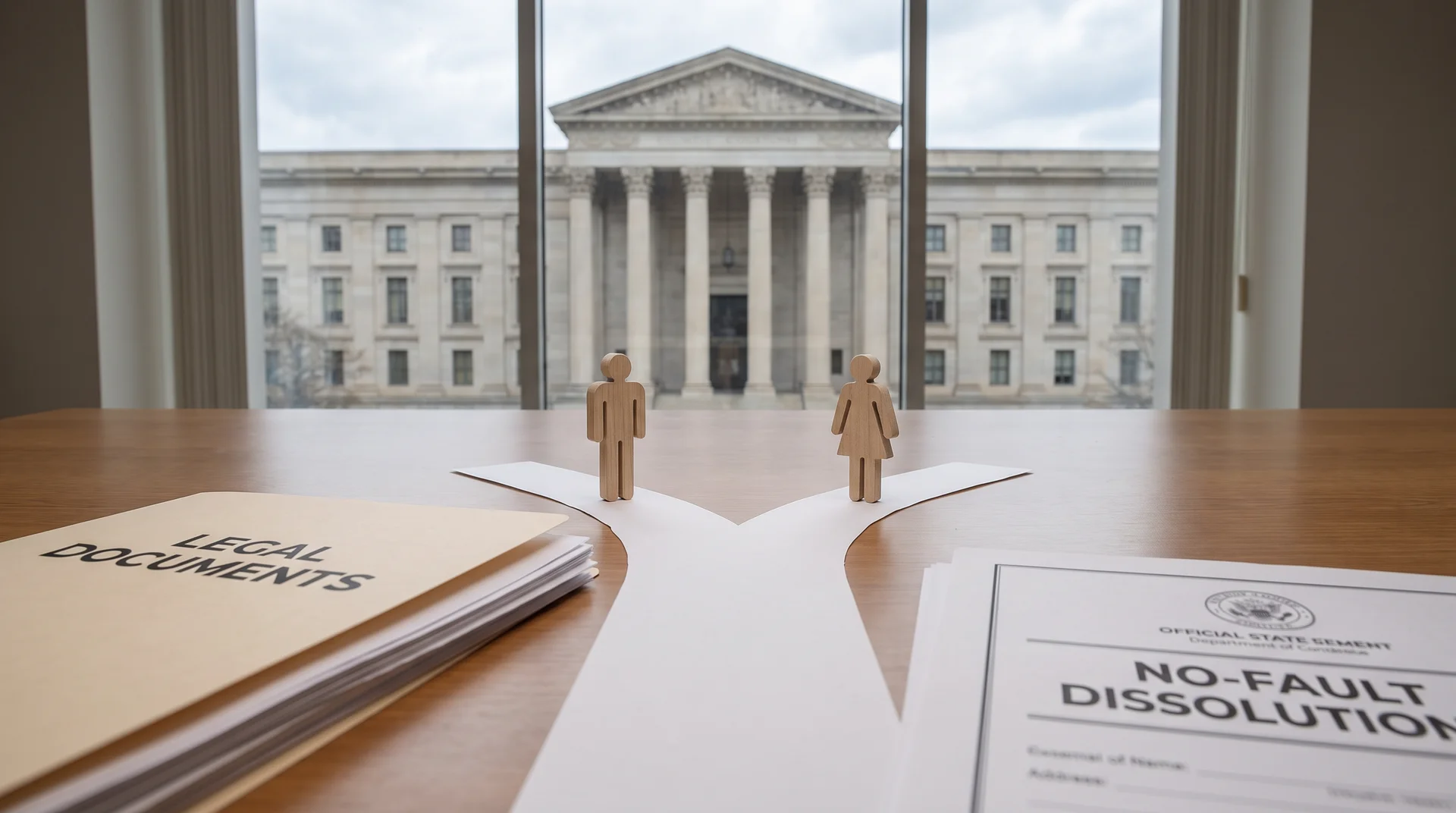
You did not do anything wrong. Neither did your spouse. So why does ending a marriage still feel this complicated? Plenty of people freeze up right here, assuming they need proof of a big betrayal before they can even file. They do not. That is the entire premise behind no-fault divorce. But not needing proof isn’t the same as knowing nothing. Requirements still exist, and fault can quietly resurface later, in places most people never expect. After years spent helping clients prepare their divorce filings, the pattern is always the same: people assume the hard part is behind them, then find out it is not. Here is where it actually applies, and where it does not. What Is a No-Fault Divorce? A no-fault divorce means you do not have to prove that your spouse did something wrong to end the marriage. You only need to state that the relationship has broken down and cannot be repaired, often through irreconcilable differences. The rules still depend on where you live. Some states allow one spouse to file even if the other person does not agree, while others may have extra steps that affect how quickly the divorce moves forward. One thing people often misunderstand is that “no-fault” only applies to the reason for ending the marriage. It explains why you can file. It does not explain how other issues in the divorce get resolved. Issues like finances, child custody arrangements, or other decisions can still depend on what happened between the spouses and the details of the situation. A no-fault divorce removes the need to prove blame, but it does not erase every issue that comes up during the process. Requirements for Filing a No-Fault Divorce Filing for divorce is not always as simple as telling the court your marriage is over. […]

I have watched plenty of renters, and landlords assume an eviction moratorium means the same thing everywhere, and that mix-up costs people real money and real time. It never erases unpaid rent, and it never lasts forever. During the pandemic, federal, state, and local governments each rolled out their own version, on their own timeline, with their own rules for who qualified. Most of those orders ended years ago, yet outdated pandemic advice still circulates online and leads people to make bad decisions about a notice they just received. Here is what these orders actually covered, why they ended, and what still applies to your situation today. What is an Eviction Moratorium? An eviction moratorium is a temporary government order that stops landlords from evicting tenants during declared emergencies, using emergency powers over normal housing enforcement rules. While a moratorium remains active, landlords cannot file, continue, or carry out an eviction against covered tenants, making it stronger than a delay. Coverage depends on the order itself because each moratorium defines qualifying tenants, included housing types, and the eviction grounds that are temporarily paused under it. For example, a non-payment moratorium may not cover lease violations or property damage. Protection comes from the order’s exact scope, not its existence by itself. What Does an Eviction Moratorium Cover? An eviction moratorium can cover federal, state, or local eviction actions, and coverage always depends on which order applies and who issued it. Protections never came from one unified source. Instead, they layered across federal, state, and local governments, each acting on its own timeline and authority. Which Tenants Qualify? Most moratoria cover non-payment evictions specifically. If you’re behind on rent because of financial hardship, that’s the ground most orders protect against. But coverage isn’t automatic. During the CDC moratorium, tenants had to sign […]
A case dismissed with prejudice is generally closed permanently, meaning the same claim usually cannot simply be filed again. But what does that actually mean for the people involved? The answer can change based on the type of case, the court involved, and why the dismissal happened. In this guide, you’ll learn what happens after this ruling, how it differs from a dismissal without prejudice, and why it is not the same as being found not guilty. First, let’s look at what this legal phrase really means. What Does “Dismissed With Prejudice” Mean? A case dismissed with prejudice is generally closed permanently. The person who brought the claim usually cannot file the same claim again after the court issues this type of dismissal. The phrase “with prejudice” means the dismissal is meant to be final, not a temporary pause. Unlike a dismissal without prejudice, the party usually cannot fix the same issue and return to court with the same claim. This connects to a legal concept called claim preclusion, also known as res judicata. In simple terms, it prevents the same legal claim from being brought again after it has already received a final resolution. The goal is to stop repeated lawsuits over the same dispute. However, a dismissal with prejudice does not always mean a judge held a trial and decided every fact in the case. The reason for the dismissal and the court’s order can affect what the ruling means in practice. For example, a court may permanently dismiss a claim because a legal problem cannot be corrected through another filing. The exact effect can depend on the court, the type of case, and the wording of the dismissal order. Dismissed With Prejudice Vs. Without Prejudice The main difference is what happens after the dismissal. A dismissal with […]
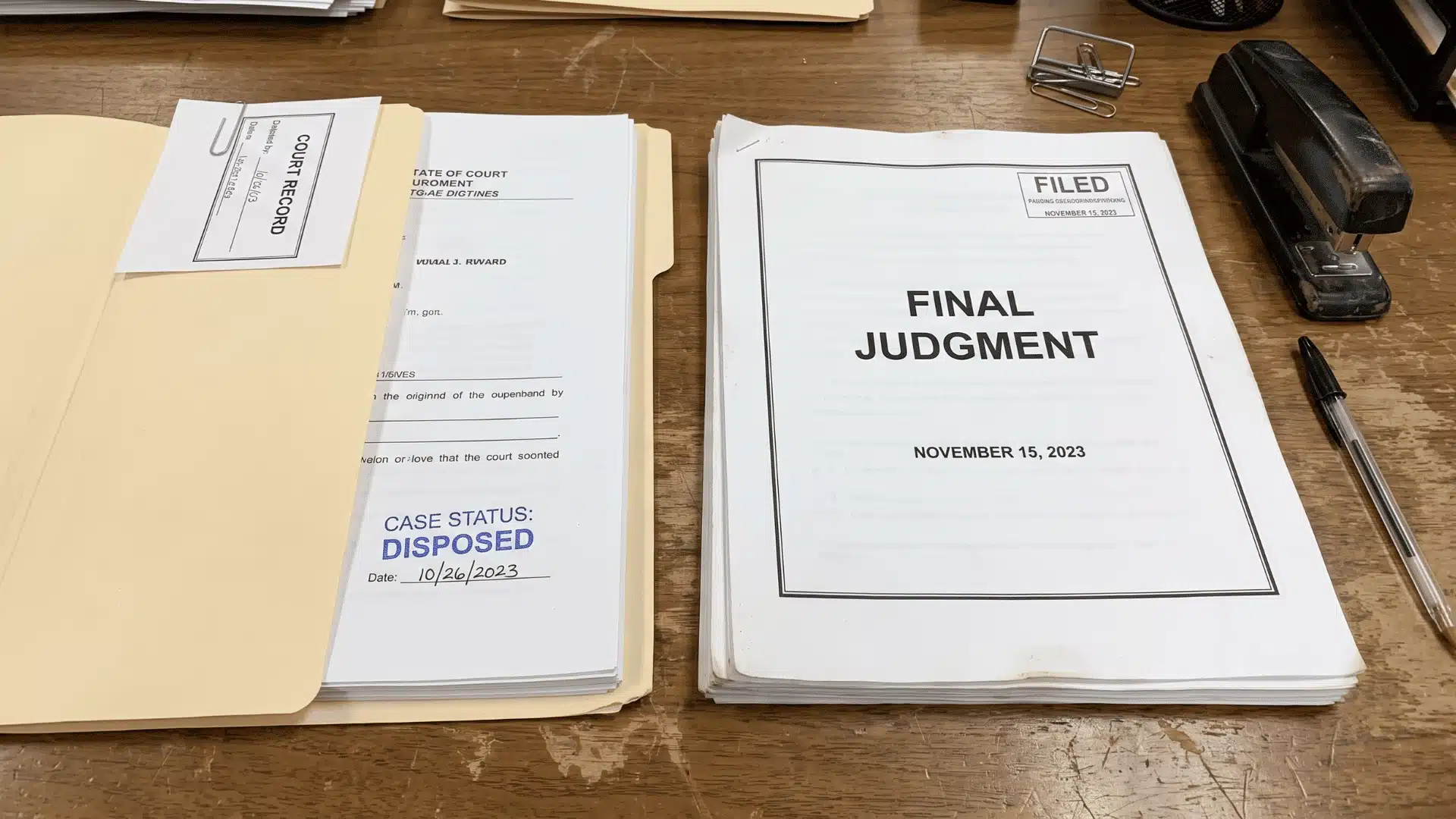
Seeing “disposed” beside your court case can feel alarming. The word sounds final, but it does not explain who won or what occurred. In legal records, “case disposed” simply means the court has closed the matter. It does not reveal the result, ruling, or next steps. Those details usually appear in the final order, judgment, or disposition entry. That document explains how the case ended and what obligations remain afterward. The specific disposition matters because dismissal, settlement, conviction, or judgment each creates different consequences. Checking that outcome helps you understand exactly where you stand. What Does “Case Disposed” Mean? “Case disposed” means the court has officially closed the case. It does not tell you the outcome, not guilty, not innocent, not anything in between. That distinction matters more than it sounds. The disposed label looks identical whether a case ended in conviction, acquittal, dismissal, or settlement. The court system uses it for one purpose: to mark that the matter is off the active docket. What it doesn’t do is tell you what actually happened. For that, you need a different document entirely, the nature-of-disposal record or final judgment filing. That’s where the actual outcome lives. The status label you see on a court portal is an administrative flag. The judgment document is the legal record. If you’re trying to understand what a disposed case means for you, the status field isn’t where you’ll find that answer. The judgment document is. What Are the Different Types of Case Dispositions? Dismissal, conviction, acquittal, and settlement are the four main ways a case reaches a disposition, and each one closes the case while carrying a completely different legal meaning. The disposed label treats them all the same. The outcomes are not the same at all. That’s the part worth understanding before you read […]
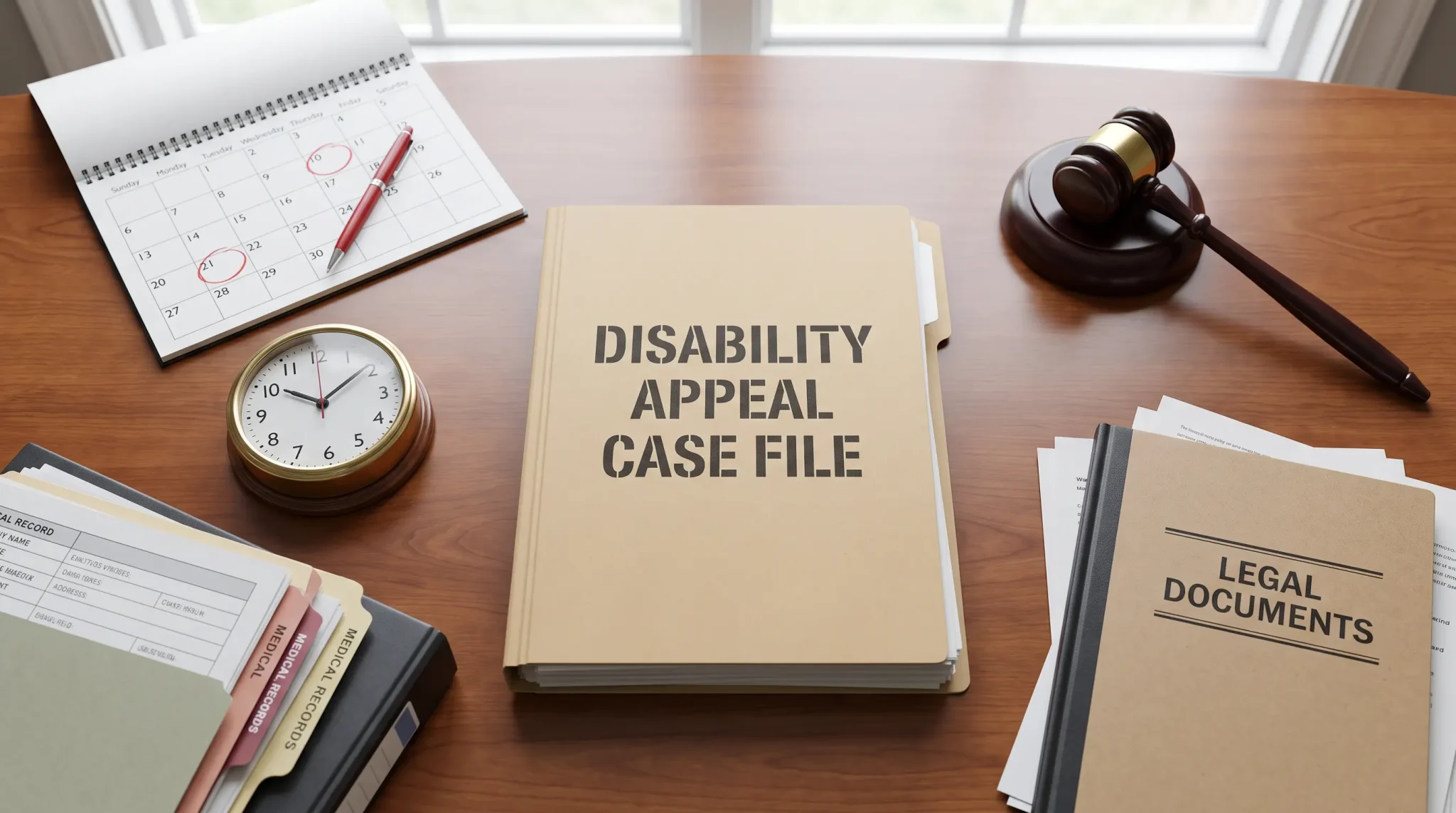
Waiting for a disability appeal can feel harder when nobody can tell you exactly how long the process will take. Some cases end within a few months, while others continue for two years or longer. The difference usually depends on the appeal stage, SSA’s backlog, and whether the case needs further medical review. Hiring a lawyer can prevent paperwork mistakes and missed deadlines. However, legal representation cannot move your appeal ahead in SSA’s processing queue. Below, you will find typical timelines for each appeal stage, factors that affect progress, and what happens after SSA makes its decision. Disclaimer: This content provides general information and does not constitute legal advice. Appeal timelines vary, so confirm current details with SSA or a qualified disability lawyer. What Determines How Long a Disability Appeal Takes? A disability appeal can take about three months to more than two years. The timeline depends on which stage the case reaches before approval or denial. The process may move through four stages: reconsideration, an administrative law judge hearing, Appeals Council review, and federal court review. Each stage begins a new review period, which effectively restarts the clock. Cases resolved during reconsideration usually finish sooner than those requiring a hearing or further review. Missing records, new medical evidence, and requests from the Social Security Administration can also affect how quickly a case moves forward. How Long Does Each Stage of the Appeal Take? Appeal timelines vary sharply by stage, not by disability or case type. File reviews usually finish sooner than hearings or court proceedings. 1. Reconsideration Reconsideration usually takes about three to seven months. A different disability examiner reviews the existing file and any new medical evidence without holding a formal hearing. This stage may take longer or shorter depending on the state agency handling the review. SSA […]
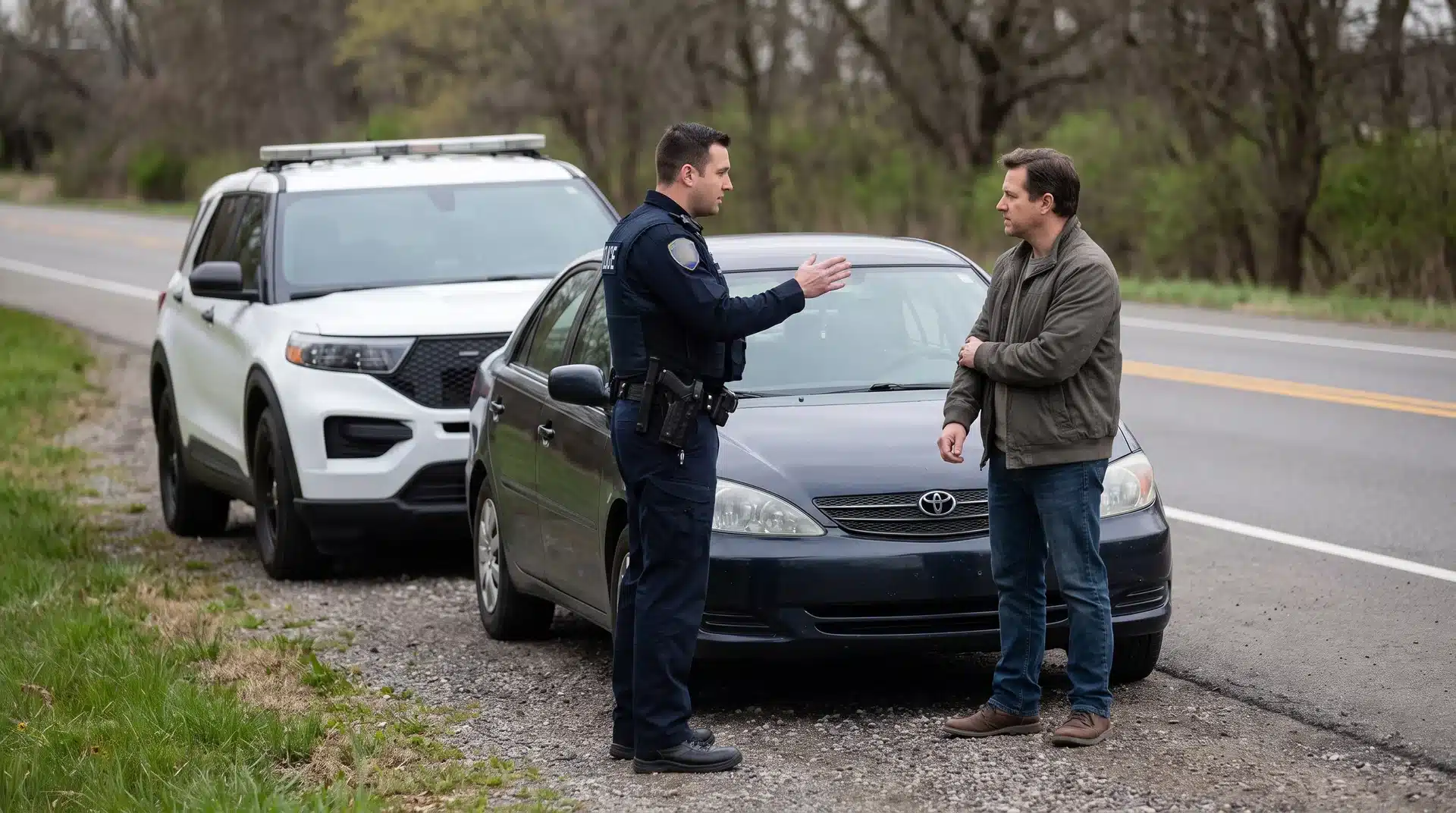
Blue lights flash behind you, and your stomach drops. The officer asks you to step out and walk a line. I’ve talked to people who froze in that moment. They were sure they had no choice. Here’s what I’ve learned digging into this. The answer to “can you refuse a field sobriety test” is yes, in almost every state. But it’s not that simple either. What happens next depends on timing, evidence, and details most drivers never think about. I’ll tell you exactly what you can refuse and what actually happens when you do. What Is a Field Sobriety Test? A field sobriety test is a roadside check an officer may use when they suspect a driver is impaired. Instead of measuring the amount of alcohol in your body, it gives the officer a chance to watch how you move, follow directions, and respond during the traffic stop. The officer looks for signs of impairment, such as trouble keeping your balance, following instructions, or certain physical reactions. These observations can become part of the evidence used to decide what happens next. That is an important distinction. A field sobriety test is not the same as a breath, blood, or urine test that measures alcohol or drugs. It relies on the officer’s observations of your performance at the roadside. I’ve found this is where much of the confusion starts. People hear “test” and expect a clear numerical result, but the officer judges how you perform and records those observations. Can You Legally Refuse a Field Sobriety Test? Yes, you can refuse a field sobriety test. In most states, these roadside tests are voluntary. That means you usually do not get a separate fine or a DUI charge just for saying no. An officer cannot force you to walk a straight line, […]