
Sometimes, situations get out of hand, and you need a clear way to tell someone to stop without going straight to court.
That is where a legal notice can help. In simple terms, what is a cease and desist letter is a written request asking a person or business to stop doing something that is causing harm, loss, or trouble.
As a legal rights attorney, I work with clients who often come in assuming their only option is court. In most cases, a well-drafted cease and desist letter is the right first step.
It sets a clear boundary, creates a written record, and gives the other side a chance to correct their behavior before a lawsuit becomes necessary. Most disputes never need to go further than this.
In this blog, you will learn what this letter means, why people send it, when it can be used, what to include, what to avoid, and how to draft one in a clear and proper way.
What is a Cease and Desist Letter?
A cease and desist letter is a formal written notice that asks someone to stop a specific action. It is often used when a person or business believes their rights are being affected.
The letter clearly explains the issue and demands that the activity end within a set time.
This type of letter is usually sent by an individual, a company, or a lawyer acting on their behalf. It is directed to the person, group, or business responsible for the action in question.
It is important to know that this letter is not always legally binding on its own. It does not carry the same weight as a court order.
However, it shows intent to take the matter seriously and can be used as evidence if the issue later goes to court.
What is the Purpose of a Cease and Desist Letter?
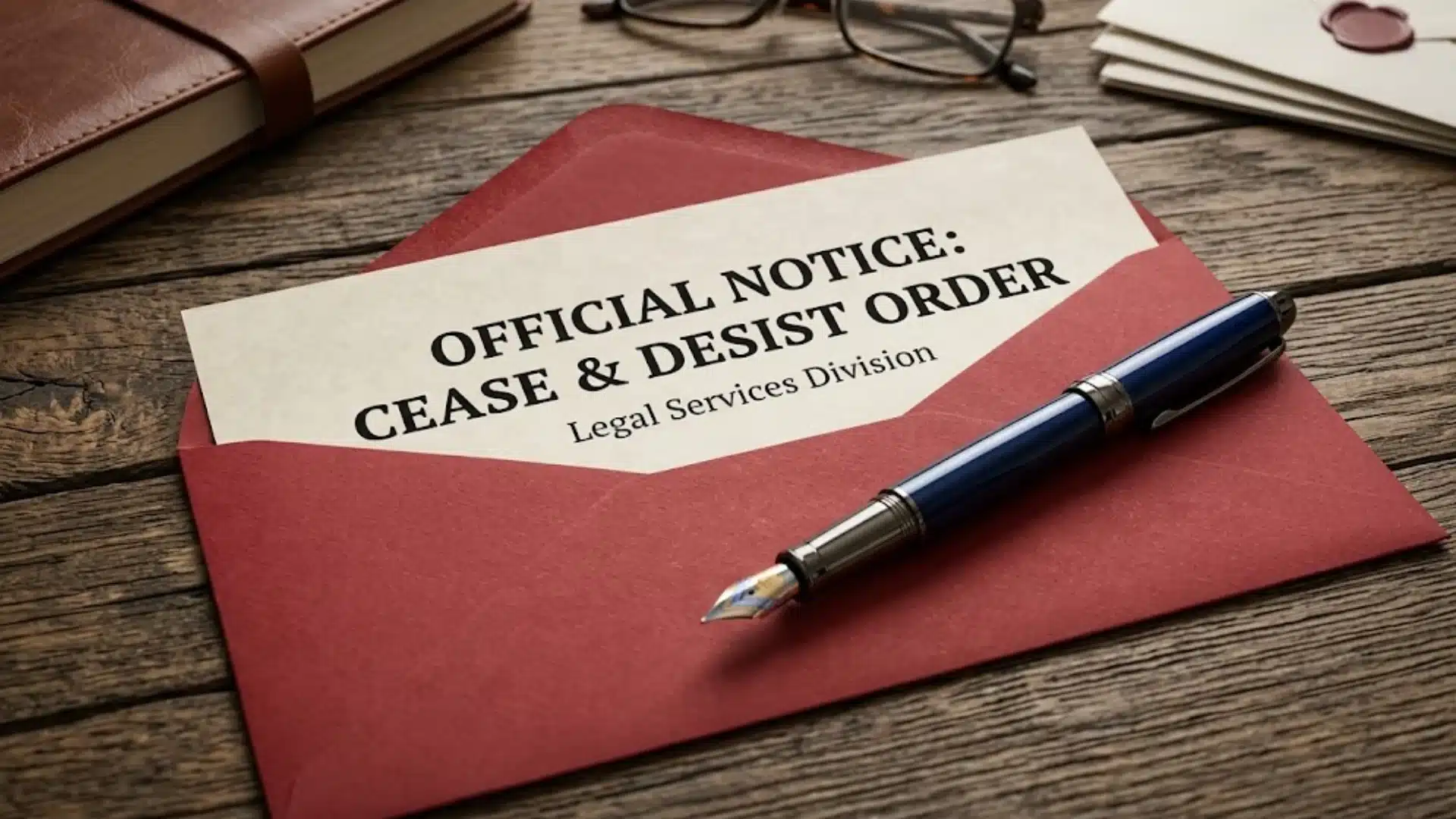
The main purpose of a cease and desist letter is to stop unwanted actions before they get worse. It clearly tells the other party that their behavior is not acceptable and must end within a given time.
This can include things like harassment, false statements, or misuse of content.
Another key purpose is to create a written record of the issue. This record can be useful later if the matter turns into a legal dispute.
It shows that the sender tried to resolve the problem directly and fairly. The letter also acts as a warning. It puts the other party on notice that further steps may be taken if the behavior continues.
In many cases, this helps avoid court. It gives both sides a chance to settle the matter early without spending time and money on legal action.
When is a Cease and Desist Letter Used?

This letter is used in many situations where someone needs to stop harmful or unwanted actions without taking immediate legal action.
1. Harassment
A cease and desist letter is often used to deal with harassment. This can include repeated calls, messages, threats, or any behavior that causes stress or fear.
The letter clearly asks the person to stop all contact and actions that are causing harm. It also creates a record that the behavior was unwanted.
In many jurisdictions, documented refusal to stop after formal notice can support a claim for harassment and threats if the behavior escalates.
If the harassment continues, this written notice can support further legal steps. It is a direct way to set boundaries and show that the matter is being taken seriously without going to court right away.
2. Property or Neighbor Issues
This letter can help address problems between neighbors or property owners. It may involve noise complaints, boundary disputes, or property damage.
The letter clearly explains the issue and asks for it to stop. It helps avoid direct conflict and keeps communication formal.
In many cases, this approach can settle small disputes without escalating the situation. If the problem continues, the letter can be used as proof that the issue was raised earlier and not ignored.
3. Copyright or Trademark Issues
This letter is commonly used when someone uses content, designs, logos, or brand names without permission. It asks the person or business to stop using the protected material right away.
The sender may include proof of ownership to support the claim. It helps protect creative work and brand identity from misuse.
Many businesses use it to prevent confusion among customers. If ignored, the issue may lead to legal action, but often the letter itself is enough to stop the unauthorized use.
4. Debt Collection Problems
Under the Fair Debt Collection Practices Act (FDCPA), consumers have the right to send a cease communication letter to debt collectors.
In some cases, people use a cease and desist letter to stop unfair or repeated debt collection actions. This can include constant calls, messages at odd hours, or contact at work.
The letter tells the collector to stop certain types of communication. It can also set limits on how and when they can reach out.
While it does not remove the debt, it helps control how the situation is handled. This gives the person some relief from pressure while they deal with the issue properly.
5. Contract Disputes
A cease and desist letter can be used when one party believes the other has broken a contract. It asks them to stop the action that goes against the agreement.
This could involve misuse of shared information, failure to follow terms, or actions that cause loss. The letter points out the part of the contract being violated and demands compliance.
It also warns about further steps if the issue is not fixed. This approach may help both sides resolve the matter without moving into a legal battle.
6. Defamation
Defamation happens when someone spreads false information that harms a person’s reputation. A cease and desist letter can demand that these statements stop and may also ask for the removal of the content.
It helps address issues like false online posts, rumors, or misleading claims. The letter outlines what was said and why it is harmful.
It also warns the other party about possible legal action if the behavior continues.
For complex defamation claims involving business reputation or significant financial harm, working with an attorney to draft the letter gives it more weight and ensures the legal framing is accurate.
Why is a Cease and Desist Letter Important?
It helps address issues early by setting clear expectations, giving the other side a chance to respond, and reducing the need for legal action.
- Clear communication: It explains the issue directly, so there is no confusion about which action must stop and why it is a problem.
- Chance to correct behavior: It gives the other party an opportunity to fix their actions before the situation gets worse or turns into a legal dispute.
- Supports legal claims: It creates a written record that can be used later if the matter goes to court, showing that a warning was given.
- Saves time and cost: It can help resolve disputes early, avoiding long legal processes, lawyer fees, and court delays.
- Protects your rights: It shows that you are serious about your rights and willing to take action if the issue is not resolved.
What to Include and Avoid in a Cease and Desist Letter
The letter should be specific, factual, and calm. Every detail that strengthens your position belongs in it. Everything that could weaken it or create legal risk for you does not.
| What to Include | What to Avoid |
|---|---|
| Full names and contact details for both parties | Threats you cannot or will not follow through on |
| A clear, specific description of the offending conduct | Angry, emotional, or insulting language |
| Dates, timelines, and supporting evidence | Exaggerated or false claims, as these can create liability for you |
| A specific demand to stop the action | Vague language that leaves room for interpretation |
| A statement of consequences if the behavior continues | Excessive legal jargon that obscures the message |
| Your signature and date | Promises of outcomes you cannot guarantee |
How to Draft a Cease and Desist Letter
After years of reviewing these letters professionally, the ones that work all share the same qualities: they are specific, calm, factual, and direct. The ones that fail are usually too aggressive, too vague, or both.
1. Stay Clear and Direct
A cease and desist letter should be easy to understand on first read. Avoid long or confusing sentences. State the issue simply and directly so the other party knows exactly what the problem is.
Do not add extra details that do not matter. Focus only on the key points, as a clear message reduces the chance of miscommunication and makes your demand stronger.
When the letter is direct, it shows confidence and seriousness, which can push the other party to respond faster.
2. Use Calm Language
The tone of the letter matters a lot. Even if the situation is frustrating, the language should remain calm and controlled.
Avoid insults, threats, or emotional words. A calm tone shows that you are handling the matter in a professional way. It also makes the letter more effective because the focus stays on the issue, not on personal feelings.
If the language becomes aggressive, the other party may ignore the message or react negatively, which can make the situation worse.
3. Stick to Facts
Always rely on facts when writing the letter. Mention what happened, when it happened, and how it affected you. Do not assume or guess anything.
If you include facts, the letter becomes more reliable and harder to ignore. Clear facts also help if the issue later moves to legal action.
Avoid adding opinions that cannot be proven. Keeping the content factual makes your position stronger and shows that you are serious about resolving the matter in a proper way.
4. Mention Laws Only When Relevant
It is not always necessary to include legal terms or laws in the letter. Only mention them if they clearly support your point.
Adding too many legal references can make the letter hard to read and understand. If you are not sure about the law, it is better to keep the wording simple.
When used correctly, legal references can strengthen your message, but overusing them may confuse the reader or weaken your clarity.
5. Keep Copies of Proof
Before sending the letter, collect and keep all related proof. This can include emails, messages, documents, or any other record that supports your claim.
Mentioning proof in the letter adds weight to your demand. It shows that your claim is backed by evidence.
Keeping copies is also important in case the issue continues, and you need to take further steps. Good record keeping helps protect your position and avoids problems later.
6. Consult an Attorney if the Issue is Serious
If the matter is complex or involves large risks, it is better to get legal advice. A lawyer can help you draft the letter in a way that is accurate and effective.
They can also guide you on what steps to take next if the issue is not resolved. While many letters can be written without legal help, serious cases need careful handling.
In my experience, clients who invest in a properly drafted letter up front almost always spend less overall than those who send a flawed self-written letter first, prompt a confrontational response, and then need help walking it back.
What Happens After Sending a Cease and Desist Letter?
Once the letter is sent, different outcomes can follow depending on how the other party reacts and how serious the issue is.
- They may stop: The person or business may agree with the request and stop the action to avoid further trouble or legal risk.
- They may reply: They might respond to explain their side, deny the claim, or try to settle the matter through discussion.
- They may ignore it: Some people choose not to respond at all, which can delay resolution and push the issue further.
- Legal action may follow: If the issue continues, the sender may decide to move forward with formal legal steps to resolve it.
- Negotiation may happen: Both sides may try to reach a middle ground, which can help settle the matter without going to court.
Conclusion
A cease and desist letter is a formal way to ask someone to stop harmful or unwanted actions.
It can be used for harassment, false claims, copyright misuse, trademark issues, debt collection problems, contract disputes, and property concerns.
It also creates a written record and gives the other side a chance to fix the problem before things move further.
When drafting a cease and desist letter, the focus should stay on clear details, facts, proof, and a calm demand to stop the action.
Avoid angry language, false claims, weak details, and threats that cannot be followed through on. For serious matters, legal help can make the letter stronger and safer.
Have you ever had to deal with a situation where this kind of letter could help? Share your thoughts in the comments below.
Frequently Asked Questions
Can a Cease and Desist Letter be Sent By Email?
Yes, it can be sent by email in many cases. Still, certified mail is often better because it gives proof that the letter was sent and received.
How Long Should a Cease and Desist Letter Be?
It should usually be one to two pages. The goal is to keep it clear, focused, and easy to understand without adding extra details.
Can a Cease and Desist Letter be Withdrawn?
Yes, the sender can withdraw it. This may happen if the issue is resolved, the claim was mistaken, or both sides reach an agreement.