

Missing a court date can be stressful, and it often raises questions about what happens next.
Sometimes, the court responds by issuing a legal order that allows law enforcement to act, which can feel overwhelming if you’re not familiar with the process.
Understanding how these situations work is important so you can handle them without unnecessary panic.
In this blog, I’ll walk you through what an FTA warrant is, how it differs from other court issues, and what steps you can take to address it.
You’ll also learn what to expect from the courts, the potential consequences if it’s left unresolved, and practical ways to manage the situation efficiently.
By the end, you’ll have a clearer idea of how to protect yourself and take the right actions quickly.
What is an FTA Warrant?
An FTA warrant is a court order issued when a person fails to appear for a scheduled hearing. It gives law enforcement the authority to locate and take the person into custody.
While it may sound intimidating, it’s essentially the court’s way of ensuring that the case moves forward and that people follow court orders.
The key difference between an FTA warrant and an FTA charge lies in how the law responds to each. An FTA charge is the formal record of missing a court date, which could lead to additional penalties or a new case.
An FTA warrant, on the other hand, is the tool the court uses to enforce that charge; it allows officers to make an arrest if necessary.
In Nevada, the governing statute is NRS 199.335, which defines failure to appear and sets out penalties based on the severity of the original charge.
Under this law, courts issue a bench warrant as soon as a required hearing is missed. If you do not surrender or resolve the warrant within 30 days, the state can file a separate failure to appear charge against you.
How Courts Respond to a Missed Appearance?
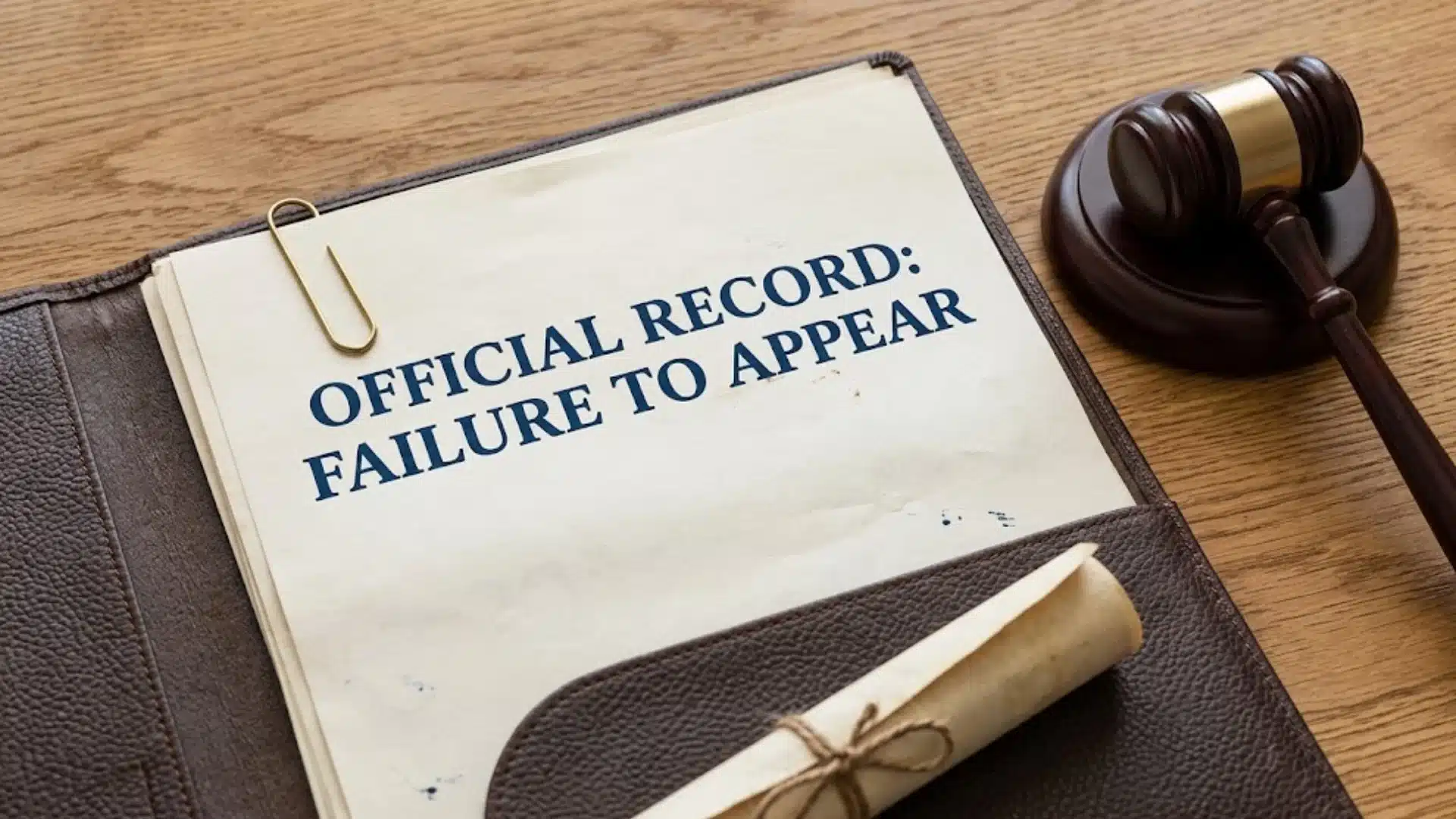
When someone misses a scheduled court date, the court does not simply move on. In Nevada, a bench warrant is often issued the same day, particularly for serious offenses or repeat failures to appear.
For minor matters, a judge may give short notice before acting, but that window is narrow.
Several factors shape how a court responds:
- The severity of the original charge
- Whether the absence appears intentional or accidental
- Prior history of missed appearances
- Whether the person is out on bail or released on their own recognizance
Once a warrant is active, a routine traffic stop, a visit to a government office, or any police contact can result in immediate arrest.
Types of FTA Warrants
Missing a court date can lead to different types of warrants. Understanding the distinction helps you respond appropriately, prevent further trouble, and take the right steps.
1. Bench Warrant
A bench warrant is issued directly by the court when someone fails to appear for a scheduled hearing, typically for minor or non-violent matters.
It serves as the court’s way of enforcing compliance without involving immediate police action.
While it doesn’t usually result in instant arrest, it signals the court’s seriousness and can complicate future court dealings if left unaddressed.
Addressing a bench warrant promptly can often prevent escalation and additional legal consequences.
2. Arrest Warrant
An arrest warrant is usually issued for more serious offenses or when the court suspects intentional avoidance of a hearing.
It grants law enforcement the authority to detain the person immediately, even during routine interactions.
Ignoring an arrest warrant can make the situation more severe, including higher bail amounts, possible detention, and negative effects on ongoing or future cases.
Acting quickly can help resolve the matter and minimize long-term complications. You can learn more about handling this situation in our FTA Arrest guide
What Happens After a Warrant is Issued?
Once a warrant is active, several things can happen quickly. Understanding these outcomes helps you respond and limit further complications.
| What happens | What it means for you |
|---|---|
| Law enforcement authorization | Officers can detain you during any stop or investigation |
| Possible detention | You may be held until a hearing, depending on the warrant type |
| Bail modifications | Courts can increase bail, change conditions, or deny release |
| Impact on your case | Judges may view you less favorably in ongoing or future proceedings |
| Court records updated | The warrant becomes part of your public court record |
How to Resolve an FTA Warrant
Once you learn about a warrant, taking action quickly is key. Knowing the right steps can help minimize legal trouble, protect your rights, and prevent the situation from getting worse.
1. Contact the Court
The first step is usually to reach out to the court that issued the warrant. You can confirm the exact details of the warrant, check upcoming hearing dates, and ask about available options for voluntarily appearing.
Acting proactively may allow you to resolve the issue without immediate law enforcement involvement, which can prevent additional complications, arrests, or even extra charges.
Prompt communication with the court can make a significant difference in how the situation unfolds.
2. Hire an Attorney
A lawyer experienced in handling FTA warrants can provide crucial guidance throughout the process.
They can negotiate with the court, request reduced bail, or work to have the warrant quashed if a valid reason exists for missing the hearing.
Legal representation helps ensure all procedural requirements are met, limits potential errors, and often improves the overall outcome. Having an attorney involved can make the process less stressful and more efficient.
3. Voluntary Appearance
Turning yourself in voluntarily shows the court that you are taking responsibility for the missed appearance.
This can reduce the risk of harsher penalties, influence the judge to set reasonable bail, and improve your chances of release while resolving the case.
Voluntary action also demonstrates cooperation and may positively affect how the court handles any ongoing or related matters connected to the original charge.
4. Address the Original Case
While resolving the warrant, it’s important to also handle the underlying case at the same time.
Taking care of both matters together can prevent additional court dates, avoid extra fines, and streamline the legal process.
Addressing the original case promptly helps limit the overall impact on your record and ensures the court sees that you are making a serious effort to resolve the situation responsibly.
Long-Term Effects of an Unresolved FTA Warrant
Ignoring an FTA warrant can have consequences that go beyond the immediate legal issues. Understanding these long-term effects helps you take action early.
- Employment Checks and Background Reports: An active warrant or unresolved court matter may appear during background screenings. This can affect job opportunities, promotions, or eligibility for certain positions.
- Travel Restrictions: Some warrants can limit your ability to travel, especially internationally. Airports or border checks may flag unresolved legal issues, preventing trips or visas.
- License Issues: Traffic-related FTA warrants can impact your driver’s license status. Suspension or delayed reinstatement may occur until the matter is resolved with the court and DMV.
- Pattern of FTA Warrants: Repeated missed appearances and warrants on record can influence how judges handle future cases, including higher bail amounts or stricter release conditions.
- Financial Penalties: Unresolved warrants may lead to accumulating fines, court fees, or even additional charges, increasing the overall financial burden over time.
- Legal Record Complications: An unresolved warrant can complicate future legal matters, making it harder to negotiate settlements, plea deals, or even court-approved programs
Conclusion
Dealing with a court-issued warrant can feel overwhelming, but taking quick action makes a big difference. Ignoring the problem rarely helps and often makes the situation more complicated over time.
In this blog, we’ve covered what an FTA warrant is, the types of warrants, how courts respond to missed appearances, steps for resolving a warrant, and the long-term effects if it’s left unresolved.
Knowing these details can help you act responsibly and avoid added penalties, arrests, or complications in future cases.
If you find yourself facing a warrant, contacting the court promptly or working with an attorney can make the process smoother and prevent unnecessary stress.
What steps will you take today to address any pending court matters? Share your thoughts or questions in the comments below.
Frequently Asked Questions
Can an FTA Warrant Be Issued for Missing a Traffic Court Appearance?
Yes, even minor traffic violations can lead to an FTA warrant if the court notices you missed the scheduled hearing. The court may take action to ensure compliance, which can include fines, license holds, or law enforcement involvement.
How Long Does an FTA Warrant Stay Active?
An FTA warrant generally remains active until it is resolved by appearing in court, having it recalled by a judge, or taking steps through a lawyer. There is no automatic expiration, so unresolved warrants can continue indefinitely.
Can Resolving an FTA Warrant Prevent Additional Criminal Charges?
Addressing a warrant quickly can help prevent extra charges from being added. Courts may show leniency if you act proactively and explain the reason for the missed appearance.