

FTA arrest is often more serious than people realize. Even a single missed appearance can trigger law enforcement action, and the consequences can escalate quickly if it’s not addressed.
Understanding how an FTA arrest works and what steps to take immediately can make a big difference in managing the situation.
In this blog, I’ll explain what an FTA arrest is, how it differs from related legal issues like warrants or charges, and what happens during the arrest process.
You’ll also learn practical actions to take after an arrest, the potential consequences, and strategies to resolve the matter efficiently.
By the end, you’ll have a clear roadmap for responding effectively if this happens to you or someone you know.
What is an FTA Arrest?
An FTA (Failure to Appear) arrest happens when law enforcement detains someone for failing to appear in court as ordered.
Unlike an FTA charge, which is just a record of a missed appearance, an FTA arrest involves immediate legal action and can result in being taken into custody.
Law enforcement usually acts after the court issues a warrant following the missed hearing. Officers may locate the person during routine stops, investigations, or at their residence.
It is worth understanding the difference between an FTA charge and an FTA arrest, since the legal exposure and required response differ significantly between the two.
Once found, the individual is taken into custody, booked, and informed of their rights.
The process is designed to ensure compliance with the court’s orders and keep legal proceedings moving.
Common Situations that Lead to an FTA Arrest
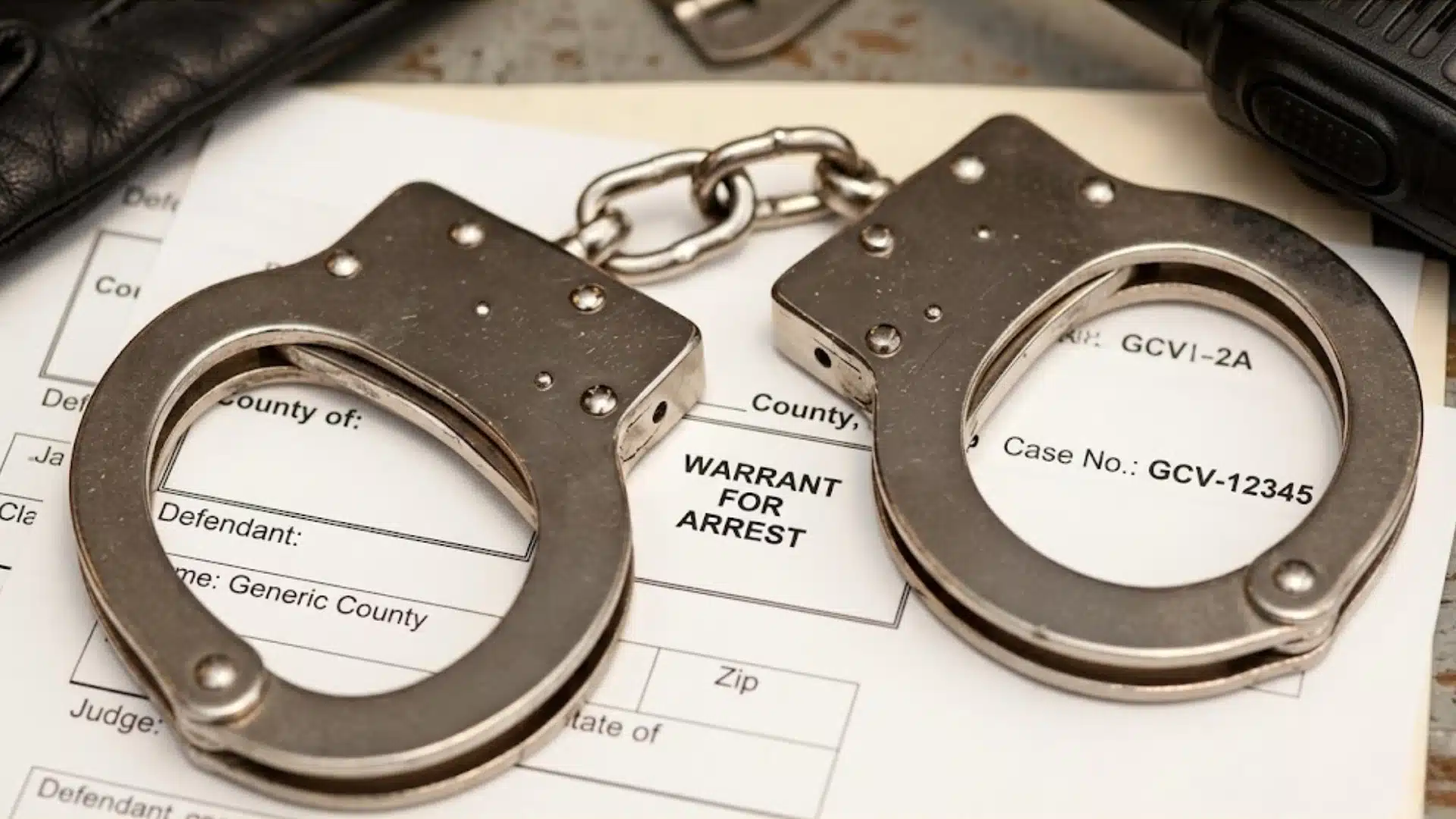
Courts understand that people miss court dates for real reasons. Medical emergencies, miscommunication about dates, family crises, and even clerical errors all happen.
None of those reasons automatically prevents a bench warrant from being issued, but they can matter later when a judge decides how to handle the case.
The situations most likely to trigger fast law enforcement action include:
- Missing a scheduled hearing in a criminal case, even for a misdemeanor
- Skipping a probation or parole check-in appointment
- Failing to appear after being released on bail or bond
- Repeated missed appearances, which courts treat as deliberate avoidance
- Cases involving public safety or serious felony charges, where courts typically act the same day
Traffic-related FTAs often move slightly slower, but they still result in license suspension notifications from the Nevada DMV and can escalate to arrest if left unresolved.
How Does an FTA Arrest Work?
Understanding the steps involved in an FTA arrest can help reduce stress and prepare you to respond appropriately if it happens.
1. Locating and Detaining
Law enforcement begins by locating the person named in the warrant, which may happen during a routine traffic stop, at home, or as part of an investigation.
Once found, officers will detain the individual to ensure they appear before the court.
Detention can occur immediately, and the goal is to enforce the court’s order while maintaining safety for everyone involved.
Understanding this step helps you see why cooperation is important and why delays or avoidance can escalate the situation.
2. Booking and Processing
After being detained, the person is taken to a police station for booking, which involves several formal procedures.
This includes recording personal information, taking fingerprints and photographs, and entering the arrest into official records.
Booking also documents the arrest for the court and determines bail eligibility.
Knowing what happens during booking can reduce anxiety, help you stay calm, and prepare for the next steps in the legal process, including hearings and court appearances.
3. Rights Upon Arrest
Immediately upon arrest, you have certain legal rights that protect you. These include the right to remain silent, the right to speak with an attorney, and the right to be informed about the charges.
Exercising these rights carefully ensures law enforcement follows proper procedures and helps prevent statements that could complicate your case.
Being aware of your rights from the beginning can significantly influence bail decisions, how the court views your cooperation, and the overall handling of the underlying charges.
How Does FTA Work in Colorado?
Colorado courts treat failure to appear as contempt of court. Because you were ordered to appear and disobeyed that order, the court treats the absence as a direct violation, even if the reason was genuine.
The governing statutes are:
- C.R.S. § 16-2-110: Authorizes a bench warrant when a person served with a summons fails to appear in person or by counsel.
- C.R.S. § 16-4-204: Addresses bench warrant issuance specifically in connection with failure to appear after release.
- C.R.S. § 18-8-212: Makes failure to appear a separate criminal offense in certain circumstances.
There is no statute of limitations on an FTA warrant in Colorado. A warrant issued today will still be active 5 or 10 years from now unless a court formally recalls it.
Consequences of an FTA Arrest
An FTA arrest can have immediate and lasting effects. Understanding these consequences helps you respond appropriately and minimize future complications.
- Potential Jail Time and Fines: Depending on the severity of the original charge and your court history, an FTA arrest can lead to jail time, additional fines, or both. Courts often treat missed appearances seriously, especially if they appear intentional.
- Revoked bail or bond: If you were out on bond, the court can revoke your release and require you to remain in custody until the case resolves.
- License suspension: Traffic-related FTAs typically trigger a notification to the Nevada DMV, which may suspend driving privileges until the matter is cleared.
- Added Criminal Charges: In some cases, failure to appear can result in new charges being filed, further complicating your legal situation.
- Long-Term Record Implications: An FTA arrest stays on your record and can affect future court proceedings, employment background checks, and overall legal history.
FTA as a Separate Criminal Charge in Colorado
One of the most important things Colorado residents need to understand: failure to appear is not just a procedural problem.
Under C.R.S. § 18-8-212, it can be charged as a separate criminal offense on top of your original charges.
The classification depends on the underlying case:
- Class 6 Felony: if your underlying charge is a felony. This carries potential prison time and a permanent felony record.
- Class 2 Misdemeanor: if you fail to appear for a court date where victims or witnesses were present and waiting.
- Contempt of Court: applies broadly when Colorado does not file a new FTA crime, but the court still treats the absence as a violation of its order.
This means a misdemeanor case can escalate into felony-level exposure simply because of a missed court date. The original charge does not go away; the FTA charge is added on top of it.
Immediate Actions After an FTA Arrest
The first call after an FTA arrest should be to a criminal defense attorney, not a family member or bail bondsman.
An attorney can communicate with the court, review the original case, and begin building a strategy before the first post-arrest hearing.
Time lost after an FTA arrest tends to narrow your options, not preserve them.
If there is still an active FTA warrant, your attorney may be able to address that separately from the arrest itself, especially if the warrant preceded the detention.
After an FTA arrest, courts reassess bail. The original conditions may be revoked, the amount may increase, or the judge may deny release entirely until the underlying case is resolved.
Your attorney can argue for reasonable conditions at this hearing, which is why having representation before it happens matters.
How to Resolve an FTA Arrest?
After an FTA arrest, taking the right steps promptly can prevent further legal complications and help resolve the matter efficiently. The first step is to attend all court appearances after arrest.
Showing up on time demonstrates responsibility to the court and can positively influence decisions on bail, sentencing, or additional penalties.
Working with a lawyer is equally important. Lawyer strategies to minimize penalties may include negotiating lower fines, requesting reduced bond conditions, or presenting valid reasons for the missed court date.
Skilled legal guidance ensures all procedures are followed correctly and can limit the overall impact on your record.
Finally, taking proactive steps helps prevent escalation and future FTA issues.
This includes addressing the underlying case promptly, staying aware of upcoming court dates, and maintaining communication with legal counsel to avoid repeat problems.
Repeat failures to appear are treated as a pattern of non-compliance and typically result in significantly harsher consequences than a first offense.
Acting quickly improves the chances of a smoother resolution.
Conclusion
Dealing with a missed court appearance can be stressful, but acting quickly is essential to prevent further legal trouble.
Ignoring the situation rarely helps and can make matters worse, including higher fines, longer detention, or additional charges.
Understanding these steps empowers you to respond responsibly and limit the impact on your record.
If you find yourself facing an FTA arrest, contacting the court or a lawyer promptly can help protect your rights and streamline resolution.
What steps will you take today to address pending court matters? Share your experiences or questions in the comments below.
Frequently Asked Questions
Can an FTA Arrest Affect Probation or Parole?
Yes, an FTA arrest can impact current probation or parole terms. Courts may view missed appearances as a violation, potentially leading to stricter supervision or additional hearings.
Is It Possible to Attend Court Remotely After an FTA Arrest?
Some jurisdictions may allow virtual or remote court appearances after an arrest, depending on the type of case and local court rules. Approval usually requires prior notice and permission from the judge.
Can Posting Bail Immediately End the FTA Arrest Consequences?
Posting bail allows temporary release, but it does not erase the FTA arrest from your record. You must still attend all scheduled court appearances and resolve the underlying case.