
July 22, 2026
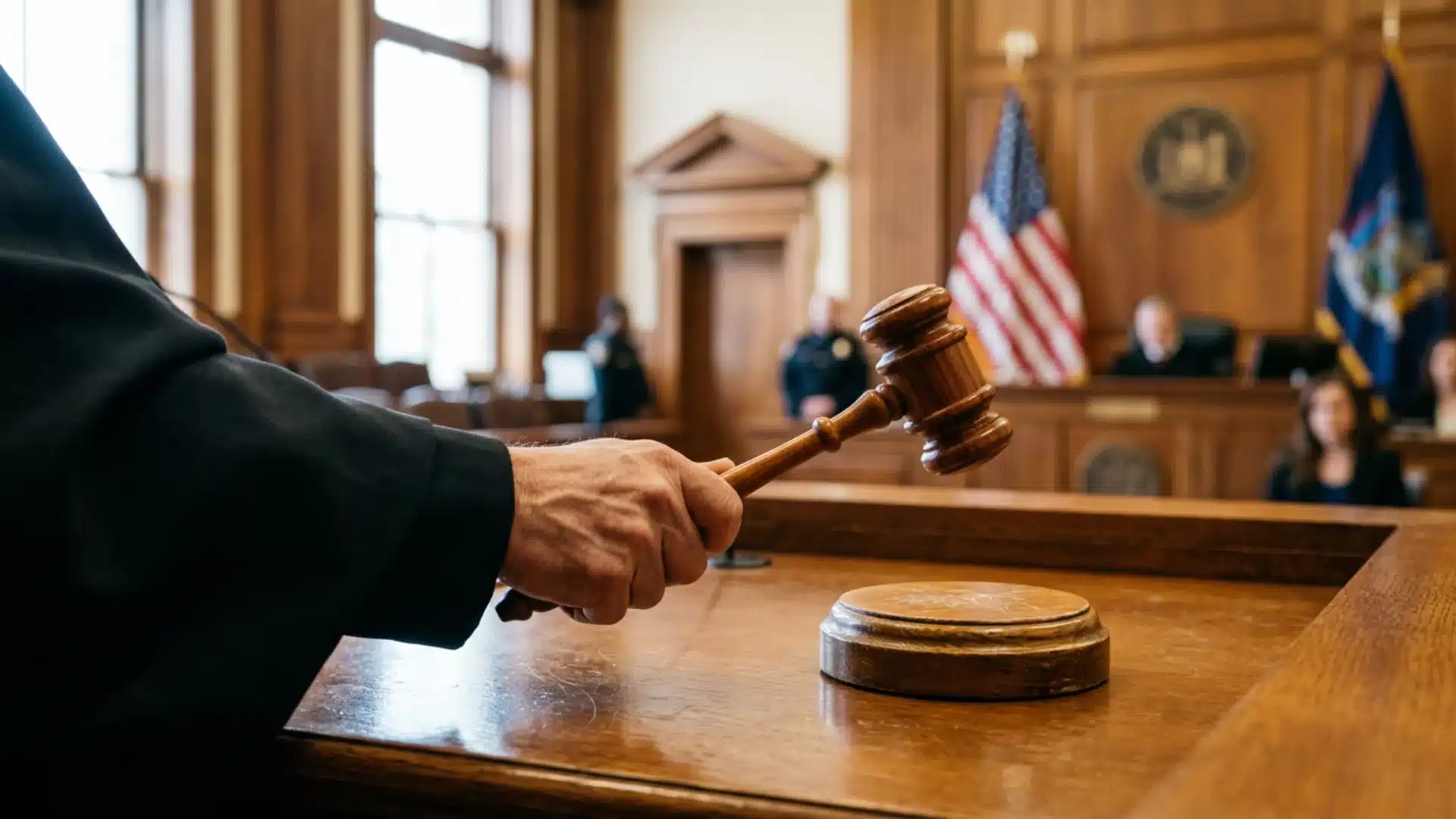
If you’re wondering what happens after an indictment, you’re not alone. An indictment is a formal criminal charge, not proof of guilt. Understanding what comes next can help you make sense of the process and the decisions ahead. When I first started learning about criminal cases, one of the biggest misconceptions I encountered was that an indictment meant the case was already over. In reality, understanding what it means to be indicted is only the beginning. After an indictment, a case typically moves through several stages, including arrest or surrender, arraignment, bail hearings, exchange of evidence, pretrial motions, and potentially a plea deal or trial. Knowing the difference between indicted vs convicted is critical because an indictment starts a case, while a conviction is reached only after guilt is established through the legal process. What Does Being Indicted Mean? An indictment is a formal criminal accusation issued by a grand jury after it finds enough evidence to support charges. The grand jury reviews evidence the prosecutor presents and decides whether probable cause exists. If so, it returns a “true bill.” If not, it returns a “no bill,” and no charges are filed. At the federal level, the Fifth Amendment requires most felony charges to come from a grand jury indictment. State procedures vary, some allow prosecutors to file charges directly through a complaint or information instead. Grand jury proceedings are also secret. Because only the prosecutor presents evidence, the accused generally cannot testify, present a defense, or cross-examine witnesses. That is why indictments are issued at the probable cause standard, not proof beyond a reasonable doubt. Indicted vs. Convicted: Why the Difference Matters Being indicted and being convicted are not the same thing, though the two are commonly confused. An indictment moves a case forward. A conviction decides it. Indicted Convicted Issued […]
After an accident, unsafe work incident, careless mistake, or even a close call, it is normal to wonder whether the
Getting released from jail may seem as simple as paying the amount a judge sets. I used to think the
A courtroom victory can feel final, especially after months of stress, uncertainty, and legal costs. I have seen that relief

A teenager’s death inside his home can expose one family’s violence. It can reveal missed warnings, broken safeguards, and a court record that becomes harder to read with every page. The Timothy Ferguson case carries that kind of weight because the abuse described at trial was prolonged, deliberate, and hidden behind closed doors. At the center was Shanda Vander Ark’s son, a 15-year-old boy whose final months became the focus of one of Michigan’s most disturbing child abuse prosecutions. His mother’s conviction and life sentence answered part of the legal question, but not all of it. Here’s what happened to Timothy Ferguson, how the criminal case against Shanda Vander Ark played out, where things stand today, and what his death has meant for the ongoing debate over child welfare oversight in Michigan. Who Was Shanda Vander Ark’s Son, Timothy Ferguson? Timothy Ferguson was 15 when he died in July 2022 after living with his mother, Shanda Vander Ark, in Norton Shores, Michigan. He had autism, along with speech and motor impairments that meant he needed consistent care, patience, and daily support. Timothy had moved into the home in 2021, where he lived with his mother, stepfather, older brother Paul, and a younger half-brother. By the time of his death, he was being homeschooled rather than attending school in person. That decision later became a major part of the case because it reduced his contact with teachers, staff, and other adults who might have noticed signs of abuse earlier. His disabilities and isolation became important factors during the investigation and trial. The Criminal Case Against Shanda Vander Ark On July 6, 2022, Norton Shores police responded to a report of a “suspicious death” at the family’s home. Officers found Timothy’s body with visible signs of abuse. An autopsy later determined that […]

When a public figure spends years helping others solve problems, people naturally pay attention when legal and financial trouble reaches their own doorstep. That is exactly why this story has drawn so much interest. If you ask me, the most interesting part is not the bankruptcy itself but what happened after the paperwork was filed. The Dr. Phil bankruptcy case quickly became more than a business restructuring. Court hearings, allegations of bad faith, and questions about deleted evidence changed the direction of the proceedings. Each development added another layer to a case that kept growing more complex. Understanding the full timeline makes it much easier to see why the court ultimately decided liquidation was the only appropriate outcome. What Led to the Dr. Phil Bankruptcy Case Merit Street Media began as a joint venture in late 2023. Trinity Broadcasting Network owned 70 percent, while Dr. Phil McGraw’s Peteski Productions held the remaining stake. TBN agreed to provide distribution and production support, while Peteski supplied original shows led by a new Dr. Phil primetime program. The network launched on April 2, 2024, with access to about 80 million homes. The business soon struggled. Primetime ratings averaged roughly 27,000 viewers in 2024. Merit Street laid off about 40 employees in August 2024, followed by more cuts in June 2025 when the flagship show was paused to reduce costs. After outside funding efforts failed, Peteski provided an $8 million bridge loan. The money kept the company operating temporarily, but it did not solve its financial problems. On July 2, 2025, Merit Street filed for Chapter 11 bankruptcy protection, which allowed it to continue operating while it attempted to reorganize its debts. That same day, the company sued TBN. Merit Street claimed its controlling shareholder had shifted more than $100 million in costs onto […]