I have watched plenty of renters, and landlords assume an eviction moratorium means the same thing everywhere, and that mix-up costs people real money and real time.
It never erases unpaid rent, and it never lasts forever.
During the pandemic, federal, state, and local governments each rolled out their own version, on their own timeline, with their own rules for who qualified.
Most of those orders ended years ago, yet outdated pandemic advice still circulates online and leads people to make bad decisions about a notice they just received.
Here is what these orders actually covered, why they ended, and what still applies to your situation today.
What is an Eviction Moratorium?
An eviction moratorium is a temporary government order that stops landlords from evicting tenants during declared emergencies, using emergency powers over normal housing enforcement rules.
While a moratorium remains active, landlords cannot file, continue, or carry out an eviction against covered tenants, making it stronger than a delay.
Coverage depends on the order itself because each moratorium defines qualifying tenants, included housing types, and the eviction grounds that are temporarily paused under it.
For example, a non-payment moratorium may not cover lease violations or property damage. Protection comes from the order’s exact scope, not its existence by itself.
What Does an Eviction Moratorium Cover?
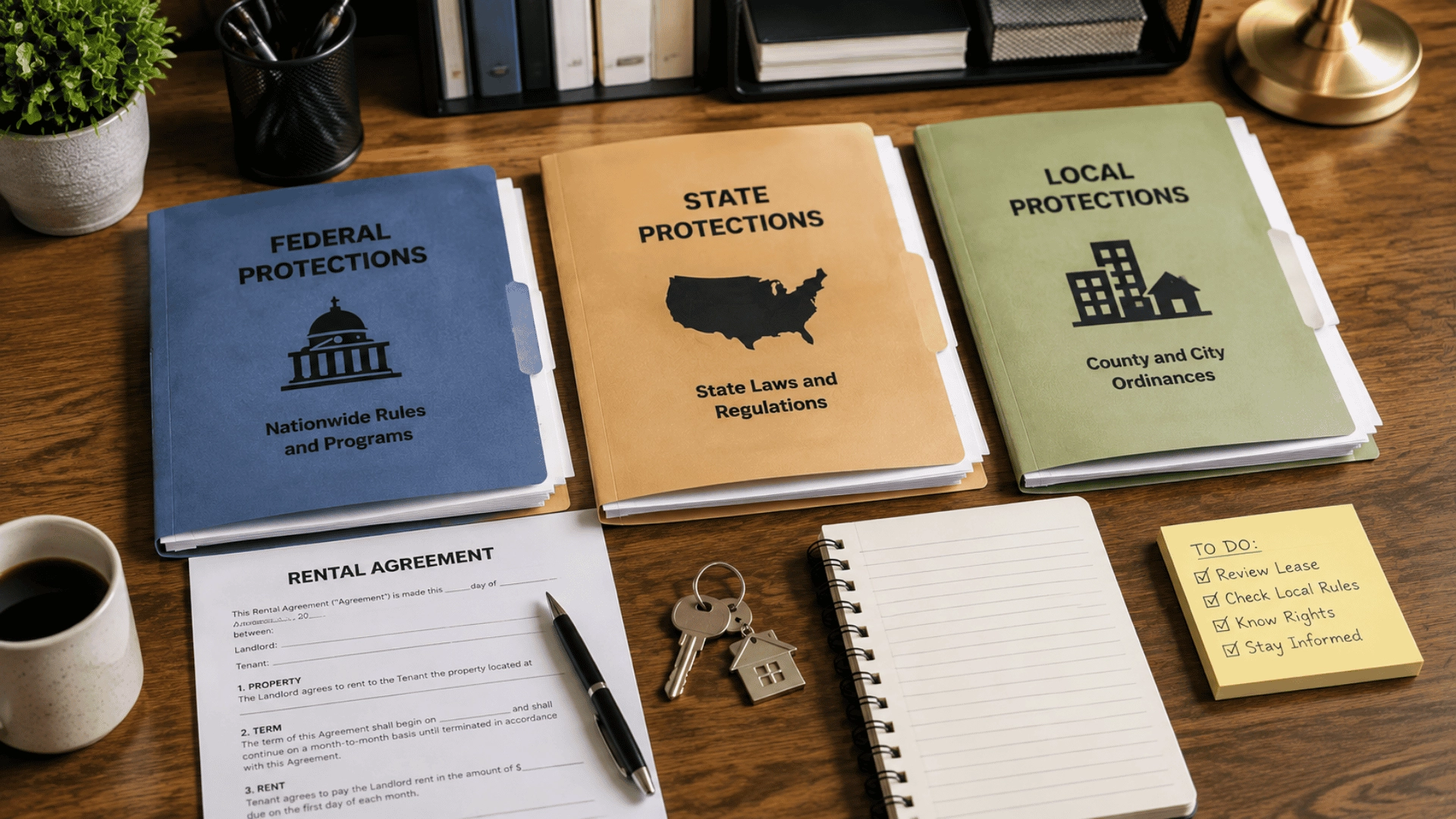
An eviction moratorium can cover federal, state, or local eviction actions, and coverage always depends on which order applies and who issued it.
Protections never came from one unified source. Instead, they layered across federal, state, and local governments, each acting on its own timeline and authority.
Which Tenants Qualify?
Most moratoria cover non-payment evictions specifically. If you’re behind on rent because of financial hardship, that’s the ground most orders protect against.
But coverage isn’t automatic. During the CDC moratorium, tenants had to sign and deliver a hardship declaration directly to their landlord.
That declaration required you to attest, under penalty of perjury, that COVID had caused your income loss. You also had to show you’d sought rental assistance and would face homelessness if evicted.
Lease violations, property damage, and criminal activity weren’t covered. An active moratorium didn’t change that.
How Federal, State, and Local Protections Layer?
Federal, state, and city governments each have their own authority to issue emergency orders. That’s why multiple protections can be active at the same time; they come from separate sources.
The CARES Act set the first federal floor in March 2020, covering properties with federally backed mortgages. The CDC order followed in September of that year with broader coverage.
Cities can then layer their own rules on top.
They don’t expire together either. When the Supreme Court struck down the CDC order in August 2021, the federal floor disappeared.
But tenants in Los Angeles and New York kept their protections. Those were issued independently and stayed in force on their own terms.
So “the moratorium ended” means different things depending on where you live.
Federal expiration doesn’t cancel state rules, and state expiration doesn’t cancel city rules. Each layer has to fall separately.
What an Eviction Moratorium is Not
An eviction moratorium is often misunderstood as a way to stop rent payments or permanently prevent evictions. In reality, it only provides temporary protection under specific rules.
- Not a permanent eviction ban: It only pauses certain eviction actions for a limited time and does not prevent future legal action once protections end.
- Does not erase unpaid rent: Tenants still owe rent that builds up during the moratorium period. The pause affects eviction timing, not the underlying debt.
- Does not stop evictions forever: Landlords can restart eviction proceedings after protections expire by following standard legal procedures.
- No active federal moratorium today: The last nationwide order ended in 2021, and no federal replacement has been issued.
- The federal order was challenged in court: In August 2021, the Supreme Court ruled that the CDC exceeded its legal authority when creating the order.
- A new federal moratorium needs approval: Future nationwide protections would require specific legal authority from Congress, not a simple extension.
- State and local rules ended separately: Most pandemic-era local protections expired on their own schedules, though some areas have since passed new, narrower ones in response to different emergencies.
Understanding what these orders do helps separate a temporary pause from permanent relief.
Pandemic-era protections have ended in most places, though newer, narrower orders still appear when local emergencies call for them.
If your landlord has grounds like breaching your lease, an active moratorium likely won’t stop the case.
Why Governments Enact Eviction Moratoria?
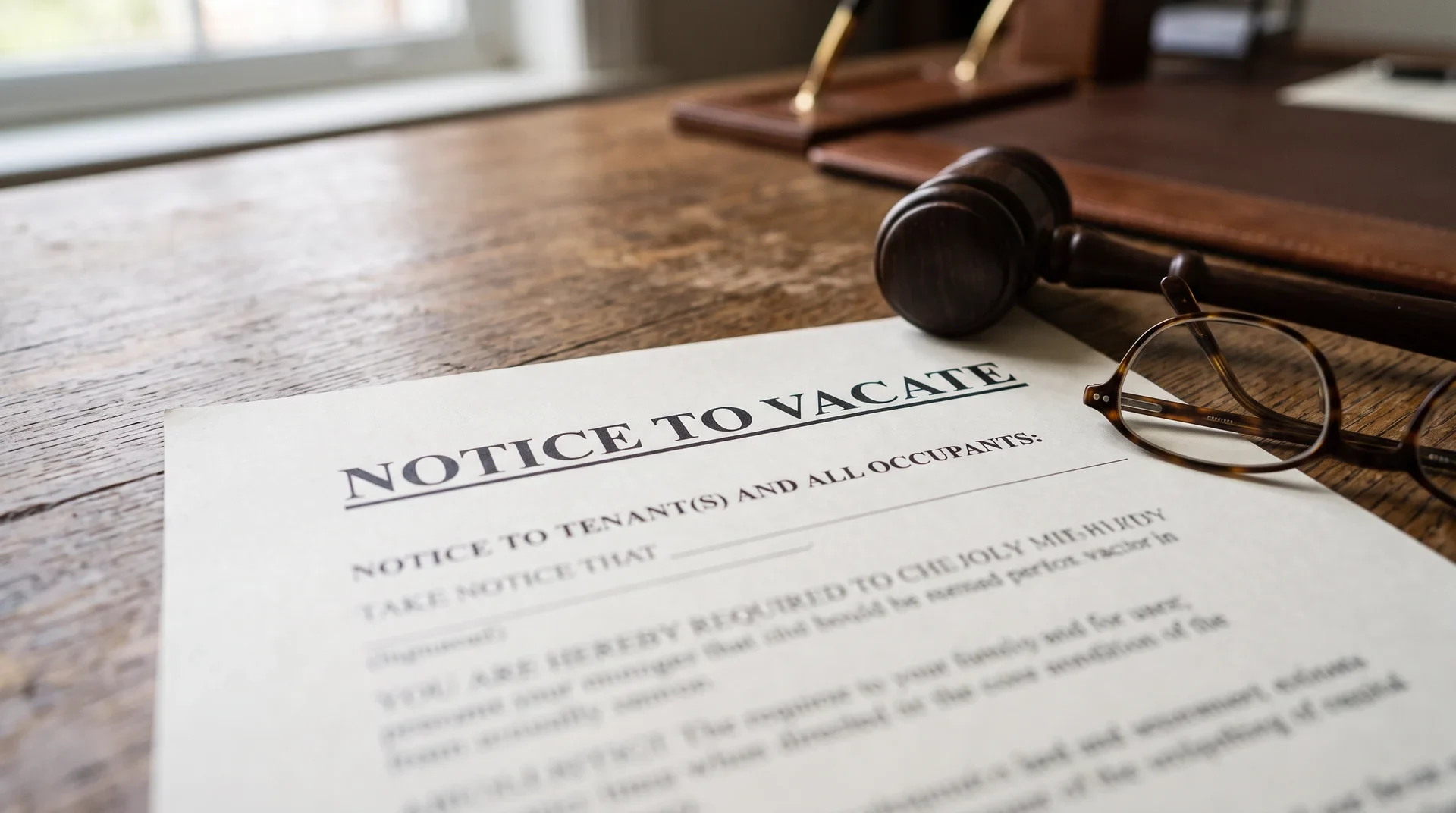
The policy logic starts with scale. One eviction is a private contract dispute. A million of them during a crisis is a public infrastructure problem.
When evictions spike during a crisis, the costs don’t stay contained.
Shelter systems get overwhelmed. People displaced from stable housing face higher exposure to illness. Neighborhoods destabilize.
Governments weigh that collective cost against the disruption to individual landlord contracts. Most of the time, during a declared emergency, the scale tips toward intervention.
Why Eviction Moratoria Face Legal Challenge
Property owners challenge moratoria on constitutional grounds, and the argument is grounded in the Fifth Amendment.
The Fifth Amendment says the government cannot take private property for public use without just compensation. Property owners argue a moratorium does exactly that.
You’re forcing them to provide housing, a service with real financial value, while receiving nothing in return. The government didn’t pay them. It just issued an order.
That argument drove the litigation wave after 2021. Courts have varied on how far emergency powers extend before they cross into a compensable taking. It hasn’t been fully resolved.
Then there’s what happens when a moratorium ends. Lifting protections without addressing accumulated debt can produce the opposite of the policy’s goal.
Tenants who stayed housed for 18 months may owe more than they can pay. That debt becomes eviction grounds immediately.
When a moratorium ends, matters as much as whether one exists. That decision shapes what actually happens to the people the policy was meant to protect.
Are New Eviction Moratoriums Appearing Today?
The nationwide pandemic order is gone, but local and state governments still create narrower moratoriums when a specific emergency justifies one.
Los Angeles County adopted a countywide moratorium in February 2025 covering renters affected by regional wildfires, with a repayment window that runs through July 2026.
Atlanta paused evictions and late fees for city-funded housing through January 2026 in response to a federal government shutdown.
Other jurisdictions, including Minneapolis and New York, have introduced proposals tied to extreme weather or federal enforcement activity, though these remain under consideration rather than in effect statewide.
For landlords carrying missed mortgage payments on a financed rental property, understanding the foreclosure sale process matters as much as understanding these tenant-side protections.
Because these orders can appear on short notice and apply only to specific counties or cities, check your local housing authority directly rather than assuming no protection currently exists anywhere.
Conclusion
You now know that an eviction moratorium only pauses certain eviction actions for a set period, and it never cancels the rent owed underneath.
Federal, state, and local versions ran on separate timelines, so one ending never automatically ended another, and the CARES Act and CDC orders were only two pieces of a much larger patchwork.
No federal order exists today, though counties and cities still create narrower ones when a local emergency calls for it, so checking your area matters more than trusting old headlines.
If a notice has already landed in your mailbox, do not wait. Contact a local tenant rights group or a licensed attorney before your response deadline passes.
Frequently Asked Questions
What is a Housing Moratorium?
A housing moratorium is a temporary government order pausing a specific housing action, most commonly evictions. It doesn’t cancel debts or legal obligations; it only delays enforcement for a set period. Housing moratoriums can be issued at the federal, state, or local level and typically respond to an emergency, such as a public health crisis or natural disaster.
Has There Ever Been a National Eviction Moratorium?
Yes. During the COVID-19 pandemic, the CDC issued a nationwide moratorium halting most evictions for nonpayment of rent. It was extended several times before the Supreme Court ruled in August 2021 that the CDC lacked the legal authority to impose it, ending the order. No national eviction moratorium is currently in effect.
Is There a Moratorium on Evictions in NY?
No statewide COVID-era eviction moratorium remains active in New York; those protections expired along with similar programs nationwide. Standard New York landlord-tenant law and court eviction procedures now apply. Renters concerned about eviction should check current New York State and local housing agency resources for any active tenant protections.
What Should I Do if I’m Facing Eviction and No Moratorium Applies?
Without an active moratorium, standard eviction procedures apply, so responding matters promptly. Read any notice carefully, confirm the response deadline, and attend all scheduled court dates. Local legal aid organizations and tenant rights groups can often provide free guidance specific to your state’s process and any protections still available.