If you just got a positive result or you are waiting nervously to find out, you are not alone.
Failing a drug test on probation is one of the most common ways people run into trouble with the court. It is also one of the most workable situations when handled correctly.
This breakdown explains what you are actually facing, what the legal process looks like, what steps you should follow, and what your state regulations are.
Let’s walk through what to expect, including how long alcohol stays in your system for a probation drug test, possible penalties, defenses, and state-specific issues.
What Counts as a Probation Drug Test Violation?
When a judge places someone on probation, one of the standard conditions is staying drug-free and submitting to testing.
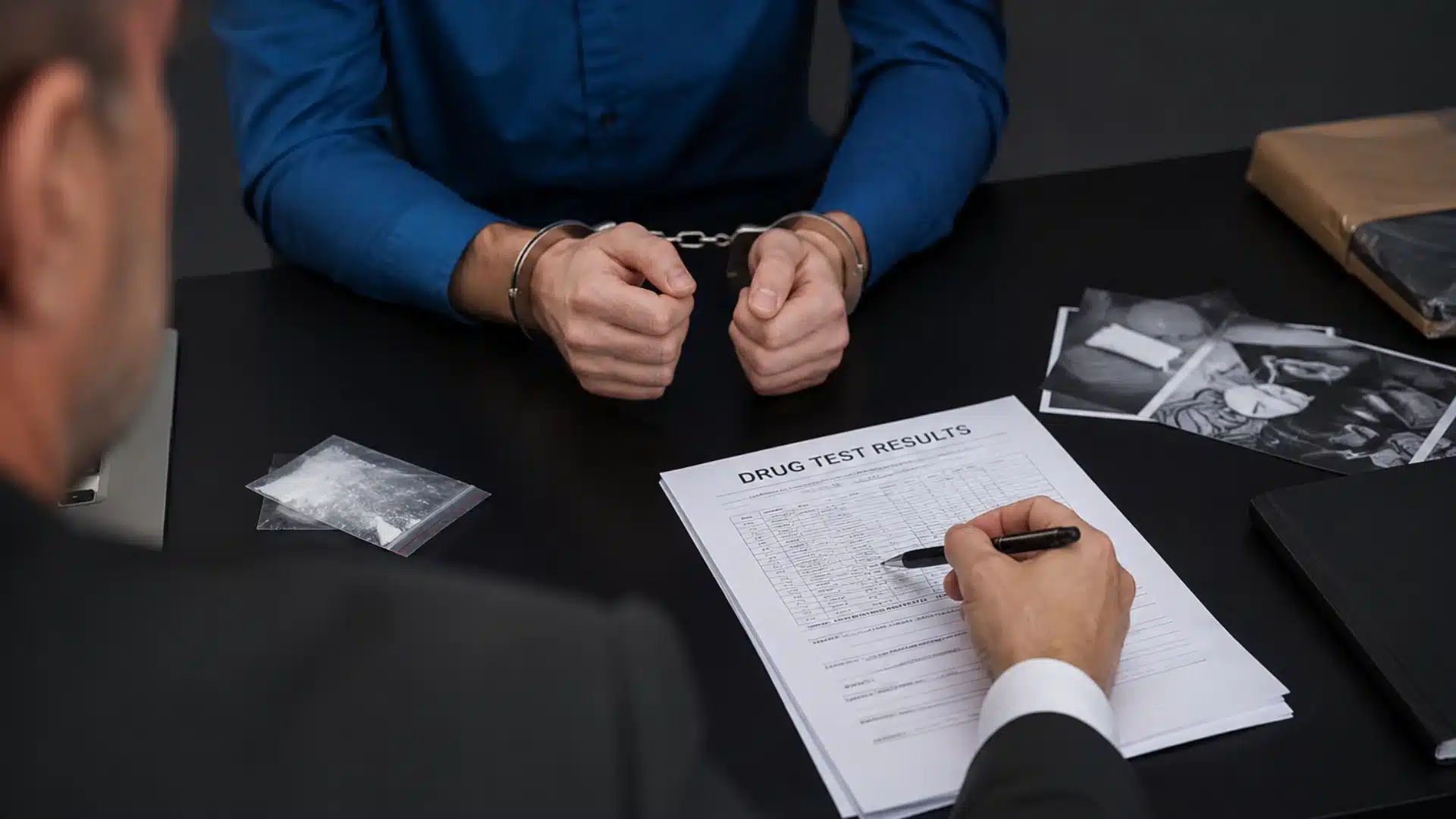
A positive result on a drug test is classified as a technical violation, which is different from a new criminal offense.
Technical violations involve breaking the rules of your supervision without picking up new charges.
That distinction matters because courts generally treat technical violations differently from new crimes, and the penalties tend to be less severe, especially for a first offense.
That said, the word “technical” does not mean minor. Courts take drug test failures seriously, and a positive result puts everything under review.
Your compliance record, your living situation, your employment, and whether you have been attending any required programs. The violation goes into your file regardless of what happens next.
Understanding the difference between probation and parole matters here, too, since the rules and consequences for a failed drug test can differ significantly between the two.
What Can Happen After the 1st Failed Drug Test on Probation?
A first failed test can lead to different outcomes. It depends on the court, probation terms, drug found, and past conduct.
1. Warning from the Probation Officer
A warning may be issued when the failed test is the first issue, and the person has complied with the other probation terms.
The probation officer may discuss the result, explain the risk, and offer a chance to get back on track.
This is more likely when the drug use seems minor, there is no new arrest, and the person is honest about what happened. Still, a warning is not guaranteed, since some officers must report every failed test.
2. More Frequent Drug Testing
After a failed test, probation may become stricter. The person may have to test more often, sometimes weekly or more. Random testing can also increase.
This helps the officer see whether drug use has stopped or continued.
More testing can feel stressful, but it may also keep the case out of court if every new test is clean. Missing one of these tests can create a bigger problem than the first failed result.
3. Drug Treatment or Counseling
A court may order drug treatment or counseling instead of sending the person to jail. This can happen when the judge sees the failed test as a substance use problem, not just bad behavior.
Treatment may include classes, group meetings, outpatient care, or regular counseling. Some courts may also require proof of attendance.
Finishing treatment can help show progress, but skipping sessions or failing more tests can make the violation look worse.
4. Extra Probation Terms
The court can add more rules after a failed drug test. These may include a curfew, community service, extra check-ins, drug classes, or limits on who the person can be around.
The goal is usually to reduce risk and keep closer control over daily conduct.
These extra terms can last for a short time or the rest of probation. Breaking any new rule can lead to another violation, even if the next drug test is clean.
5. Court Violation Hearing
The probation officer may report the failed test to the court. When that happens, the judge may set a violation hearing.
At the hearing, the court reviews the test result and any other behavior on probation. The officer may explain what happened, and the defense can respond.
The judge can continue probation, add new terms, order treatment, give jail time, or revoke probation. The final result often depends on the full record, not just one test.
Possible Penalties for a 1st Failed Drug Test on Probation
The range of outcomes is wider than most people realize, and a first failed drug test on probation rarely lands at the most severe end without other aggravating factors.
Below are the most common responses courts and probation officers use:
- Verbal or written warning: Common for first-time failures, especially when everything else on the probation record looks clean. The warning is added to your file and referenced if you fail again.
- Increased supervision: Your check-in frequency goes up, testing becomes more frequent, and your probation officer pays closer attention to your compliance overall.
- Mandatory substance abuse counseling: Courts often prefer treatment over punishment for drug-related violations. You may be required to attend outpatient counseling, drug education classes, or support group meetings.
- Probation extension: The judge can add months or years to your original term rather than revoke it.
- Inpatient or residential treatment: If the court believes you have a substance use problem that outpatient programs have not addressed, residential treatment may be ordered.
- Probation revocation: Revocation is possible even on a first failure, but it is uncommon when the rest of your record is clean. It becomes far more likely with multiple violations or when combined with other issues, such as new charges or missed court dates.
How Long Does Alcohol Stay in Your System for a Probation Drug Test?
This is one of the most-searched questions by people on probation, and the answer depends entirely on which type of test is being used.
| Test Type | Detection Window | Common Use in Probation |
|---|---|---|
| Breath Test | Up to 24 hours (depending on the amount consumed) | Used during roadside checks, probation office visits, or random alcohol screening. |
| Blood Test | Up to 12 hours | Less common for routine probation testing, but it may be ordered in specific cases. |
| Urine (Alcohol) Test | Up to 12–24 hours | Detects recent alcohol consumption but has a shorter detection window than ETG testing. |
| ETG Urine Test | Up to 24–72 hours (sometimes up to 80 hours after heavy drinking) | One of the most common probation tests because it detects alcohol metabolites long after alcohol leaves the bloodstream. |
| Hair Follicle Test | Up to 90 days | Rarely used for routine probation but may be ordered to monitor long-term alcohol use. |
Note: This section is informational only. It is not intended as a guide to timing alcohol use around testing. If alcohol is prohibited under your probation conditions, any consumption is a violation regardless of the detection window.
How Penalties Vary by State
The core process is the same everywhere: positive test, violation report, possible hearing, and the judge decides. What changes from state to state is how much flexibility the court has, what rehabilitation options exist, and how hard revocation hits.
- California: Many nonviolent drug offenders may get treatment instead of jail. Courts often have room to order rehab after a violation.
- Texas: First violations may lead to treatment or stricter supervision. Deferred adjudication cases carry a higher risk because a conviction can be entered.
- Florida: Judges have broad power after a violation. They may impose any sentence allowed for the original offense.
- New York: Drug treatment courts are common in many areas. People with substance use issues may get structured treatment instead of custody.
- Ohio: Judges may order short jail stays as a sanction. Probation can still continue after the person serves that time.
- Colorado: Courts often look at the original offense. A drug case followed by a positive test may be treated more seriously.
- Pennsylvania: A first failed test may lead to a warning or tighter supervision. Revocation is less likely for a single violation.
Note: Laws vary by state and change regularly. The information below reflects general legal frameworks and should not be taken as legal advice for your specific situation. Always consult a licensed attorney in your state.
Probation Violation Hearing: What to Expect
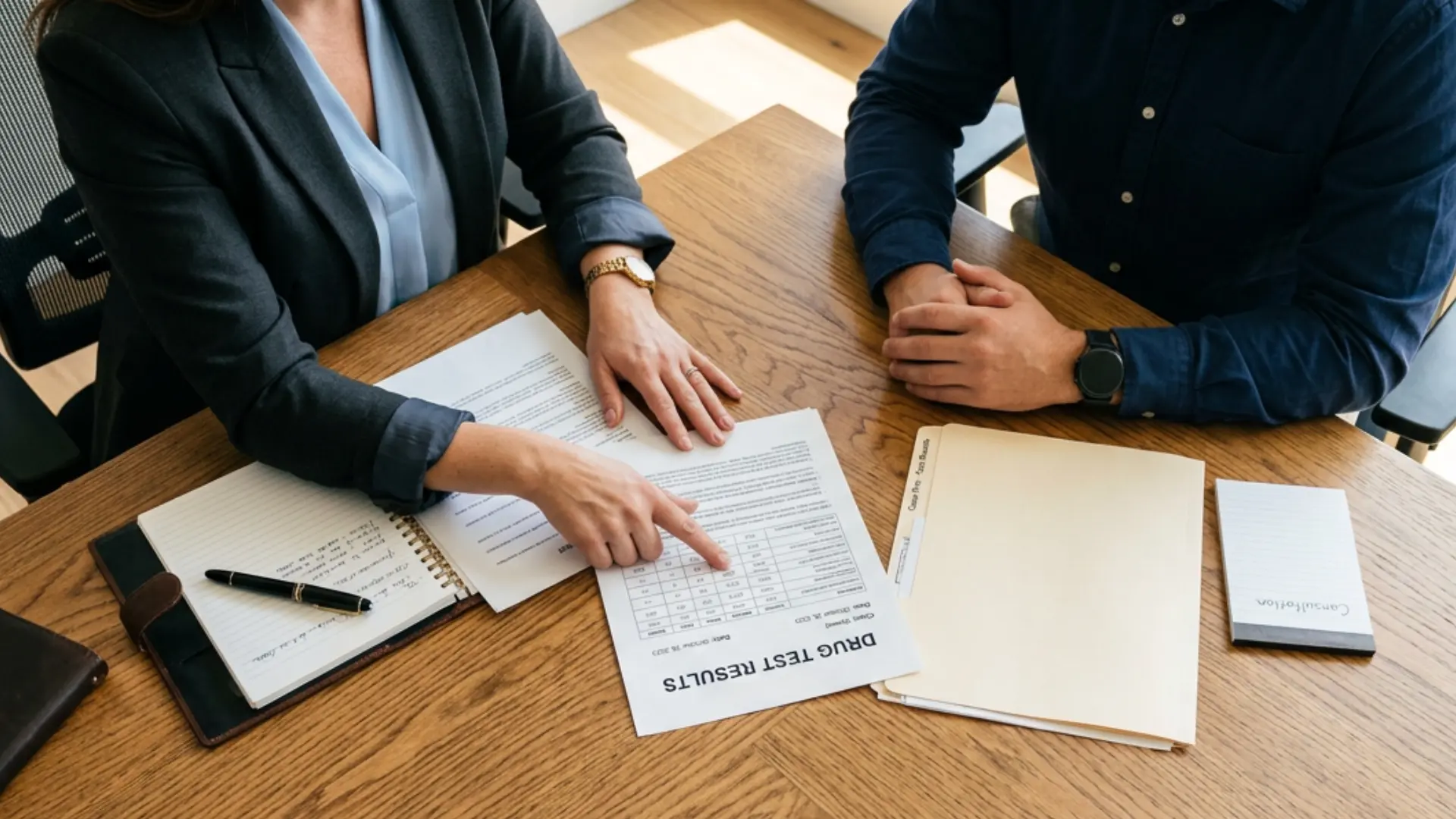
If your probation officer escalates the matter, you may have to appear at a probation violation hearing.
Unlike a criminal trial, the prosecution only needs to prove it is more likely than not that a violation occurred.
The judge who sentenced you usually presides over the hearing. You have the right to an attorney, and a public defender may be appointed if you qualify.
A private defense attorney can help negotiate with prosecutors, challenge drug test results, and present evidence showing your efforts to comply with probation.
Judges generally respond more favorably to documented proof of compliance than personal explanations alone.
After the hearing, the judge may reinstate probation, modify its terms, extend the probation period, or revoke probation and impose the suspended sentence.
Legal Defenses and Strategies After a Failed Drug Test
A positive result is not always the end of the conversation. There are legitimate defenses that attorneys raise in probation violation hearings, and some of them work.
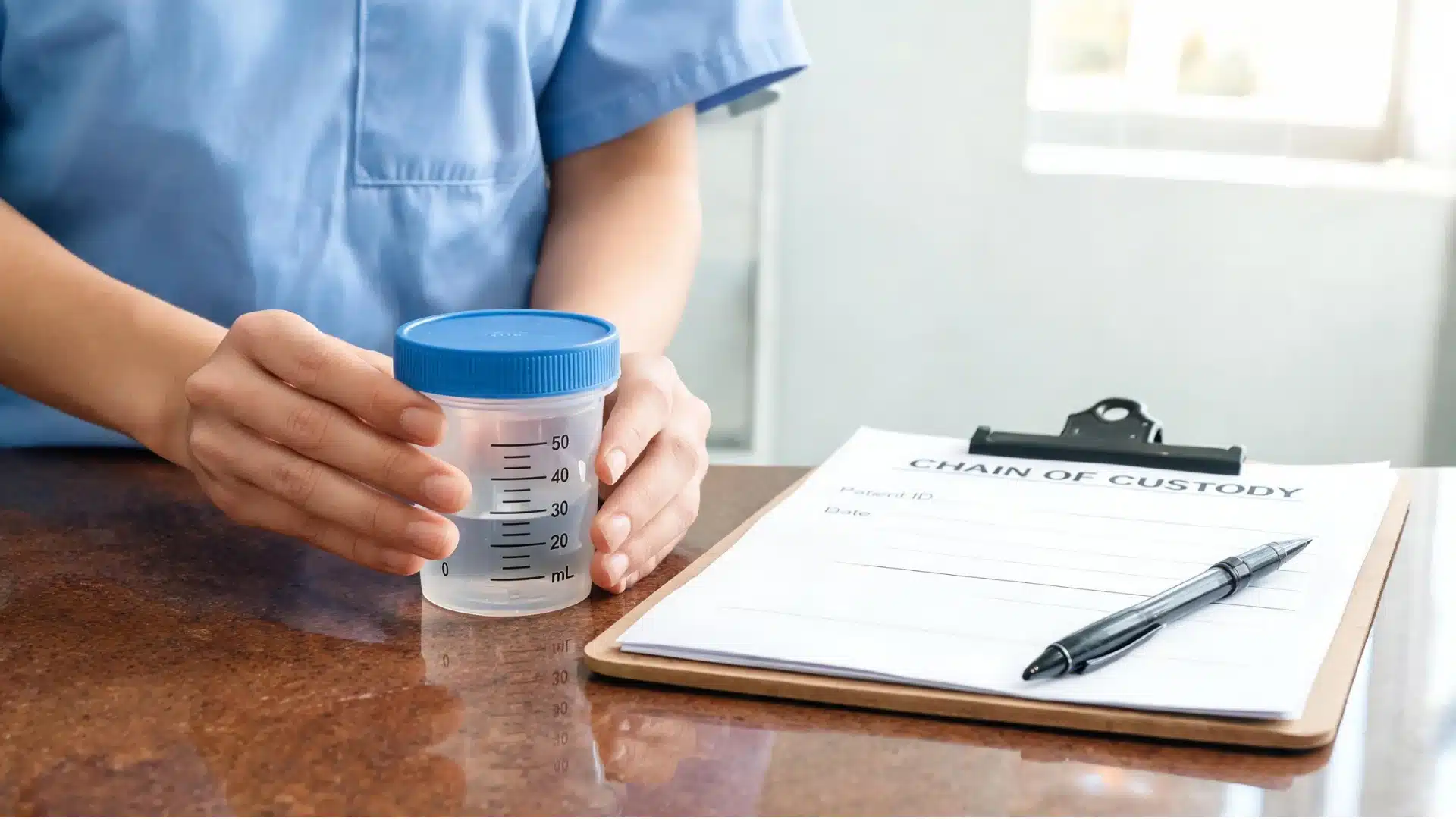
- Chain-of-custody problems: If the lab cannot prove your sample was properly handled from collection to testing, gaps in documentation can undermine the result.
- Lab errors or contamination: Even SAMHSA-certified labs make mistakes. An attorney can request confirmation testing or review the lab’s handling procedures.
- Prescription medication false positives: Some legal prescriptions can trigger positive results for opiates or amphetamines. Medical records and your doctor’s documentation can support your case.
- Improper test administration: Drug tests must follow strict procedures. If the test was administered incorrectly, that procedural error may provide grounds to challenge the result.
- Voluntary entry into treatment: Not a legal defense, but entering treatment before being ordered to do so often demonstrates accountability and can significantly influence a judge’s decision.
Do not discuss the violation with your probation officer, family members, or anyone else without first speaking to an attorney. What you say informally can be used against you at the hearing.
If alcohol was involved, detection windows matter. See how long a probation urine test can detect alcohol and what that means for your timeline.
What to Do vs. What Not to Do After Failing a Drug Test
A failed test is easier to manage when the person acts quickly, follows probation rules, and avoids choices that worsen the violation.
| What to Do | What Not to Do |
|---|---|
| Review the probation order to understand the exact rules and testing terms. | Do not skip the next appointment, as it can result in another violation. |
| Ask for test details, including the timing, the substance found, and the test type. | Do not lie about the test, because honesty may help your credibility. |
| Gather medical proof, such as prescriptions, doctor notes, or treatment records. | Do not keep using it because more failed tests increase the jail risk. |
| Start treatment early to show the court you are taking action. | Do not assume the first violation is harmless or automatically forgiven. |
| Speak with a local lawyer who knows your state and court process. | Do not ignore court notices, hearing dates, or probation officer calls. |
Conclusion
A failed drug test during probation can feel scary, but it does not always mean jail.
The result depends on many details, including the state, the court, the probation terms, the original charge, and the person’s past record on supervision.
Some cases may lead to a warning, more testing, treatment, or extra probation rules.
Other cases may move to a violation hearing, where the judge decides what happens next. That is why a 1st failed drug test on probation should never be ignored.
The best step is to read the probation order, collect any medical or treatment proof, and speak with a local defense lawyer before the hearing.
What part of the probation process worries you the most right now? Drop your question in the comments so we can discuss it.
Frequently Asked Questions
Can a Failed Probation Drug Test Affect Early Release from Probation?
Yes, it can. Early release from probation usually depends on good behavior, clean testing, completed programs, and full payment of court costs. A failed test may delay the court’s decision to end probation.
Can Alcohol Cause a Probation Violation Even if the Case Was Drug-Related?
Yes, it can happen if the probation order bans alcohol. Some people are ordered to avoid both drugs and alcohol, even when the original case involved only drugs. The written terms decide this.
Can the Probation Officer Change the Testing Schedule After One Failed Test?
Yes, the probation officer may change the testing schedule after a failed test. Testing may become random, more frequent, or tied to check-ins, depending on the court order and supervision rules.