Imagine a constitutional protection so effective that most Americans never have to think about it.
The Third Amendment to the U.S. Constitution is one of the least discussed parts of the Bill of Rights, but it plays an important role in protecting 3rd amendment rights related to private home occupancy and military power limits
While the forced quartering of soldiers may sound like a problem from another century, the concerns that inspired this amendment, including privacy, property rights, and limits on government power, remain relevant today.
Its influence can be seen in broader constitutional doctrines that protect the sanctity of the home and individual liberty.
Although it rarely appears in modern courtrooms, the Third Amendment continues to shape important legal principles behind the scenes.
In this blog, we examine its text, history, landmark cases, modern significance, common misconceptions, and potential relevance today.
What are the 3rd Amendment Rights?
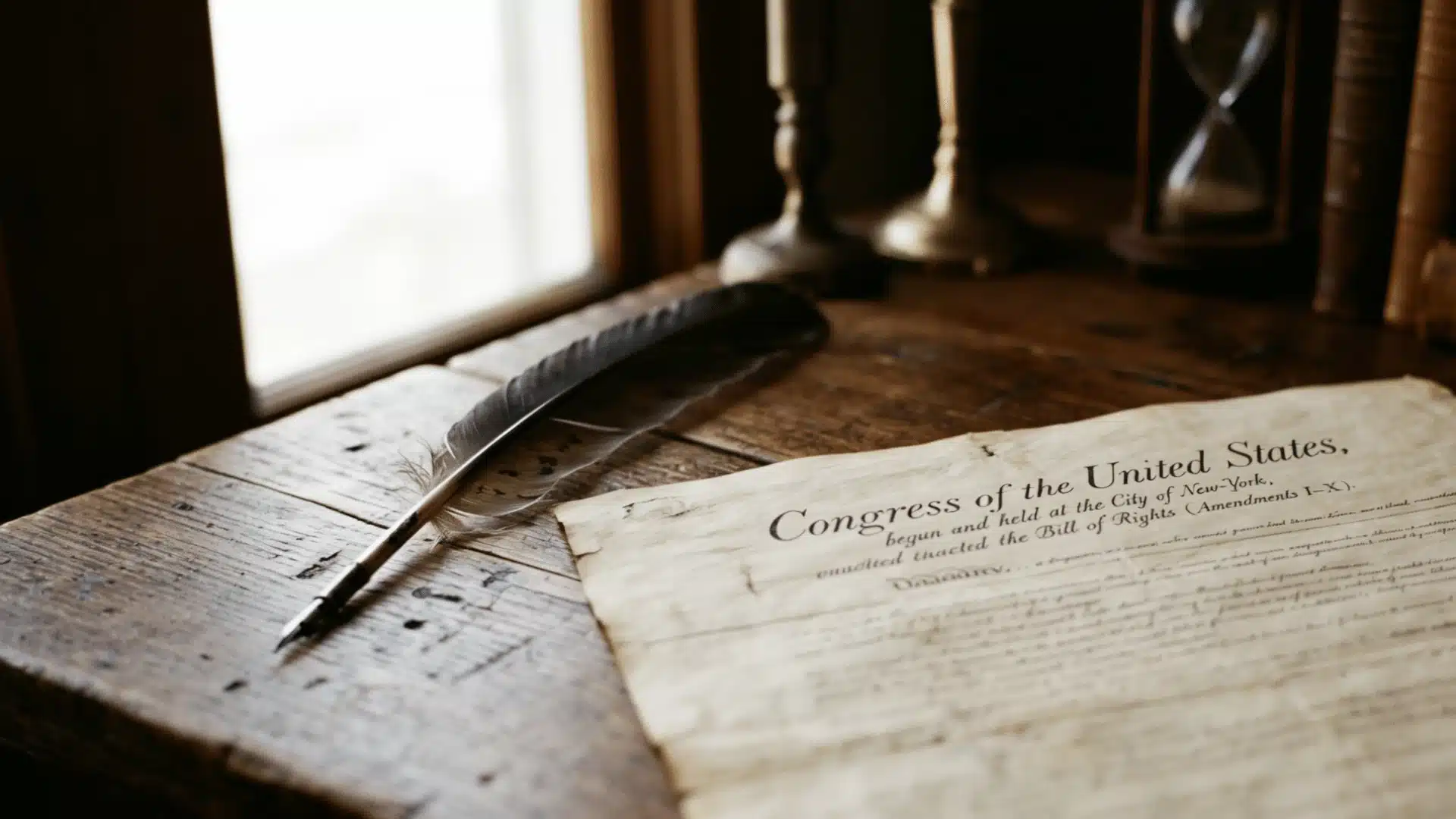
The U.S. Bill of Rights is the first ten amendments to the Constitution. It protects basic freedoms and limits the power of the government, including civil liberties vs. civil rights, which are often discussed together but serve distinct legal functions.
The Third Amendment is part of these protections and says: “No Soldier shall, in time of peace be quartered in any house, without the consent of the Owner, nor in time of war, but in a manner to be prescribed by law.”
This means that in peacetime, soldiers cannot be forced to live in someone’s home without the owner’s permission. In wartime, quartering can occur only if it is authorized by a law passed by Congress.
The Third Amendment is rarely discussed because this issue rarely arises today. Simply, it protects people from forced housing of soldiers.
The amendment also reinforces a broader idea: that civilian control over the military is a bedrock principle of American government. The military does not get to decide when it can occupy private property.
History of the 3rd Amendment: Why Was It Created?
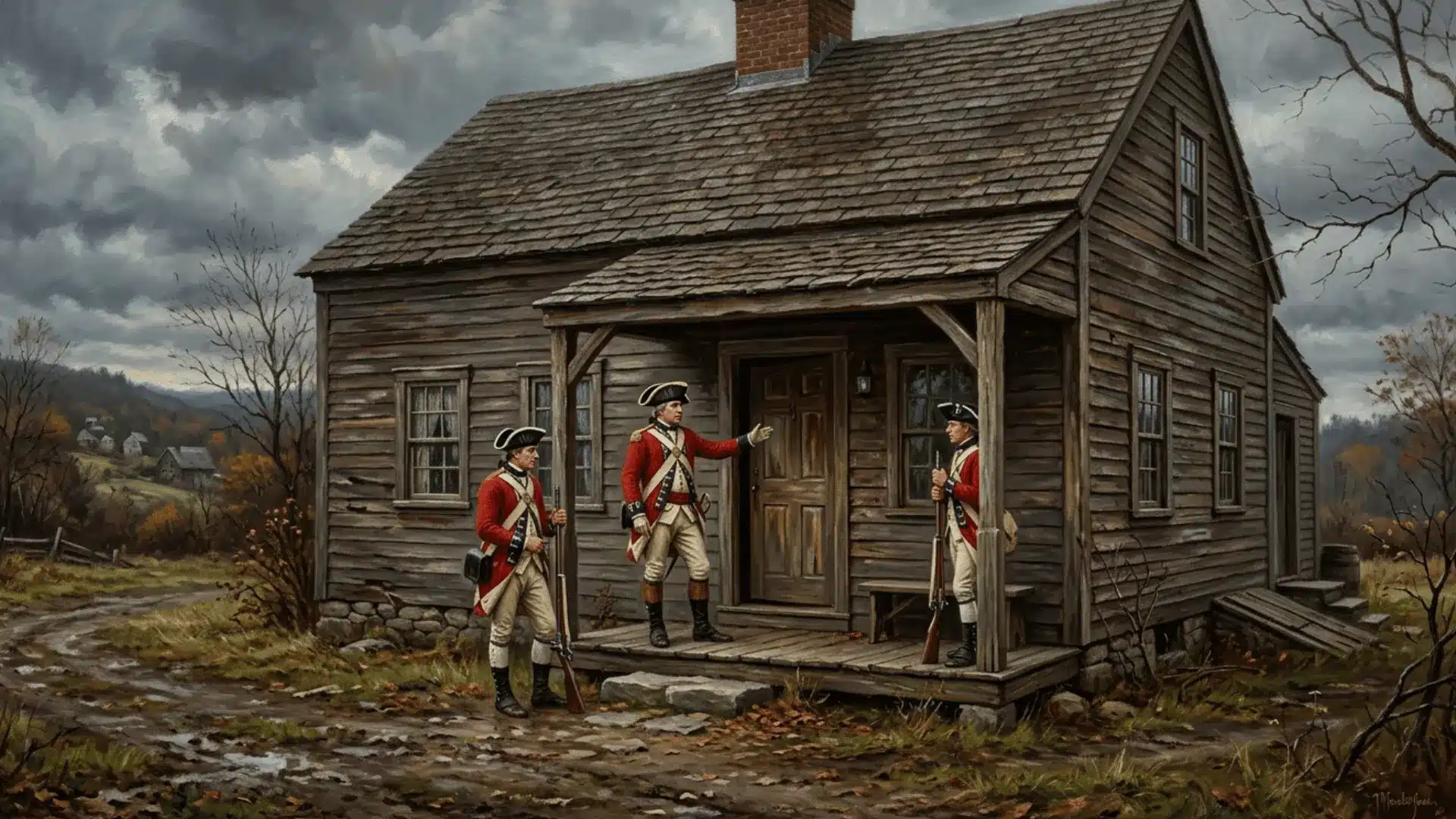
To understand why the Third Amendment exists, we need to go back to the 1760s and 1770s in colonial America.
Parliament passed the Quartering Acts of 1765 and 1774, which allowed British troops to be housed in colonial homes and public buildings without consent.
Colonists viewed this as more than an inconvenience: it brought loss of privacy, a financial burden, and constant reminders of the Crown’s authority over their property.
The grievance was later included in the Declaration of Independence, which accused the King of quartering large bodies of armed troops among the colonies.
After independence, several state constitutions between 1776 and 1777 banned involuntary quartering. When James Madison introduced the Bill of Rights, this protection became the Third Amendment.
According to Cornell Law School, it was meant to protect citizens from government intrusion on their property, not just soldiers.
3rd Amendment Examples: Key Court Cases Explained
The Third Amendment has generated very little litigation compared to other parts of the Bill of Rights. The Supreme Court has never decided a case based solely on it. But a few lower-court decisions are worth knowing about.
1. Engblom v. Carey (1982)
In Engblom v. Carey (1982), New York correctional officers who were evicted from their state-provided residences during a 1979 strike sued after National Guard members were housed there.
The Second Circuit held that National Guard members are “soldiers,” that the Third Amendment applies to the states through the Fourteenth Amendment, and that it protects lawful occupants with a right to exclude others, not just homeowners.
The case remains the leading Third Amendment precedent.
2. Griswold v. Connecticut (1965)
Griswold v. Connecticut (1965) involved a Supreme Court challenge to a state law restricting access to contraception, though it did not concern military quartering or soldiers.
Justice William O. Douglas cited the Third Amendment, among others, to support the idea that the Constitution creates implied zones of privacy within the home.
This reasoning helped establish a broader constitutional right to privacy that continues to influence civil liberties law today.
3. Mitchell v. City of Henderson (2013)
Mitchell v. City of Henderson (2013) arose in Nevada when police responding to a domestic violence standoff asked Anthony Mitchell to allow them to occupy his nearby home for tactical advantage.
He refused, and officers allegedly forced entry, used pepper spray, and arrested him, prompting a lawsuit claiming Third Amendment violations.
The court dismissed the Third Amendment claim, ruling that police are not soldiers, and the issue belongs under the Fourth Amendment.
Why the 3rd Amendment is Still Important Today
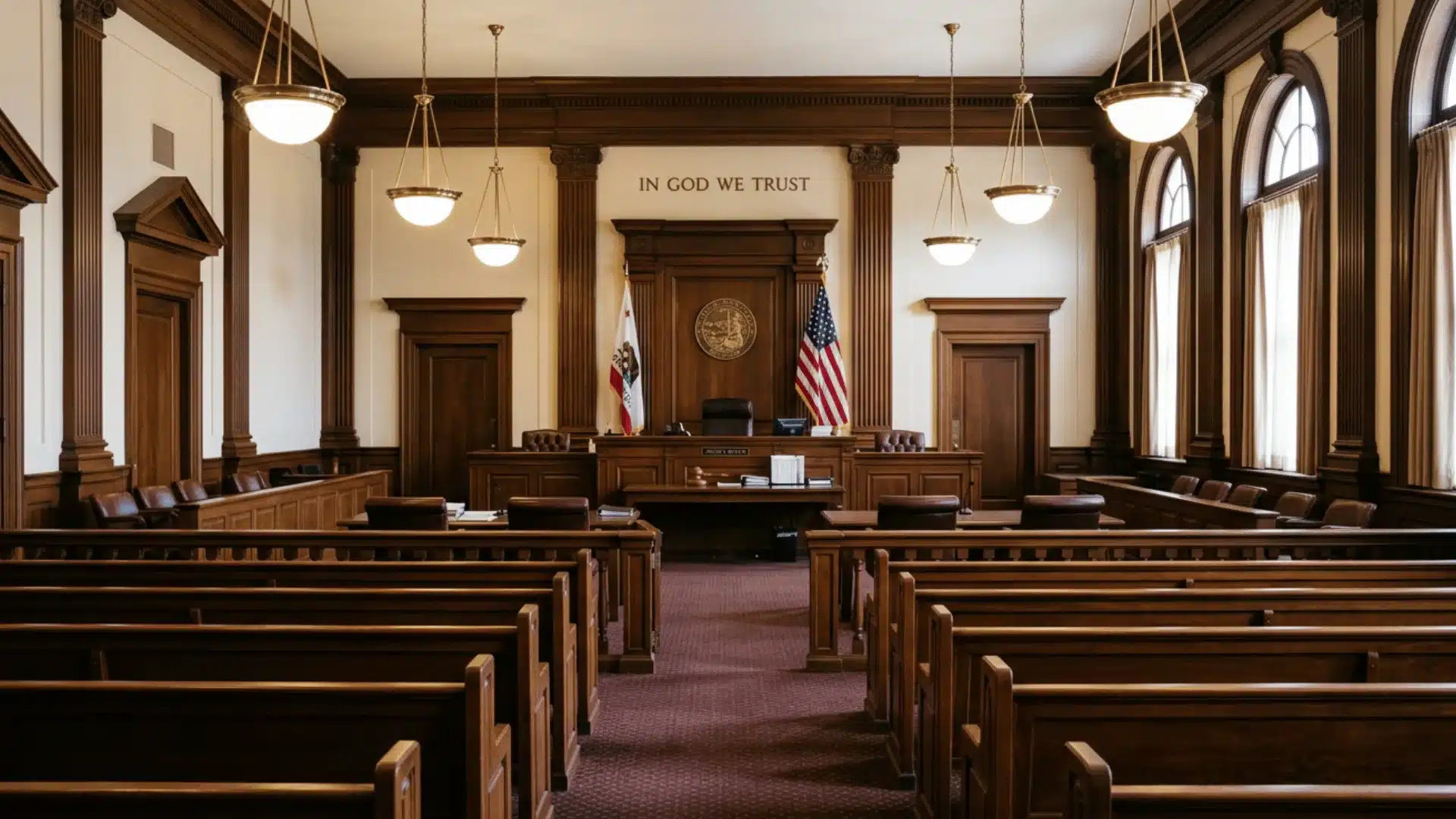
On the surface, the Third Amendment may seem outdated because modern militaries no longer quarter soldiers in private homes.
However, its importance today lies in the constitutional principles it protects rather than in frequent direct application.
It reinforces the idea that military power remains subordinate to civilian authority and that government cannot arbitrarily occupy private property without legal justification.
This connects to broader questions about what unalienable rights Americans hold and how the Constitution protects them from state overreach.
This principle also supports broader privacy and property rights, influencing legal reasoning in cases involving search and seizure and the sanctity of the home.
Courts have even invoked Third Amendment logic to expand interpretations of privacy, as in Griswold v. Connecticut, which helped establish constitutional privacy rights.
It also underscores the limits of emergency powers, reminding us that even during crises, the state cannot treat private homes as available military resources.
Through incorporation and cases like Engblom v. Carey, it applies to states and remains relevant today.
Common Myths About the 3rd Amendment Explained
Several misunderstandings have arisen from this amendment, and they are worth clearing up directly.
- It is outdated: This criticism overlooks that while quartering soldiers is rare today, the amendment’s principles about privacy, property rights, and limits on military intrusion remain constitutionally relevant and active.
- It has no relevance today: This claim ignores cases like the 2013 Nevada Mitchell case, where courts still analyzed a Third Amendment argument, clarifying legal boundaries even though the claim ultimately failed.
- Misunderstanding military vs. law enforcement roles: Courts distinguish soldiers from law enforcement; police and SWAT teams are not military under the Third Amendment, so forced-entry cases fall under Fourth Amendment protections instead.
- Clarifying legal boundaries: It does not cover eminent domain, surveillance, or military housing on government land; it specifically addresses forced quartering of soldiers in private homes, not broader government actions.
- Understanding its narrow scope: Recognizing the amendment’s limited scope helps ensure that other constitutional protections, such as the Fourth and Fifth Amendments, are applied correctly rather than misapplied to the Third Amendment.
When Does the 3rd Amendment Apply in Real Life?
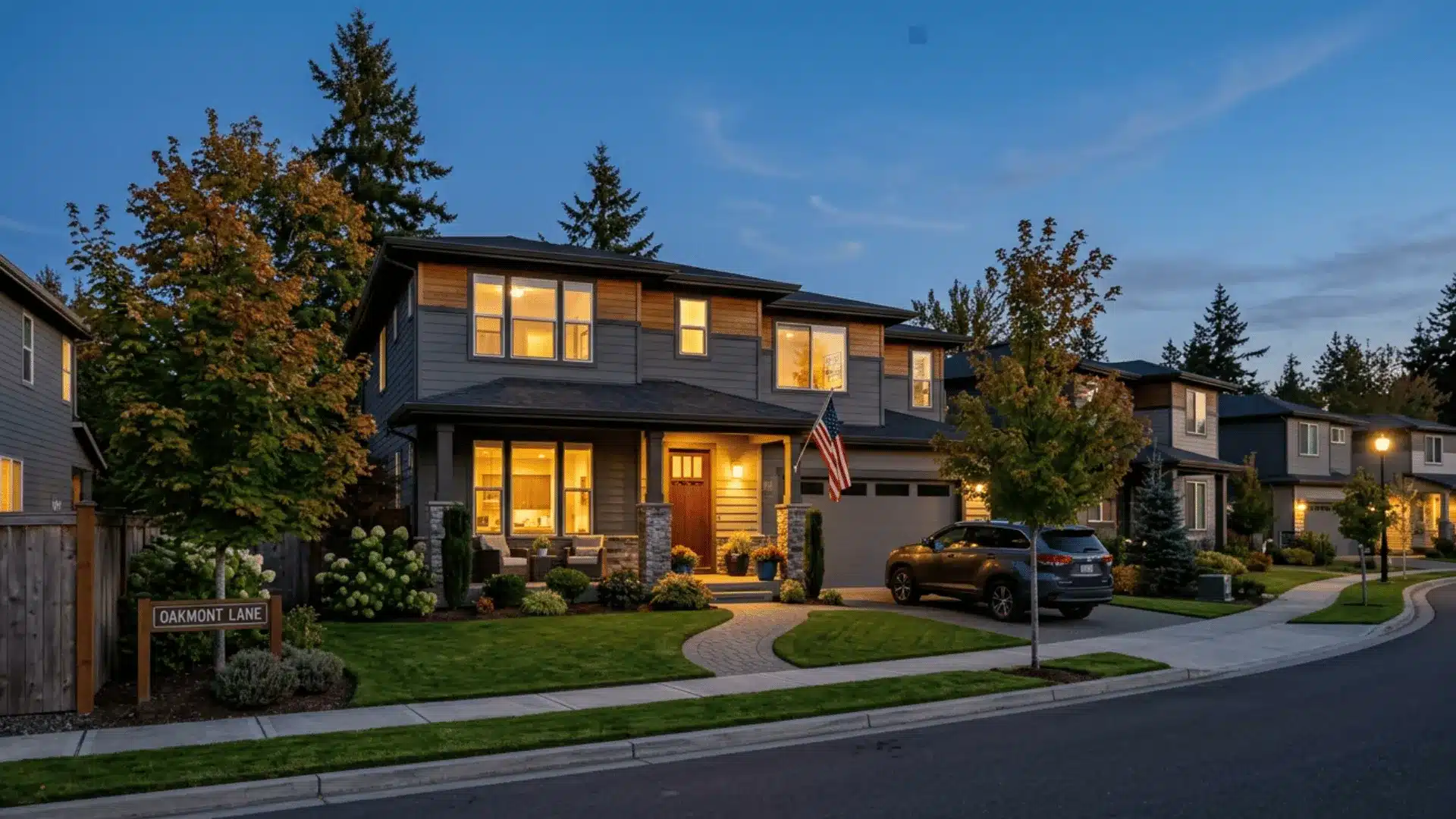
Realistically, the Third Amendment is rarely triggered in everyday life because the government is not going to ask civilians to house soldiers in their homes.
However, it could become relevant in unusual situations where military forces are used to occupy private residential property outside of true wartime conditions.
In such a case, the amendment could serve as the basis for a legal challenge to that occupation.
More often, Third Amendment principles appear indirectly alongside Fourth Amendment protections when people contest unlawful government intrusion into their homes.
The key question in these disputes is whether the presence of government personnel or forces in a residence was legally authorized and constitutionally justified.
If someone believes their home or property rights were violated through government action involving forced entry or occupation, an attorney should review the facts to determine whether constitutional claims apply.
Conclusion
The Third Amendment may not generate the attention given to free speech or search-and-seizure protections, but its role in American constitutional law remains important.
Safeguarding private homes from military occupation reinforces the broader principles of personal privacy, property rights, and limits on government authority.
Courts have rarely been asked to interpret it, yet the amendment has influenced legal thinking far beyond its narrow wording.
Cases such as Engblom v. Carey and references in Griswold v. Connecticut demonstrate that its underlying values continue to resonate in modern constitutional debates.
Understanding the Third Amendment provides valuable insight into how the Constitution protects citizens from government overreach.
Do you think the Third Amendment still plays an important role in modern America? Share your thoughts, questions, or opinions in the comments below and join the discussion.
Frequently Asked Questions
Can the Third Amendment Be Used in Modern Lawsuits?
The Third Amendment can be used in modern lawsuits, but it is extremely rare. Courts usually require direct military quartering, making successful claims difficult under current constitutional interpretations and legal standards.
Does the Third Amendment Protect Against Police or SWAT Teams?
It generally does not apply to police or SWAT teams because they are not considered soldiers. Such cases are evaluated under the Fourth Amendment protections against unlawful searches and seizures instead.
What Happens if Congress Authorizes Quartering During War?
Yes, Congress can authorize the quartering of troops during wartime through legislation. However, it must follow legal procedures and cannot be done arbitrarily, ensuring that constitutional limits still apply even in emergency situations that arise.