Some phrases from American history sound familiar but still feel hard to explain. “Life, liberty, and the pursuit of happiness” is one of them.
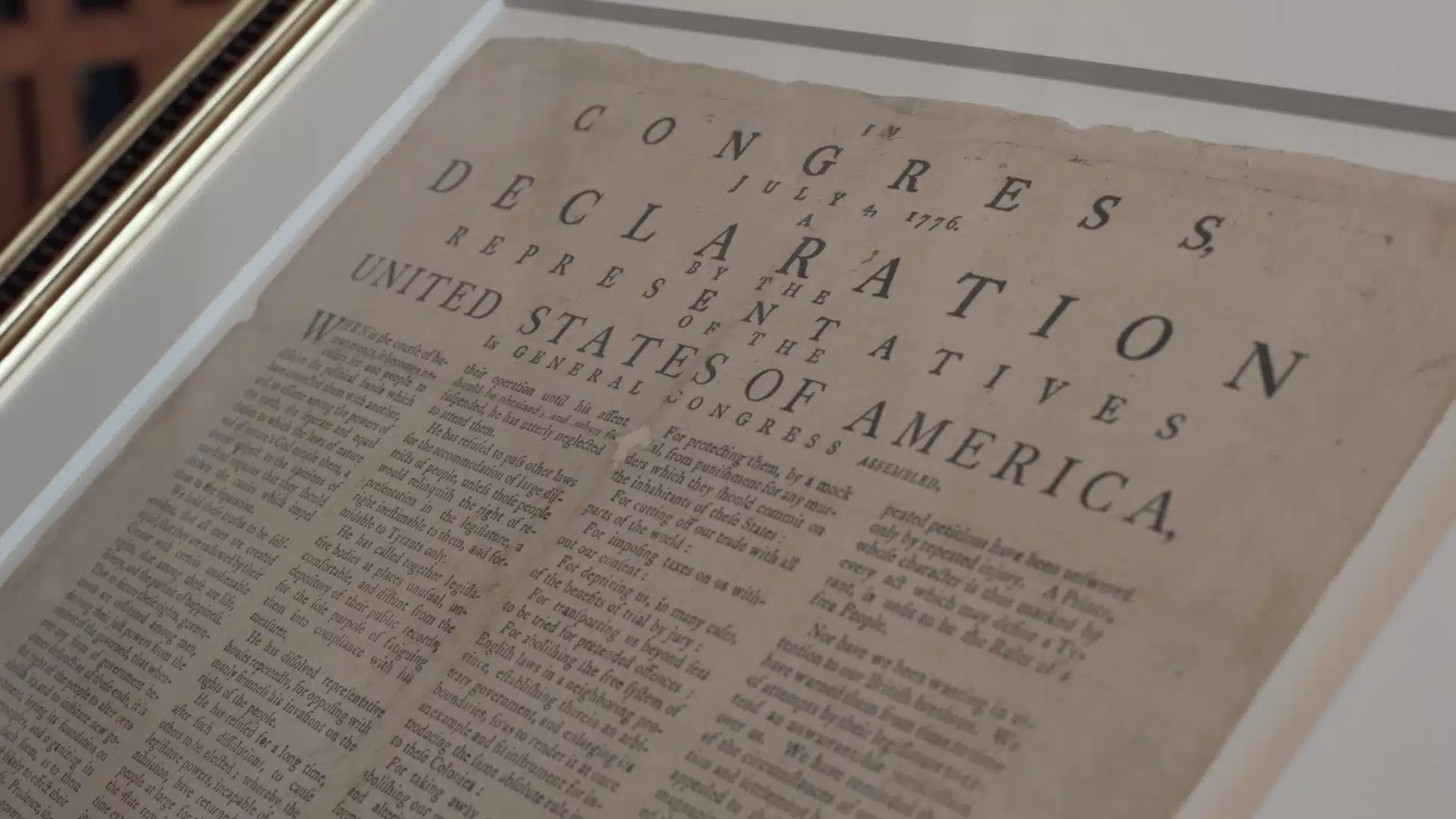
These words sit at the heart of the Declaration of Independence, but their meaning goes far beyond a classroom quote.
So, what are unalienable rights, and why did the Founders treat them as the foundation of freedom?
In simple terms, they are basic human rights that the government does not create and should not take away without a lawful process.
As a legal writer, I see this concept as one of the clearest links between America’s founding ideals and today’s constitutional protections. This blog post explains their meaning, origin, and modern importance in plain language.
What are Unalienable Rights?
Unalienable rights are a category of fundamental rights that cannot be sold, transferred, surrendered, or permanently taken away.
They belong to every person by virtue of being human, not because any authority decided to grant them.
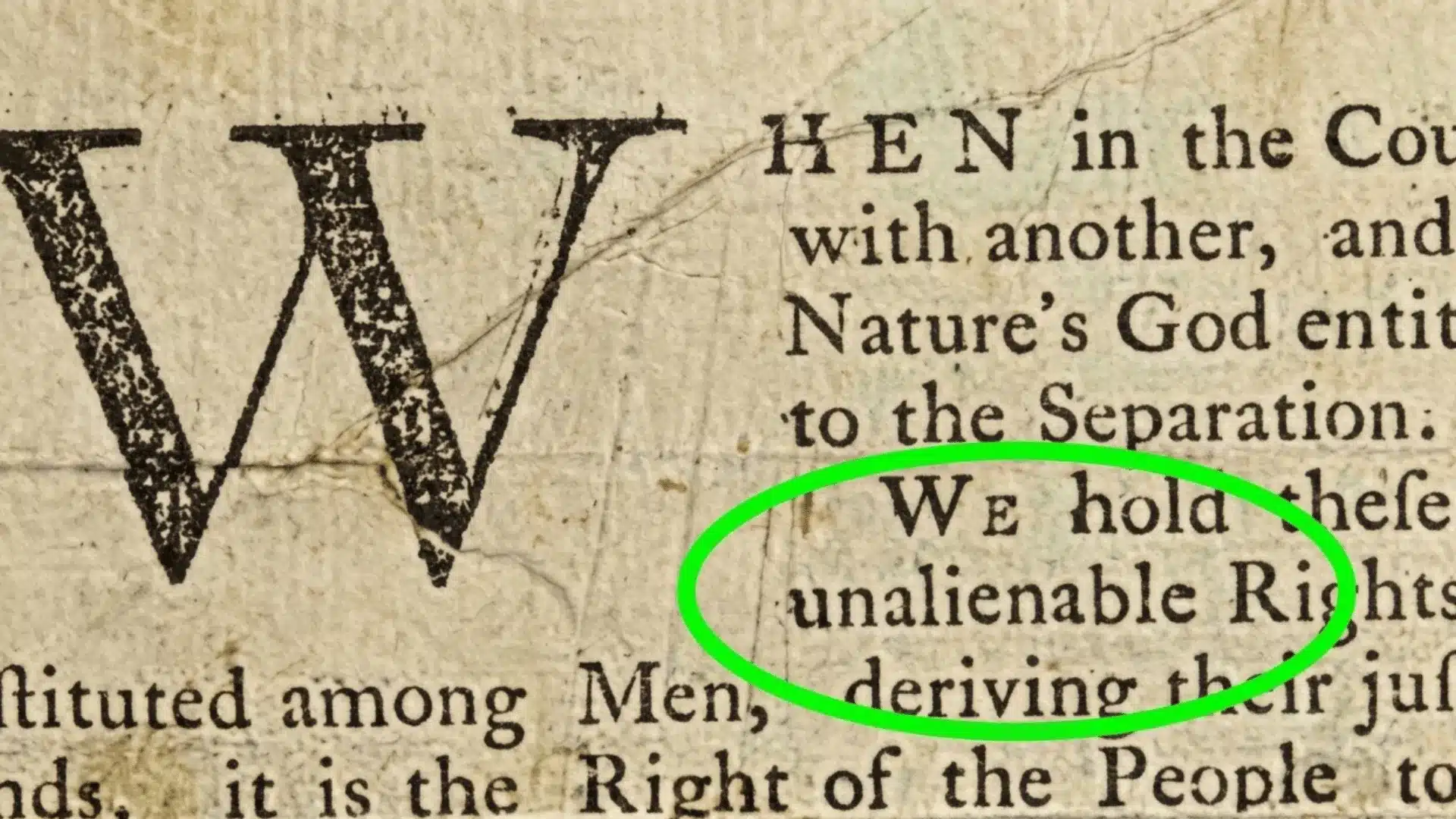
The term comes directly from the Declaration of Independence. The document states that all people “are endowed by their Creator with certain unalienable Rights.” This framing was deliberate.
By grounding these rights in human nature rather than government authority, the Founders made the argument that no government has the power to remove them.
In practical terms, unalienable rights function as a floor below which the legal system cannot go. A government can regulate behavior, restrict certain activities through law, and impose consequences for crimes.
What it cannot do is permanently strip a person of the fundamental rights that define human freedom
Why the Declaration Calls These Rights “Unalienable”?

The word “unalienable” comes from property law. In that context, “alienation” refers to the transfer of ownership.
- When you sell a house, you alienate your interest in it. Something that is “alienable” can be transferred to someone else. Something “unalienable” cannot.
- Applied to rights, this means a person cannot give these rights away, waive them through a contract, or have them stripped by a government action. They are permanently attached to the person.
The Cornell Law School defines “inalienable” as not transferable and impossible to take away, noting that every constitution provides for fundamental rights carrying this status.
“Unalienable” and “inalienable” mean the same thing. The Declaration used “unalienable,” which was the standard spelling in the 18th century.
Modern legal writing generally uses “inalienable.” Both terms describe the same category of rights.
Unalienable Rights: Where Did the Idea Come From?
The idea of unalienable rights did not start with America’s Founders. It developed over many centuries but took its clearest modern form during the Enlightenment in the 1600s and 1700s.
English philosopher John Locke had the strongest influence. In his Second Treatise of Government, Locke explained that people are born with natural rights to life, liberty, and property.
These rights exist even before any government is created, in what he called the “state of nature.” Governments are formed by the people’s consent only to protect these rights, not to grant or take them away.
Thomas Jefferson closely followed Locke’s ideas when writing the Declaration of Independence.
He changed “property” to “the pursuit of happiness” to give the idea a broader meaning. This language helped the colonists argue they were claiming rights they already possessed, rights the British king had violated.
The Three Unalienable Rights in the Declaration of Independence
1. Life
The right to life protects every person from being killed by the government without legal justification. It forms the foundation for many constitutional safeguards.
This includes due process requirements before any execution, the Eighth Amendment’s ban on cruel and unusual punishment, and strict limits on when police may use deadly force.
A government cannot lawfully take a person’s life without fair legal procedures, evidence, and judicial oversight.
This right is considered the most basic protection because all other rights depend on a person’s continued existence. It ensures the state serves the people rather than having unlimited power over them.
2. Liberty
Liberty refers to broad personal freedom. It includes the freedom to move about, think and believe freely, make personal decisions, and live without arbitrary government interference.
This right protects against unjust imprisonment or detention.
The Fifth and Fourteenth Amendments clearly state that no person shall be deprived of liberty without due process of law.
In practice, this means the government must follow established legal rules, give notice, and provide a fair chance to challenge any restriction in court before limiting someone’s freedom. Liberty is essential for self-determination and prevents tyranny.
3. The Pursuit of Happiness
This right does not guarantee happiness or allow unrestricted behavior.
It means the freedom to pursue lawful goals, personal choices, work, relationships, and a meaningful life according to one’s values, as long as those actions do not harm others or break the law.
Jefferson replaced Locke’s “property” with this broader idea to include self-determination and human dignity
Are Unalienable Rights in the Constitution?
The Declaration of Independence and the Constitution are two separate documents.
The Declaration is a philosophical statement that explains why America broke from Britain and lists principles like unalienable rights. It is not enforceable in court.
- The Constitution is the enforceable supreme law of the land.
- It protects these rights through the Bill of Rights (added in 1791), which guarantees freedoms like speech, religion, and fair trials.
- The Fifth Amendment (federal) and Fourteenth Amendment (states) both state that no person shall be deprived of life, liberty, or property without due process of law.
The Constitution does not use the phrase “unalienable rights,” but it builds a strong legal structure to protect them.
Think of the Declaration as the moral argument and the Constitution as the legal mechanism that enforces it.
Unalienable Rights vs Civil Rights vs Civil Liberties
These three terms are related but legally distinct. Treating them as interchangeable can create real confusion when a rights issue arises, and you need to know which protection applies.
| Term | What it means | Who can violate it | Source |
|---|---|---|---|
| Unalienable rights | Fundamental rights inherent to every person, pre-existing any government | Government only | Natural Law / Declaration of Independence |
| Civil liberties | Constitutional restrictions on government action | Government only | Bill of Rights / Constitution |
| Civil rights | Legal protections against discrimination based on protected characteristics | Government and private parties | Civil Rights Act, Fourteenth Amendment |
The difference between civil liberties and civil rights is especially relevant in legal disputes. Civil liberties violations require government action.
Civil rights violations can be committed by private employers, landlords, and businesses, with no government involvement at all.
Can Unalienable Rights Be Limited?
Yes, under narrow and legally defined conditions. This is one of the most important nuances to understand, and it does not contradict their unalienable nature.
Rights can be restricted through a lawful process in situations including:
- Criminal conviction after a fair trial: A person found guilty through a proper legal process can be imprisoned, which restricts liberty.
- Capital punishment: The right to life can be restricted by the state, but only after full legal proceedings with all constitutional protections observed.
- Eminent domain: The government can take private property through this legal process, but must provide just compensation as required by the Fifth Amendment.
- Emergency public safety measures: Courts have recognized narrow circumstances where rights may face temporary limits, but these are subject to strict legal standards and judicial review.
What each of these situations requires is a lawful process. The government cannot restrict your liberty without notice, a hearing, and a real opportunity to challenge the action.
That procedural requirement is the protection that makes the right meaningful.
What to Do if Your Rights Are Violated?
If a government actor violates your rights, stay calm, preserve proof, and get legal guidance before taking any formal action.
- Document everything: Write down what happened, when it happened, who was involved, and whether any witnesses were present.
- Preserve evidence: Save photos, videos, recordings, emails, letters, police reports, or any other proof connected to the incident.
- File a DOJ complaint: The DOJ Civil Rights Division accepts complaints involving possible constitutional rights violations by government entities.
- Review a Section 1983 claim: This federal law may allow a person to sue state officials who violated constitutional rights while acting under state authority.
- Speak with an attorney: A lawyer can review the facts, explain whether a legal claim exists, and guide the next steps before signing or responding.
Common Misunderstandings About Unalienable Rights
Several common misconceptions can make unalienable rights seem broader, narrower, or more enforceable than they actually are.
- They are not unlimited: Unalienable rights can still be restricted through lawful legal process. Liberty does not mean freedom from every legal consequence. It means the government must follow due process before taking action.
- They are not only for citizens: Many constitutional protections apply to any person within U.S. jurisdiction, not only U.S. citizens. This includes core protections such as due process and protection from unreasonable searches.
- The Declaration is not the Constitution: The Declaration explains founding principles, but the Constitution provides enforceable legal protections. In court, constitutional rights are the main legal tools.
- “Pursuit of happiness” has limits: This phrase protects lawful personal choices and goals. It does not protect illegal conduct, override other laws, or remove consequences for harming others.
Conclusion
Unalienable rights matter because they explain the basic limits of government power. They remind people that certain freedoms belong to every person by nature, not by permission.
In daily life, this idea helps readers better understand due process, personal liberty, fair treatment, and the legal protections built into the U.S. system.
These rights are not unlimited, but they cannot be ignored or removed without lawful procedure. That balance is what makes them important in both history and modern law.
If this blog post helped clarify the meaning of unalienable rights, share your thoughts in the comment section or speak with a qualified attorney if a real rights issue needs legal review.
Frequently Asked Questions
Are Unalienable Rights Written Exactly the Same in Every State?
No. States may describe rights differently in their own constitutions, but they still must follow the federal constitutional protections that apply nationwide.
Why did Jefferson write “Pursuit of Happiness” Instead of “Pursuit of Property?
Jefferson’s wording reflected a broader idea of human freedom. It included personal growth, lawful goals, and meaningful life choices beyond property ownership.
Can Private Companies Violate Unalienable Rights?
Usually, constitutional rights limit government action, not private companies. However, civil rights laws may apply if a company discriminates or violates protected legal rights.