
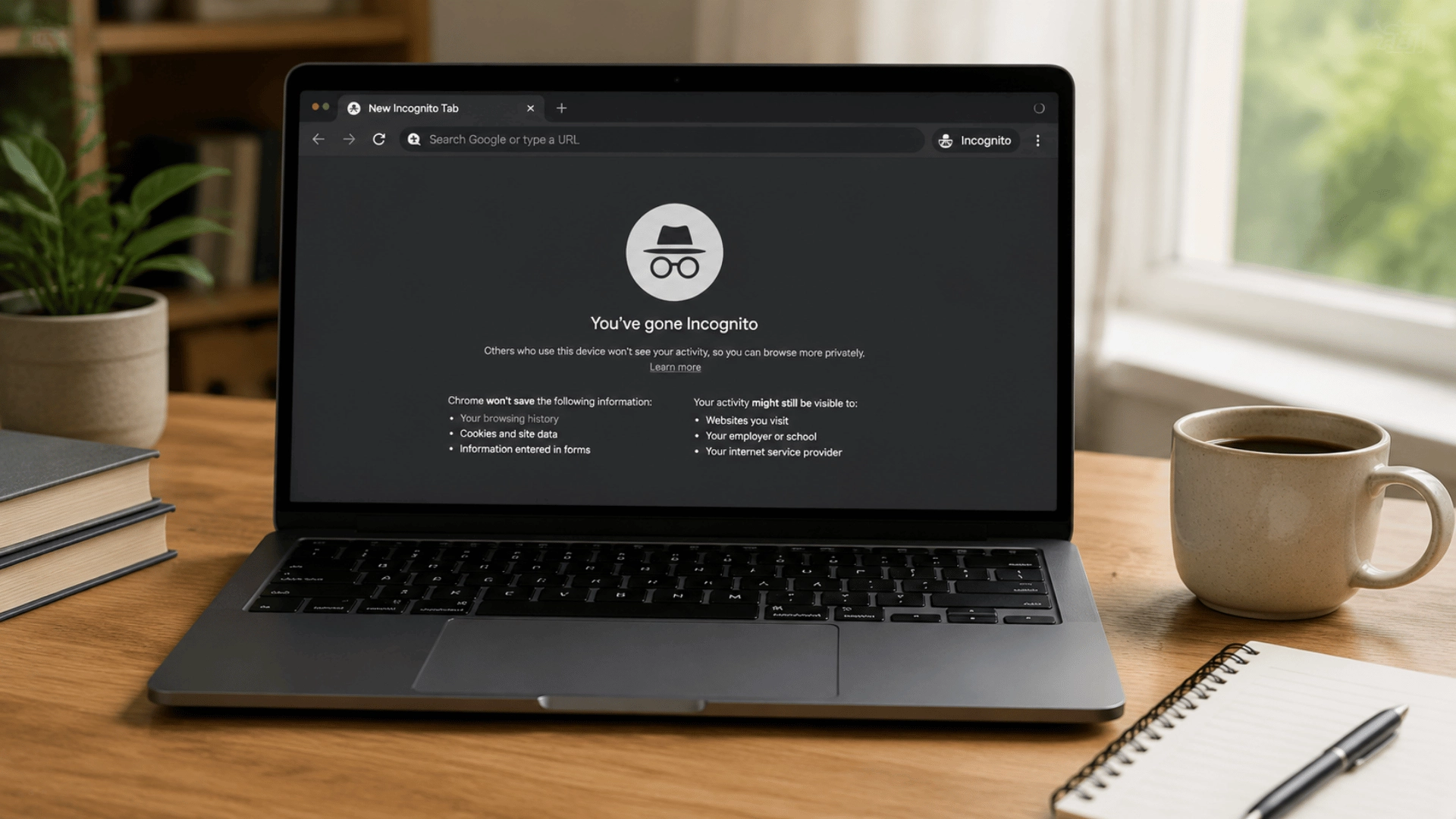
Private browsing is often misunderstood as a way to disappear online. In reality, tools like Chrome’s Incognito mode only protect certain parts of your activity.
The Google Incognito lawsuit, also known as Brown v. Google, raised the question of whether Chrome users understood the limits of private browsing. The case focused on claims that Google collected activity data during Incognito sessions, even though users expected greater privacy.
The lawsuit ended in a settlement, not a trial verdict. It changed Google’s privacy disclosures and required data-related changes, but it did not create automatic payments for users.
Understanding what Incognito protects, what it does not hide, and what the settlement changed helps you use private browsing with realistic expectations.
What Is the Google Incognito Lawsuit?
The Google Incognito lawsuit was a class action against Google alleging that Chrome users’ activity was collected during private browsing sessions. Brown v. Google was filed in 2020.
Plaintiffs argued that Google collected browsing-related information, while users believed that Incognito offered stronger privacy protection. The lawsuit focused on sessions dating back to June 1, 2016.
According to court filings and NPR’s reporting on the case, it sought $5 billion in damages for millions of users before ending in a settlement finalized in 2024. Google confirmed in a public statement that the agreement changed privacy practices but included no general payouts to users.
What the Settlement Actually Includes

The Google Incognito settlement focused on privacy changes, data handling practices, and clearer disclosures. Google updated Incognito explanations and addressed browsing data concerns without providing automatic payments to users.
1. Data Deletion and Record Remediation
Deleting existing data was the settlement’s most concrete commitment. Google agreed to delete or remediate certain private browsing records connected to the lawsuit, addressing concerns that information from Incognito sessions was stored in ways users did not expect.
The deletion applied only to specific records covered by the settlement. It did not mean Google removed all browsing-related information from its systems or erased every type of data collected through its services.
Google also agreed to remove the private-browsing detection bits that let its systems flag when a user was in Incognito mode, a practice the company was sanctioned twice for concealing during the litigation. These steps were designed to address the lawsuit’s claims and change how related records were handled.
2. Disclosure and Cookie Changes
Google updated Incognito privacy notices to explain its limits more clearly. The updated messages state that private browsing does not prevent websites, analytics services, or online platforms from collecting information.
The changes addressed confusion about what Incognito mode provides. While Incognito prevents Chrome from saving local browsing history on a device, it does not make online activity invisible.
The settlement also requires Google to maintain, for five years, a default setting in Incognito mode that blocks third-party cookies. This locks in a change Google had already begun rolling out during the litigation and clarifies how tracking technologies may still work during private browsing sessions.
The settlement changed Google’s approach to private browsing data and improved transparency around Incognito’s limits. However, Incognito still provides local privacy rather than complete online anonymity.
How Incognito Mode Works and Where Privacy Ends
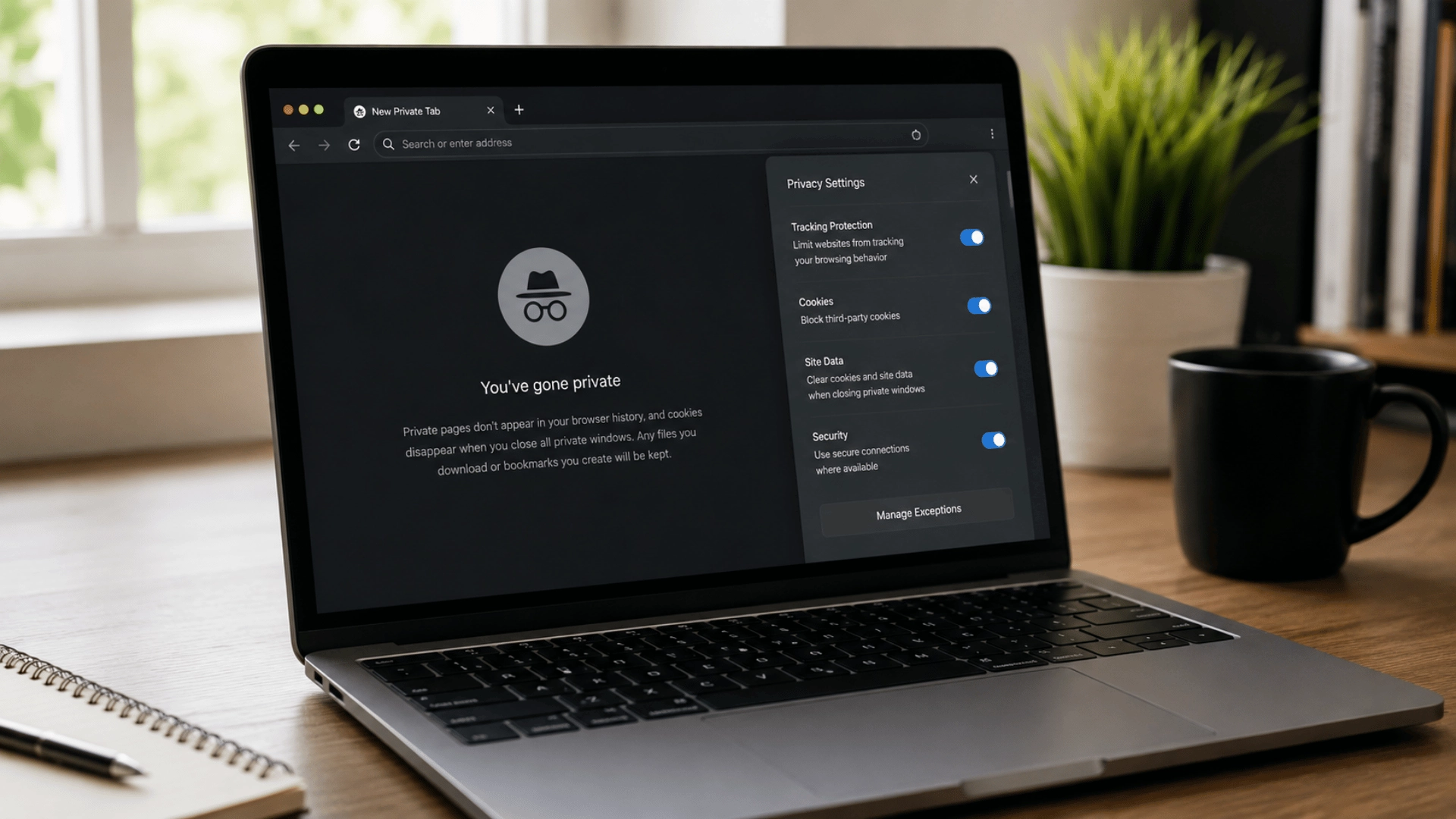
When you open an Incognito window, Chrome creates a separate session that does not save local browsing history, cookies, or site data after the window closes.
Incognito mode protects your device by limiting the browsing information it stores. It mainly helps prevent other users from seeing your activity on the same computer.
However, Incognito does not make you invisible online. Websites, internet providers, analytics tools, and online services can still collect information during your browsing session.
Closing an Incognito window removes local data from your device but does not erase information already sent to websites or servers. The lawsuit highlighted this difference.
What Doesn’t This Lawsuit Cover?
This settlement is specific to Google Incognito tracking claims. It doesn’t extend to other Google privacy lawsuits, and it doesn’t make all online browsing completely private.
Litigation involving Google Assistant recordings, for example, falls outside this case entirely; those claims involve different allegations, legal theories, and their own process for affected users.
Nor does the settlement guarantee future browsing privacy. Incognito still can’t hide activity from internet providers, employers, schools, or the websites a person visits.
Rather than creating broader privacy protection across Google’s services, the changes address only the issues raised in this specific lawsuit. Users should treat Incognito as a local privacy feature, not a complete anonymity tool.
Why This Case Matters Going Forward
The Google Incognito lawsuit changed how Chrome explains private browsing but did not create a general settlement payment for typical users. The settlement focused on privacy changes.
Most Incognito users will not receive automatic payments from this case. The $5 billion amount referred to damages claimed, not money shared among users.
People who believe they faced specific harm may still have separate legal options. Individual claims follow different processes from the class settlement and depend on personal circumstances. Users should verify current legal requirements before taking action.
In April 2026, the Ninth Circuit Court of Appeals closed off one remaining path to a class-wide payout. In a move tied to claims pursued across a large group of plaintiffs, roughly 185 Chrome users had asked to intervene in the case so they could appeal the earlier denial of a damages class, but the court ruled their request came too late, according to the published opinion in Brown v. Salcido.
The ruling confirms there is no damages fund for the class to draw from. The named plaintiffs continue pursuing their own claims separately, and other users remain limited to filing individual lawsuits.
Conclusion
The Google Incognito lawsuit showed why understanding privacy tools matters. Private browsing limits stored activity on your device but does not make you invisible online.
Incognito mode remains useful for local privacy by preventing Chrome from saving history, cookies, and site data after private sessions end on your device.
The settlement changed Google’s privacy disclosures and required data-related updates, but it did not create automatic user payments. The $5 billion figure was a claim.
Understanding Incognito’s limits helps users choose privacy tools wisely. Private browsing offers protection, but it works best as one part of broader online privacy practices.
Frequently Asked Questions
Did Google Pay Incognito Users Money?
No. The Google Incognito settlement did not provide automatic payments to users. Google agreed to privacy changes, including deleting certain records and updating Incognito disclosures. The widely reported $5 billion figure was the amount claimed in damages, not money that would be divided among users.
Is Incognito Mode Completely Private?
No. Incognito mode only protects local privacy by preventing Chrome from saving browsing history, cookies, and site data on your device after a private session ends. It does not hide your activity from websites, internet providers, workplace networks, or online services that collect information during your browsing session.
Can Incognito Browsing History Be Recovered?
Incognito history is not stored locally on your device after you close the private window. However, your activity may still exist on external systems. Websites, internet providers, employers, and online services may keep records of connections or activity collected during an Incognito session.
Can Users Still Sue Google Over Incognito Tracking?
Some people may have separate legal options depending on their situation, evidence, and applicable laws. An individual claim is different from the class action settlement and may involve separate legal requirements. Users should check current legal information before taking action.