A legal dispute rarely starts in a courtroom. It often begins with a broken agreement, an unexpected injury, a business conflict, or a disagreement that refuses to go away.
What seems like a straightforward issue can quickly become complicated when deadlines, legal procedures, and financial stakes enter the picture.
That is where a civil litigation lawyer often becomes a critical part of the process.
Whether the dispute involves individuals, businesses, property, or contracts, the path from conflict to resolution follows a structured legal framework.
In this blog, we’ll break down what you need to understand about the framework that can make a significant difference when important rights, responsibilities, and outcomes are on the line.
What Does Civil Litigation Mean?
Civil litigation is the legal process used to resolve non-criminal disputes between private parties through the court system.
It involves a plaintiff bringing a claim against a defendant to seek a legal remedy, often financial compensation or a court order requiring or stopping certain action.
In Colorado, state civil litigation follows the Colorado Rules of Civil Procedure, which guide timelines, filings, and court procedures in district courts.
Unlike criminal cases, the government is not prosecuting charges. Instead, a person, business, or private entity chooses to file a claim.
Understanding what litigation is helps to know that civil litigation encompasses many disputes, including personal injury, breach of contract, landlord-tenant disputes, employment disputes, property disputes, and wrongful death claims.
A wrongful death case remains civil even when the same incident also leads to criminal charges.
The Core Role of a Civil Litigation Lawyer

A civil litigation lawyer manages legal disputes for both plaintiffs and defendants, and most of the case is built long before a trial begins.
Their work covers strategy, procedure, evidence, and advocacy at every stage of the dispute.
During the first consultation, a civil litigation attorney reviews the strength of the claim, available evidence, possible defenses, and realistic outcomes.
They prepare complaints, answers, motions, discovery requests, and witness materials, and they handle all communication with the opposing side throughout settlement negotiations.
If the case reaches trial, the attorney presents opening statements, examines witnesses, introduces evidence, and delivers closing arguments.
After a verdict, they may also handle appeals. Many civil cases settle before trial, but strong legal preparation is usually what makes a fair settlement possible in the first place.
Types of Cases Civil Litigation Lawyers Handle
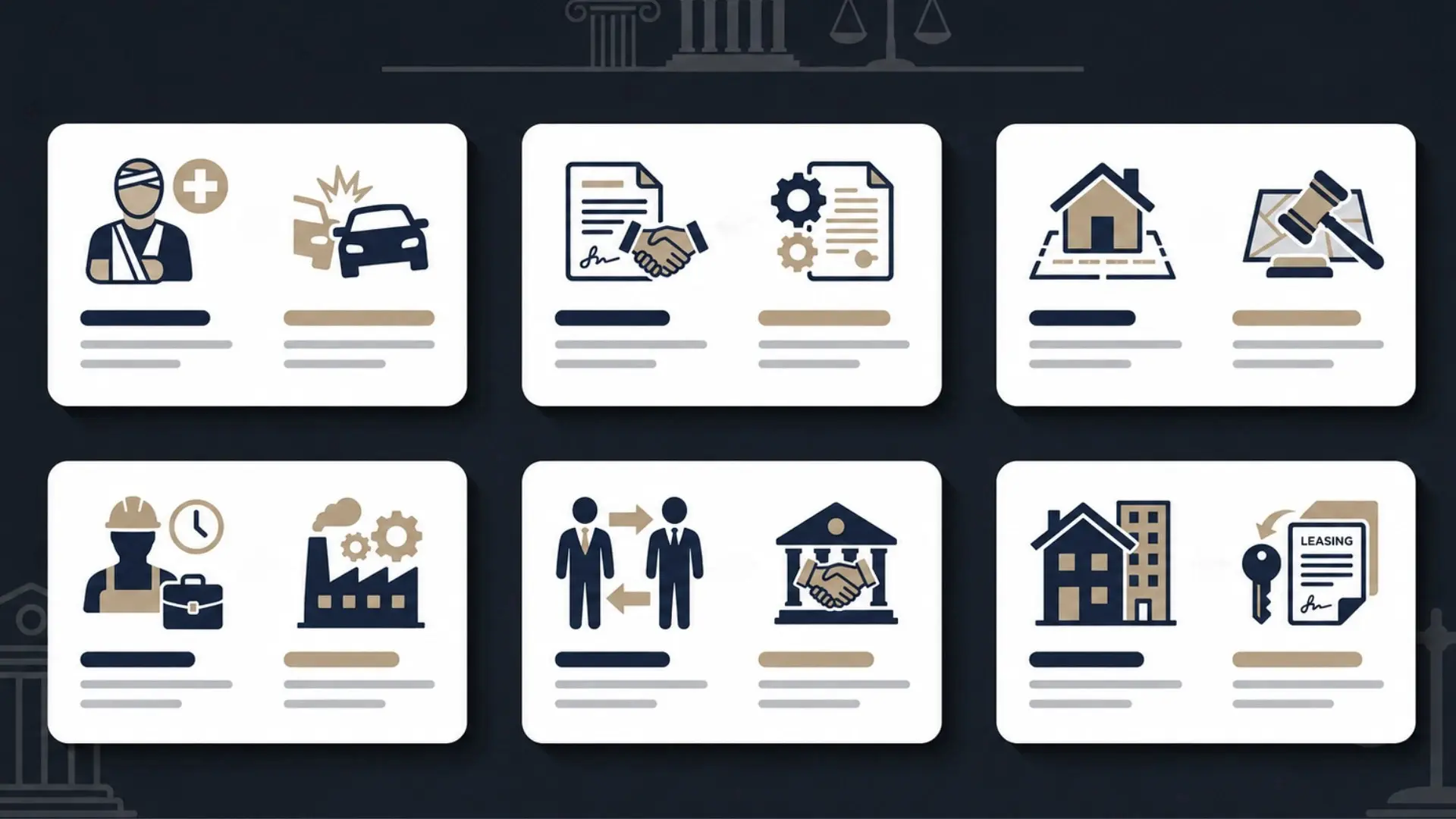
Civil litigation lawyers handle a wide range of non-criminal disputes. These cases often involve money, property, contracts, injuries, workplace issues, or business conflicts.
- Personal injury: Claims involving harm from negligence, including car accidents, slip-and-falls, medical malpractice, and other injury-related losses. Understanding how civil damages are calculated is often the first step in evaluating these claims.
- Contract disputes: Cases where one party fails to follow a written or oral agreement, leading to damages or enforcement claims.
- Property disputes: Conflicts over boundaries, easements, title problems, construction defects, or other real estate-related disagreements.
- Employment conflicts: Lawsuits involving wrongful termination, wage disputes, workplace discrimination, retaliation, or other job-related legal claims.
- Business disputes: Claims involving partnerships, fiduciary duties, trade secrets, shareholders, contracts, or business ownership conflicts.
- Landlord-tenant disputes: Cases involving security deposits, wrongful eviction, lease violations, habitability issues, or unresolved rental property conflicts.
Stages of Civil Litigation
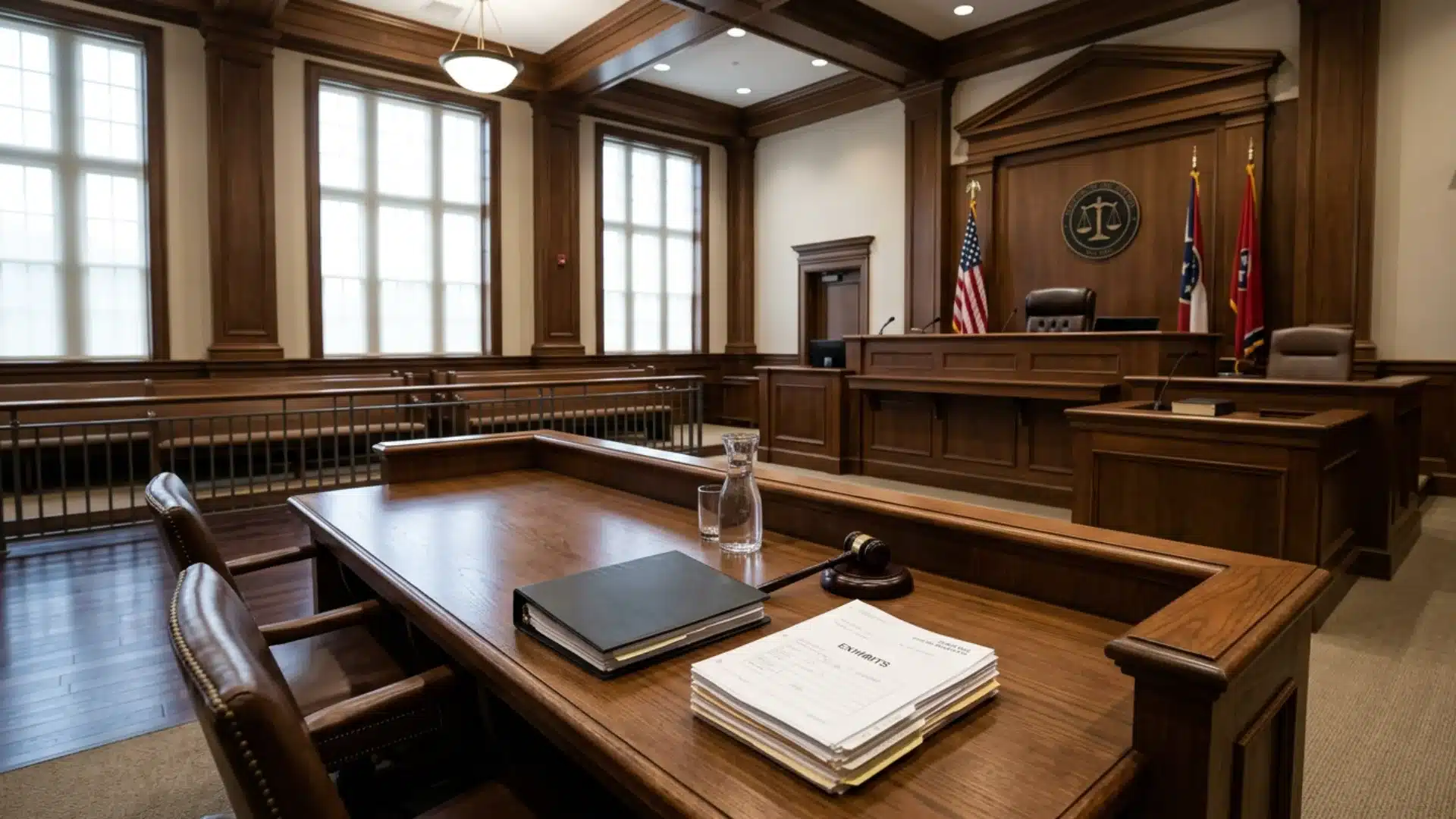
Civil cases follow a defined sequence, and each stage has its own deadlines, and missing them can damage or end a case. Here is how the process works from start to finish.
1. Pre-Litigation Assessment
Before filing a lawsuit, the attorney reviews the facts, evidence, damages, and legal grounds for the claim.
This stage helps determine whether the case is strong enough to move forward.
The attorney may also send demand letters, contact the opposing party, or attempt early negotiation.
Many civil disputes settle at this point without formal court involvement, saving both sides time, cost, and stress.
2. Filing the Complaint
The lawsuit officially begins when the plaintiff files a complaint in the proper Colorado court.
This document identifies the parties, explains the facts, lists the legal claims, and states the remedy the plaintiff seeks.
The remedy may include money damages, court orders, or other legal relief.
A well-prepared complaint gives the court a clear foundation for the case and sets the direction for future proceedings.
3. Service of Process
After filing, the defendant must be formally served with the complaint and summons. Service of process gives legal notice that a lawsuit has been filed.
In Colorado district courts, the defendant typically has 21 days to respond after being served.
This step is important because the court cannot move forward properly unless the defendant receives valid notice. Improper service can delay the case or create legal challenges.
4. Discovery
Discovery is the evidence exchange phase. Both sides share information, documents, witness details, and other materials relevant to the dispute.
Under C.R.C.P. 26, initial disclosures are generally due within 28 days after the case is at issue.
Discovery may include interrogatories, document requests, and subpoenas. Understanding what a deposition involves prepares clients for one of the most consequential parts of this phase.
This stage often shapes settlement talks because each side can better evaluate the strengths and weaknesses of the case.
5. Pre-Trial Motions
Before trial, either side may file motions asking the court to decide certain issues. These motions may seek to dismiss claims, exclude evidence, compel discovery, or request summary judgment.
A strong pre-trial motion can narrow the issues or even end the case before trial.
This stage helps define what evidence, arguments, and legal questions will actually be presented if the dispute reaches the courtroom.
6. Trial
If settlement does not happen, the case proceeds to trial before a judge or jury.
Each side presents opening statements, examines witnesses, introduces evidence, and gives closing arguments.
The judge or jury then decides liability and damages. In Colorado, a party must demand a jury trial no later than 10 days after the last pleading is served.
Trial is often the most public and formal stage of litigation.
7. Judgment and Post-Trial Actions
After trial, the court enters a judgment based on the verdict or decision. The winning party may need help collecting damages or enforcing court orders.
The losing party may file post-trial motions or appeal to the Colorado Court of Appeals. This stage can involve collection efforts, legal challenges, or further briefing.
Even after the trial ends, legal work may continue until the judgment is satisfied or reviewed.
Colorado Filing Deadlines You Need to Know
Colorado civil claims have strict filing deadlines. Missing the correct deadline can limit or end the right to bring a lawsuit, so identifying the claim type early is important.
These deadlines vary by claim type: injury, contract, property, wrongful death, government, and debt.
| Type of claim | Filing deadline | Governing statute |
|---|---|---|
| Personal injury (general) & Property damage | 2 years from the date of injury or damage | C.R.S. § 13-80-102 |
| Motor vehicle accident & Breach of contract | 3 years from the date of the accident or breach | C.R.S. § 13-80-101 |
| Claims against government entities | 182-day notice requirement | Colorado Governmental Immunity Act |
| Debt collection / liquidated debt | 6 years | C.R.S. § 13-80-103.5 |
Missing any of these deadlines typically results in the court dismissing the case permanently.
There is no grace period for most civil claims in Colorado. A civil litigation lawyer tracks these dates from the first consultation and files before the window closes.
Disclaimer: Filing deadlines can vary based on the specific facts of your case, the parties involved, and whether tolling provisions apply. This table is for general informational purposes only and does not constitute legal advice.
How to Choose a Civil Litigation Lawyer?
Not every civil attorney is a good fit for every dispute. The right choice depends on the type of case, the complexity involved, and whether the attorney has genuine experience in that specific area of civil law.
A few factors matter more than anything else:
- Relevant experience: Ask whether the attorney has handled cases like yours, not just “civil litigation” generally, but the specific case type (contract, employment, personal injury, business dispute).
- Trial readiness: Some civil attorneys settle everything. If your case may need to go to trial, ask directly how many cases they have taken to verdict in the past three years.
- Communication style: A good litigator keeps you informed. Ask how often they update clients, who handles day-to-day communication, and what their average response time is.
- Fee structure: Understand exactly how you will be billed hourly, contingency, flat fee, or a combination before signing anything. Ask for a written fee agreement.
When Should You Contact a Civil Litigation Lawyer?
You should contact a civil litigation lawyer when money, property, or legal rights are in dispute, and informal efforts have not worked.
Legal help is especially important if you receive a demand letter, are served with a complaint, face a response deadline, or plan to file a claim.
It also helps when dealing with an insurance settlement, business partner conflict, landlord dispute, eviction issue, or lawsuit notice.
Early legal guidance can protect your position, preserve evidence, prevent missed deadlines, and help resolve the dispute before court becomes necessary.
Waiting until a hearing is near can limit your options and make the case harder to handle.
How Much Does a Civil Litigation Lawyer Cost?
Attorney costs depend on the case type, fee structure, attorney experience, and how far the dispute has progressed. The figures below are general estimates based on published market data, not guaranteed prices. Always confirm fees directly during the consultation.
| Fee structure | Common use | Typical cost |
|---|---|---|
| Hourly billing | Contract, business, and contested civil disputes | Around $341 per hour on average; senior attorneys may charge $500 or more |
| Retainer deposit | Upfront deposit for contested civil work | Usually $2,250 to $6,750 |
| Contingency fee | Personal injury cases | About 33% of recovery; often 40% if the case goes to trial |
| Flat fee | Limited tasks like demand letters or contract review | Varies by task and scope |
| Extra costs | Filing fees, service, expert witnesses, depositions | Varies based on case complexity |
Conclusion
A civil litigation lawyer in Colorado covers your interests from the moment a dispute takes shape until it is fully resolved, whether that happens at the negotiating table or in a courtroom.
The role covers strategy, procedure, deadlines, and advocacy.
Getting that representation in place early matters more than most people realize, because the decisions made in the first weeks of a dispute tend to shape everything that follows.
There is no obligation and no fee unless we win your case. Call today or fill out our contact form to speak with a civil litigation attorney about your situation.
Have questions or experiences to share about handling disputes? Leave a comment below and join the conversation.
Frequently Asked Questions
Can a Civil Lawsuit Be Filed Against a Government Agency in Colorado?
Yes. Civil lawsuits against Colorado government agencies are allowed, but strict rules apply. Most claims require written notice within 180 days, and damages may be limited. Missing deadlines can prevent the case from moving forward.
What Happens if I Lose a Civil Case?
If you lose a civil case, the court may order payment, specific action, or restrictions. An appeal may be possible.
What Evidence is Important in a Civil Litigation Case?
Important evidence may include contracts, emails, text messages, photos, invoices, medical records, business records, witness statements, and financial documents. A civil litigation lawyer uses this evidence during negotiations, discovery, motions, and trial preparation.