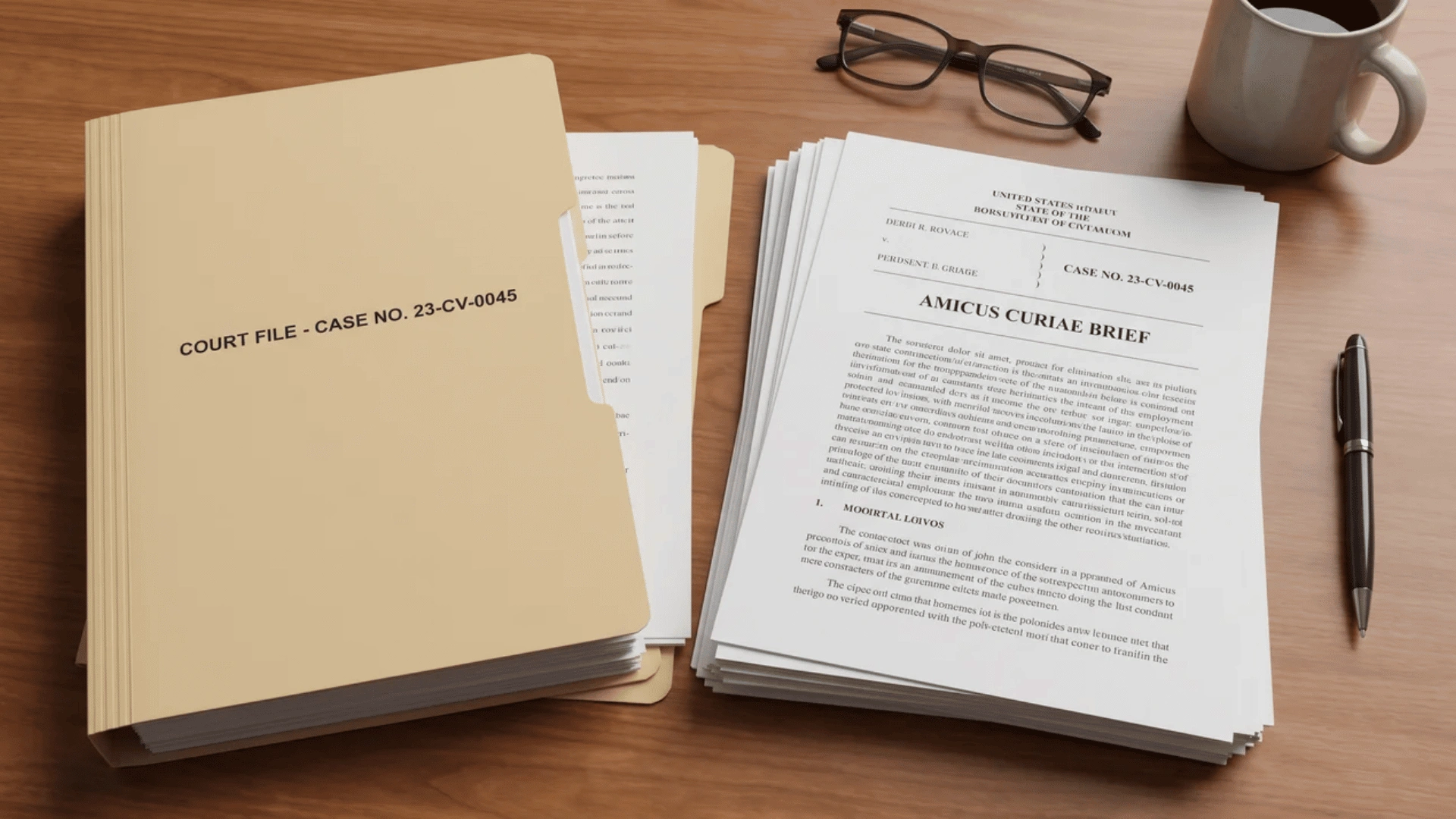

One letter, one defective product, one paycheck that seemed a little too small. Sometimes, that’s all it takes to uncover a problem affecting thousands of people.
You probably didn’t expect to take on a corporation alone, and most people in this situation never planned to.
Maybe you received notice of a data breach, discovered a trusted product caused harm, or learned your employer had been underpaying workers for years.
Whatever brought you here, you’re likely asking the same question: Did this happen to others too? If the answer is yes, a class action lawsuit may provide a path to accountability and compensation.
Whether you’re in Denver, elsewhere in Colorado, or anywhere in the United States, understanding how class actions work and how to choose the right class action lawyer can significantly influence the outcome of your case.
What Does a Class Action Lawyer Do?
A class action lawyer manages every stage of a group lawsuit, from the initial investigation to the final distribution of any settlement or judgment.
When you first speak with one, they’re assessing whether your situation meets the legal requirements for a class action and whether others were harmed in the same way.
If the case proceeds, the attorney investigates the alleged wrongdoing, gathers evidence, and builds the legal foundation for the claim. They then seek class certification, asking the court to formally recognize the group.
To succeed, the lawyer must show that the class is large enough, the claims share common issues, and the representatives can fairly protect everyone’s interests.
After certification, the attorney handles discovery, negotiations, and, if necessary, trial.
If a settlement is reached, they also help oversee compensation for class members. In practice, your lawyer is the one advocating for your interests throughout the case.
Types of Cases a Class Action Attorney Handles
Class action attorneys work across a wide range of legal areas. The most common categories include:
- Consumer fraud: Companies mislead buyers through false advertising, deceptive labeling, or hidden fees, causing widespread financial harm across large groups of consumers.
- Product liability: Defective products injure many people, including pharmaceuticals with undisclosed side effects or faulty vehicle components that create significant safety risks.
- Data breaches and privacy: Unauthorized exposure of personal information affects thousands or millions of users, making privacy litigation one of the fastest-growing areas of class action litigation.
- Employment and wage violations: Systemic practices such as unpaid overtime, missed breaks, or worker misclassification can affect entire workforces and generate large collective claims.
- Securities fraud: Corporations mislead investors through false financial disclosures, causing widespread investment losses when the truth becomes public.
- Environmental and toxic exposure: Contaminated water, PFAS chemicals, or industrial pollution can harm entire communities and lead to large-scale litigation.
- Antitrust violations: Anticompetitive corporate practices artificially inflate prices, causing widespread economic harm to consumers and businesses.
- Artificial Intelligence & Tech: Claims involving AI training data, biased algorithms, generative AI tools, and privacy violations from AI-powered products have emerged as a fast-growing area.
- ERISA / Employee Benefits: Large-scale disputes over retirement plans, pension calculations, and benefits mismanagement continue to produce multi-hundred-million-dollar settlements.
When Do You Need a Class Action Lawyer?

Many people are unsure whether their situation requires a class action lawyer or another type of attorney.
In general, a class action lawyer may be appropriate when a company, employer, manufacturer, or organization has caused similar harm to a large group of people.
You may want to speak with a class action attorney if:
- You received a data breach notice affecting thousands of consumers.
- A defective product caused injuries to multiple users.
- Your employer used the same unlawful pay practice across an entire workforce.
- Investors suffered losses due to the same misleading financial disclosures.
- A company charged hidden fees to a large group of customers.
- You were affected by AI-driven products or services that mishandled personal data or produced harmful outcomes.
Not every widespread dispute qualifies as a class action. Courts must determine whether the affected individuals share common legal and factual issues before certifying a class.
An attorney can help assess whether a class action lawsuit, mass tort, or individual claim is the most appropriate legal path.
When Does a Lawsuit Qualify for Class Action Status?
Not every group dispute becomes a class action. Federal courts apply a four-part test set out in Rule 23 of the Federal Rules of Civil Procedure before certifying any case as a class action.
All four requirements must be satisfied.
- Numerosity: The class must be sufficiently large that joining every individual plaintiff is impractical; courts often find forty or more members adequate.
- Commonality: The class must share common legal or factual questions, creating a unifying issue that links all members’ claims together.
- Typicality: The representative plaintiffs’ claims must closely reflect those of the class, without significant differences that undermine collective representation.
- Adequacy: The representatives and their attorneys must protect the interests of all class members fairly and competently throughout the litigation.
Real-world examples include defective products injuring thousands, data breaches exposing millions of records, or employers withholding wages from entire workforces.
While each person’s loss may be small, the combined claims can total hundreds of millions of dollars.
Rights of Class Action Lawsuit Members

When a court certifies a class action lawsuit, class members gain several important legal rights and protections throughout the litigation process.
One of the most significant rights is receiving notice of the lawsuit, which informs individuals about the claims being pursued and their potential involvement.
Class members may also have the opportunity to review any proposed settlement before it is finalized and to raise objections if they believe the terms are unfair or inadequate.
In many cases, individuals can choose to opt out of the class and pursue their own separate lawsuit. Those who remain part of the class may be eligible to participate in any settlement or judgment approved by the court.
Because class members are generally bound by the case outcome, understanding these rights is essential for making informed legal decisions.
How Does a Class Action Lawsuit Work?
The timeline for a class action differs from that of an individual lawsuit. Here is how the process typically unfolds:
- Initial consultation: You meet with a class action attorney who evaluates whether your situation qualifies and whether others have experienced the same harm.
- Investigation and case building: The attorney investigates the defendant’s conduct, gathers evidence, identifies other affected individuals, and builds the factual record.
- Filing the complaint: The lead plaintiff or plaintiffs file a complaint in the appropriate court. The case is filed on behalf of themselves and all others similarly situated.
- Motion for class certification: The attorney files a motion asking the court to certify the class under Rule 23 of the Federal Rules of Civil Procedure. This is often the most contested phase. Courts must conduct a rigorous analysis before granting certification.
- Discovery: Both sides exchange documents, conduct depositions, and gather evidence. In complex class actions, this phase can take years.
- Settlement negotiations or trial: The majority of class actions resolve through settlement before trial. If a settlement is reached, the court must review and approve it as fair to all class members.
- Distribution: Once a settlement is approved, class members typically receive their share of the fund by submitting a claim form.
Understanding the automobile accident lawsuit process at the individual level can help you see how a class action builds on the same foundational steps, just on a much larger scale, with formal group procedures layered on top.
How Do Class Action Attorneys Get Paid?
Class action attorneys typically work on a contingency-fee basis, meaning you pay nothing upfront and owe nothing if the case does not result in a recovery.
If a settlement or verdict is achieved, the court reviews and approves attorney fees, which generally range from 25% to 33% of the total settlement fund, depending on the complexity of the case and the results obtained.
This fee structure serves an important purpose. Most individuals cannot afford to hire an attorney on an hourly basis to pursue claims worth only a few hundred or a few thousand dollars.
Contingency arrangements make it possible for consumers and employees to challenge large corporations and other well-funded defendants.
In 2025, class action settlements reached a new record high. The top 10 class-action settlements exceeded $70 billion, with the total across all areas nearing $80 billion (or $79 billion according to the 2026 Class Action Review). This was nearly double the amount from 2024.
Federal class action filings also surged, rising roughly 25% to more than 12,200 cases, the highest total in at least a decade, driven largely by consumer protection, cybersecurity/data privacy, and emerging technology issues.
Class Action Lawsuit Deadlines: Statute of Limitations
There is no single statute of limitations for class actions. The deadline depends on the type of claim and the state or federal law involved.
Common limits include 2 to 3 years for personal injury and product liability claims, 3 to 4 years for consumer fraud, and 2 years for wage violations under the Fair Labor Standards Act (three years for willful violations).
Securities fraud claims generally must be filed within two years of discovery, subject to a five-year outer limit, while data breach and privacy claims typically range from one to six years.
Under American Pipe & Construction Co. v. Utah (1974), filing a class action pauses the statute of limitations for potential class members while the case is pending.
However, if a class is decertified, members may have only the remaining time on their original deadline to sue. Many states also apply a discovery rule, delaying the clock until the injury and its cause are reasonably discovered.
Class Action vs Individual Lawsuit: Key Differences
The decision between joining a class action and filing an individual lawsuit depends on your specific situation. There is no universal answer, but the comparison below covers the most relevant considerations.
| Factor | Class action | Individual lawsuit |
|---|---|---|
| Control over your case | Limited; the class representatives and attorneys drive decisions | Full control over strategy, settlement, and timeline |
| Individual payout | Often smaller; damages are shared across the class | Potentially larger if your damages are significant |
| Cost to you | None upfront; contingency-based | May involve upfront costs depending on the arrangement |
| Timeline | Typically longer; certification and distribution add time | Can move faster in straightforward cases |
| Complexity | High; managed by the attorney | Depends on the nature of the case |
| Opting out | You can opt out and pursue your own claim in most cases | Not applicable |
If your individual damages are substantial and your situation differs materially from the broader group, an individual lawsuit may recover more for you.
If your individual harm is modest but part of a widespread pattern, a class action is often the only practical way to hold the defendant accountable at all.
An attorney experienced in civil litigation basics can help you weigh which path makes more sense given the facts of your case.
How to Find Active Class Action Lawsuits?
If you believe you may have been affected by corporate misconduct, it is important to determine whether a class action lawsuit has already been filed regarding the issue.
Several resources can help you locate relevant cases, including federal and state court records, official class action settlement websites, consumer protection organizations, government agencies conducting investigations, and public legal notices or settlement announcements.
Because many class actions involve large groups of people, sometimes numbering in the thousands or even millions, individuals may be included in a lawsuit without initially being aware of it.
Monitoring available notices and updates can help affected individuals understand their legal rights, eligibility for participation, and any actions they may need to take.
It can also ensure that important deadlines for claims, objections, or opt-out requests are not missed.
What Happens After a Class Action Settlement is Approved?
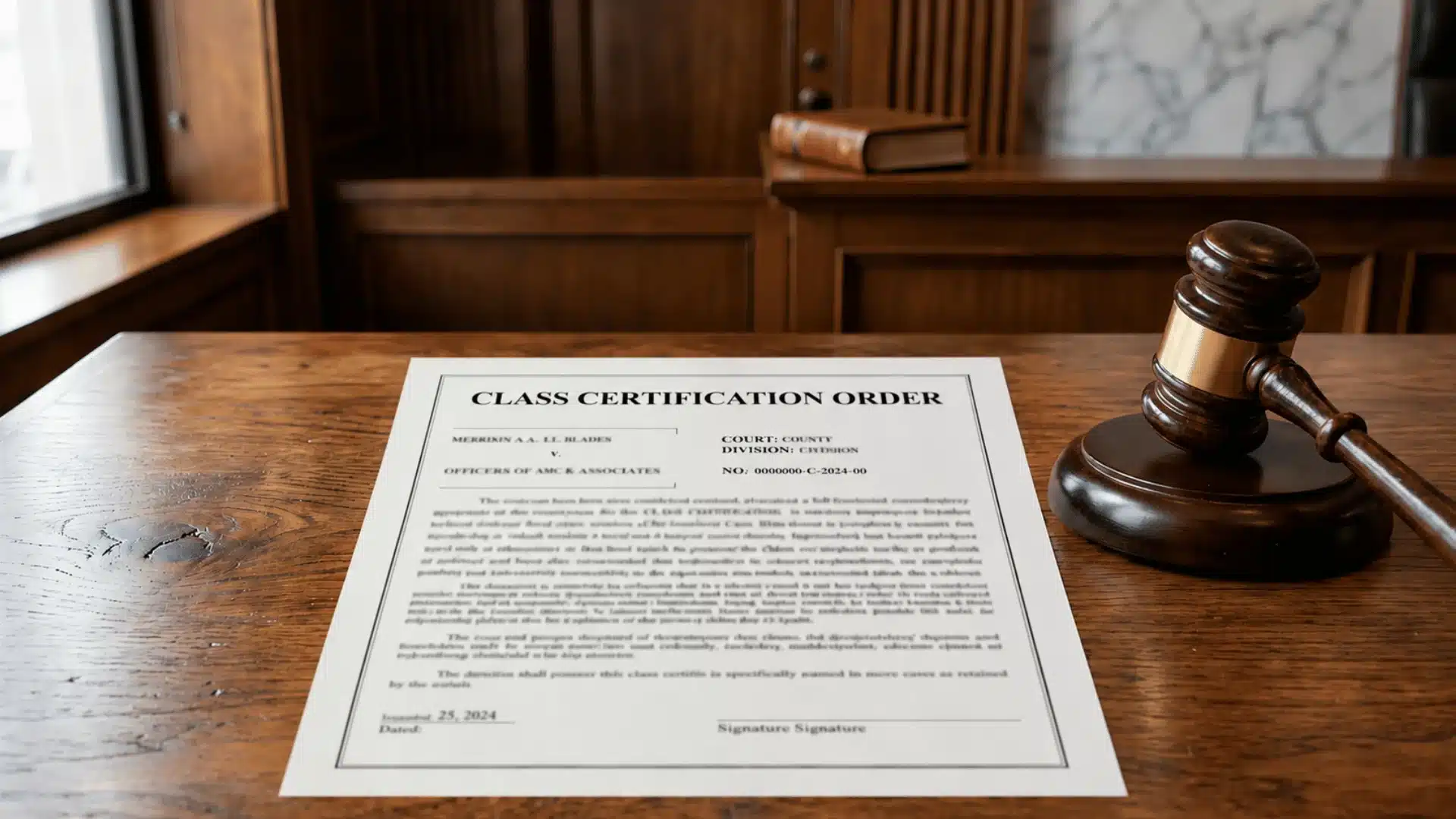
Reaching a settlement in a class action lawsuit does not mean that payments are immediately issued to class members. Before any compensation can be distributed, several legal and administrative procedures must be completed.
The court must first grant preliminary approval of the settlement, after which notice is provided to eligible class members.
Individuals then have an opportunity to review the terms, submit objections, or opt out of the settlement if they choose.
Following this period, the court conducts a final approval hearing to determine whether the settlement is fair and reasonable. Once approved, claims are processed, reviewed, and verified by the claims administrator.
Only after these steps are completed can settlement funds be distributed. Depending on the case’s complexity, this process may take several months or even years.
How to Choose the Best Class Action Attorney?
Not every personal injury firm handles class action litigation. These cases require specific experience, resources, and infrastructure. When evaluating class action attorneys, consider the following:
- Class certification track record: Ask whether the attorney has successfully obtained class certification. Winning that motion is a meaningful indicator of competence in this specific area of law.
- Resources to fund the litigation: Class actions are expensive to litigate. Expert witnesses, discovery costs, and years of attorney time add up. Underfunded firms may be forced into unfavorable settlements.
- Contingency-only fee structure: Reputable class action attorneys take cases on contingency. If a firm is asking for significant upfront fees on a group claim, that is worth questioning.
- Clear communication about your role: As a class member, you will not be in court every day. You should understand from the beginning what will be expected of you and what decisions you will have input on.
- Experience with your specific case type: Consumer fraud litigation differs from securities class actions and, in turn, from product liability. Look for attorneys who have handled cases in the same category as yours.
Conclusion
Most people who contact a class action lawyer aren’t sure whether their situation qualifies. That uncertainty is normal, and an initial consultation can help clarify your options.
The important thing is not to wait too long. Class actions are subject to statutes of limitations, and missing a deadline could affect your ability to participate.
If you’ve been harmed by a company, product, or business practice that affected others in a similar way, you may have legal options.
Class actions give individuals a practical way to seek accountability from defendants with far greater resources.
Understanding the process, potential costs, and what to look for in experienced class action attorneys can help you make informed decisions.
Do you think more people should explore their legal rights when businesses cause widespread harm? Share your thoughts in the comments.
Frequently Asked Questions
How Much Money Can You Receive from a Class Action Lawsuit?
Settlement amounts vary significantly depending on the number of class members, the strength of the claims, and the total settlement fund. Some class actions provide modest payments to individuals, while others result in substantial compensation for affected consumers, employees, or investors.
Can I Join a Class Action Lawsuit After It Has Already Been Filed?
In many cases, individuals do not need to actively join a certified class action because they are automatically included unless they opt out. However, eligibility requirements and deadlines vary depending on the case and court orders.
What is the Difference Between a Class Action and a Mass Tort?
Class actions combine many similar claims into a single lawsuit, while mass tort cases allow individual plaintiffs to maintain separate claims that are coordinated during litigation. Product liability and pharmaceutical cases are often handled as mass torts rather than class actions.
What Role is AI Playing in Class Action Litigation?
AI-related class actions surged in 2025, covering issues such as data privacy in AI training, biased outcomes from algorithms, and unauthorized use of personal data in generative AI tools. This area is expected to keep growing rapidly.