

Probation and parole are often treated as if they mean the same thing, but they apply at very different points in the criminal justice process.
- Probation is a sentence ordered by a judge that allows someone to remain in the community instead of serving time in prison.
- Parole, on the other hand, happens after incarceration and allows early release under supervision after part of a prison sentence has been completed.
Both involve rules, supervision, and the risk of returning to custody, but the legal authority, conditions, and consequences behind them are not the same.
For many people, the distinction becomes real in a courtroom or during release from prison, when one decision can shape the next several years of life.
Understanding how probation and parole work can help you protect your rights, avoid violations, and recognize when legal guidance may be necessary.
What Does Probation Mean?
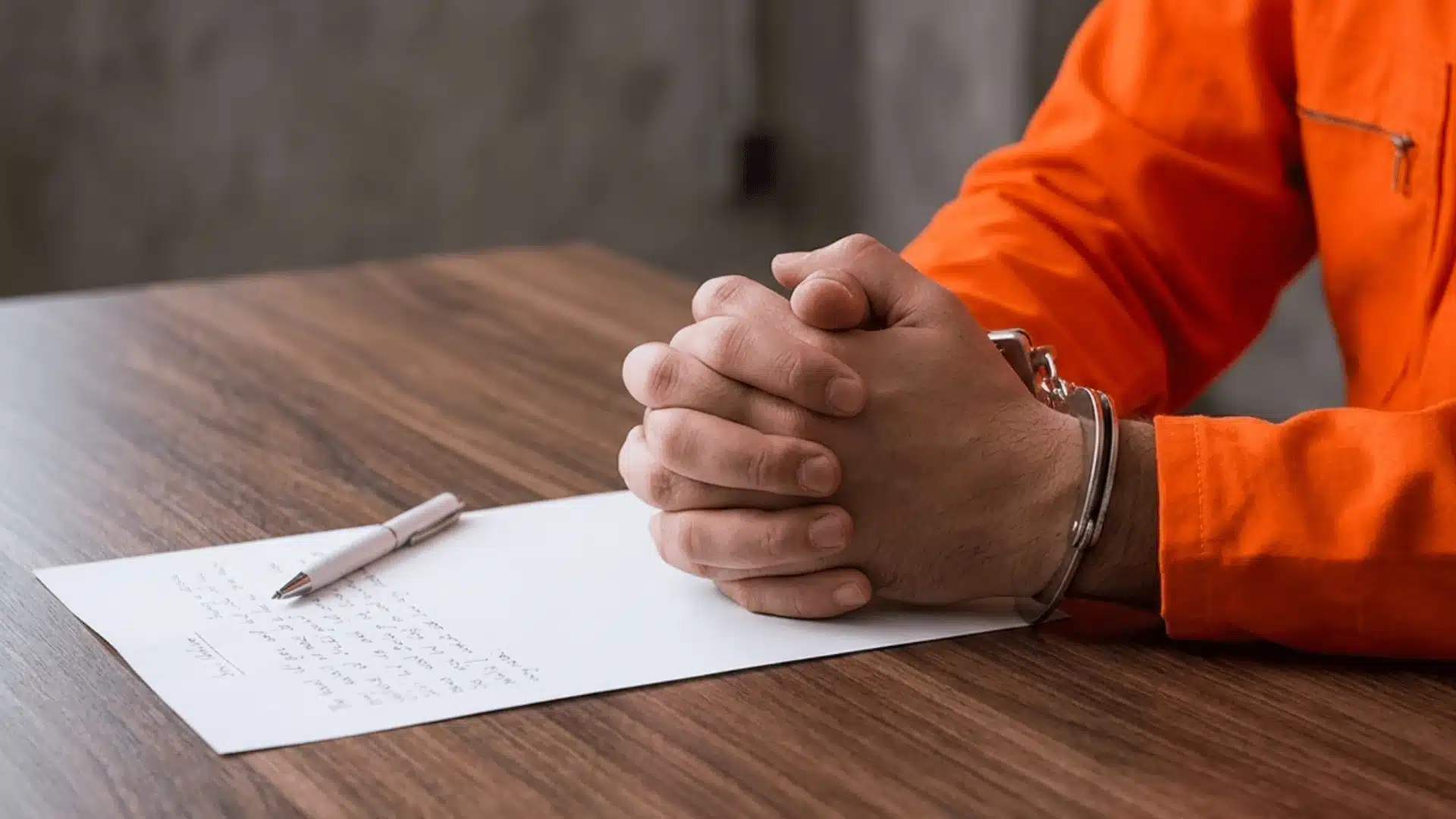
Probation is a sentence. A judge imposes it at the time of conviction as an alternative to sending someone to prison.
The person stays in the community and lives their regular life, but under a strict set of conditions set by the court.
A probation officer monitors compliance on an ongoing basis. Courts typically grant probation for lower-level offenses or for first-time offenders who do not pose a significant risk to public safety.
A non-violent misdemeanor, a first drug offense, or certain lower-level felonies are common examples where a judge may decide that incarceration is not necessary.
I have seen clients genuinely surprised to learn that probation is their actual sentence, not a waiting period before something worse.
That is exactly what it is. Serve it without violations, follow the conditions, and when the probation period ends, so does that portion of your legal obligation.
Probation length varies by offense category. Misdemeanors typically carry shorter terms. Felony probation can run several years.
For violent or sexual offenses, probation duration is often set at the maximum the statute allows, and the court has limited discretion to shorten it.
Under consecutive vs concurrent sentence rules, if you are convicted of multiple counts, how the judge structures the sentences affects how long your total probation period runs. This is worth understanding before sentencing.
What Does Parole Mean?
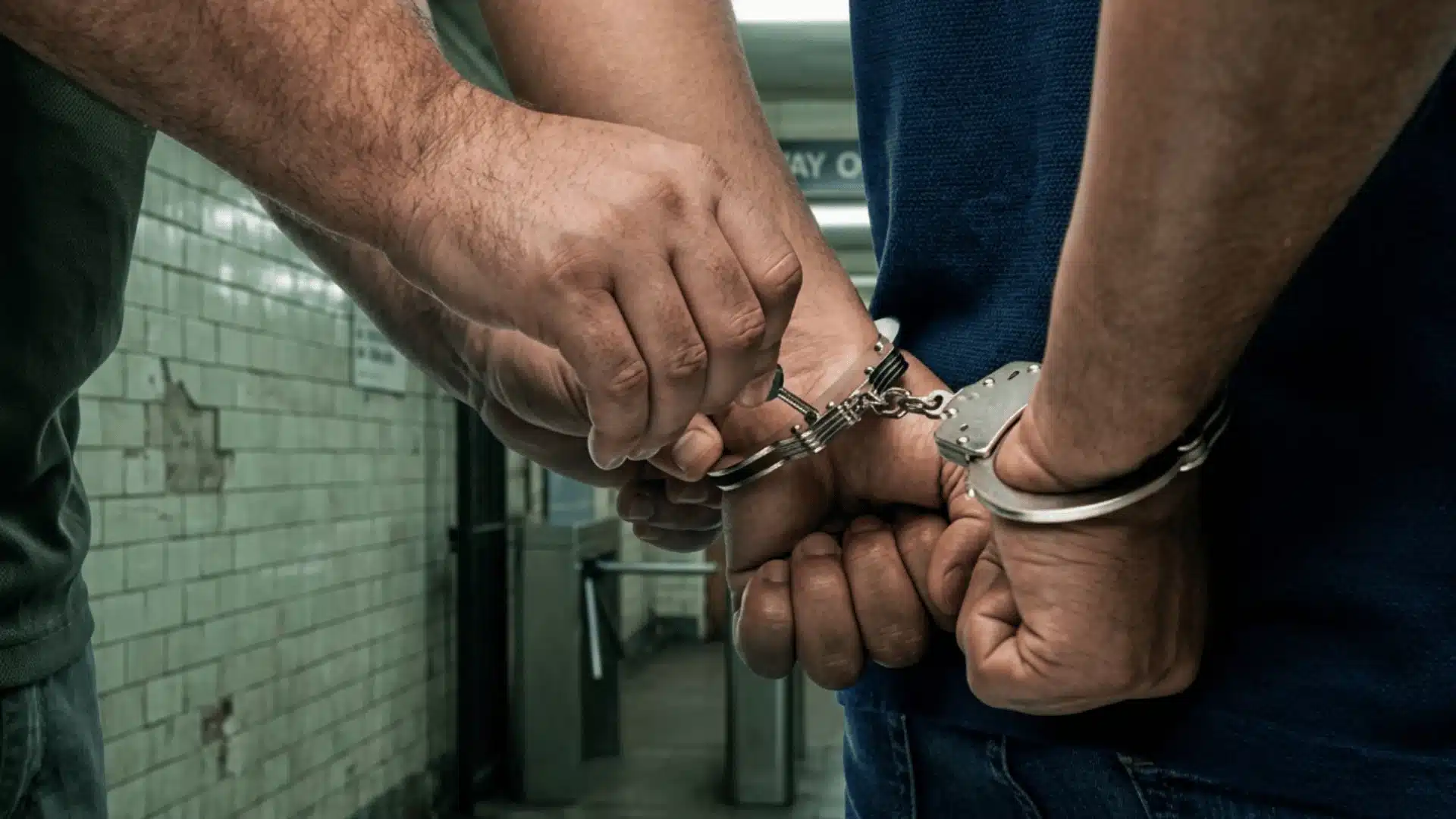
Parole is not a sentence. It is a form of early release granted after a person has already served a portion of their prison term. A parole board, not the sentencing judge, makes the decision.
The board reviews the case, considers the nature of the offense, the inmate’s behavior in prison, their risk to public safety, and their plan for reintegration into the community.
Parole is a privilege, not a right. An inmate can become eligible for parole after meeting a minimum time-served threshold, but eligibility does not guarantee release.
The board can deny parole and set a future review date. Victims typically have the right to provide input at parole hearings, and that input carries weight.
Once parole is granted, the person is released into the community but remains under the supervision of a parole officer.
They are, in a legal sense, still serving their sentence. The remainder of the original prison term is served by them. If they violate the conditions of parole, they can be sent back to prison to serve the remainder of their sentence.
The phrase detained vs arrested comes up frequently in discussions about what happens when a parolee has a run-in with law enforcement. Whether an interaction constitutes a detention or an arrest matters for how quickly a parole violation proceeding can begin.
What is the Difference Between Probation and Parole?
Probation and parole may seem similar, but the key difference lies in when they occur and who controls them.
Probation is ordered by a judge at sentencing and usually allows a person to avoid prison altogether. Parole is granted after part of a prison sentence has already been served and is approved by a parole board.
Probation is often given to people convicted of less serious, non-violent offenses, while parole typically applies to felony convictions and more serious crimes.
Probation is supervised through the court system, with the sentencing judge maintaining authority over the case.
Parole is managed by a parole board and parole officers. Violating probation may lead to stricter conditions or jail time, while violating parole can result in an immediate return to prison.
Conditions You Must Follow on Probation or Parole
Probation and parole both require strict compliance with supervision rules, and even minor violations can lead to serious legal consequences or a return to custody.
- Regular Reporting Requirements: Individuals must meet with their probation or parole officer as scheduled and provide updates about employment, residence, and daily activities.
- Employment and Program Participation: Most supervision terms require maintaining a job, attending school, or completing approved rehabilitation, counseling, or treatment programs.
- Drug, Alcohol, and DUI Compliance: Random testing is common, and alcohol related incidents may trigger violations. What a field sobriety test is is a frequent concern because DUI stops can affect supervision status even without a conviction.
- Travel and Association Restrictions: Permission is usually required before leaving the jurisdiction, and contact with felons, gangs, or restricted individuals is often prohibited.
- Searches and Additional Court Conditions: Officers may conduct warrantless searches, while courts can impose additional conditions such as community service, restitution, counseling, or location restrictions.
What Happens if You Violate Probation or Parole?
Violating probation or parole can quickly lead to stricter supervision, detention, or incarceration, depending on the seriousness of the violation and the supervising authority involved.
- Technical Violations: These happen when supervision rules are broken without committing a new crime, such as missing appointments, failing drug tests, or traveling without approval.
- New Criminal Offenses: Getting arrested or charged with another crime while on probation or parole is treated far more seriously and may trigger immediate revocation proceedings.
- Probation Warning and Sanctions: Many courts use graduated penalties for first-time technical violations, including warnings, tighter restrictions, counseling, or short confinement instead of full revocation.
- Parole Violation Arrests: A parole officer can detain someone immediately for a suspected violation, followed by a hearing before the parole board to determine consequences.
- Bond and Detention Limits: Understanding what a secured bond is matters because people accused of supervision violations are often held without standard bail options before hearings.
- Different Consequences: Probation violations usually allow more time and court review before incarceration, while parole violations can result in a rapid return to prison within days.
Is Parole and Probation the Same Thing?
They are not, though the confusion is understandable. Both involve community supervision. Both require you to report to an officer.
Both restrict where you can go, who you can associate with, and what you can do. Both can result in incarceration if you violate the terms.
The difference is in where you start. Probation starts before prison. Parole starts after it. A person on probation was never incarcerated under the sentence in question.
A person on parole was released early from a prison term they are still technically serving. The legal authority behind each is different, the body that can revoke it is different, and the stakes of a violation are different.
If someone asks whether parole and probation are the same thing, the shortest accurate answer is: similar structure, opposite timing, different consequences.
When to Contact a Criminal Defense Attorney?
Legal guidance can make a major difference during sentencing, parole hearings, or violation proceedings, especially when decisions directly affect freedom and future opportunities.
- Sentencing and Probation Advocacy: A criminal defense attorney can argue for probation instead of jail time and push for fair, manageable supervision conditions during sentencing.
- Negotiating Better Conditions: Judges have broad discretion when setting probation terms, and legal representation can help reduce unnecessary restrictions or demanding requirements.
- Parole Hearing Preparation: Parole hearings follow a structured process, and an attorney can help organize evidence, prepare statements, and present a stronger case before the board.
- Defending Against Violations: If accused of violating probation or parole, immediate legal action matters because attorneys can challenge allegations and present mitigating circumstances before revocation decisions.
- Acting Before Decisions Are Final: The criminal justice system moves quickly, and waiting too long to seek legal advice can limit options and increase the risk of incarceration.
Conclusion
Probation and parole both give people the opportunity to rebuild their lives outside of a cell. But they are not the same opportunity, and the rules that govern each are distinct.
Probation is a sentence served in the community instead of prison. Parole is supervised freedom earned after prison time has already been served.
The authority behind each is different, the conditions are set differently, and the consequences for violations are not equal.
If you or someone you care about is facing sentencing, a parole hearing, or a violation accusation, you should have a clear picture of what you are dealing with before you respond.
Leave a comment if you want to share your thoughts or experience with probation or parole.
Frequently Asked Questions
Can You Get Probation for A Felony?
Yes. Probation is available for certain felony convictions, depending on the offense category and the defendant’s criminal history. Courts typically consider the severity of the offense, the risk the person poses to public safety, and any mitigating circumstances. Not all felonies are probation-eligible, and some statutes outright prohibit probation for specific crimes.
How Long Does Parole Supervision Typically Last?
Parole length depends on the original sentence and the applicable statutes in the relevant jurisdiction. In many cases, parole runs until the expiration of the maximum sentence or until the board formally discharges the parolee. Behavior during supervision and compliance with conditions can affect whether discharge comes earlier or later.
Does Being on Probation or Parole Show up On a Background Check?
Yes. Both probation and parole status typically appear on criminal background checks. Employers, landlords, and licensing bodies may have access to this information depending on the type of check conducted and the laws of the jurisdiction. In some cases, certain records can be sealed or expunged after supervision ends, but this requires a formal legal process.