
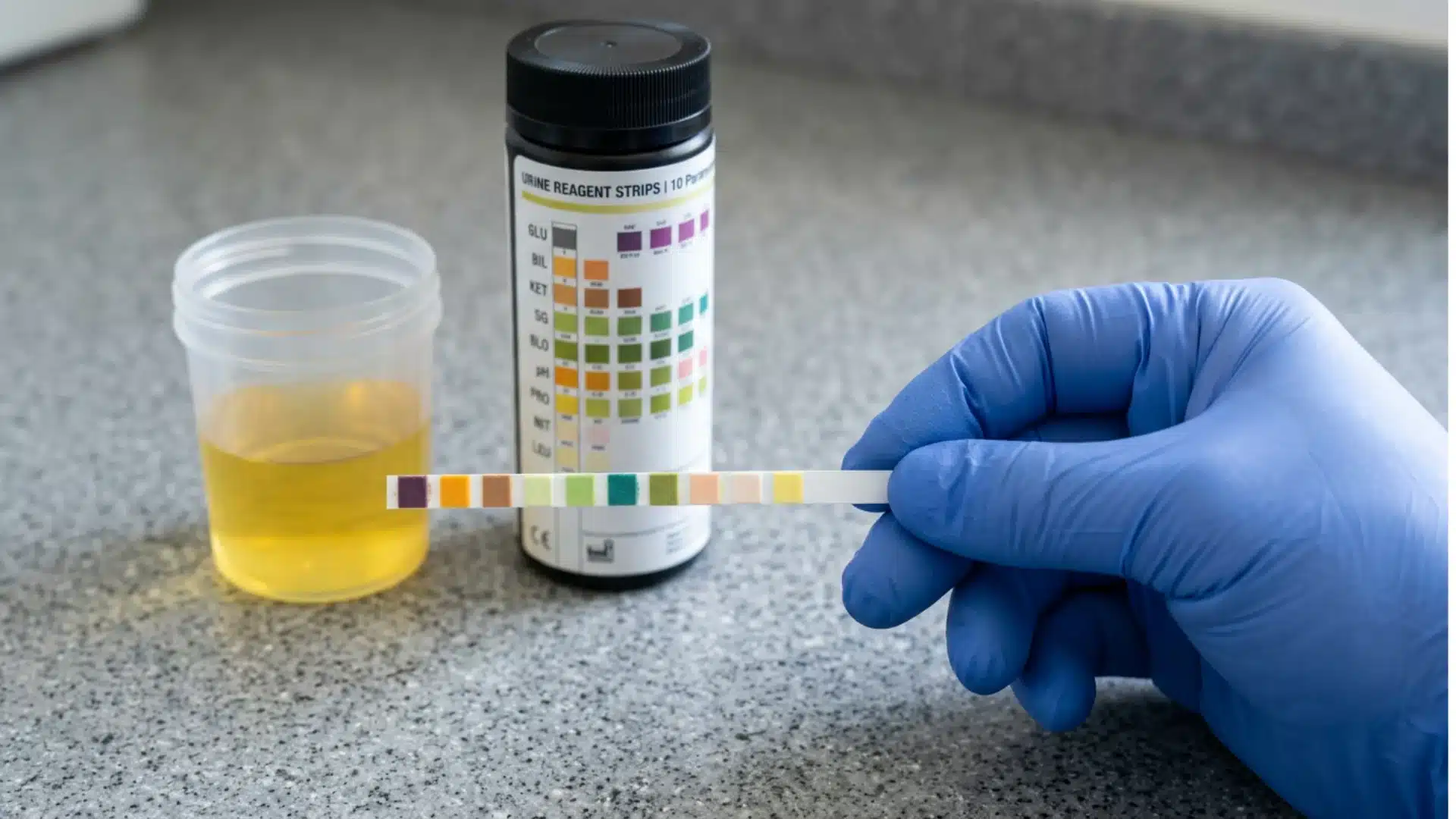
Think a few drinks over the weekend will be gone by Monday’s probation urine test? That assumption has caused problems for countless people under court supervision.
Most probation alcohol tests do not look for alcohol itself. They are looking for EtG, a metabolite that can remain in urine long after alcohol has left the bloodstream.
That means a person can feel completely sober and still receive a positive test result days later.
Understanding those factors can make the difference between passing a test and facing a probation violation.
This guide explains how long a probation urine test can detect alcohol, how EtG testing works, what affects detection windows, and what options may exist if a positive result is challenged.
How Long Can a Probation Urine Test Detect Alcohol?
The answer depends entirely on the type of test your probation officer orders. Most people assume urine testing just checks for alcohol. Many programs have moved beyond that for years.
| Test type | Detection window | What it measures |
|---|---|---|
| Standard ethanol urine test | 12 to 48 hours | Alcohol itself (ethanol) in urine |
| EtG urine test | 24 to 80 hours | Alcohol metabolite after alcohol is gone |
| Breathalyzer | 6 to 24 hours | Alcohol in the lung air correlates with blood level |
| Blood test | 12 to 24 hours | Alcohol directly in the bloodstream |
| Hair follicle test | Up to 90 days | Chronic alcohol use patterns (rarely used in routine probation) |
Why EtG Tests are Different from Standard Alcohol Urine Tests
EtG stands for ethyl glucuronide. It is a byproduct the liver produces when it processes ethanol.
Unlike ethanol, which clears the body within hours, EtG accumulates in urine and remains detectable well after the effects of alcohol have worn off.
This distinction matters on probation. A breathalyzer or standard urine test asks: Is this person currently under the influence?
An EtG test asks a different question: did this person consume alcohol in the past few days?
A positive EtG result does not prove the person was impaired at any point. It indicates alcohol exposure within the detection window, and that framing is legally significant if a result is ever disputed at a hearing.
Probation departments favor EtG because it supports abstinence monitoring rather than impairment detection, a different standard from what applies during, say, a field sobriety test on the roadside.
The “80-Hour EtG Claim” on a Probation Urine Test: What It Really Means
The 80-hour window is accurate for heavy drinking. It is not a universal countdown that applies equally to everyone.
The main variables are:
- Amount consumed: One or two drinks produce far less EtG than a night of heavy drinking. Lower EtG concentrations are cleared from the body faster.
- Drinking timeline: EtG production continues until the liver finishes processing alcohol. Someone who drank steadily until 3 AM generates more EtG than someone who stopped at 9 PM with the same drink count.
- Lab cutoff level: A 100 ng/mL cutoff will flag lower EtG concentrations than a 500 ng/mL cutoff. The same urine sample can yield different results depending on which threshold the lab uses.
- Urine concentration: Diluted urine reduces detectable EtG levels, though heavily diluted samples can themselves trigger additional scrutiny on probation.
- Individual metabolism: Age, liver function, body composition, and overall health all affect how quickly EtG clears.
EtG Test Accuracy: Cutoff Levels, False Positives, and Incidental Exposure
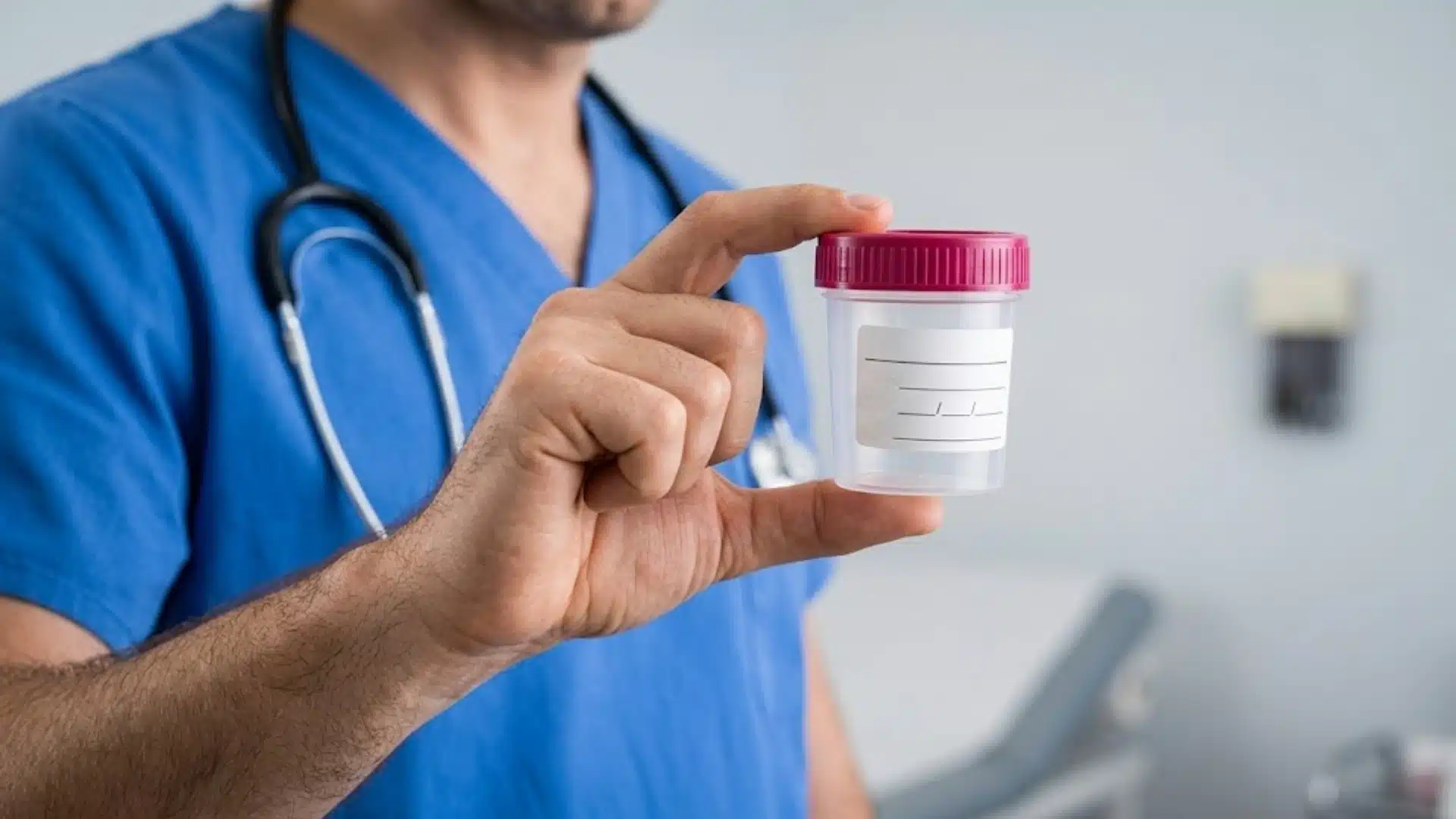
EtG testing is sensitive by design, but it creates a real problem: certain products that contain small amounts of ethanol can trigger a positive result even in people who have not consumed any alcohol.
- Mouthwash and breath spray (many contain 20% or more ethanol)
- Alcohol-based hand sanitizer
- Cough syrup and cold medications with alcohol as an inactive ingredient
- Vanilla extract and some baked goods
- Certain cosmetics, hair products, and aftershave
- Cleaning products with ethanol
Cutoff level matters. A 100 ng/mL cutoff may flag low-level environmental exposure, while a 500 ng/mL cutoff is less likely to produce false positives and can still detect moderate or heavy drinking.
Hydration does not erase EtG. Excess water may lower concentration, but the metabolite can remain present. A diluted sample may also trigger a flag, a failed test, or a retest, so it is not a workaround.
This section provides general information only. Anyone facing a probation violation should speak with a defense attorney before trying to explain or dispute a result on their own.
ETG Method: How Long Alcohol May Stay Detectable

Many Reddit users say the ETG method is different from a basic urine alcohol test.
Alcohol itself may only show for a few hours, but ETG can stay detectable longer because it looks for alcohol metabolites.
Some users mention research where people tested negative after around 50 hours at a 300 ng cutoff, while others say 30-40 hours is more realistic for light or occasional drinkers.
The often repeated 80-hour window is usually linked to heavy long-term drinkers or detox cases, not weekly abstainers.
Still, timing can depend on how much someone drank, their body, hydration, and the exact test cutoff. Most comments agree that after 2-3 days, the risk drops a lot, but the anxiety and uncertainty may not be worth it.
Can You Dispute a Positive EtG Result on Probation?
Yes, and there are legitimate grounds to do so. A positive EtG result is not automatically conclusive evidence of a probation violation. The process by which the result was obtained matters as much as the number on the report.
When a defense attorney reviews a positive EtG result, they typically examine the following:
- Test methodology: Rapid screening tests are less reliable than LC MS/MS confirmation. If only screening was used, request lab confirmation.
- EtS co-testing: Elevated EtG and EtS together suggest alcohol use more strongly. Low EtG alone is less conclusive.
- Chain of custody: Sample handling must be documented from collection to lab analysis. Missing steps can support a challenge.
- Dilution markers: Dilution markers can explain a low EtG reading or trigger retesting, depending on program rules and sample concentration.
- Disclosed products: Alcohol containing medications or products disclosed before testing may become relevant evidence at a probation violation hearing.
The burden of proof at a probation violation hearing is preponderance of the evidence, meaning “more likely than not.” That is a lower bar than a criminal trial standard, but it is not automatic.
What Happens if You Test Positive for Alcohol on Probation?
A positive alcohol test does not automatically mean jail. It usually starts a probation violation process. The outcome depends on your record, the court, the test result, and whether the result is disputed.
Possible outcomes can range from a warning to probation revocation:
| Possible outcome | What it may mean |
|---|---|
| Warning | Often used for a first minor violation with a clean record |
| More frequent testing | Extra check-ins or random alcohol testing |
| Extended probation | More time added to the supervision period |
| Treatment or counseling | Alcohol education or substance use counseling |
| SCRAM monitoring | A bracelet that monitors alcohol through skin perspiration |
| Stricter conditions | Curfews, travel limits, or electronic monitoring |
| Probation revocation | Jail time or the original suspended sentence in serious cases |
Judges take alcohol violations seriously in DUI cases specifically because alcohol use directly contradicts the reason for the supervision.
That said, what happens at the hearing is not predetermined. A first violation with a clean record and strong compliance history is treated differently from a pattern of repeated violations.
When to Contact a Defense Attorney
Contact an attorney before the violation hearing if any of the following apply:
- The test result is positive, but you did not consume alcohol
- You used mouthwash, hand sanitizer, or alcohol-containing medications before testing
- The result was based on a rapid screening test with no confirmatory follow-up
- The cutoff level used was 100 ng/mL, or it was not disclosed to you
- You have prior violations on your record
- The violation could result in jail time or probation revocation
An attorney can request the full lab report, review the cutoff level and test methodology, examine the chain of custody, and argue the appropriate weight the court should give the result.
In cases where incidental exposure is a realistic explanation, that argument can make a material difference at a hearing.
Conclusion
Probation alcohol testing can feel confusing, especially when one result may affect freedom, supervision, and future court decisions.
EtG testing makes timing unreliable because risk depends on more than the number of hours since the last drink.
The safest approach is to treat any alcohol restriction as strict abstinence, not a guessing game. If a positive result already exists, the next step is not to panic; it is to get the test details reviewed before the hearing.
Lab method, cutoff level, and sample handling can all matter. Careful action before court can protect your position and reduce avoidable mistakes.
Have questions about your probation urine test or violation? Comment below today.
Frequently Asked Questions
Can Drinking Non-Alcoholic Beer Affect a Probation Urine Test?
Non alcoholic beer may contain trace ethanol. A standard test is unlikely to flag it, but sensitive EtG testing may detect heavy recent consumption.
Will Drinking Water Help Me Pass an EtG Test?
No. Water may dilute urine but does not remove EtG or speed metabolism. Diluted samples can be flagged, failed, or require supervised retesting.
How Often Does a Probation Officer Test for Alcohol?
Testing frequency varies by case. Some people test monthly, while DUI or higher-risk probation may require weekly, random, or color-code testing.