
A preliminary hearing is one of the first steps in a criminal case. It gives the court a chance to look at the basic facts before the case moves deeper into the system.
The judge does not decide guilt at this stage. Instead, the judge checks whether there is enough evidence for the case to continue.
For anyone trying to understand what happens at a preliminary hearing, the main idea is simple: the prosecution presents limited proof, the defense can question parts of it, and the judge decides the next step.
In this blog, I will explain the purpose of the hearing, who takes part in it, what kind of evidence may be shown, how it differs from a trial, and what outcomes can follow once the hearing ends.
What Happens at a Preliminary Hearing?
A preliminary hearing is an early court hearing in a criminal case. Its purpose is to help the judge decide whether the case has enough support to keep moving forward.
It is not meant to prove guilt or decide the final result. Several people may be in the courtroom.
This usually includes the judge, prosecutor, defense lawyer, defendant, court staff, and sometimes witnesses.
In some cases, law enforcement officers may also testify about what they saw, heard, or investigated. The judge listens to limited evidence at this stage.
The prosecutor may present basic facts, documents, or witness testimony. The defense may question witnesses and point out weak parts of the case.
Still, this is not the trial. The judge only decides whether the case can continue.
Why Do Courts Hold Preliminary Hearings?
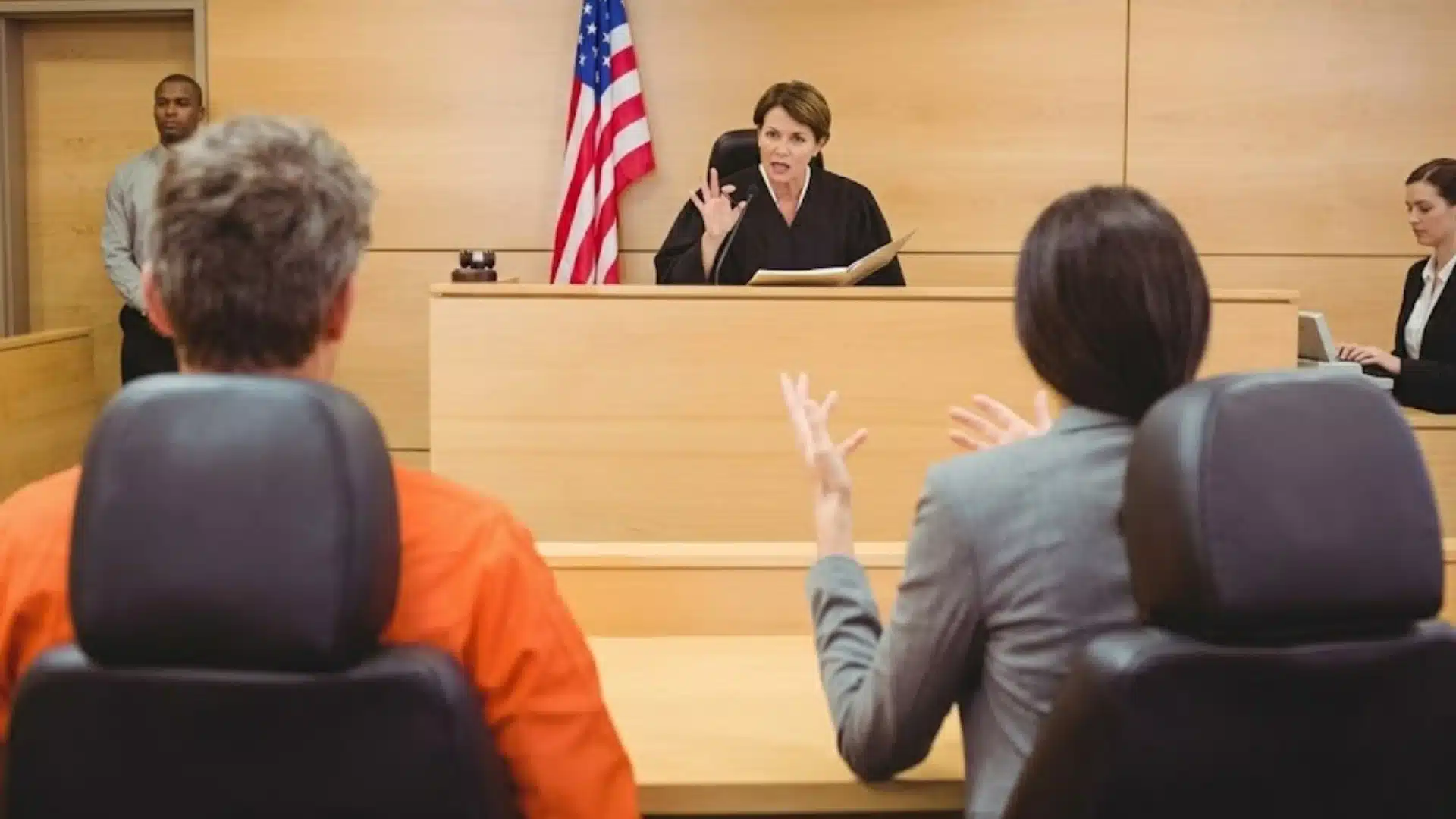
Courts use preliminary hearings to determine whether there is probable cause to support the charges.
Probable cause means there is enough evidence to reasonably believe that a crime may have been committed and that the defendant may be connected to it.
This step helps the court decide whether the case should continue through the criminal justice system.
Key reasons for a preliminary hearing include:
- Reviewing whether probable cause exists
- Examining the basic evidence presented by the prosecution
- Allowing the defense to challenge weak parts of the case
- Deciding if the charges should move forward
The judge does not decide guilt or innocence during this hearing. That decision can only be made later through a plea agreement or trial.
By requiring an early review of the evidence, preliminary hearings also help prevent weak or unsupported charges from advancing too easily.
Where Does a Preliminary Hearing Fit in the Criminal Court Process?
A preliminary hearing usually happens after the case begins, but before the court moves toward deeper trial steps.
- Arrest or charges: The case starts when a person is arrested, cited, or formally accused, giving the court a reason to begin the legal process.
- First court appearance: The defendant appears before a judge, hears the basic charges, and may deal with bail, release terms, or future court dates.
- Preliminary hearing: The judge reviews limited evidence from the prosecution and decides whether the case has enough support to continue in court.
- Arraignment or trial court stage: If the case moves forward, the defendant may enter a plea, and the case moves into the next formal court stage.
- Plea talks, motions, or trial: After that, both sides may discuss a plea, file legal motions, review evidence, or prepare for trial.
What the Prosecutor Must Show in a Court Hearing?
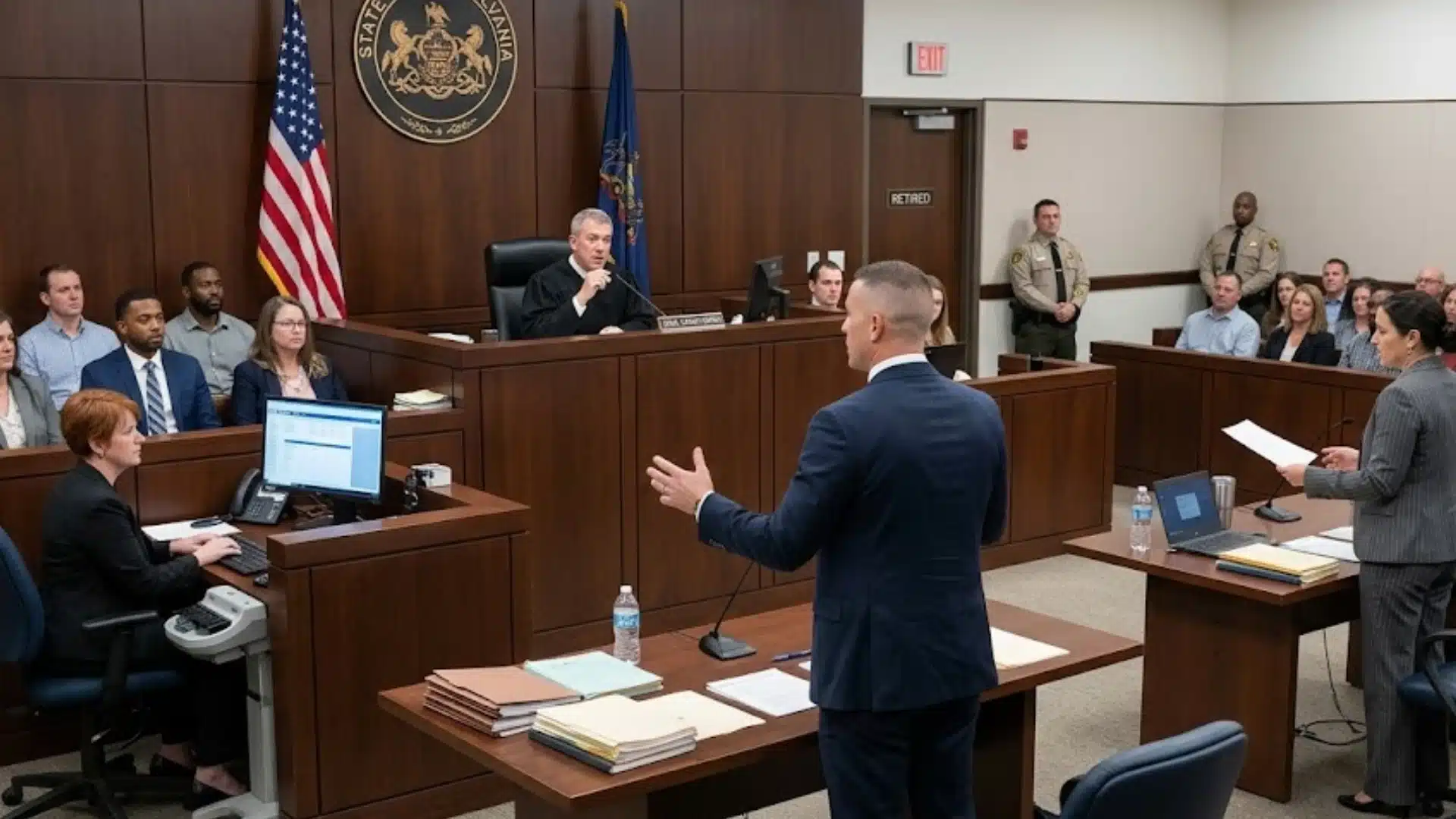
At a preliminary hearing, the prosecutor must present enough evidence to show that the case deserves to move forward. The burden is much lower than at trial.
The goal is not to prove guilt beyond a reasonable doubt. Instead, the prosecutor must show that there is probable cause to support the charges.
The evidence presented may include:
- Basic evidence connected to the alleged crime
- Witness statements that support the prosecution’s version of events
- Witness testimony or sworn statements that support the prosecution’s version of events
- Documents, reports, or other facts that help explain the charges
After reviewing this information, the judge decides whether the case should continue. If the evidence suggests that a crime may have occurred and the defendant may be involved, the case usually moves forward.
If the proof is too weak or does not support the charges, the judge may dismiss the case or certain charges.
Can Evidence Be Challenged at a Preliminary Hearing?
Yes, and this is one of the more important things to understand about how these hearings actually work. The rules of evidence at a preliminary hearing are more relaxed than at trial.
One significant difference is that hearsay evidence is often allowed. A police officer can testify about what a witness told them, even if that witness is not in the courtroom.
At trial, this would generally not be permitted. At a preliminary hearing, courts in many jurisdictions allow it.
This sometimes leads defendants to feel that the process is stacked against them at this stage, which is why having legal representation matters.
That said, the defense can still challenge the credibility of witnesses, raise questions about how evidence was obtained, and argue that constitutional violations (such as an unlawful search) should disqualify certain evidence.
A good defense attorney may use the preliminary hearing to build arguments that will carry weight later in the process.
What Can the Defense Do at the Hearing?
A preliminary hearing gives the defense an opportunity to respond to the prosecution’s evidence.
While the defense is not required to prove innocence, it can challenge parts of the case and test the strength of the evidence presented.
This stage can also provide valuable information about how the prosecution plans to proceed.
The defense may:
- Question witnesses through cross-examination
- Point out inconsistencies or weak facts in the evidence
- Challenge the reliability of witness testimony
- Learn more about the prosecution’s arguments and evidence
Even so, a preliminary hearing is only an early step in the legal process. The defense may not reveal its full strategy at this point.
A case that moves forward after the hearing can still face additional challenges, motions, plea discussions, or a trial where the evidence receives a much deeper review.
Preliminary Hearing vs Grand Jury
A preliminary hearing and a grand jury both help determine whether there is enough evidence to move a criminal case forward, but they differ in process, participants, and transparency.
| Aspect | Preliminary Hearing | Grand Jury |
|---|---|---|
| Purpose | Determines if enough evidence exists to proceed to trial. | Determines whether to issue an indictment (formal charge). |
| Who Decides? | A judge. | A panel of citizens (grand jurors). |
| Public or Private? | Usually open to the public. | Conducted in secret. |
| Defendant Present? | Yes, the defendant and attorney can attend. | No, the defendant is generally not present. |
| Defense Participation | Defense can cross-examine witnesses and challenge evidence. | Defense typically cannot present arguments or cross-examine witnesses. |
| Witness Testimony | Witnesses testify in court and may be questioned by both sides. | Witnesses testify before jurors, usually questioned only by prosecutors. |
| Outcome | The judge decides whether the case proceeds to trial. | The grand jury decides whether to issue an indictment. |
| Common Use | Frequently used in state felony cases. | Commonly used in federal cases and some state cases. |
Possible Outcomes After a Preliminary Hearing
After the judge reviews the evidence, several things can happen. The result depends on the facts, charges, and local court rules.
- Case moves forward: The judge may find enough evidence to let the case continue to the next stage of the court process.
- Charges are reduced: The judge may decide that some charges are too broad or unsupported, leading to lesser charges moving forward.
- Charges are dismissed: If the evidence is too weak, the judge may dismiss one charge, several charges, or the whole case.
- Defendant waives the hearing: The defendant may choose to skip the hearing, often after advice from a defense lawyer.
- The case may continue another way: In some places, prosecutors may use another legal process to continue the case, depending on local rules.
Understanding the difference between probation and parole can be useful context for defendants thinking about what comes later in the process.
How is a Preliminary Hearing Different From a Trial?
Although both happen in court, a preliminary hearing and a trial have different purposes.
A preliminary hearing uses a lower proof standard because the judge is only checking whether the case has enough support to continue.
The judge does not decide whether the defendant is guilty or not guilty at this stage. That decision comes later, if the case reaches trial or ends through a plea.
A preliminary hearing also usually has fewer witnesses and takes less time than a trial. The evidence is limited, and the process is not as detailed.
The judge focuses on one main question: should the case move forward?
At trial, both sides present fuller evidence, question more witnesses, and argue the case in much greater detail before a final decision is made.
Conclusion
A criminal case can feel intimidating when the process is unclear, but a preliminary hearing helps bring structure to the early stage.
It gives the court a focused way to review the strength of the charges before more serious steps follow.
Knowing what happens at a preliminary hearing also helps readers understand why evidence, witness testimony, and legal arguments matter long before a trial begins.
The hearing can move a case forward, narrow the issues, or sometimes stop charges from continuing.
That makes it an important checkpoint, not just another court date. With the right understanding, the process becomes easier to follow and less overwhelming.
Do you have a preliminary hearing coming up or questions about the process? Comment below and share what you want to understand next.
Frequently Asked Questions
Can a Preliminary Hearing Be Rescheduled?
Yes, a preliminary hearing may be rescheduled in some cases. This can happen if one side needs more time, a witness is unavailable, or the court has a scheduling issue.
Is a Preliminary Hearing Open to the Public?
In many cases, preliminary hearings are open to the public. However, access can depend on the court, the type of case, and whether the judge limits attendance for a specific reason.
Should a Lawyer Be Present at a Preliminary Hearing?
A lawyer should usually be present because this hearing can affect the direction of the case. A defense lawyer can protect rights, question witnesses, and explain the possible next steps.