-
When a legal case reaches the courtroom, facts alone are never enough. What truly shapes the outcome is the ability to prove those facts with solid evidence.
A single text message, fingerprint, contract, or witness statement can completely change the direction of a case within minutes.
That is why understanding the different types of evidence matters far beyond lawyers and judges.
From criminal investigations to civil disputes, evidence helps courts determine what happened, who may be responsible, and whether a claim can actually stand.
This blog post explains the major forms of evidence used in legal proceedings, how they are evaluated, and why some carry more weight than others in court.
What is Evidence and What are Its Types?
In law, evidence is any information, testimony, document, or physical item used to prove or disprove facts in a legal case.
Courts rely on evidence to determine what actually happened and whether a claim can legally be supported. Without evidence, allegations alone carry little weight.
Evidence comes in four primary categories: physical, testimonial, documentary, and digital.
Each type serves a different purpose during litigation, and courts evaluate them differently based on authenticity, reliability, and relevance to the facts being argued.
In my experience supporting attorneys through discovery and trial prep, the category of evidence matters less than how well it is collected and preserved.
The strongest case I have seen fall apart did so because surveillance footage was overwritten three days before counsel sent the preservation notice.
Types of Physical Evidence
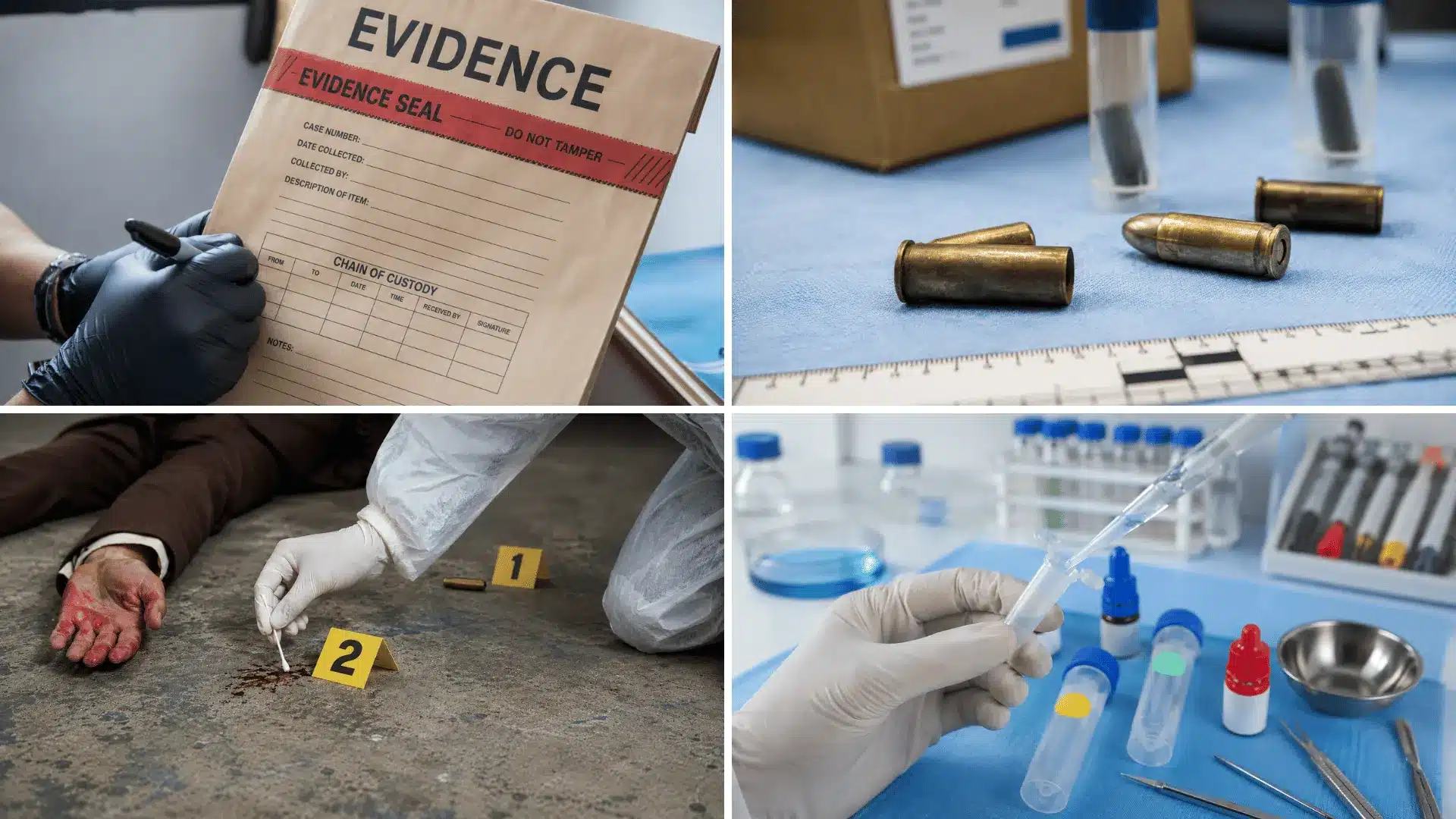
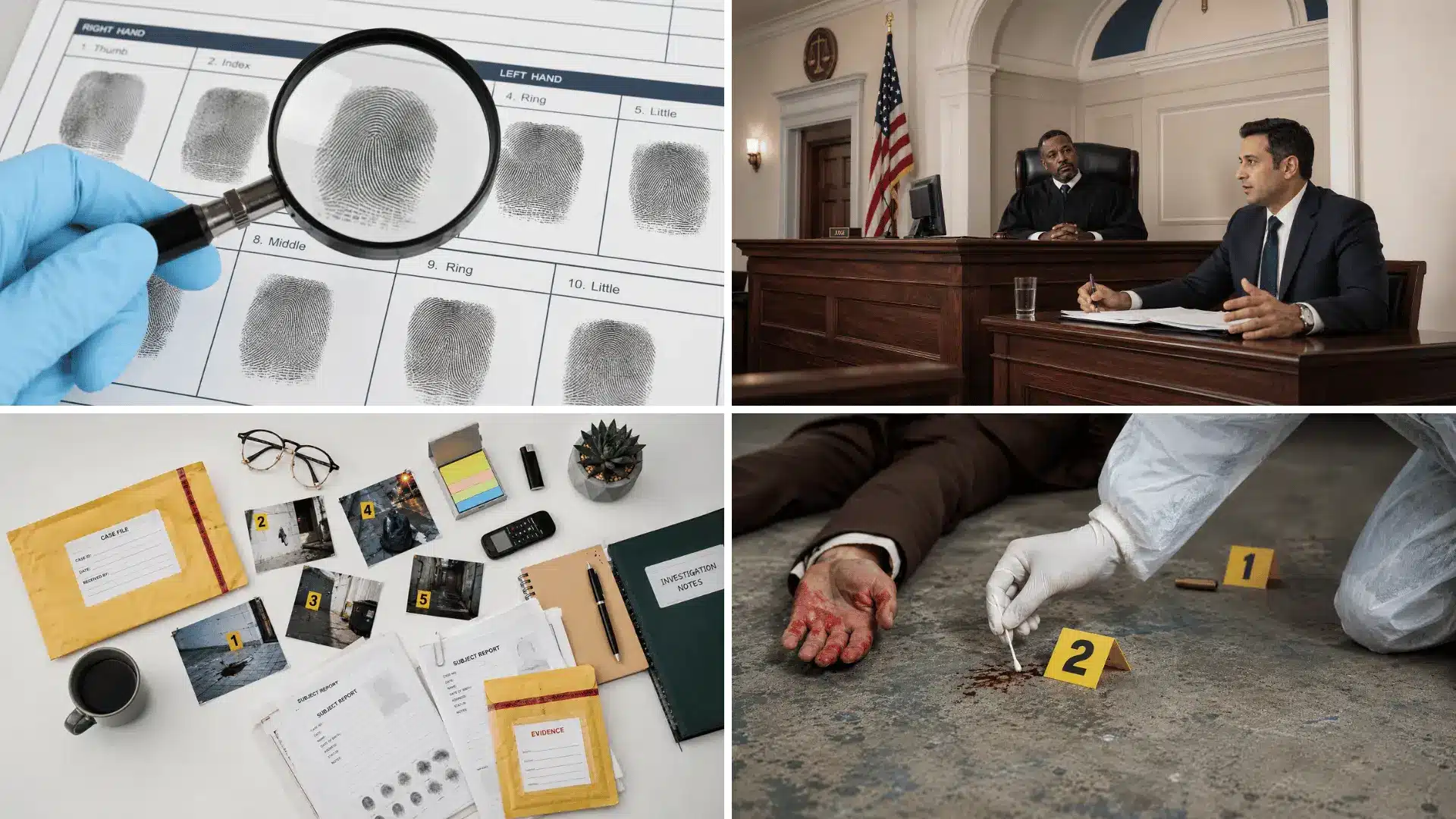
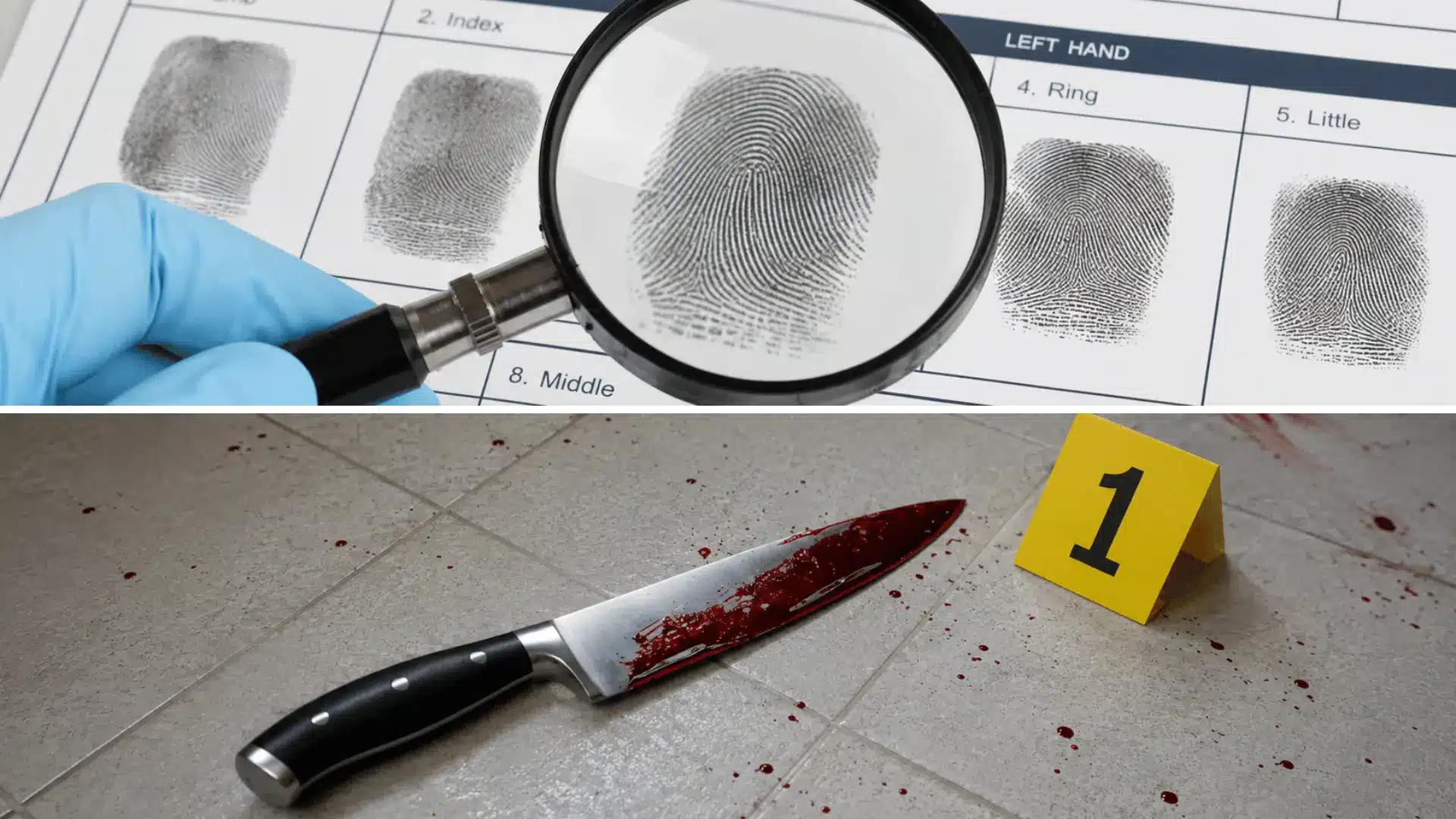
Physical evidence is any material object presented to the court that has a direct connection to the events in question. It is one of the most persuasive forms of evidence because it is something a jury can see, touch, or examine directly.
1. Real Evidence
Real evidence refers to the actual physical object directly connected to a legal dispute or criminal investigation.
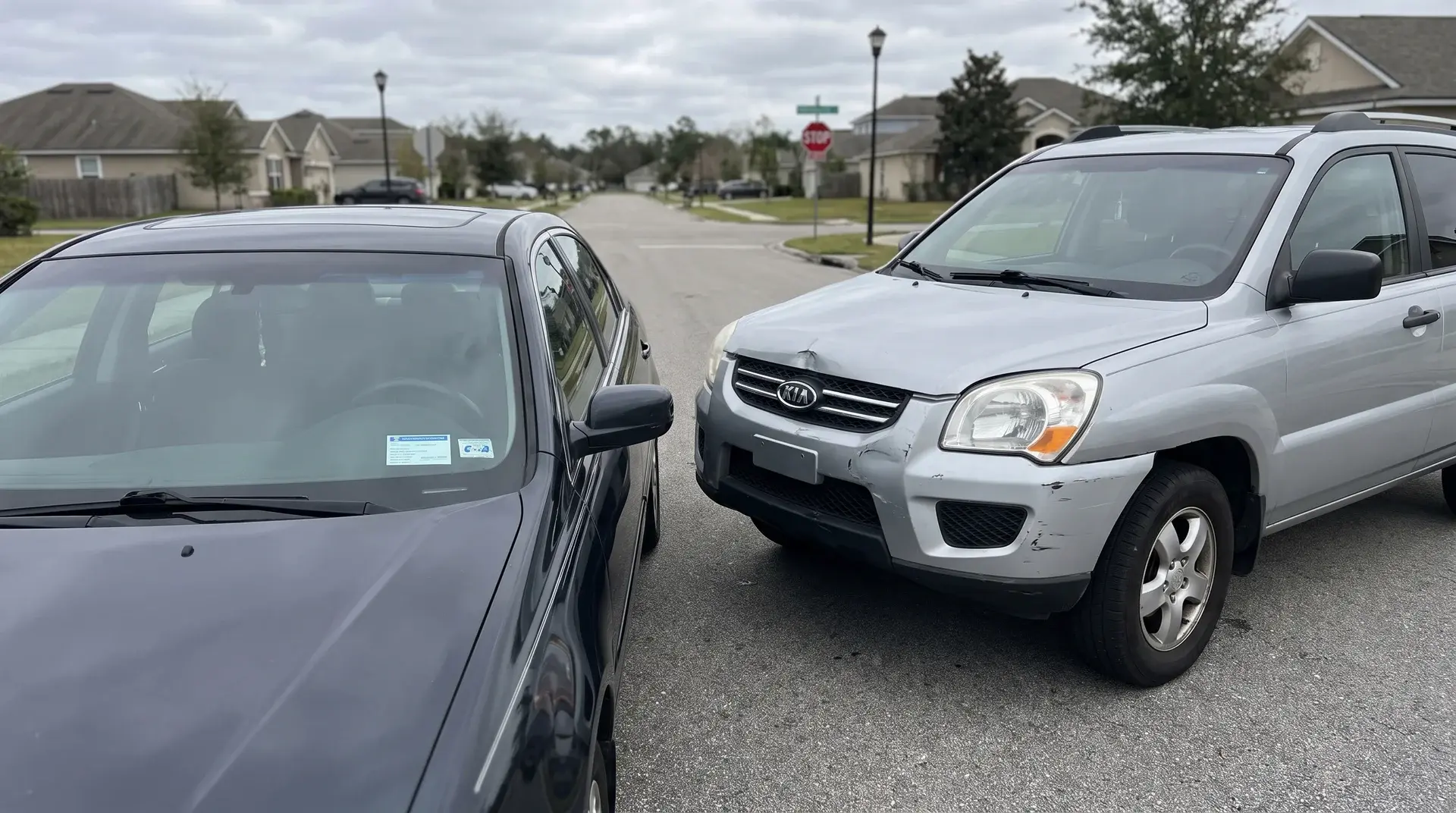
This can include weapons, damaged vehicles, defective machinery, torn clothing, or any item physically involved in the event.
Courts require attorneys to establish a clear chain of custody proving the object remained unchanged from the time it was collected.
If proper handling cannot be proven, opposing counsel may challenge the evidence’s authenticity or admissibility during trial proceedings.
2. Demonstrative Evidence
Demonstrative evidence is created specifically to explain, clarify, or visually represent other evidence presented in court. Examples include accident reconstruction models, medical illustrations, maps, diagrams, timelines, and digital simulations.
Unlike real evidence, it is not taken directly from the incident itself. Courts only allow demonstrative exhibits when they fairly and accurately represent the facts being discussed.
Attorneys often use this evidence to help judges and juries better understand complex technical details during testimony.
3. Forensic Evidence
Forensic evidence consists of physical materials analyzed through scientific testing and specialized laboratory methods. Common examples include DNA profiling, fingerprint analysis, blood spatter interpretation, toxicology reports, and firearm residue testing.
Courts apply strict procedures governing the collection, preservation, transportation, and examination of forensic evidence. Laboratories follow nationally recognized scientific standards to maintain accuracy and reliability.
Because forensic findings can heavily influence verdicts, both sides frequently challenge the methodology, qualifications, and conclusions presented by forensic experts.
4. Trace Evidence
Trace evidence involves microscopic materials transferred during physical contact between people, objects, or environments. Hair strands, fabric fibers, soil particles, shattered glass, and paint fragments are common examples examined in investigations.
Although individually small, these materials can establish important connections between suspects, victims, and crime scenes.
Forensic specialists analyze trace evidence under controlled laboratory conditions using microscopes and chemical testing methods.
Courts often consider trace evidence valuable when it supports broader physical or circumstantial evidence presented during litigation or criminal prosecution.
5. Biological Evidence
Biological evidence includes bodily substances such as blood, saliva, sweat, skin cells, tissue, and DNA samples collected during investigations. It is considered one of the strongest forms of physical evidence when properly handled and scientifically tested.
DNA analysis can identify individuals with very high statistical reliability when properly collected and tested, and has played a major role in both convictions and exonerations of the wrongfully convicted.
DNA evidence has driven both convictions and exonerations. The Innocence Project has documented hundreds of cases in which biological evidence overturned prior verdicts and freed individuals who were wrongly convicted.
6. Ballistic Evidence
Ballistic evidence relates to firearms, ammunition, bullet trajectories, spent shell casings, and gunshot residue discovered during investigations.
Forensic examiners compare microscopic markings on bullets and casings to evaluate whether they may have been fired from a particular weapon. Ballistic analysis can help establish firing distance, shooting position, and sequence of events.
Courts frequently rely on this evidence in criminal prosecutions and civil lawsuits involving shootings. Attorneys often challenge ballistic conclusions by questioning testing procedures, examiner qualifications, and the scientific reliability of comparisons.
Types of Testimonial Evidence
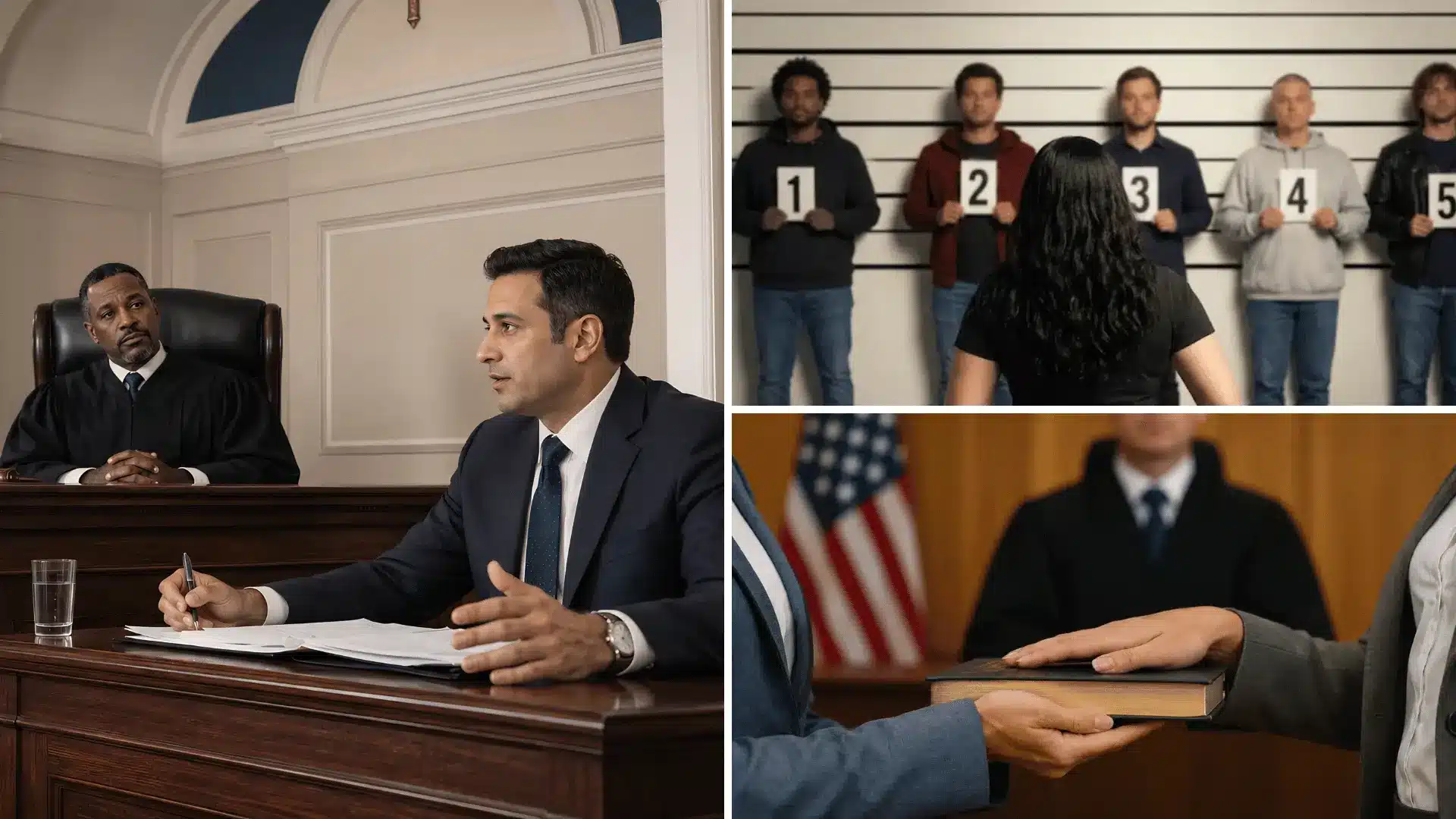
Testimonial evidence is any statement made by a witness under oath, either in person or through a sworn written declaration. It is the oldest and most common form of evidence in legal proceedings.
7. Direct Testimony
Direct testimony comes from witnesses who personally observed, heard, or experienced the events being discussed in court.
A driver witnessing a collision, an employee observing unsafe workplace conduct, or a bystander hearing an argument all provide direct testimony. This type of evidence can strongly influence juries because it describes firsthand experiences rather than assumptions.
However, credibility remains critical. Courts examine the witness’s memory, consistency, perception, honesty, and behavior during cross-examination before deciding how much weight the testimony deserves.
8. Expert Witness Testimony
Expert witness testimony is provided by individuals with specialized education, training, or professional experience in technical fields beyond ordinary public understanding.
Doctors, engineers, accident reconstruction specialists, economists, and forensic scientists commonly testify as experts. Their role is to explain complicated subjects and provide professional opinions relevant to the dispute.
Courts carefully evaluate whether an expert is properly qualified and whether their methods are scientifically reliable. The Federal Rules of Evidence set qualification standards for expert witnesses under Rule 702.
9. Character Witness Testimony
Character witness testimony involves statements about a person’s reputation, moral conduct, honesty, or general behavior within a community.
In criminal cases, defendants may introduce character witnesses to suggest that they are unlikely to have committed the alleged offense. Civil courts admit this type of evidence cautiously and usually only in narrow circumstances.
The value of character testimony depends on the witness’s relationship with the individual and the relevance of the testimony to the issues being disputed in court proceedings or legal claims.
10. Eyewitness Testimony
Eyewitness testimony is based on what a person claims to have directly seen during an incident or event.
Although juries often find eyewitnesses persuasive, courts recognize that human memory can be imperfect and influenced by stress, lighting conditions, fear, or suggestion.
Mistaken eyewitness identification has contributed to wrongful convictions in numerous criminal cases.
Because of these risks, attorneys carefully examine inconsistencies, perception limits, and prior statements during cross-examination to determine whether the testimony can be considered dependable and accurate.
Types of Documentary Evidence

Documentary evidence is any record or written material submitted to the court. It is frequently used in civil litigation, contract disputes, and personal injury cases throughout the USA.
11. Written Documents
Written documents include contracts, letters, reports, handwritten notes, business records, and internal communications presented as evidence in legal proceedings.
Courts require proof that documents are authentic and have not been altered or forged. Original documents are traditionally preferred under evidence rules, although duplicates and digital copies are often admissible when authenticity is not disputed.
In civil litigation, written records often become central evidence supporting financial claims, contractual obligations, or timelines.
Attorneys frequently rely on document examination experts when authenticity or authorship is disputed during trial or settlement negotiations.
12. Photographs and Video
Photographs and video recordings provide visual evidence that can strongly support or contradict witness testimony in court. Examples include surveillance footage, dashcam recordings, security camera clips, and accident scene photographs.
Courts require proper authentication proving when, where, and how the images were captured. Visual evidence can significantly influence juries because it presents events in a direct, understandable way.
If you are involved in an automobile accident lawsuit process, preserving visual documentation from the scene immediately is one of the most important steps you can take.
13. Medical Records
Medical records document injuries, diagnoses, treatment history, medications, surgeries, and physician evaluations connected to a legal claim.
In personal injury cases, these records help establish the severity of the injuries and link them directly to the incident.
Courts carefully review timelines, treatment consistency, and physician opinions when evaluating damages. Defense attorneys often examine gaps in treatment or prior medical conditions to dispute claims.
Privacy laws also regulate how medical records are obtained, shared, and introduced during litigation or settlement discussions.
14. Contracts and Agreements
Contracts and agreements serve as direct evidence of legally binding obligations between the parties to a dispute.
Courts examine the language, signatures, dates, and circumstances surrounding the agreement to determine the parties’ intent and whether a breach occurred.
Written contracts are usually easier to enforce because they clearly document agreed-upon terms and responsibilities. Disputes often arise over unclear wording, verbal modifications, or incomplete performance.
Attorneys commonly analyze contract provisions carefully to support claims involving payment disputes, services, or business relationships.
15. Public Records
Public records are official government documents created and maintained by authorized agencies or institutions. Examples include police reports, birth certificates, court filings, property deeds, marriage licenses, and regulatory documents.
Courts often treat properly certified public records as reliable evidence because they are created during official governmental activities. In many civil and criminal cases, public records establish foundational facts without requiring extensive witness testimony.
Attorneys frequently use them to verify ownership, timelines, legal status, prior proceedings, or official actions connected to the dispute being litigated.
Types of Digital Evidence

Digital evidence has become one of the most contested and rapidly developing areas of evidence law. Courts and attorneys are still refining how this category is collected, preserved, and authenticated.
16. Electronic Communications
Electronic communications include emails, text messages, online chats, and direct messages exchanged through digital platforms. These records can establish timelines, reveal intent, confirm agreements, or contradict testimony presented in court.
Metadata attached to electronic communications, such as timestamps and sender details, often becomes critical in proving authenticity. Attorneys frequently request full digital records during discovery to examine possible deletions or alterations.
Courts carefully evaluate how electronic evidence was preserved, as improper handling can affect its reliability and admissibility in litigation or criminal prosecution.
17. Social Media Content
Social media evidence includes posts, photographs, videos, comments, check-ins, and private messages shared on online platforms. Courts increasingly accept this material in both civil and criminal proceedings when properly authenticated.
Social media activity can reveal behavior, locations, relationships, or statements relevant to the dispute.
Publicly available social media posts are often admissible in court, although privacy expectations and admissibility standards may vary depending on how the information was obtained and the laws of the jurisdiction.
Deleting content after legal proceedings begin can result in sanctions, as courts may consider it the intentional destruction of potentially important evidence.
18. Surveillance Footage
Surveillance footage comes from security cameras installed in businesses, public spaces, traffic systems, homes, or private properties. This evidence is commonly used to establish timelines, identify individuals, and verify events described by witnesses.
Courts require proof showing the footage was lawfully obtained and accurately preserved without manipulation. Timing is extremely important because many surveillance systems automatically overwrite recordings after short periods.
Attorneys often send preservation notices quickly to prevent valuable evidence from being permanently erased before litigation formally begins.
19. GPS and Location Data
GPS and location data can track a person’s movements through smartphones, vehicle systems, fitness devices, or navigation applications. This evidence may confirm whether someone was present at a specific place during a particular time.
Courts increasingly encounter disputes involving digital tracking information in criminal investigations, accident cases, and civil litigation. Legal standards governing access to location data continue evolving as technology advances.
Probable cause standards govern law enforcement access, and the legal framework around location tracking continues to evolve through court decisions at both the state and federal levels.
Additional Types of Evidence Recognized in Court
Beyond the four primary classes, several additional evidence categories appear regularly in court proceedings and are worth understanding on their own terms.
20. Circumstantial Evidence
Circumstantial evidence indirectly supports a conclusion by allowing judges or juries to make reasonable inferences from surrounding facts. Unlike direct evidence, it does not, on its own, immediately prove a claim.
For example, wet footprints inside a building may suggest someone entered during heavy rain. Courts recognize circumstantial evidence as legally valid, and many cases rely heavily on reasonable inferences drawn from surrounding facts.
Many criminal convictions and civil verdicts are based substantially on logical inferences supported by multiple pieces of surrounding evidence.
21. Direct Evidence
Direct evidence supports a fact without requiring additional inference, although the credibility and reliability of the evidence may still be challenged. Examples include a signed agreement proving consent or a witness personally observing a crime.
Because the connection between the evidence and the fact is immediate, juries may find direct evidence especially persuasive. However, courts still carefully evaluate credibility, reliability, and authenticity.
Even direct evidence can be challenged through cross-examination, contradictory testimony, or proof that the evidence was misunderstood, incomplete, or improperly obtained during the investigation.
22. Exculpatory Evidence
Exculpatory evidence tends to clear a defendant of fault or guilt. In criminal cases, prosecutors are legally required to disclose it to the defense under the Brady rule, established in Brady v. Maryland.
Prosecutors are legally required to disclose exculpatory evidence to the defense under constitutional rules established by court precedent.
Failure to provide such evidence can lead to overturned convictions, dismissed charges, or professional sanctions. Courts consider suppression of exculpatory evidence a serious violation of due process rights.
23. Hearsay Evidence
Hearsay evidence involves an out-of-court statement introduced to prove the truth of what was said. Courts generally restrict hearsay because the original speaker cannot be cross-examined directly before the jury.
However, legal rules recognize numerous exceptions where hearsay may still be admitted, including excited utterances, business records, dying declarations, and medical statements.
Attorneys frequently argue over whether specific testimony qualifies as hearsay and whether an exception applies. Judges ultimately decide admissibility based on reliability and procedural fairness considerations.
24. Scientific Evidence
Scientific evidence is based on recognized scientific principles, testing methods, and technical analyses performed by qualified experts.
Examples include toxicology studies, engineering evaluations, accident reconstruction reports, and laboratory findings. Courts examine whether the methods used are reliable, peer-reviewed, testable, and generally accepted within the scientific community.
Under standards such as Daubert in federal courts, judges act as gatekeepers by excluding scientific opinions that are not considered sufficiently reliable or relevant.
Attorneys often present competing experts who disagree over methodology, assumptions, or interpretation, making scientific evidence highly contested in complex litigation.
25. Statistical Evidence
Statistical evidence uses numerical data, probability analysis, surveys, and mathematical models to support legal arguments or challenge claims.
It frequently appears in discrimination lawsuits, environmental disputes, product liability cases, and economic damage calculations.
Courts evaluate whether the statistical methods used are scientifically sound and appropriately applied to the facts of the case. Opposing attorneys often challenge sample sizes, assumptions, calculations, or data sources.
When properly constructed and explained, statistical evidence can strongly influence how judges and juries interpret broader patterns or trends.
Difference Between Evidence in Criminal and Civil Cases
Courts evaluate evidence differently in criminal and civil cases because each follows a separate legal standard that determines how convincing the proof must be.
Aspect Criminal Case Civil Case Main Purpose Determine guilt for a crime Resolve disputes between individuals or businesses Burden of Proof Beyond a reasonable doubt Preponderance of the evidence Level of Certainty Required Very high certainty More likely true than not Who Must Prove the Case Prosecutor Plaintiff Importance of Evidence Must strongly eliminate major doubts Must simply make one side more believable Common Evidence Used Forensics, eyewitnesses, surveillance, and DNA Contracts, medical records, emails, witness statements Role of Digital Communication Helpful but heavily scrutinized Often highly influential Outcome if Standard Is Not Met Defendant acquitted Claim dismissed or damages denied Examples Assault, robbery, fraud Personal injury, breach of contract, property disputes When Evidence Can Help or Hurt Your Legal Case?
Knowing the types of evidence that exist is useful. Knowing how to gather, preserve, and present that evidence correctly is a matter entirely different.
Evidence can be excluded on procedural grounds, challenged on authenticity, or undermined during cross-examination if not handled properly.
If you are involved in any legal dispute, whether a car accident claim, a premises liability case, or a criminal matter, speak with an attorney before evidence is lost or compromised.
Surveillance footage gets overwritten, witnesses’ memories fade, and physical evidence degrades.
An attorney can issue preservation demands, retain expert witnesses, and make sure the evidence that supports your case actually reaches the courtroom.
Conclusion
Evidence is what separates a legal argument from a legal case. Understanding the types, how courts evaluate them, and what can get them excluded gives you a real foundation for navigating any dispute, whether you are the one filing or the one defending.
Not all evidence is admissible, and not all admissible evidence carries equal weight.
The rules governing what reaches a jury are technical, and the consequences of getting them wrong are real.
If you are facing a legal situation and are unsure what evidence matters, the first step is documenting everything immediately and contacting an attorney before anything is lost.
Have questions about a specific type of evidence or how it might apply to your situation? Drop them in the comments below.
Frequently Asked Questions
What Makes Evidence Inadmissible in Court?
Evidence is excluded when obtained unlawfully, lacking authentication, or more prejudicial than probative. The judge rules on admissibility; the jury only weighs what has already been admitted.
How Long Should Evidence Be Preserved After an Accident?
Evidence should be preserved immediately and for as long as a legal claim may exist. Surveillance footage, vehicle damage, medical records, and digital communications can disappear quickly if not secured early.
How Does Chain of Custody Affect Physical Evidence?
Chain of custody documents every person who handled evidence from collection to court. A gap in that record gives opposing counsel grounds to challenge authenticity, and a judge may exclude the item entirely as a result.