
June 8, 2026

One moment can change everything for a family, a community, and even an entire country. That is exactly why the case of Summer Wells continues to stay in people’s minds years after her disappearance. Many readers searching for a Summer Wells update still hope for answers, while others are trying to understand how a young child could suddenly vanish without a clear explanation. Questions about whether Summer Wells was found continue to spread across social media, news reports, and online discussions, often mixed with rumors and emotional reactions. The story of Summer Wells is more than a missing-person case. It is a painful reminder of uncertainty, unanswered questions, and the fear that comes when a child disappears. Even today, people continue following every update closely, hoping that one day the mystery surrounding Summer Wells will finally be solved. Who is Summer Wells? She is the missing girl from Rogersville, Tennessee, whose disappearance became one of the most talked-about missing child cases in the United States. Category Details Full Name Summer Moon-Utah Wells Date of Birth February 4, 2016 Age at Time of Disappearance 5 years old Hometown Rogersville, Tennessee, United States Parents Donald Wells and Candus Wells Date Reported Missing June 15, 2021 Current Case Status Summer Wells remains missing, and the investigation is still active. What Happened to Summer Wells? Summer Moon-Utah Wells was 5 years old when she disappeared from her family’s home on Ben Hill Road in the Beech Creek community of Hawkins County, Tennessee. She had spent the afternoon with her mother, Candus Bly, and her grandmother, planting flowers near a camper. When they finished, Summer went back inside to play with her toys in the basement. Her mother checked on her minutes later and called her name, but Summer did not respond. When Candus went […]
A teenager’s confession changed the course of one of America’s most debated criminal cases, but the questions surrounding Brendan Dassey
Some stories stay in the public eye because the questions around them never fully go away. The Murdaugh housekeeper’s death
Most people only look up grand larceny after they or someone they know has been arrested. By that point, the
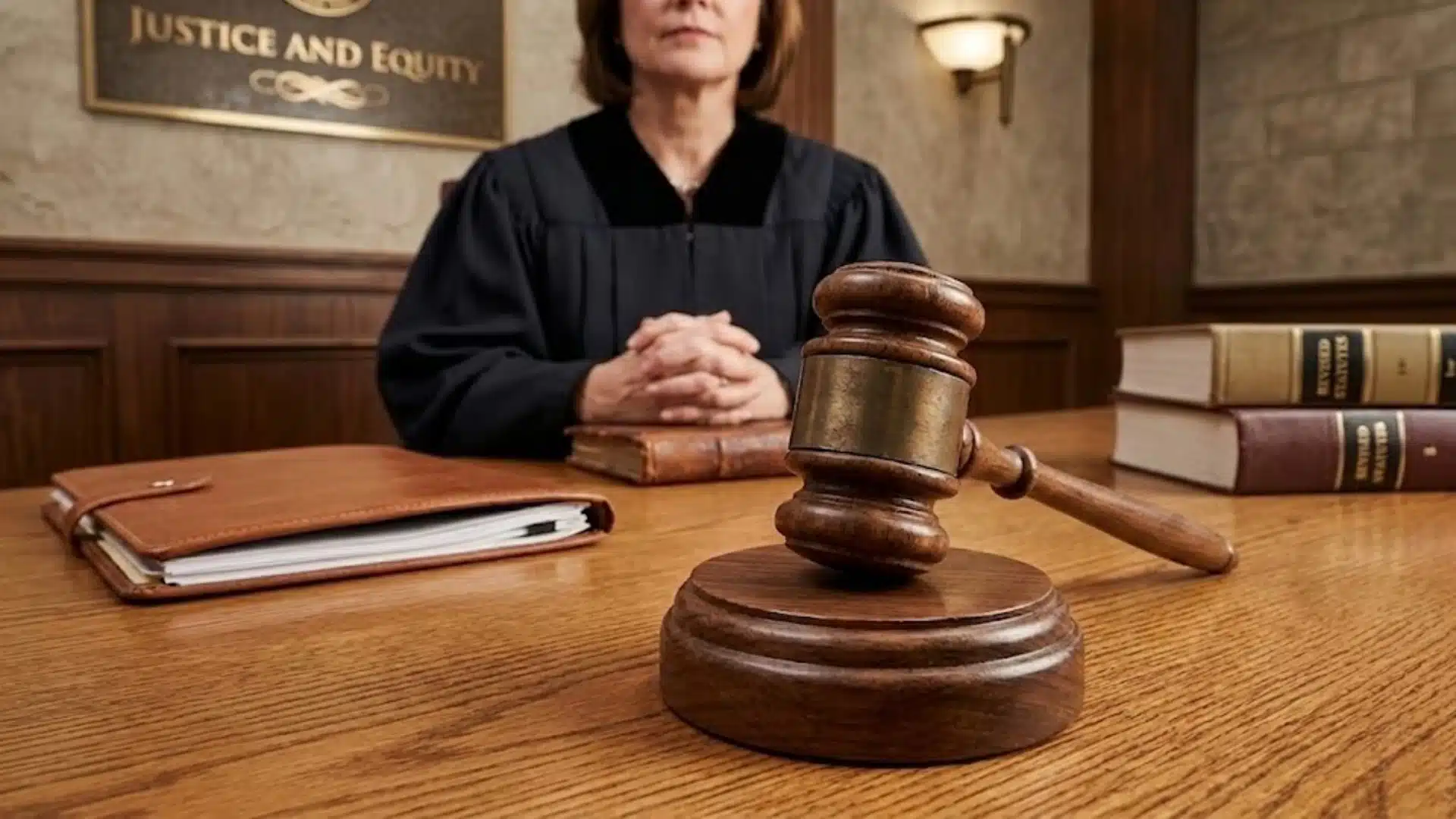
A person slips in a grocery store, gets injured, and claims the store failed to keep the floor safe, so a legal case begins with one side making a claim and the other preparing a response. In the middle of this process, the idea of plaintiff vs defendant becomes important because it defines who starts the case and who answers it. These roles may sound simple at first, but they shape how the case moves, what each side must do, what papers get filed, and how the court reviews the facts. In this blog, you will understand what each role means, how both sides function in a legal case, what responsibilities they carry, who usually has to prove the claim, and how these roles can differ in civil and criminal matters. What is a Plaintiff? A plaintiff is the person or party who starts a legal case by filing a complaint in court. This complaint explains what happened, how the plaintiff suffered harm or loss, and why legal action is being taken. The harm may involve physical injuries, financial losses, property damage, or other legal disputes. Along with explaining the issue, the plaintiff also asks the court for a remedy. This remedy could include financial compensation, recovery of damages, or a court order requiring someone to take or stop a specific action. In most civil cases, the plaintiff usually carries the burden of proof. This means the plaintiff must provide enough evidence to support the claims made in court. Documents, witness statements, medical records, and other forms of proof are often used to strengthen the case and convince the court that the claim is valid. What is a Defendant? A defendant is the person or party against whom a legal case is filed. After the plaintiff submits the complaint, the […]

When a legal case reaches the courtroom, facts alone are never enough. What truly shapes the outcome is the ability to prove those facts with solid evidence. A single text message, fingerprint, contract, or witness statement can completely change the direction of a case within minutes. That is why understanding the different types of evidence matters far beyond lawyers and judges. From criminal investigations to civil disputes, evidence helps courts determine what happened, who may be responsible, and whether a claim can actually stand. This blog post explains the major forms of evidence used in legal proceedings, how they are evaluated, and why some carry more weight than others in court. What is Evidence and What are Its Types? In law, evidence is any information, testimony, document, or physical item used to prove or disprove facts in a legal case. Courts rely on evidence to determine what actually happened and whether a claim can legally be supported. Without evidence, allegations alone carry little weight. Evidence comes in four primary categories: physical, testimonial, documentary, and digital. Each type serves a different purpose during litigation, and courts evaluate them differently based on authenticity, reliability, and relevance to the facts being argued. In my experience supporting attorneys through discovery and trial prep, the category of evidence matters less than how well it is collected and preserved. The strongest case I have seen fall apart did so because surveillance footage was overwritten three days before counsel sent the preservation notice. Types of Physical Evidence Physical evidence is any material object presented to the court that has a direct connection to the events in question. It is one of the most persuasive forms of evidence because it is something a jury can see, touch, or examine directly. 1. Real Evidence Real evidence refers to the […]

Most people who get hurt in an accident have no idea what comes next. The legal process is unfamiliar territory, and that uncertainty can lead to real problems: missed deadlines, lost evidence, and lowball settlement offers accepted out of sheer confusion. After working on personal injury cases for years, I’ve seen how much a clear understanding of the process changes outcomes. When you know what to expect, you can make better decisions at every stage. This guide walks through each phase of a personal injury case in Nevada, from the moment after an accident through trial, verdict, and collection. What is a Personal Injury Case? A personal injury case is a civil legal action where an injured person (the plaintiff) seeks financial compensation from the party responsible for the injury (the defendant). The legal foundation is negligence. Negligence occurs when someone owed you a duty of care, breached that duty, and their breach directly caused your injuries and financial losses. Every driver in Nevada owes other road users a duty to operate their vehicle safely. If a driver runs a red light and hits you, they have breached that duty. If you suffered injuries as a result, the basic elements of a negligence claim are present.</> Personal injury cases in Nevada cover a wide range: car accidents on I-15 or the Las Vegas Strip, slip-and-fall injuries on commercial property in Henderson, medical errors at Nevada hospitals, defective products, and wrongful death claims. The process is similar across these case types, even if the evidence and legal standards differ. What Happens After a Car Accident Injury in Nevada? A clear process follows every accident. Each step affects the strength and value of a claim, and understanding this timeline helps you avoid costly mistakes early. Step 1: Get medical attention first Seek […]

The Colleen Ritzer case is difficult because the facts are disturbing and the legal questions are just as serious. It begins with a young teacher who did not come home from school, and a 14-year-old student accused of a crime that shocked Danvers, Massachusetts. But the case did not stop at guilt or innocence. The case opened harder questions about how the courts should handle a juvenile defendant charged with adult-level violence. How much weight jurors should give to mental illness claims, where punishment ends, and constitutional limits begin. That is what makes the Colleen Ritzer case so legally important. It is a case about evidence, responsibility, sentencing, and the painful line courts have to draw when the accused is still a child. Who Was Colleen Ritzer? Colleen Ritzer was a second-year math teacher at Danvers High School, located north of Boston. She was 24 years old at the time of her death. Students and colleagues described her as patient, supportive, and committed to helping struggling students in her classroom. Ritzer had wanted to become a teacher from a young age, and Danvers High School was considered her ideal position. During sentencing, Judge David Lowy described her life as “a life of quiet heroism.” Her family repeated that description while speaking publicly about her impact on students and the community. Ritzer had been teaching Philip Chism’s algebra class for only a few weeks before he killed her in October 2013. What Happened Before Colleen Ritzer Was Found Image source:CBSNEWS Philip Chism was a freshman at Danvers High School who had recently moved from Tennessee to Massachusetts. That afternoon, Colleen Ritzer asked him to stay after class, and another student later testified that Chism appeared visibly upset after speaking with her. Surveillance footage showed Ritzer walking toward a school bathroom, with […]