
Most people who get hurt in an accident have no idea what comes next. The legal process is unfamiliar territory, and that uncertainty can lead to real problems: missed deadlines, lost evidence, and lowball settlement offers accepted out of sheer confusion.
After working on personal injury cases for years, I’ve seen how much a clear understanding of the process changes outcomes.
When you know what to expect, you can make better decisions at every stage.
This guide walks through each phase of a personal injury case in Nevada, from the moment after an accident through trial, verdict, and collection.
What is a Personal Injury Case?
A personal injury case is a civil legal action where an injured person (the plaintiff) seeks financial compensation from the party responsible for the injury (the defendant). The legal foundation is negligence.
Negligence occurs when someone owed you a duty of care, breached that duty, and their breach directly caused your injuries and financial losses.
Every driver in Nevada owes other road users a duty to operate their vehicle safely. If a driver runs a red light and hits you, they have breached that duty.
If you suffered injuries as a result, the basic elements of a negligence claim are present.</>
Personal injury cases in Nevada cover a wide range: car accidents on I-15 or the Las Vegas Strip, slip-and-fall injuries on commercial property in Henderson, medical errors at Nevada hospitals, defective products, and wrongful death claims.
The process is similar across these case types, even if the evidence and legal standards differ.
What Happens After a Car Accident Injury in Nevada?
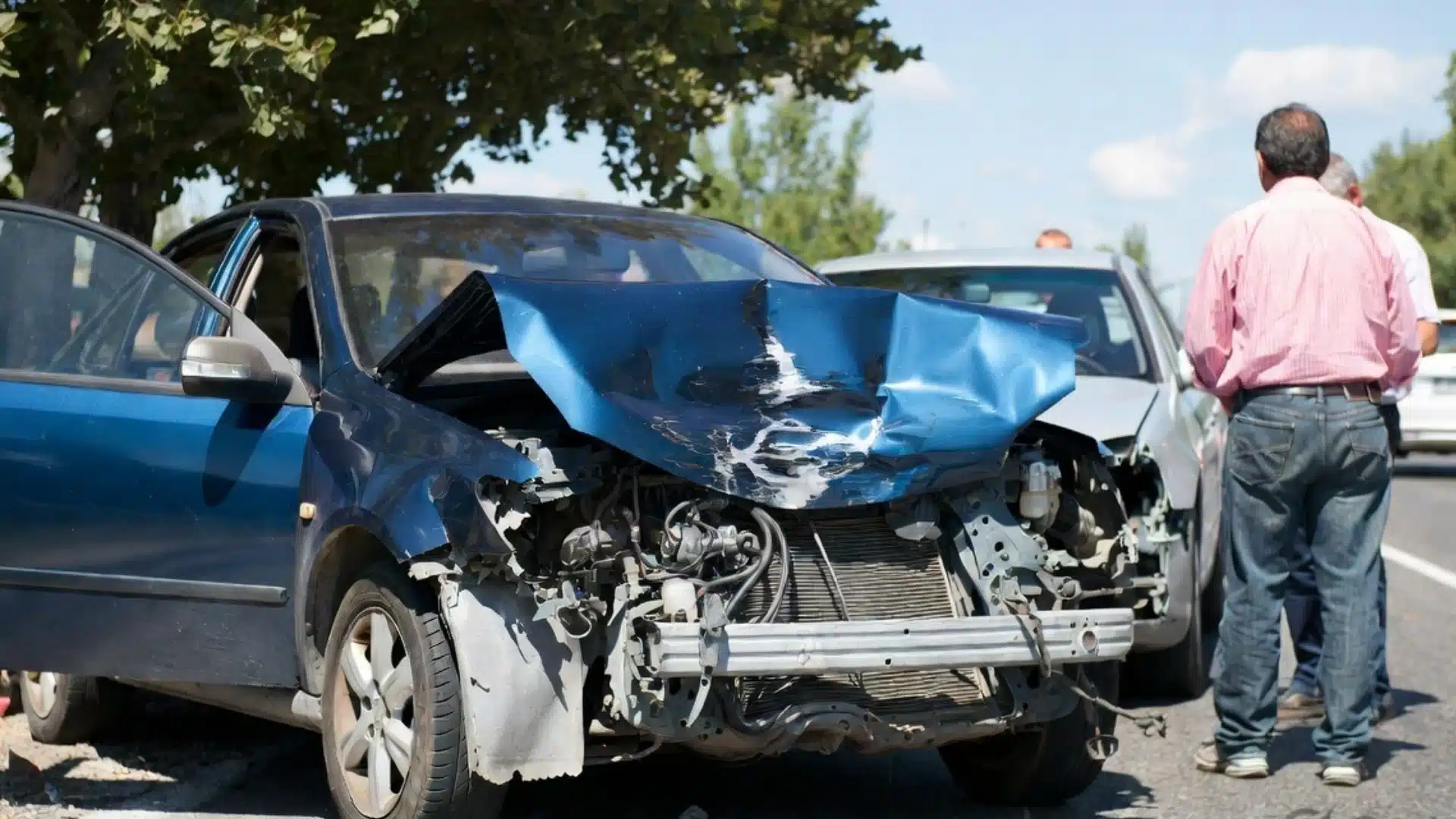
A clear process follows every accident. Each step affects the strength and value of a claim, and understanding this timeline helps you avoid costly mistakes early.
Step 1: Get medical attention first
Seek medical care the same day, or as soon as possible. Medical records are critical in a personal injury case because they document injuries, symptoms, and treatment costs.
Delays allow insurance companies to argue the injuries were minor or unrelated to the accident.
I’ve seen clients wait several days before seeing a doctor, giving adjusters a reason to question the claim unnecessarily.
Keep every document, including bills, prescriptions, referrals, and follow-up reports.
Also maintain a short daily journal describing pain levels and how the injury affects daily life, as it can strengthen claims for pain and suffering, lost income, and future medical expenses.
Step 2: Consult a Personal Injury Attorney
Most personal injury attorneys in Nevada offer a free initial consultation. Bring whatever you have: police reports, photos, medical records, and any communication from insurers.
The attorney will review accident details, your injuries, and the current state of the claim to assess how to proceed.</>
Most work on a contingency fee basis, meaning they only get paid if compensation is recovered. Having a basic understanding of how an automobile accident claim works helps you ask the right questions and make informed decisions during that first meeting.
One thing I tell people at that first consultation: come with your questions written down. You’ll be taking in a lot of information, and the clarity you bring into that room carries over into the decisions you make later.
Step 3: Investigation and Building Your Case
After hiring an attorney, the investigation phase begins, and it plays a key role in building a strong case. Attorneys collect reports, medical records, footage, and witness statements to establish what happened and who is at fault.
Acting quickly matters because evidence can disappear over time. Footage may be deleted, and memories can fade.
At the same time, attorneys document damages, including medical expenses, future treatment costs, lost income, and the overall impact on daily life, which helps determine the value of the claim.
Step 4: Filing an Insurance Claim and Sending a Demand Letter
In most Nevada personal injury cases, negotiation begins with the insurance company. Your attorney prepares a demand package outlining the accident, injuries, treatment, losses, and compensation sought.
The insurer may accept, reject, or counter, leading to multiple negotiation rounds. Your attorney handles communication to avoid low offers.
Settlement value depends on injury severity, fault, coverage, and case presentation. Reviewing personal injury settlement amounts and the average car accident settlement in Nevada helps set realistic expectations.
If a fair offer is reached, the case ends. If not, the next step is filing a lawsuit.
Step 5: Filing a Personal Injury Lawsuit in Nevada
When negotiations fail, your attorney files a lawsuit, starting with a complaint that outlines the parties, facts, liability, and damages.
The complaint is then formally served, and the defendant typically has 30 days to respond with an answer and any defenses.
Timing is critical. Under Nevada law, most personal injury cases must be filed within two years of the injury.
Missing this deadline usually results in dismissal, regardless of the evidence. While limited exceptions exist, they are rare, so acting early is essential.
Step 6: The Discovery Phase
Discovery is the pre-trial stage where both sides exchange evidence, usually lasting six months to a year.
It includes interrogatories, document requests, and depositions. Depositions are sworn interviews used to test credibility, identify weaknesses, and evaluate how witnesses may perform before a jury.
Expert witnesses also play a major role. Medical experts explain injuries, accident reconstruction specialists analyze crashes, and vocational experts assess earning limitations.
In serious cases, expert testimony can greatly affect claim value. Many personal injury cases are effectively won or lost during discovery.
I’ve seen insurers change their position after depositions exposed weaknesses in their own witness testimony.
Step 7: Pre-Trial Motions and Mediation
Before trial, both sides may file motions to shape the case. A motion to dismiss seeks to remove claims, while a summary judgment motion argues no trial is needed based on undisputed facts.
Motions in limine decide what evidence can be presented.
Mediation can occur at any stage, though it often happens after discovery when both sides understand the case’s strengths and weaknesses.
Both parties meet with a neutral mediator who facilitates settlement discussions. The mediator does not decide the outcome.
The goal is to narrow differences enough that a deal becomes possible. Most personal injury cases in Nevada resolve at or before this stage, never reaching a jury.
Step 8: Going to Trial
If the case does not settle, it proceeds to trial, usually before a jury, though a judge-only trial is possible if both sides agree.
Each side presents evidence, questions witnesses, and makes arguments. The jury then decides liability and the amount of compensation.
Nevada follows a modified comparative negligence rule. If you are 50% or less at fault, you can recover damages, reduced by your share of fault.
If you are 51% or more at fault, you recover nothing. This makes how the fault is argued at trial extremely important.
Step 9: After the Verdict: Collecting Your Award
A favorable verdict does not mean a check arrives in the mail the next day. Before you receive anything, your attorney resolves any outstanding medical liens from providers or insurers and deducts attorney fees. What remains is your net recovery.
If payment is not made voluntarily, additional steps like wage garnishment or property liens may be required. In most cases, insurers handle payment, though timelines can vary.
Either side may file an appeal.
This involves a higher court reviewing legal issues from the trial, not starting over. Settlement discussions can still continue during the appeal process.
When Should You Call a Personal Injury Lawyer in Las Vegas?
The short answer is: as soon as possible. The two-year statute of limitations under Nevada law gives injured people in Las Vegas, Henderson, and across Clark County a hard deadline, and that clock starts running on the date of injury.
But more practically, evidence disappears fast. Witnesses become harder to locate. Injuries that go undocumented early become more difficult to connect to the accident later.
If you are wondering how long after a car accident you can claim injury in Nevada, the legal window is two years in most cases, but waiting even a few months without taking action can hurt your position.
The situations that most clearly call for immediate legal consultation include accidents with serious injuries, accidents involving commercial vehicles or government entities, cases where the insurance company has already been in contact, and situations where fault is disputed.
If the other party’s insurer calls you before you have an attorney, do not give a recorded statement. Politely decline and contact a lawyer first.
Adjusters are trained to ask questions in ways that can be used to minimize your claim. You are not legally required to speak with them.
Conclusion
Understanding how a personal injury case moves forward puts control back in your hands. Each step shapes the outcome, and informed decisions can prevent costly missteps along the way.
From early action to final resolution, awareness reduces risk and improves results.
Legal matters can feel overwhelming, but clarity changes how situations are handled and how outcomes unfold.
The right timing, preparation, and guidance often make the difference between a weak claim and a strong one.
If an accident has already happened or questions remain, now is the time to take action. Reach out to a qualified personal injury attorney and get clear answers before critical opportunities are lost.
Frequently Asked Questions
How Long Does a Personal Injury Lawsuit Take in Nevada?
Timelines vary widely. Settlements may take months, while lawsuits can take one to two years or more, especially with discovery, trial scheduling, or complex liability and injuries.
What Damages Can I Recover in a Nevada Personal Injury Case?
Nevada allows recovery of medical costs, lost wages, and other financial losses, along with pain, emotional distress, and reduced quality of life. Punitive damages may apply in severe cases.
What Happens if The At-Fault Party Has No Insurance?
Options may include uninsured motorist coverage, personal assets recovery, or other legal avenues, depending on the situation.