
ABOUT THE AUTHOR




Something happened, and it left more than a visible mark. You are wondering whether an emotional distress lawsuit even makes sense for what you went through. The honest answer depends less on how bad it felt and more on where you live and what the other person actually did. Courts split these claims into two paths with very different proof requirements, and the rules on which path works in your state can be stricter, or looser, than you would guess. Filing windows move faster than most people expect too. Here is what actually decides whether your case holds up, what your state specifically allows, and when filing genuinely makes sense. What is an Emotional Distress Lawsuit? An emotional distress lawsuit is a civil claim seeking compensation for psychological harm, not just medical bills or lost wages. Courts recognize it as a real, compensable injury, but only when it is tied to specific legal conduct and backed by evidence. It is rarely a lawsuit on its own. In most cases, it is one type of damages sought within a larger claim, like a car accident or workplace harassment case. It only becomes its own standalone lawsuit when the conduct behind it meets a high bar, which is where the two legal paths below come in. What makes this different from just having a hard time is proof. In practice, the cases that hold up are the ones where the distress is documented as it happens, not reconstructed months later from memory. Courts want a clear, contemporaneous link between what the other person did and the distress you are dealing with now. That link, more than the severity of your feelings, is what determines whether a case exists at all. Does Your State Allow You to Sue for Emotional Distress? Quick answer: it […]

When someone says something false about me, I first think about where it happened and how it was shared. The format can change the case. I learned that spoken and written claims are not treated exactly alike under the law. A dinner comment and a text message may create outcomes. I also look at what proof exists because the details matter when deciding if a claim crosses the line into a legal issue or not. This guide explains the difference between slander and libel through real situations you might face and shows why written words can carry more legal weight. What Is Libel? Libel is a false statement that’s written, printed, recorded, or posted somewhere it can be found again later. It doesn’t have to be a full article or a printed page. A single text, email, or social media post counts, as long as it exists in a form someone can save or share. That permanence is what makes libel different from a spoken lie. Once something is written down, it stops being a passing comment. It becomes evidence. Common examples include a false claim in a newspaper, a defamatory blog post, or a fabricated review meant to damage someone’s business. Courts tend to treat libel as more serious than slander for this exact reason. A written statement can spread further, last longer, and cause damage that’s easier to trace back to its source. What Is Slander? Slander is a false statement that’s spoken out loud, with nothing written or recorded to back it up. It covers casual talk, a false claim made during a speech, or even a gesture meant to imply something untrue. The moment the words are said, that’s the whole life of the statement. That’s what makes slander harder to pin down. Once it’s said, […]

The Colgate lawsuit has generated more confusion than clarity for most people trying to understand what actually happened and whether it affects them personally. Colgate-Palmolive and its subsidiary Tom’s of Maine face several separate legal actions, each involving different products, different courts, and entirely different groups of affected consumers. What most people do not realize is that some cases are already closed while others remain active, and mixing them up leads to missed opportunities or wasted effort. Breaking down each case separately is the only way to know exactly where you stand and what, if anything, you can still do about it. What Is the Colgate Lawsuit? The Colgate lawsuit is not one case. It is several separate legal actions, each targeting a different product, practice, and group of affected consumers across different courts. Colgate-Palmolive and its subsidiary Tom’s of Maine face at least four distinct lawsuits covering contamination, heavy metals, children’s product packaging, and employee pension miscalculation issues. How mass tort cases group affected consumers explains why the people eligible in one lawsuit are not automatically eligible in another, even if they used multiple Colgate products. One settlement has already closed. The Tom’s of Maine case reached a resolution, and its claim deadline passed on July 6, 2026, making affected consumers ineligible for that specific payout. The Tom’s of Maine Contamination Settlement: What It Was and Why It Is Now Closed The $2.9 million Tom’s of Maine settlement has already closed, and the deadline to file a claim passed on July 6, 2026. A May 2024 FDA inspection of the Sanford, Maine manufacturing facility found unsanitary conditions and bacterial contamination inside the plant. What the inspection revealed: That contamination directly contradicted how Tom’s of Maine marketed its products, using language like “naturally sourced” and “safe” across its entire product […]

Most drivers know they need car insurance. Far fewer understand what their liability coverage actually protects when an accident happens. A single crash can create two very different financial problems at the same time. One involves injuries suffered by another person. The other involves damage to a vehicle, home, fence, business, or other property. Although both losses may come from the same collision, insurance companies handle them separately, apply different limits, and evaluate them in very different ways. That distinction becomes important when medical costs rise, repair bills grow, or a claim exceeds available coverage. What looks like a straightforward accident can quickly become a question of financial exposure. Understanding where bodily injury liability ends and property damage liability begins is one of the most important parts of understanding auto insurance. What is Bodily Injury Liability Coverage? Bodily injury liability is insurance that pays for physical injuries you cause to another person when you are at fault in an accident. It does not cover your own injuries or medical bills. Instead, it applies to the other party’s losses, including claims filed by another driver, passenger, pedestrian, cyclist, or injured person. This coverage can apply after car crashes, truck collisions, rideshare accidents, pedestrian incidents, and other situations where your vehicle causes harm. It is required in nearly every state, but each state sets its own minimum limits. Because injury claims can include medical bills, lost wages, and legal demands, carrying only the minimum may not always provide enough protection. What Bodily Injury Liability Covers Bodily injury liability covers injury-related losses when another person is hurt in an accident you caused. These claims often take longer than vehicle damage claims because treatment, recovery, and settlement value must be reviewed first. Medical expenses: Hospital care, surgery, rehab, prescriptions, and follow-up treatment. Lost wages: […]

A mesh lawsuit can help injured patients hold medical device manufacturers accountable when a surgical mesh implant causes serious complications. These claims often involve hernia mesh or pelvic mesh and may argue that the device was defectively designed, poorly manufactured, or sold without proper warnings about known risks. Recovering from mesh surgery is hard enough. When chronic pain, infections, or a second corrective procedure get added on top, it can feel like your case is just one more thing on a long list. If that sounds familiar, a mesh lawsuit may be worth exploring. Many people file a hernia mesh lawsuit to seek compensation for medical bills, lost income, pain, and other losses. This guide explains who may qualify, how cases work, what the Bard hernia mesh settlement means in 2026, and what steps to take next. What is a Mesh Lawsuit? A mesh lawsuit is a product liability claim filed against a medical device manufacturer after a surgical mesh implant causes serious complications or fails to perform as intended. These claims generally focus on whether the manufacturer designed, manufactured, or marketed the product in a way that put patients at unnecessary risk. Unlike a medical malpractice case, which is filed against a healthcare provider for negligent care, a mesh lawsuit typically targets the company that made or sold the implant. Plaintiffs often argue that the manufacturer failed to provide adequate safety warnings, used a defective design, or released a product that was unreasonably dangerous. When successful, a mesh lawsuit may help injured patients recover compensation for medical expenses, lost income, pain and suffering, future treatment costs, and other losses tied to the implant. Types of Mesh Lawsuits Although surgical mesh is used in different medical procedures, most product liability claims fall into two main categories. Hernia Mesh Lawsuits A hernia […]

If you’re searching for the latest PFAS lawsuit update today, there’s growing reason for optimism among individuals affected by PFAS exposure. After years of slow progress, the federal PFAS multidistrict litigation has entered a more active phase, with settlement negotiations advancing and thousands of claims moving closer to resolution. While no global personal injury settlement has been reached, discussions surrounding PFAS lawsuit settlement amounts per person suggest that eligible cancer-related claims could receive significant compensation. With filing deadlines, ongoing court reviews, and state statutes of limitations narrowing the window for action, understanding the current status of the litigation is more important than ever for potential claimants. What is the PFAS Lawsuit About? The PFAS lawsuit is about claims that companies made or used “forever chemicals” that contaminated drinking water, soil, and workplaces. PFAS are man-made chemicals used in products like firefighting foam, nonstick cookware, stain-resistant fabrics, food packaging, and industrial materials. The main concern is that these chemicals do not break down easily and can build up in the human body over time. Many lawsuits say manufacturers knew or should have known about the risks but failed to warn the public, workers, and communities. People filing PFAS claims often say exposure led to health problems, medical costs, property damage, or unsafe water supplies. The lawsuits aim to hold companies responsible for cleanup costs, health-related damages, and compensation for those affected by long-term PFAS exposure. Quick Facts: PFAS Lawsuit Update Today The AFFF multidistrict litigation continues to evolve as the court reviews thousands of claims, addresses procedural issues, and prepares the cases for future trial activity. Here are the latest developments: Pending cases: Approximately 15,200 personal injury claims are consolidated in AFFF MDL 2873, a figure that shifts monthly as new filings arrive and others are dismissed or resolved. No global settlement […]
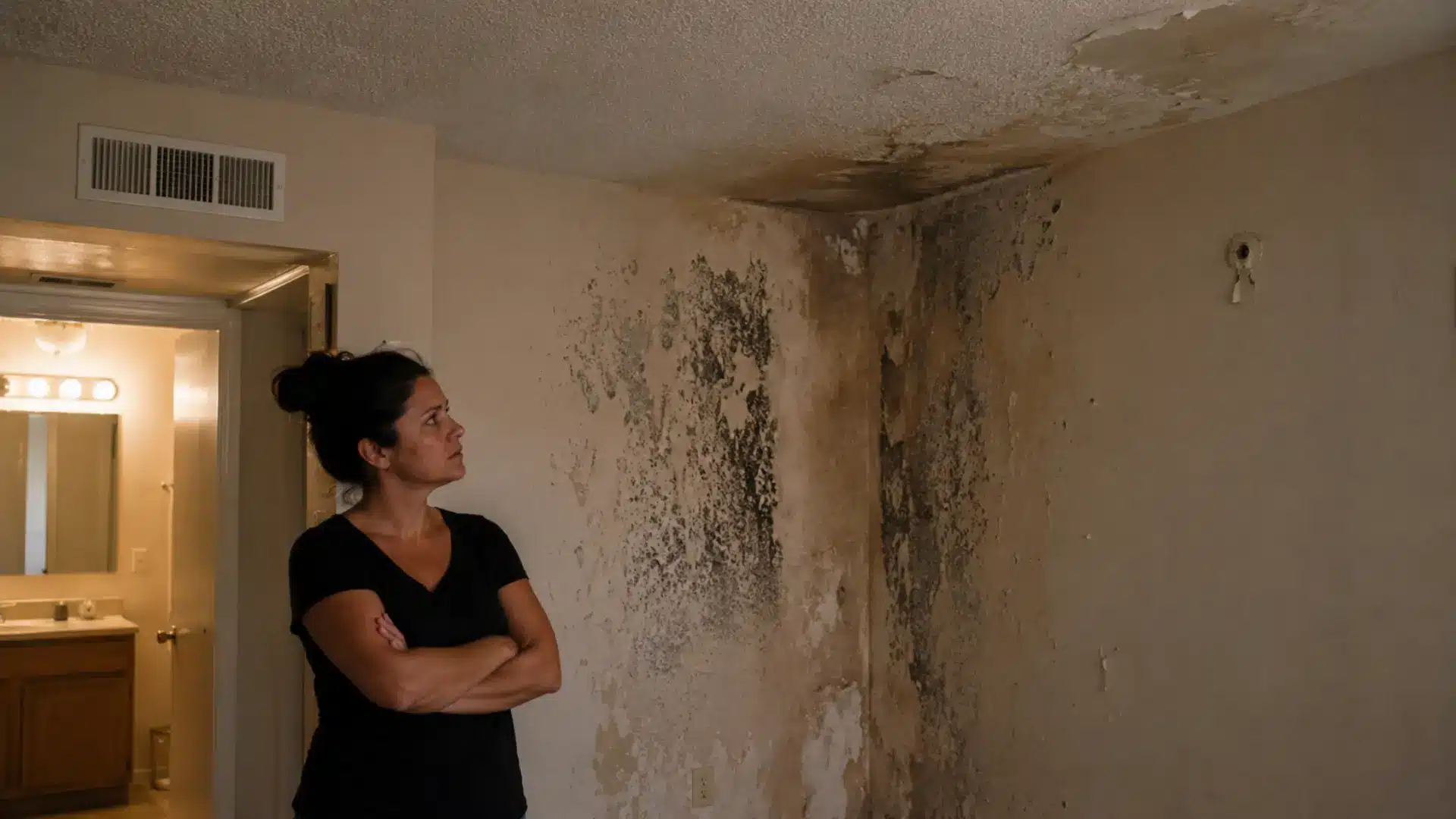
If you’ve been injured or forced to live in unsafe rental conditions because your landlord ignored serious maintenance issues, you may be dealing with landlord negligence. From broken staircases and faulty wiring to mold and water leaks, a landlord’s failure to maintain a safe property can have serious legal consequences. Understanding your rights is the first step toward protecting yourself and seeking compensation. Whether you’re wondering how to report your landlord for negligence or considering whether it’s time to speak with a lawyer for tenants. This explains what landlord negligence is, how to prove it, and the legal options available to you. What Landlord Negligence Means Under the Law Landlord negligence is a legal standard, not just a description of a bad landlord. Property owners have a duty to keep rental units and common areas reasonably safe for tenants, guests, and others who legally access the property. Courts determine negligence by asking whether a reasonable landlord would have acted differently under the same circumstances. Most states also recognize an implied warranty of habitability, requiring landlords to provide safe and livable housing. According to HUD’s Office of Policy Development and Research, this includes maintaining adequate heating, plumbing, structural integrity, and protection from health hazards such as mold. However, not every maintenance issue constitutes negligence; it generally requires a dangerous condition, the landlord’s knowledge of it, a failure to address it, and resulting harm. Common Examples of Landlord Negligence Landlord negligence takes many forms, and not all of them involve dramatic collapses or fires. According to Justia’s Landlord-Tenant Law Center, courts evaluate whether the landlord controlled the area where the harm occurred, whether the accident was foreseeable, and what it would have cost the landlord to prevent it. These factors help clarify why some conditions trigger liability and others do not. Common […]

After an accident, unsafe work incident, careless mistake, or even a close call, it is normal to wonder whether the law gives you a way to take action. The answer depends on more than just proving that something went wrong. A claim usually needs a clear duty of care, a careless act, real harm, and proof that connects everything together. That is where suing for negligence becomes easier to understand. It is not always about someone meaning to cause damage. It is often about whether they failed to act with reasonable care. In this blog, you will learn when a negligence claim may be possible, what basic legal points matter, how workplace cases can be different, and what happens when there is no obvious injury. Rules can vary by state or country, so legal advice may be needed. What Suing for Negligence Really Means Negligence means someone failed to exercise the care a reasonable person would use in the same situation. It does not always mean they wanted to hurt someone or cause damage. Many cases are about careless choices, missed safety steps, ignored risks, or poor actions that led to a bad result. For example, a driver may look away from the road, a store may leave a wet floor without a warning, or a worker may be given unsafe equipment. The key point is not only that someone acted carelessly. That careless act must also cause loss, harm, or injury. Without that link, a claim can be hard to prove. Suing for negligence is really about showing what went wrong, who had a duty to act safely, and how their conduct caused the damage. The Four Legal Parts of a Negligence Case Every negligence claim is built on four essential elements. To succeed, a plaintiff must generally prove […]

A repaired car can still lose money the moment an accident appears on its history report. That is the part many drivers miss. A diminished value claim helps recover the drop in resale or trade-in value after someone else damages your vehicle, even when the repairs look complete. In my work as a personal injury attorney, I have seen how quickly insurers focus on repair bills while ignoring the impact of the crash on the car’s market value. This blog post explains what diminished value means, why buyers and dealers pay less for accident history, and how the claim can affect your recovery after a crash. By the end, you will understand when this type of compensation may be worth pursuing. What Does a Diminished Value Claim Actually Mean? Diminished value is the loss in a car’s market price after an accident, even when repairs are completed correctly. It is the difference between what the vehicle was worth before the crash and what it is worth after repairs. A vehicle can lose value even after the body shop completes the repairs. Buyers, dealers, and lenders often review reports from services such as Carfax or AutoCheck before making an offer. When an accident appears on that record, the car is usually compared with similar vehicles that have clean histories. Even if the paint matches, the frame is safe, and the parts were installed correctly, many buyers will still pay less because the vehicle has been in a crash. That difference is the financial loss a claim is meant to recover. Main Types of Diminished Value After an Accident Diminished value is not always measured in the same way. These three types explain where the loss comes from after a vehicle accident, once the repairs are finished. Inherent diminished value: the loss […]

AFFF lawsuits are moving forward, and many exposed workers want a clear idea of what their claim could be worth. The answer depends on the illness, exposure history, medical records, and how the court structures future payouts. While no final global personal injury settlement has been reached yet, legal projections give claimants a clearer idea of possible compensation ranges. This blog post explains afff lawsuit settlement amounts in simple terms, including estimated payout tiers, average value factors, and why some claims may be worth more than others. It also covers who may qualify, what evidence matters, and when the AFFF foam lawsuit may move closer to settlement. What is the AFFF Foam Lawsuit? AFFF (aqueous film-forming foam) is a firefighting agent used for decades at military bases, airports, and fire training facilities. It works by forming a film over fuel-based fires, cutting off oxygen before the fire spreads. The issue is that AFFF contains PFAS chemicals, often called “forever chemicals” because they do not break down easily in the environment or the human body. Thousands of lawsuits have been filed over these concerns. The cases are consolidated in federal MDL 2873, involving claims against several major chemical and firefighting foam companies. Research from the U.S. Environmental Protection Agency has confirmed that PFAS exposure is associated with increased risk of kidney, testicular, and prostate cancers, along with immune system disruption. AFFF Lawsuit Settlement Amounts: Current Estimates The estimates below are projections based on prior mass tort litigation, the tier structures commonly used in large MDLs, and commentary from attorneys actively involved in the case. They are not guaranteed amounts. 1. Top-Tier Claims Top-tier claims involve the most serious diagnoses, the strongest scientific support, and the clearest exposure history. Kidney cancer and testicular cancer with documented long-term occupational exposure generally fall here. Legal […]