

Most people involved in a car accident have no idea what their case is worth, and that kind of confusion can quietly cost a lot of money.
Even a minor injury like whiplash can lead to a lower payout when the process is not handled properly, while more serious injuries can make things even more complicated and stressful.
The average settlement for car accident claims depends on several factors, and the range can vary a lot from one case to another.
Some cases involve small medical bills and a quick recovery, while others involve long-term treatment and lost income, which can make the outcomes very different.
This blog explains how settlements are calculated, what affects the final amount, how insurance companies decide payouts, and the common mistakes that can reduce compensation.
By the end, you will have a clearer idea of what a fair settlement looks like and how to approach your claim.
What is a Car Accident Settlement?
A car accident settlement is an agreement between the injured person and an insurance company. It can involve the at-fault driver’s insurer, your own insurer, or sometimes both.
In this agreement, a set amount of money is paid, and in return, the injured person gives up the right to take legal action in the future for the same accident.
Most cases settle without going to court because trials take time, cost more, and can be unpredictable for everyone involved. In many situations, the at-fault driver’s liability insurance is the main source of payment.
If that driver has no insurance or not enough coverage, your own policy may help through options like personal injury protection or uninsured motorist coverage. In some cases, both policies share the payout.
State laws also affect how settlements work. In at-fault states, the responsible driver’s insurer pays for the damages.
In no-fault states, your own coverage pays first, which can limit claims for pain and suffering unless the injury meets certain conditions.
How Long Does a Car Accident Settlement Take?
Settlement timelines vary widely. Minor injury cases with clear liability can be resolved in a few months.
Cases involving serious injuries, disputed fault, or significant future medical needs often take one to two years or longer.
Rushing a settlement to close quickly is one of the most common and costly mistakes an injured person can make.
The right time to settle is after medical treatment has reached a point of maximum medical improvement, meaning the full picture of your injuries and their long-term impact is known.
Factors That Affect Settlement Amounts
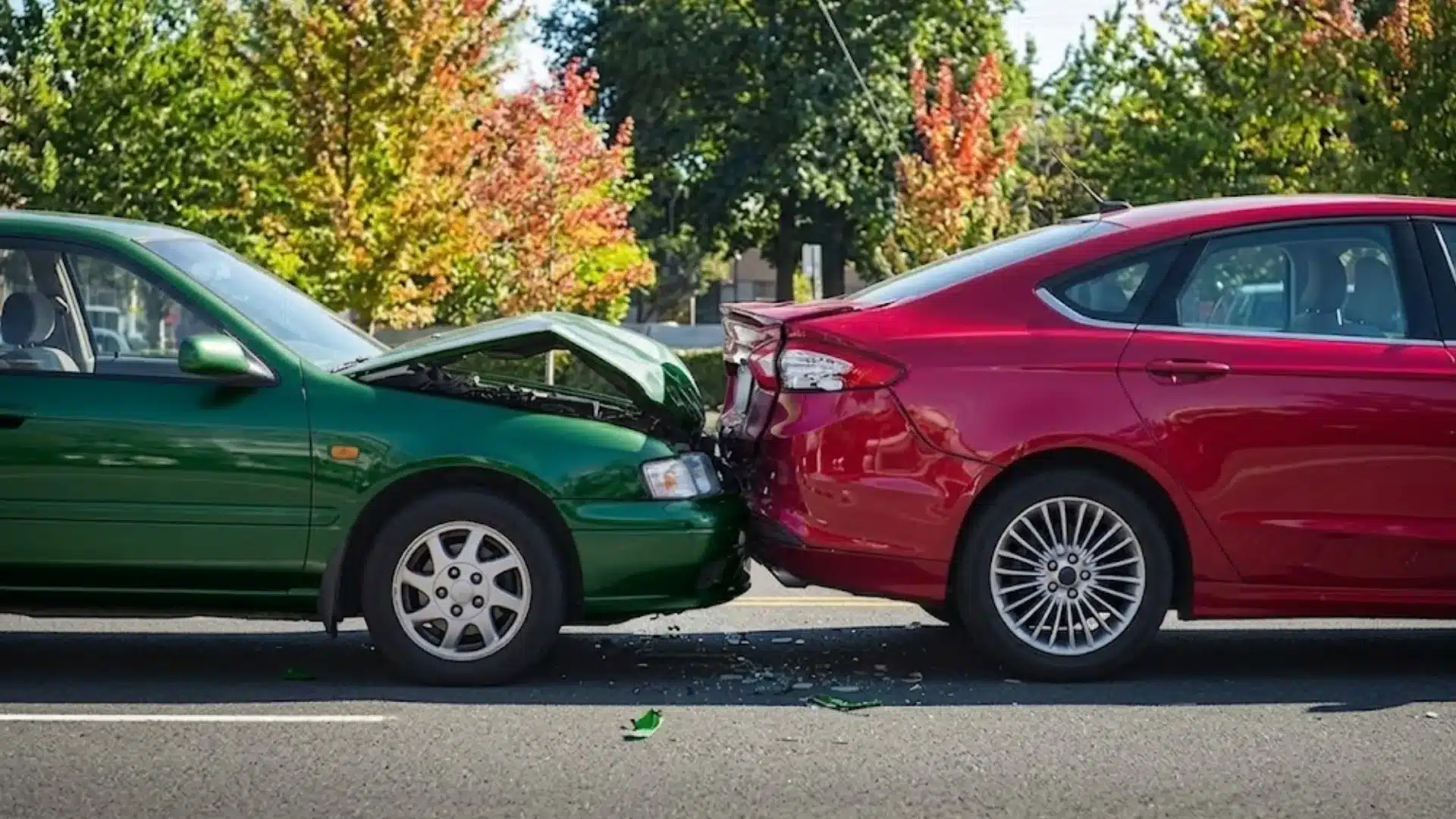
Several factors decide where a settlement falls within a range or even outside it. Knowing these helps in understanding how a claim is valued and what can increase or reduce the final amount.
- Injury severity: More serious injuries usually lead to higher settlements. Long-term pain, permanent damage, and reduced quality of life all increase the value of a claim.
- Medical expenses: All medical costs matter. This includes emergency care, surgeries, therapy, medicines, and future treatment needs. These form the base of most settlements.
- Lost income: If the injury stops someone from working, those lost wages are included. In serious cases, future earning loss can add a large amount.
- Insurance coverage limits: The at-fault driver’s policy limit can cap the payout. If it is low, other coverage like UIM may be needed.
- Pain and suffering: Physical pain and emotional stress can increase the settlement, especially in serious cases.
- Quality of evidence: Strong proof, like reports, records, and witness statements, supports a higher claim.
- Diminished vehicle value: Even after repair, a car may lose value. This can be claimed, but it usually has to be requested.
What is the Average Car Accident Settlement Amount?
Settlement amounts can vary a lot based on the type of injury and how serious it is. Some cases involve quick recovery and lower medical bills, while others involve long-term treatment and a major impact on life. The ranges below reflect what is commonly seen in personal injury cases and broader national patterns.
| Injury type | Typical settlement range |
|---|---|
| Whiplash or soft tissue (minor) | $6,000 to $22,000 |
| Herniated disc or moderate back injury | $50,000 to $200,000 |
| Broken bones or moderate injuries | $25,000 to $75,000 |
| Spinal cord injury without paralysis | $60,000 to $500,000 |
| Traumatic brain injury (TBI) | $200,000 to $450,000+ |
| Permanent disability or catastrophic injury | $500,000 to $5,000,000+ |
| Wrongful death | $500,000 to $1,000,000+ |
These numbers give a general idea of what different cases may look like, but they are not fixed outcomes. The final settlement always depends on the details of the case, including medical records, recovery time, and overall impact on daily life.
How Insurance Companies Calculate Your Settlement
Insurance companies usually rely on two main methods to calculate settlement offers. The first and more common one is the multiplier method.
In this approach, your actual financial losses, like medical bills and lost income, are added up and then multiplied by a number, usually between 1.5 and 5.
Smaller injuries tend to fall on the lower end, while serious and long-lasting injuries can justify a higher number.
In many cases, the first offer is lower than what the situation supports, which is why negotiation often becomes important.
The second method is the per diem approach. Here, a daily value is assigned to pain and suffering, and that amount is multiplied by the number of days the impact lasts.
This method focuses more on how long the recovery affects daily life. Insurance companies often start with low offers, expecting quick acceptance.
It is important to understand that once a final release is signed, no further claims can be made, even if new issues appear later.
Should You Accept the Offer or Go to Trial?

Deciding whether to accept a settlement or go to trial depends on several factors. Settling is usually faster and more predictable, which helps avoid the risk of a lower payout from a jury.
It also saves time and reduces legal costs, making it a practical choice in many cases. Going to trial, on the other hand, can lead to higher compensation, but it comes with delays, added expenses, and uncertainty.
The process can take months or even years, and the outcome is never guaranteed.
In general, going to trial may make sense when the insurance offer does not cover future medical needs, when fault is clear and supported by strong evidence, or when the injury is serious enough to have a lasting impact.
For minor injuries or cases where fault is disputed, settlement is often the better option.
If a case moves toward trial, it helps to understand how an automobile accident lawsuit works. From filing the initial paperwork to gathering evidence during discovery, each step shapes the timeline and outcome, so knowing what to expect early can make the process easier to handle.
There is no one-size-fits-all answer, but the decision should be made carefully, without pressure, and only after recovery has reached a stable point.
Tips to Maximize Your Settlement
Taking the right steps after an accident can make a big difference in the final settlement amount. Small actions early on can strengthen a claim, while mistakes can reduce what is offered.
- Collect evidence immediately: Document everything at the scene with clear photos of vehicle damage, road conditions, injuries, and nearby signs. Exchange contact and insurance details, and request a police report as soon as possible.
- Prioritize medical documentation: Get medical attention right away, even if symptoms seem minor. Follow the treatment plan and keep records of every visit, prescription, and expense. Gaps in treatment can weaken a claim.
- Avoid early recorded statements: Insurance adjusters may ask for statements quickly. It is better to wait, as early comments can be used to reduce the claim value.
- Calculate future costs before settling: Consider long-term treatment, therapy, and impact on work before accepting any offer. Settling too early can lead to losses later.
- Stay off social media: Public posts can be used against a claim, even if they seem harmless.
- Hire an attorney for serious cases: Legal help can improve outcomes, especially when injuries are severe or the offer is low.
When Settlements are Higher Than Average
Some cases end up with settlements much higher than usual because of specific factors. Long-term injuries that need ongoing treatment often increase the value of a claim.
This can include chronic pain, repeated surgeries, or lasting nerve damage that affects daily life over time. Permanent disability is one of the biggest factors.
When an injury limits the ability to work or handle normal activities, the compensation tends to be much higher. These situations carry long-term financial and personal impacts, as reflected in the settlement.
Emotional impact also plays a role. Conditions like anxiety, depression, or post-traumatic stress linked to the accident can add to the overall value of the claim.
A clear fault can also push settlements higher. When strong evidence shows the other driver was responsible, such as traffic violations, it becomes harder for insurers to argue against a higher payout.
Similar dynamics appear in medical malpractice cases, where documented negligence and long-term harm consistently result in above-average compensation.
Common Mistakes That Lower Your Settlement
Avoiding common mistakes is just as important as taking the right steps. Many people reduce their own settlement value without realizing it early in the process.
- Accepting early offers: The first offer from an insurance company is usually lower than what the claim is worth. These offers are designed to close cases quickly, so accepting them without proper review can lead to losses.
- Not seeking medical help: Delaying or skipping medical care gives insurers a reason to question the injury. Getting checked within a day or two helps connect the injury directly to the accident.
- Giving recorded statements: Speaking to the other party’s insurer without guidance can be risky. Simple statements can be used to downplay the seriousness of injuries.
- Posting on social media: Public posts can be used to challenge claims, even if they seem harmless.
- Handling the claim alone: Managing a case without legal support can lead to weaker negotiation and lower payouts, especially in more serious situations.
Conclusion
Car accident settlements are not the same for every case, and the final amount depends on several factors like injury severity, fault, available evidence, insurance coverage, and the decisions made after the accident.
The national average, often placed around $28,000 to $30,000, is only a rough reference point. Some cases settle for less, while others go far beyond that range depending on the situation.
This post covered the basics, including how the average settlement for car accident cases can vary by injury type, what factors influence the final number, how insurance companies calculate offers, and the common mistakes that reduce payouts.
The key takeaway is simple. Good documentation and informed decisions protect the value of a claim. Try to stay consistent with medical care, keep all records safe, avoid rushing into a settlement, and consider legal advice before signing anything.
What has been the most confusing part of your settlement process so far? Drop a comment below and share your experience.
Frequently Asked Questions
Are Car Accident Settlements Taxable?
In most cases, settlement money for physical injuries is not taxed. This includes compensation for medical bills and pain related to the injury. However, portions related to lost wages or interest may be taxable depending on local tax rules, so it is important to review the breakdown of your settlement.
Can You Reopen a Car Accident Settlement after Accepting it?
No, once a settlement is finalized and a release is signed, the case is closed. This means you cannot go back and ask for more money, even if new injuries or complications appear later.
What Happens if Multiple People are Injured in the Same Accident?
When multiple victims are involved, the total insurance coverage is shared. This can reduce the amount each person receives, especially if the policy limit is low compared to the total damages claimed.