
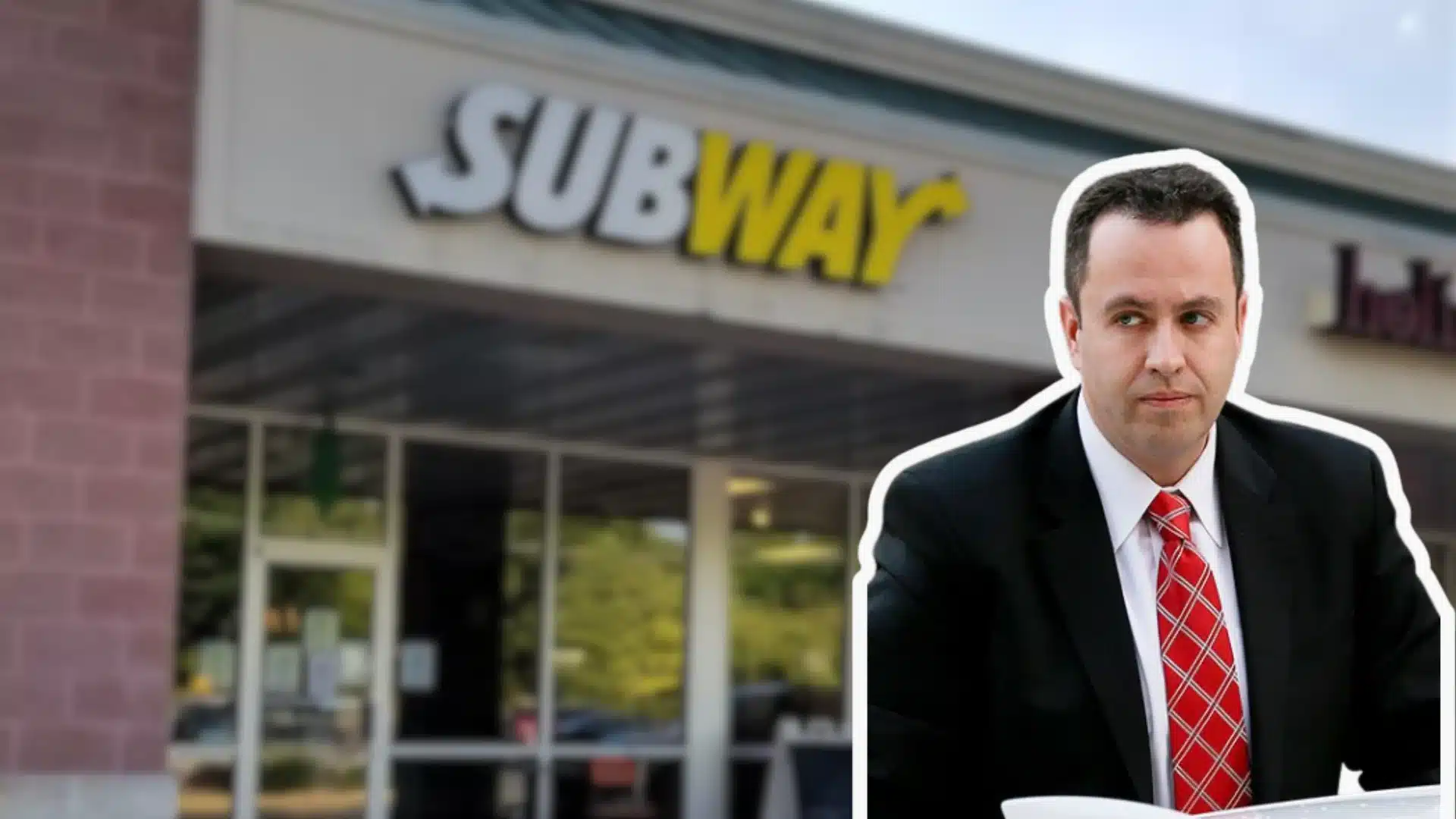
For many people, the name Jared Fogle instantly brings back memories of the famous Subway commercials that once appeared everywhere on television.
His transformation story made him one of the most recognizable advertising figures in America, and the phrase “Jared Subway” became closely tied to the brand for years.
But over time, curiosity around his life shifted in a completely different direction.
Today, many readers still search for questions like “is Jared Fogle still in prison?” because the story behind his rise and fall continues to shock people even years later.
What makes the case so unsettling is how quickly a public image built on trust and success disappeared almost overnight.
Jared Fogle: Early Life and Background
Jared Fogle was born on December 1, 1977, in Indianapolis, Indiana. He grew up in a middle-class family and struggled with obesity from a young age.
During his teenage years and early adulthood, his weight continued to increase because of unhealthy eating habits and a lack of physical activity.
By the time he attended Indiana University, Jared reportedly weighed more than 400 pounds.
His lifestyle at the time mainly included fast food and very little exercise. While studying at college, he decided to make changes to improve his health.
He started eating sandwiches from Subway regularly and added walking to his daily routine.
Over time, he lost a large amount of weight, and his transformation attracted attention around campus.
A student newspaper later shared his story, which eventually led to national media coverage and helped Jared Fogle become widely known as the face of Subway during the late 1990s and early 2000s.
What Crimes Was Jared Fogle Convicted Of?
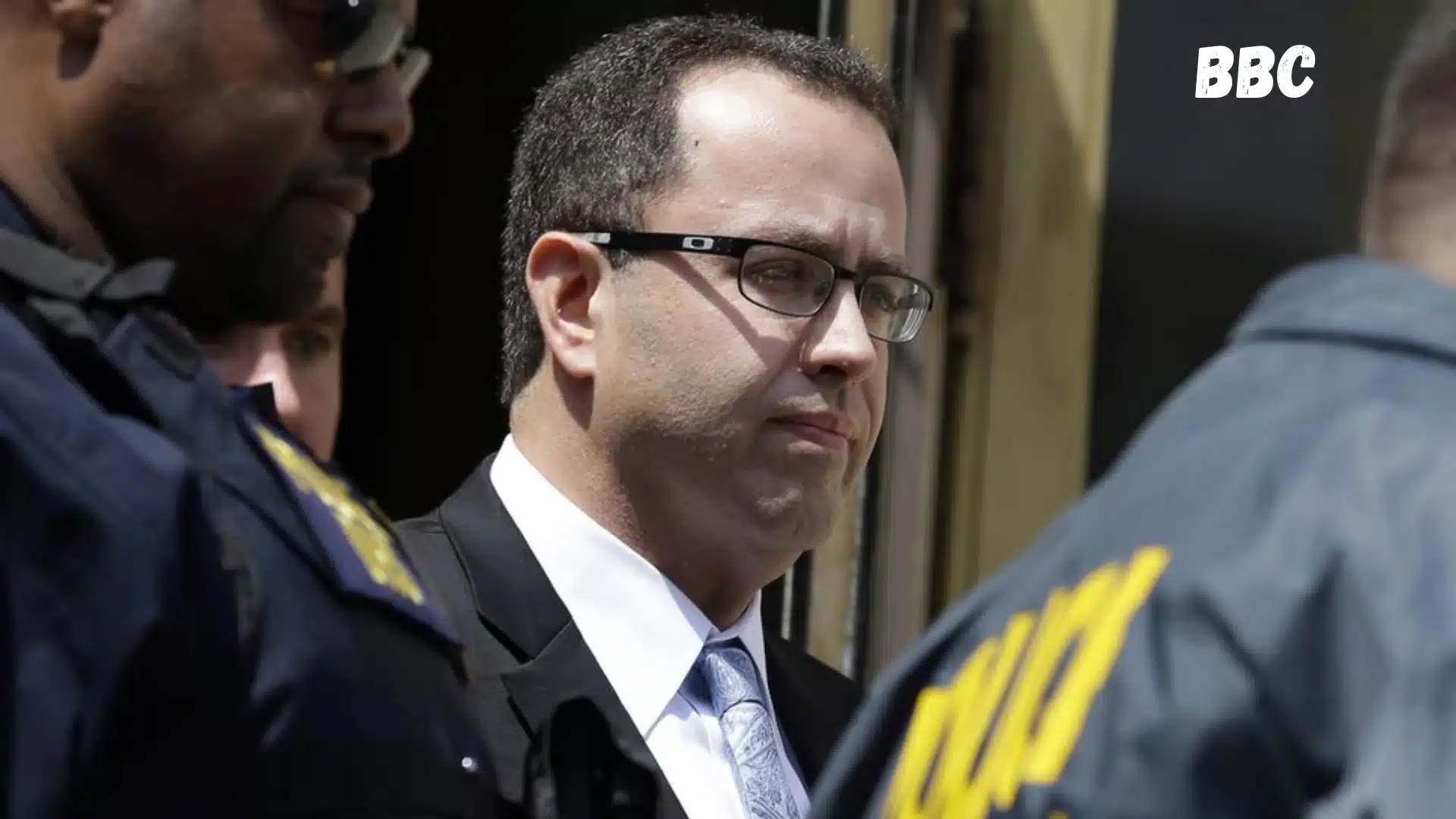
Jared Fogle was convicted of serious federal crimes involving child exploitation and illegal sexual conduct with minors.
In 2015, federal investigators charged him with:
- Receiving and distributing child pornography
- Traveling across state lines to engage in sexual conduct with minors.
The investigation began after the April 2015 arrest of Russell Taylor, director of the Jared Foundation, on charges of child exploitation, possession of child pornography, and voyeurism.
During their investigation into Taylor’s devices, the FBI discovered that he had exchanged sexually explicit images and videos of children with Fogle, including recordings of minors as young as six.
That digital evidence led investigators directly to Fogle.
In my experience handling federal cases, the paper trail from a co-conspirator’s devices is often what breaks a case wide open.
On August 19, 2015, Fogle appeared in federal court and pleaded guilty under 18 U.S.C. § 2252.
As per CNN news, court filings identified 14 victims. Fogle agreed to pay $100,000 to each victim, designated for counseling and support.
High-profile criminal cases like this one illustrate how quickly a public figure’s legal exposure can expand once a co-conspirator cooperates with federal authorities.
Is Jared Fogle Still in Prison?
Yes, Jared Fogle is still in prison as of 2026.
In November 2015, the court sentenced him to more than 15 years in federal prison, along with financial penalties and lifetime supervised release after imprisonment.
| Detail | Information |
|---|---|
| Register Number | 12919-028 |
| Current Location | FCI Englewood (Low), Littleton, Colorado |
| Imprisonment Date | November 19, 2015 |
| Projected Release Date | March 24, 2029 |
Although prison release dates can sometimes change because of federal sentence calculations or good conduct credits.
Since entering prison, several reports have described his daily life behind bars, including fitness routines and prison work assignments.
Despite multiple legal attempts to reduce his sentence, courts have continued to uphold his conviction and prison term.
What Will Happen to Jared Fogle After His Release in 2029?
Release from federal prison does not mean freedom in any ordinary sense for someone convicted on these charges.







How the Jared Fogle Scandal Changed Subway?

The Jared Fogle scandal deeply affected Subway because the company had spent years building its public image around his weight loss story and healthy lifestyle message.
Once the criminal case became public, Subway faced major backlash and reputation damage.
- Subway immediately ended its partnership with Jared Fogle in 2015
- The company removed its advertisements, posters, and online promotions
- Public trust in the Subway brand declined after the scandal
- Subway shifted its marketing focus toward food quality and athlete endorsements
- The case became one of the biggest celebrity endorsement controversies in fast food history
After the controversy, Subway worked to rebuild its image through new advertising campaigns and brand changes.
The scandal also showed businesses the risks of relying too heavily on a single public figure to represent an entire company.
What “Catching a Monster” Docuseries Revealed About Jared Fogle?
In March 2023, Investigation Discovery and Discovery+ Premiered Jared from Subway: Catching a Monster, a Three-Part Docuseries that Brought Renewed Attention to the Case.
All three parts aired back-to-back on March 6, 2023, and the series remains available to stream on discovery+ and Hulu.
The series centers on Rochelle Herman, a Florida journalist and single mother who first met Fogle at a school event in 2006.
After Fogle made disturbing comments about middle school girls at the appearance, Herman began secretly recording their conversations over several years and eventually turned those recordings over to the FBI.
The docuseries details how Herman’s cooperation helped build the case against Fogle, even though the recordings themselves were not enough to trigger charges on their own.
The series also features interviews with Russell Taylor’s stepdaughters, Hannah and Christian, who were among Fogle’s victims, and walks through how Taylor’s arrest ultimately led investigators to Fogle’s home.
Produced by a double act for ID, the docuseries drew significant viewer interest and reignited public conversation about how long warning signs in the case were ignored.
One of the more uncomfortable threads in catching a monster is the question of what Subway knew. Herman says she reported her concerns about Fogle to others before he was charged in 2015.
The series examines the timeline without reaching a definitive conclusion, though Fogle’s ex-wife, Kathleen McLaughlin, later sued Subway, claiming the company had received warnings about his behavior before his arrest.
Where is Jared Fogle’s Family Now?
After Jared Fogle’s arrest and conviction in 2015, his family largely stepped away from public attention.
His first wife, Elizabeth Christie, had divorced him years before the criminal investigation began and has also remained out of public view.
His second wife, Kathleen Mc Laughlin, filed for divorce shortly after the criminal charges became public, and the divorce was finalized later that year.
Since then, she has focused on raising their two children privately and has avoided media exposure.
Reports over the years suggest that Kathleen moved away from the spotlight to protect her children from public attention connected to the case.
Jared’s former family life, which once appeared stable during his years as the subway spokesperson, changed completely after the scandal became national news.
Today, very little verified information is publicly available about Jared Fogle’s children or former spouses because they have chosen to live private lives away from media coverage and public discussion surrounding his crimes.
What Does the Jared Fogle Case Reveal About Federal Criminal Law?
From a criminal law perspective, several elements of this case are worth noting plainly.
The investigation further highlights how digital evidence, electronic communications, and cooperation among law enforcement agencies play important roles in modern criminal prosecutions.
- Plea deals are not binding on judges. The Fogle sentencing is a clear illustration. A judge can sentence above the range prosecutors agree to recommend, as long as the sentence does not exceed the statutory maximum.
- Good-time credit has limits. Federal inmates convicted under specific statutes, including child pornography distribution, are excluded from certain earned-time provisions under the First Step Act. the 85% rule applies in fogle’s case.
- Lifetime supervision is a real sentence. The term after incarceration is not symbolic. It includes enforceable restrictions on housing, travel, technology, and daily life that can result in reincarceration if violated.
- Sex offender registration is permanent at Tier III. There is no expiration and no petition for removal available at the federal level for this classification.
Disclaimer: This section is for general informational purposes only and does not constitute legal advice. Consult a licensed attorney for guidance on specific legal situations.
Conclusion
The story of Jared Fogle remains one of the most shocking celebrity scandals associated with a major fast-food brand.
From becoming the face of the subway through his weight loss journey to serving a lengthy federal prison sentence, his case completely changed public perception of both his personal image and the company he represented.
For readers still asking, “is jared fogle still in prison,” the answer is yes, and his projected release is still years away.
The case also serves as a reminder of how quickly public trust can collapse when serious criminal behavior comes to light.
Readers often have different perspectives on how the scandal affected the subway and its public image over the years. Share your thoughts or opinions in the comments below.
Frequently Asked Questions
Did Jared Fogle Write a Book About His Weight Loss?
Yes, Jared Fogle co-authored a book about his weight-loss journey, eating habits, and lifestyle changes during the period when his Subway success story gained national attention.
Has Jared Fogle Given Any Public Interviews from Prison?
There have been very few public statements from Jared Fogle since his imprisonment. Most recent information about him comes from legal records, prison reports, and media coverage instead of interviews.
Did Jared Fogle Have Endorsement Deals Outside Subway?
Although the subway was his primary partnership, Jared Fogle also participated in interviews, health campaigns, and sponsored appearances connected to fitness and lifestyle-related promotions during his fame.





