
June 5, 2026

Putting a dollar amount on pain is not as simple as adding up hospital bills. Medical costs can be listed on paper, but stress, sleep loss, daily discomfort, and missed parts of life are harder to measure. That is why many accident victims want to know how pain and suffering are calculated before they accept a settlement offer. In this blog, you will learn what pain and suffering mean in a personal injury case, the two common methods used to estimate them, and the main factors that can raise or lower the final amount. We will also cover what kind of proof can support your claim and why no formula can promise the exact value of a case. By the end, you will have a clearer idea of how these damages are reviewed. What Pain and Suffering Mean in a Personal Injury Case? Pain and suffering cover the personal harm that does not always show up on a medical bill. It can include the physical pain from the injury itself, such as soreness, stiffness, headaches, nerve pain, or ongoing discomfort. It can also include the emotional side of the accident. Many people experience fear, anxiety, mood changes, or difficulty sleeping after getting hurt. Some injuries change how a person moves through daily life entirely. For example, they may not be able to exercise, drive, play with their kids, travel, or take part in hobbies the same way. Pain and suffering can also cover limits on normal daily activities, like cooking, cleaning, walking, working, or getting dressed. In a personal injury case, these losses help show how the injury changed life beyond the basic cost of treatment. How is Pain and Suffering Calculated? There is no single fixed formula that works for every personal injury case. Pain and suffering depend on […]
Choosing auto insurance in Pennsylvania involves more than selecting coverage limits and deductibles. One of the most important decisions drivers
Mediation can feel confusing when you are already dealing with pain, bills, insurance calls, and a legal claim. The simple
For many people, the name Jared Fogle instantly brings back memories of the famous Subway commercials that once appeared everywhere
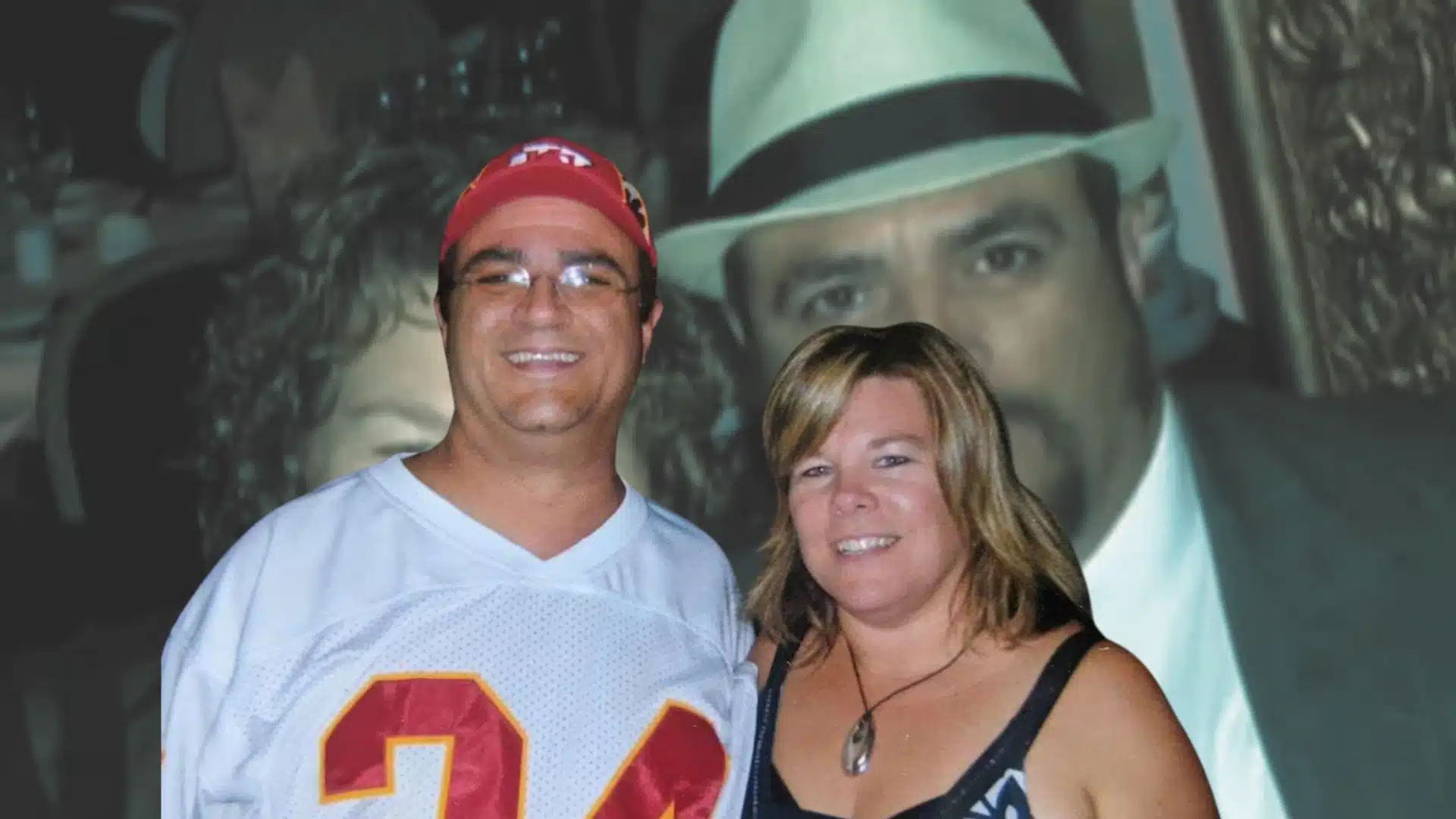
A quiet evening in Missouri turned into a tragedy that shattered a family and sparked one of the state’s most debated murder cases. Betsy Faria, a woman battling cancer, was found brutally killed inside her home, while her husband, Russ Faria, quickly became the focus of the investigation. What first appeared to be a straightforward case later unraveled through hidden details, courtroom twists, and claims of suppressed evidence. Years later, the case still raises questions about justice, assumptions, and what truly happened the night Betsy died. Ahead, learn who Russ Faria was, what happened during the investigation, and how the case took a dramatic turn in court. Who is Russ Faria? Russell Faria grew up in the St. Louis suburbs and met Elizabeth “Betsy” Faria at a gas station in O’Fallon in 1998. They married in 2000 and settled in Troy, Missouri, where Russ became stepfather to Betsy’s two daughters from a previous relationship. When Betsy received a terminal breast cancer diagnosis in 2010, the couple put aside years of marital difficulties and genuinely reconnected. By all accounts, the time after her diagnosis was among the closest they shared. Russ had no criminal history and no record of violence. What Happened on the Night of December 27, 2011? Betsy spent the day recovering from chemotherapy at her mother’s house. Pam Hupp, a close friend and coworker, insisted on driving Betsy home to Troy that evening, even though Russ had already planned to pick her up. Hupp later told police she dropped Betsy off around 7 p.m. Russ was at a regular Tuesday game night at a friend’s house in O’Fallon, roughly twenty miles away. His cell phone records showed he was there throughout the evening. He made purchases at multiple stores on his way home, creating a trail of receipts […]
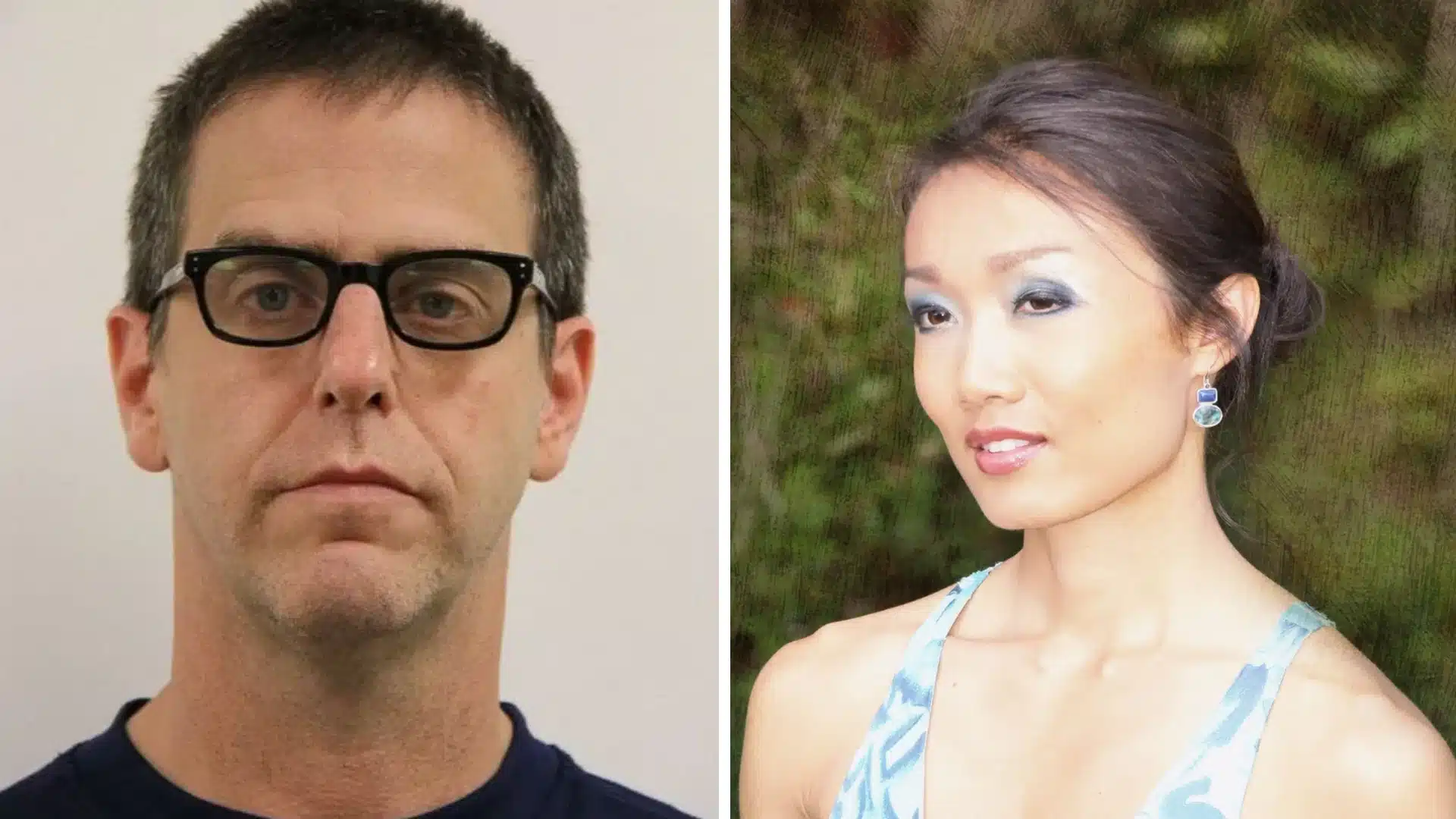
In 2011, at the Spreckels Mansion, many people left asking what really happened. The case gained attention because of its setting, timing, and the questions that followed the official ruling. In this blog, you will get a clear and simple look at Rebecca Zahau, who she was, what happened before her death, what investigators said, and why the case is still discussed today. The goal is not to push theories or take sides. It is to lay out the known facts in an easy way. You will also see how the legal fight, family concerns, and public interest kept her story in the spotlight long after the investigation ended. Who was Rebecca Zahau? Rebecca was 32 years old when her name became tied to a case that drew national attention. She was born in Myanmar and later moved to the United States, where she built a quiet life away from the spotlight. At the time of her death, she was in a relationship with Jonah Shacknai, a wealthy businessman and the founder of Medicis Pharmaceutical. Their relationship placed her close to his family and his home in Coronado, California. That home was the Spreckels Mansion, a large historic property with a long past of its own. Rebecca was staying there in July 2011, which is why her death became linked to the mansion. Before that, she was not a public figure. Most people came to know her only after the strange and sad events that happened inside that home. What Happened Before Rebecca Zahau’s Death? Just two days before Rebecca Zahau was found dead, a serious accident happened inside the Spreckels Mansion. On July 11, 2011, Jonah Shacknai’s 6-year-old son, Max Shacknai, fell from an upstairs staircase at the home in Coronado, California. Rebecca was at the mansion at the […]
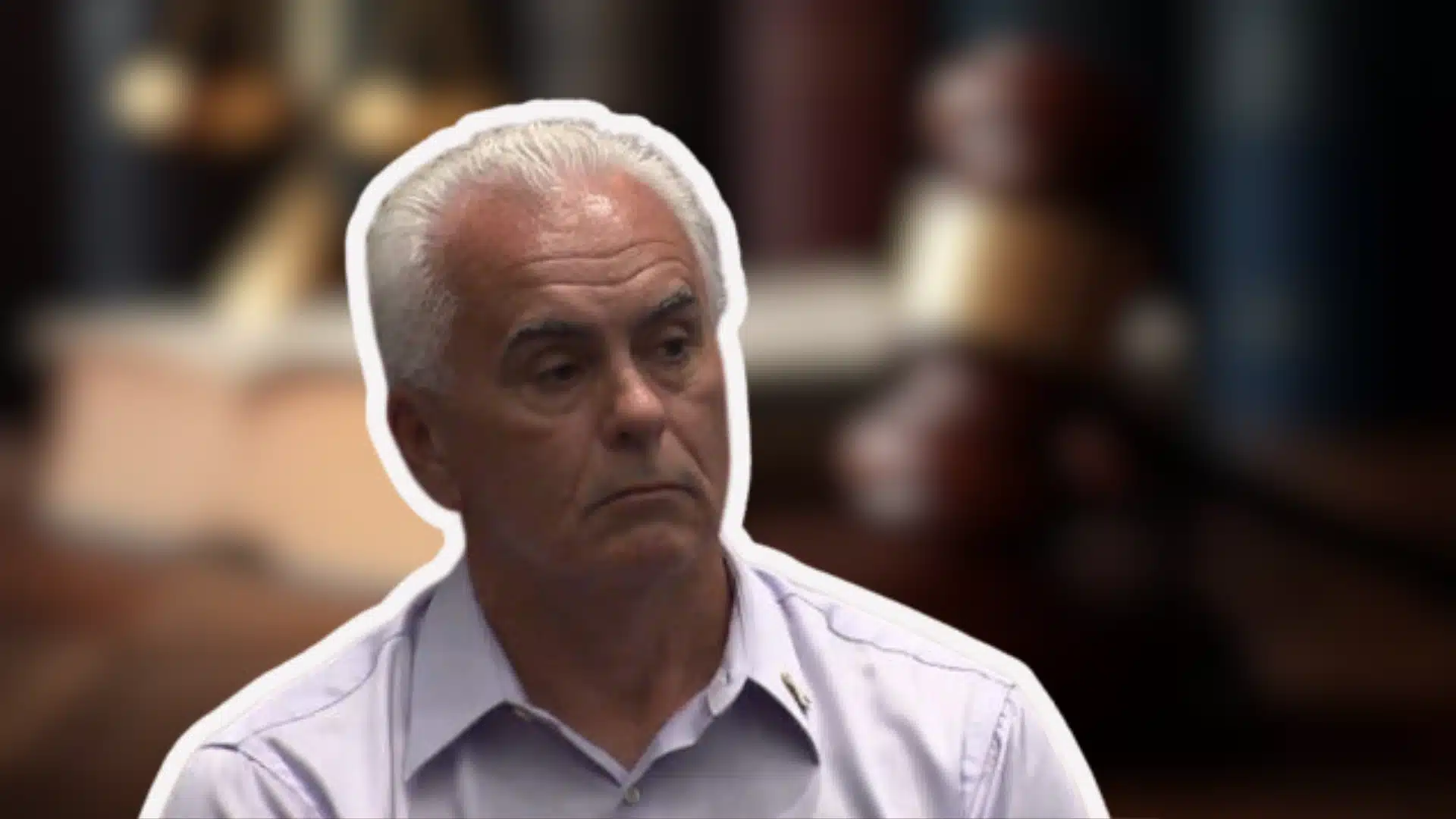
For many people, the Casey Anthony case was more than just a headline. It became one of those stories that stayed in public memory for years because of the emotions, courtroom drama, and painful family tensions involved. As interest in the case continues, many readers still search for answers about George Anthony, Casey Anthony’s father, and the complicated relationships inside the Anthony family. Behind the media coverage was a family facing pressure, loss, and public attention that never fully disappeared. That is why so many people still want to understand who George Anthony really is beyond the television interviews and trial coverage. Looking closely at his background and family connections helps paint a clearer picture of the people involved in this criminal case. George Anthony: Early Life and Background George Anthony was born on September 5, 1951, in Warren, Ohio. He married Cindy Anthony on March 20, 1981, in Niles, Ohio, and is the father of Casey Anthony. In 1989, the family relocated to Orlando, Florida. Before becoming a public figure, George lived a mostly private life in Florida with his family. He began his career in law enforcement in 1974 when he joined the Trumbull County Sheriff’s Department in Ohio. He worked as a homicide detective for approximately ten years before leaving law enforcement in 1985. That background, including his familiarity with the smell of decomposition and standard investigative procedures, would later become a focal point in courtroom testimony during Casey Anthony’s murder trial. After leaving law enforcement, George held various jobs in Florida, including work in security services. Friends and neighbors once described the Anthony family as an ordinary middle-class household before the tragic events connected to Caylee Anthony’s disappearance brought intense scrutiny. George was known as a family-oriented person who spent time with his granddaughter, Caylee, and […]

Steven Avery is one of those true crime names people still argue about, like the case ended yesterday. Some see him as proof that the system can fail badly, while others believe the evidence answered everything. His life story is not simple because it mixes family, prison, public doubt, and one murder case that never left the internet. As a criminal defense attorney, I can see why you may feel stuck between both sides of the debate. I will be telling you about Steven Avery’s general background and biographical information without making the case feel harder than it already is. Before the legal noise, let’s start with the man behind the name. Who is Steven Avery? Steven Avery is an American man from Manitowoc County, Wisconsin, born on July 9, 1962. He grew up around his family’s 40-acre salvage yard in Gibson, where he lived most of his life. His school records said he had a low IQ, and he left school early after struggling in class. Avery had legal trouble before the cases that made him famous. In the early 1980s, he was convicted of burglary and animal cruelty. In 1985, he also forced his cousin, Sandra Morris, off the road at gunpoint. She was married to a Manitowoc County sheriff’s deputy, which created tension between Avery and local police years before Teresa Halbach’s death. Where is Steven Avery Now? Steven Avery is currently serving a life sentence at Fox Lake Correctional Institution in Wisconsin. He was convicted in 2007 for the first-degree intentional homicide of Teresa Halbach and has remained incarcerated since. He has been there since 2022, after earlier stays at Waupun Correctional Institution and Wisconsin Secure Program Facility. Key details of his case: Sentence: Life in prison for Teresa Halbach’s murder. Parole status: No realistic parole chance […]