
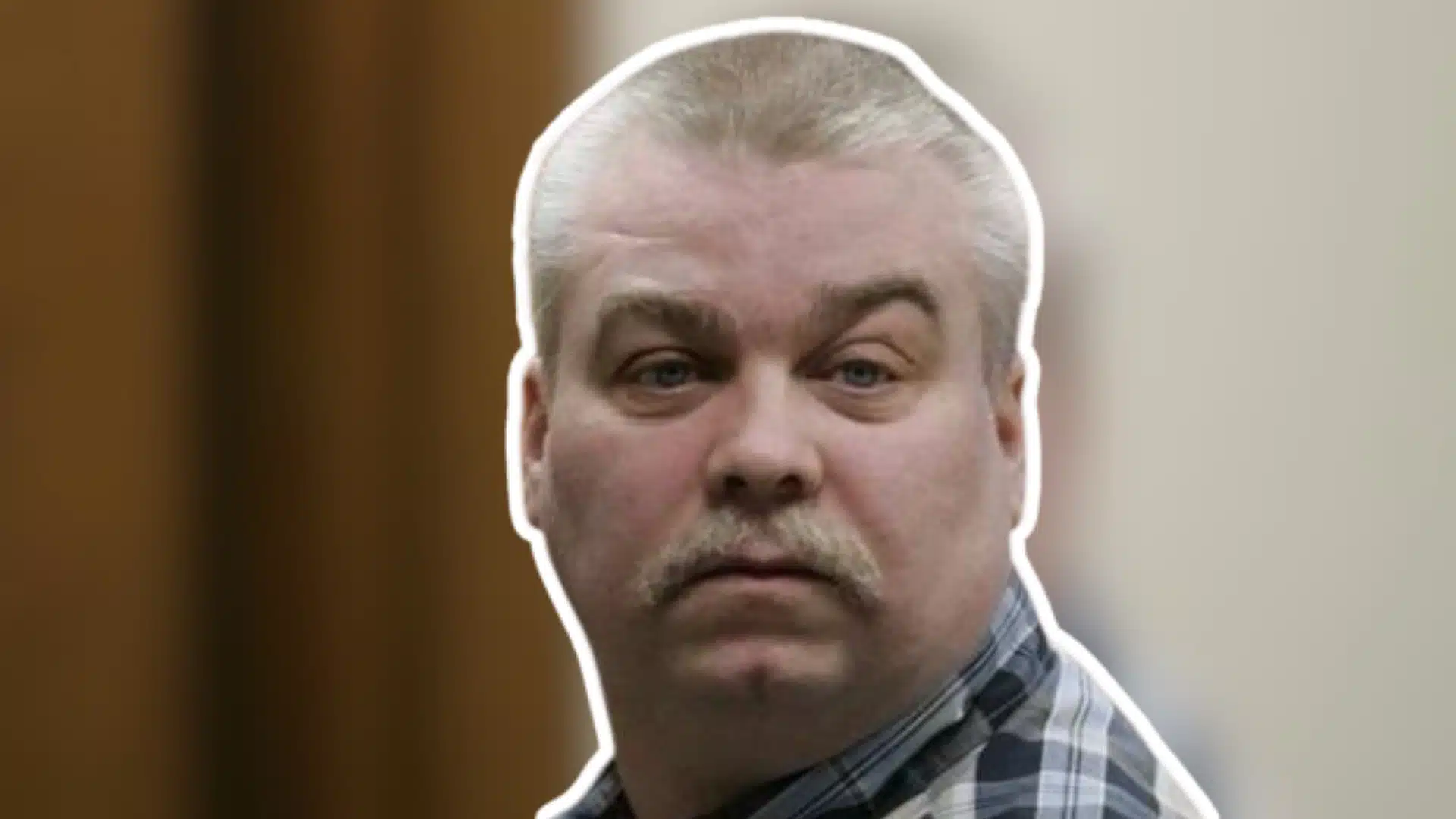
Steven Avery is one of those true crime names people still argue about, like the case ended yesterday. Some see him as proof that the system can fail badly, while others believe the evidence answered everything.
His life story is not simple because it mixes family, prison, public doubt, and one murder case that never left the internet.
As a criminal defense attorney, I can see why you may feel stuck between both sides of the debate.
I will be telling you about Steven Avery’s general background and biographical information without making the case feel harder than it already is. Before the legal noise, let’s start with the man behind the name.
Who is Steven Avery?
Steven Avery is an American man from Manitowoc County, Wisconsin, born on July 9, 1962.
He grew up around his family’s 40-acre salvage yard in Gibson, where he lived most of his life. His school records said he had a low IQ, and he left school early after struggling in class.
Avery had legal trouble before the cases that made him famous. In the early 1980s, he was convicted of burglary and animal cruelty. In 1985, he also forced his cousin, Sandra Morris, off the road at gunpoint.
She was married to a Manitowoc County sheriff’s deputy, which created tension between Avery and local police years before Teresa Halbach’s death.
Where is Steven Avery Now?
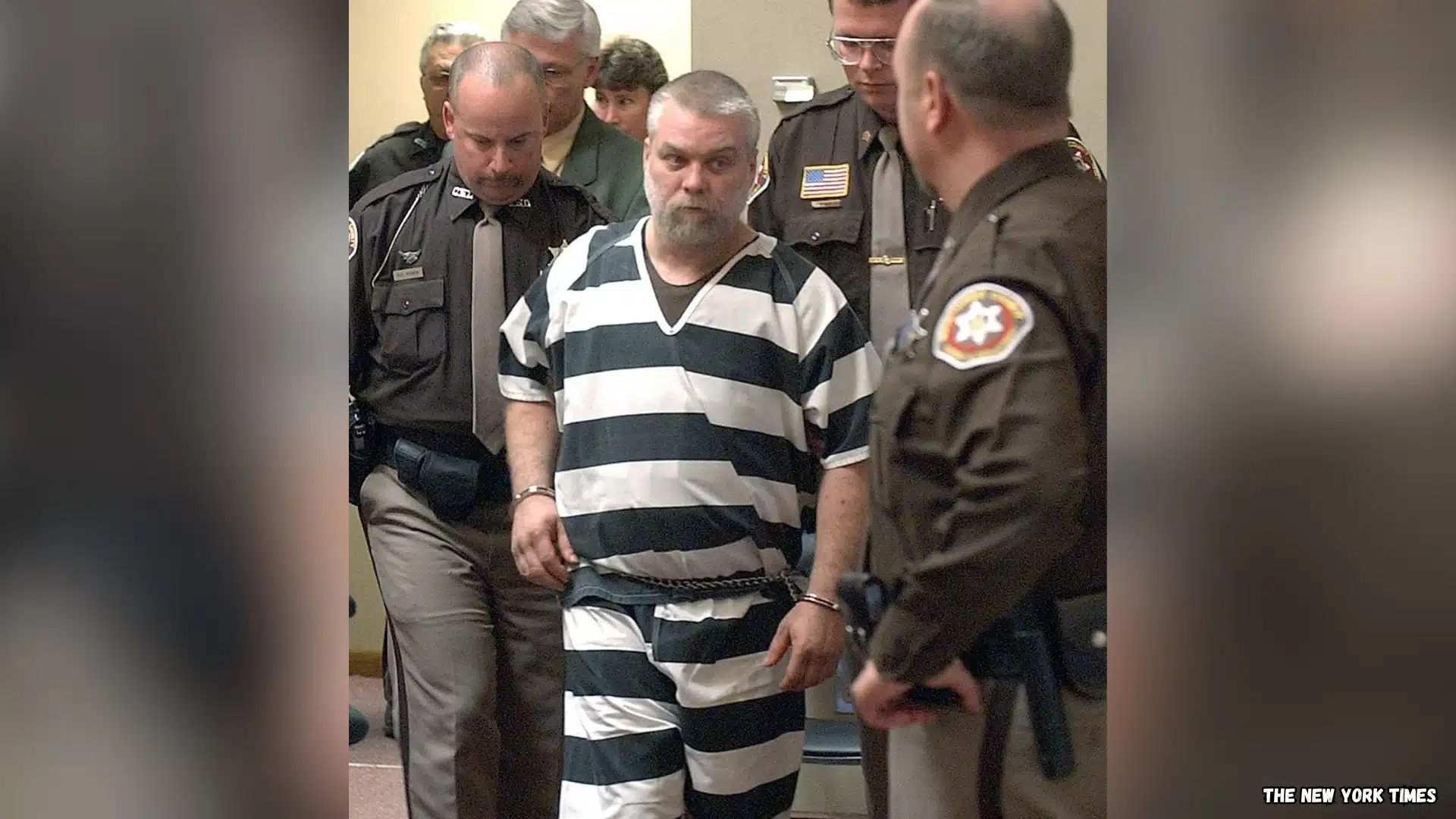
Steven Avery is currently serving a life sentence at Fox Lake Correctional Institution in Wisconsin.
He was convicted in 2007 for the first-degree intentional homicide of Teresa Halbach and has remained incarcerated since.
He has been there since 2022, after earlier stays at Waupun Correctional Institution and Wisconsin Secure Program Facility.
Key details of his case:
- Sentence: Life in prison for Teresa Halbach’s murder.
- Parole status: No realistic parole chance under his current sentence.
- Legal position: He still maintains his innocence.
- Latest update: Wisconsin Supreme Court rejected review in May 2025, closing all remaining state-level appellate options.
His lawyer, Kathleen Zellner, has continued to challenge the conviction. Since state appeals are now closed, a federal habeas corpus petition under 28 U.S.C. § 2254 is the next possible route.
Why is Steven Avery Still in Prison?
Steven Avery is still in prison because a Wisconsin jury found him guilty of murdering photographer Teresa Halbach in 2007.
Prosecutors said Halbach visited the Avery salvage yard on October 31, 2005, and was never seen alive again. Investigators found several pieces of evidence connected to Avery during the case.
Avery’s defense team argued that officers planted evidence to frame him because he had a $36 million lawsuit against Manitowoc County.
The defense also raised a post-conviction argument about the distinction between parole eligibility and actual release that goes beyond simple sentence math, a point that becomes important when evaluating what Avery’s legal team is actually fighting for at this stage.
The jury did not accept the framing argument during the trial. Courts reviewing the case later reached the same conclusion, which kept Avery behind bars.
The 1985 Wrongful Conviction
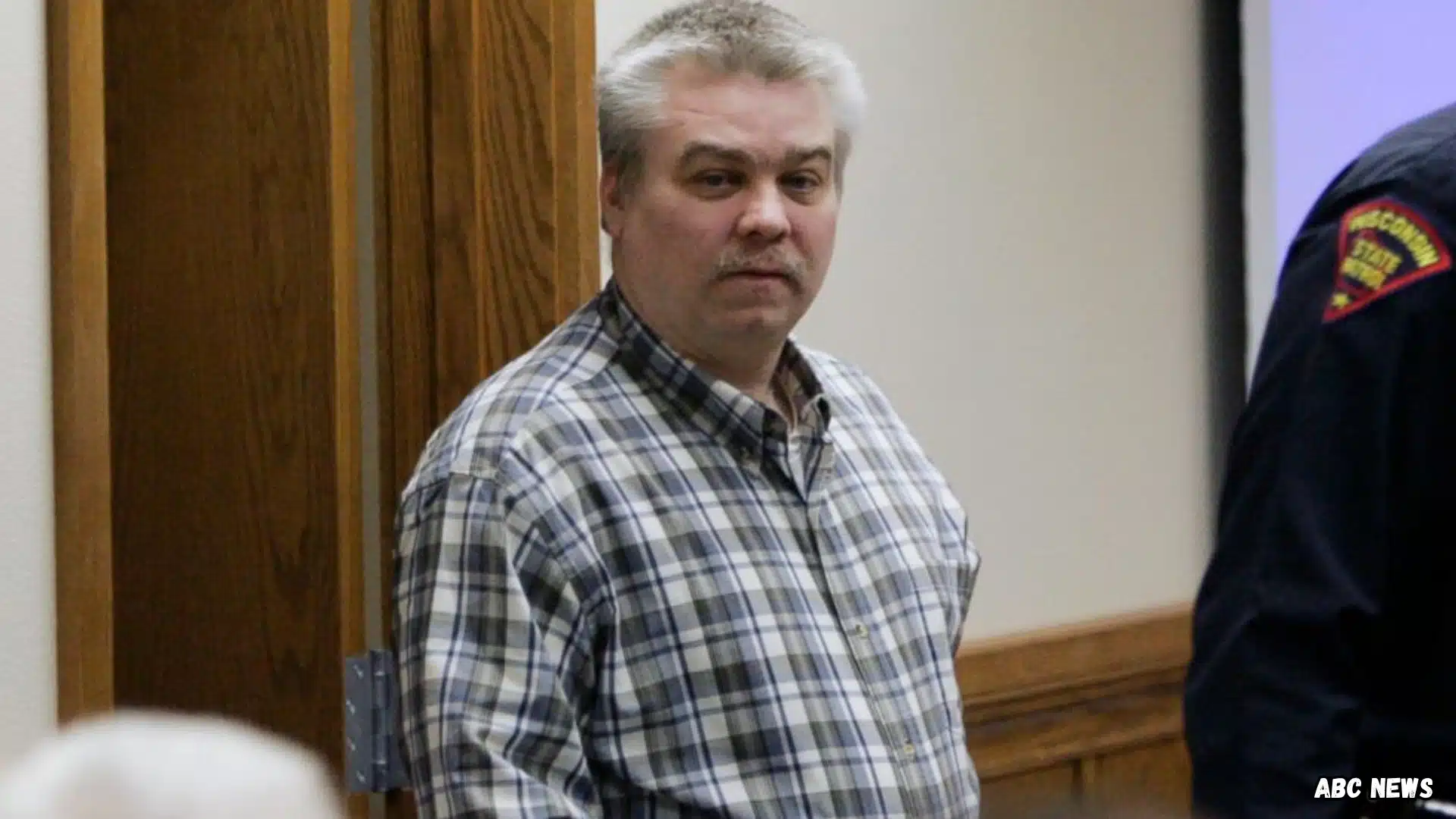
Steven Avery’s first major criminal case started in 1985 after Penny Beerntsen was attacked near a Lake Michigan beach in Wisconsin.
Beerntsen later identified Avery during a police lineup, and prosecutors charged him with rape and attempted murder.
Avery insisted he was somewhere else during the attack. A store receipt and several witnesses placed him in Green Bay, around 40 miles away from the crime scene.
Even with that alibi, the jury convicted him and sentenced him to 32 years in prison.
The Beerntsen lineup identification is a textbook example of why courts have increasingly scrutinized eyewitness testimony.
Everything changed in 2003 when DNA testing linked the crime to another man named Gregory Allen.
Avery walked free after spending 18 years in prison for a crime he did not commit. That wrongful conviction later became a huge part of the debate surrounding his murder case.
What Happened to Teresa Halbach?
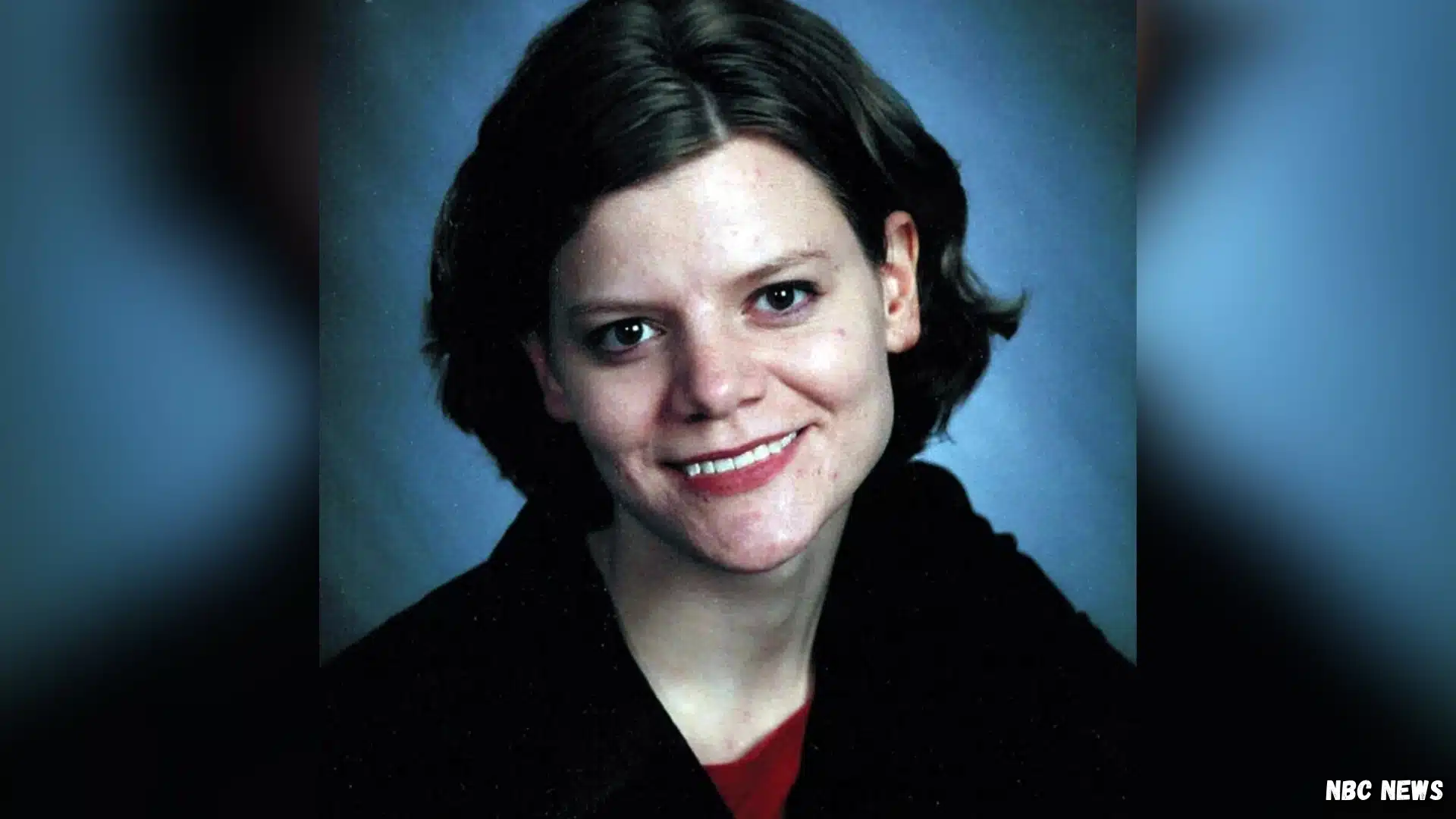
Teresa Halbach was a 25-year-old photographer who worked for Auto Trader magazine in Wisconsin. On October 31, 2005, she visited the Avery salvage yard to photograph a vehicle listed for sale.
According to investigators, Halbach never returned home after that appointment. Her roommate reported her missing on November 3, which started a large search operation across the area.
Police later found several important items connected to the case:
- Halbach’s Toyota RAV-4 was hidden on the salvage yard property.
- License plates removed from the vehicle.
- Her phone, camera, and personal items were near Avery’s trailer.
- Bone fragments identified as Halbach’s remains near a burn pit.
Those discoveries quickly turned Steven Avery into the main suspect in the murder investigation.
Manitowoc County investigators were technically recused from the case due to Avery’s pending civil lawsuit against the county, with the Calumet County Sheriff’s Department leading the official investigation.
However, the officers participated in key searches, a fact that became central to the defense’s misconduct argument at trial.
Brendan Dassey and the Confession
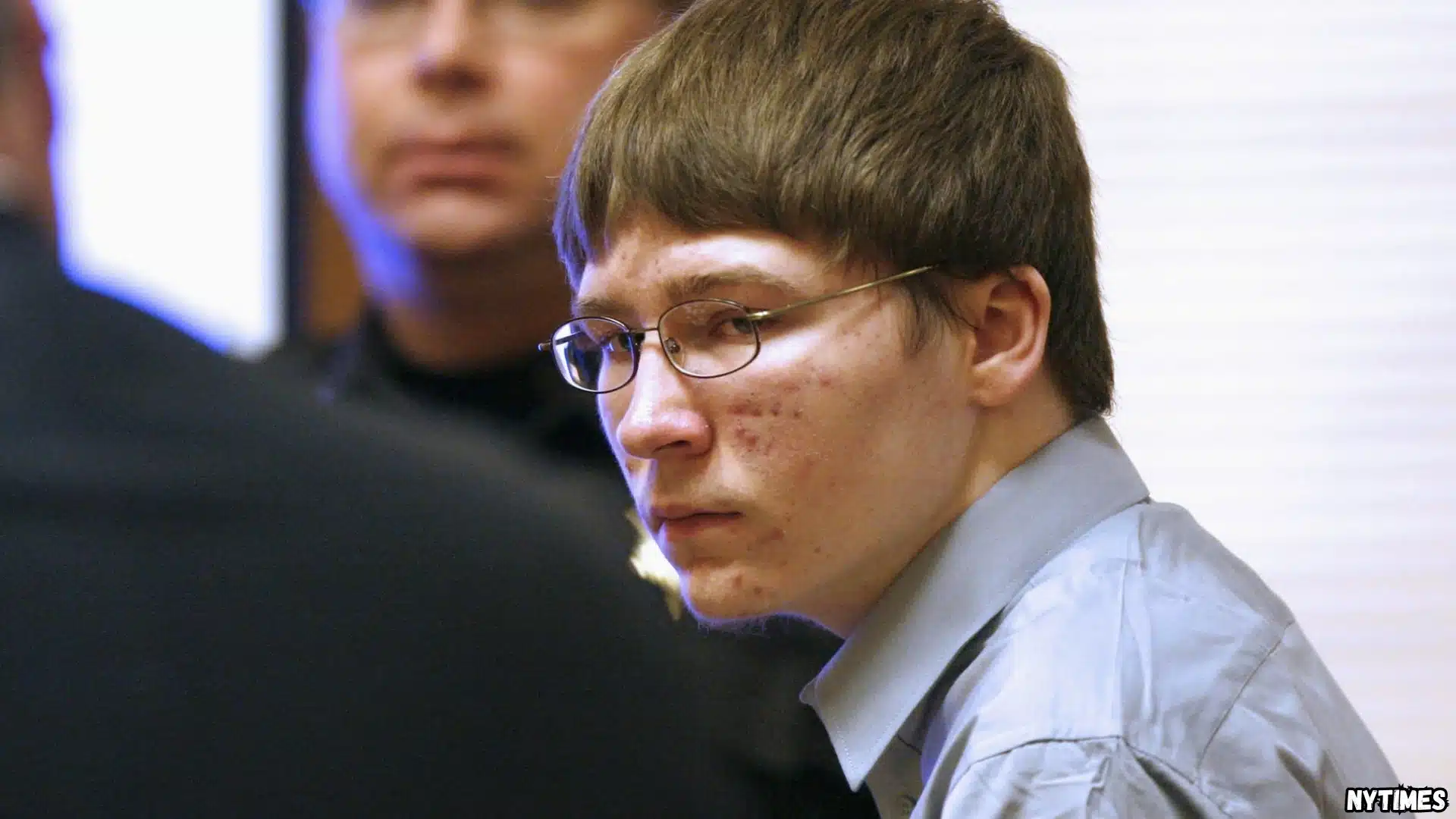
Brendan Dassey’s confession became one of the most disputed parts of the Steven Avery case because of how police questioned him.
1. Police Questioned Brendan Dassey
In March 2006, investigators questioned Brendan Dassey, Steven Avery’s 16-year-old nephew, about Teresa Halbach’s death.
Dassey had learning difficulties and was questioned for hours without a lawyer or a parent beside him. During recorded interviews, Dassey confessed to helping Avery attack and kill Halbach.
Investigators repeatedly suggested details during questioning, and Dassey’s answers changed several times throughout the sessions.
2. Dassey Later Changed His Story
After the confession became public, Dassey said investigators pressured him into repeating things they wanted to hear. His lawyers argued he was confused, scared, and easily influenced during the interviews.
The constitutional challenge centered on the voluntariness standard under the Fourteenth Amendment.
Federal judges on the Seventh Circuit initially agreed the confession was coerced, citing Dassey’s age, limited intellectual capacity, and the officers’ leading questions.
But the full Seventh Circuit reversed that decision en banc in 2017.
Even with those arguments, Dassey was convicted in 2007 for murder, sexual assault, and mutilation of a corpse.
For a detailed look at where his legal situation stands now, see Brendan Dassey’s current legal standing. He received a life sentence with parole eligibility in 2048.
3. The Court Battle Over His Confession
Dassey’s confession created years of legal fights in federal courts. Some judges believed police crossed the line during questioning, while others ruled the confession was legally acceptable.
In 2018, the U.S. Supreme Court refused to hear his case. Brendan Dassey remains in prison at Oshkosh Correctional Institution. He currently has no active appeals pending.
The 2007 Trial And Verdict
Steven Avery’s 2007 trial focused on two big questions: whether the evidence proved murder, and whether police planted it.







Making a Murderer And Public Reaction
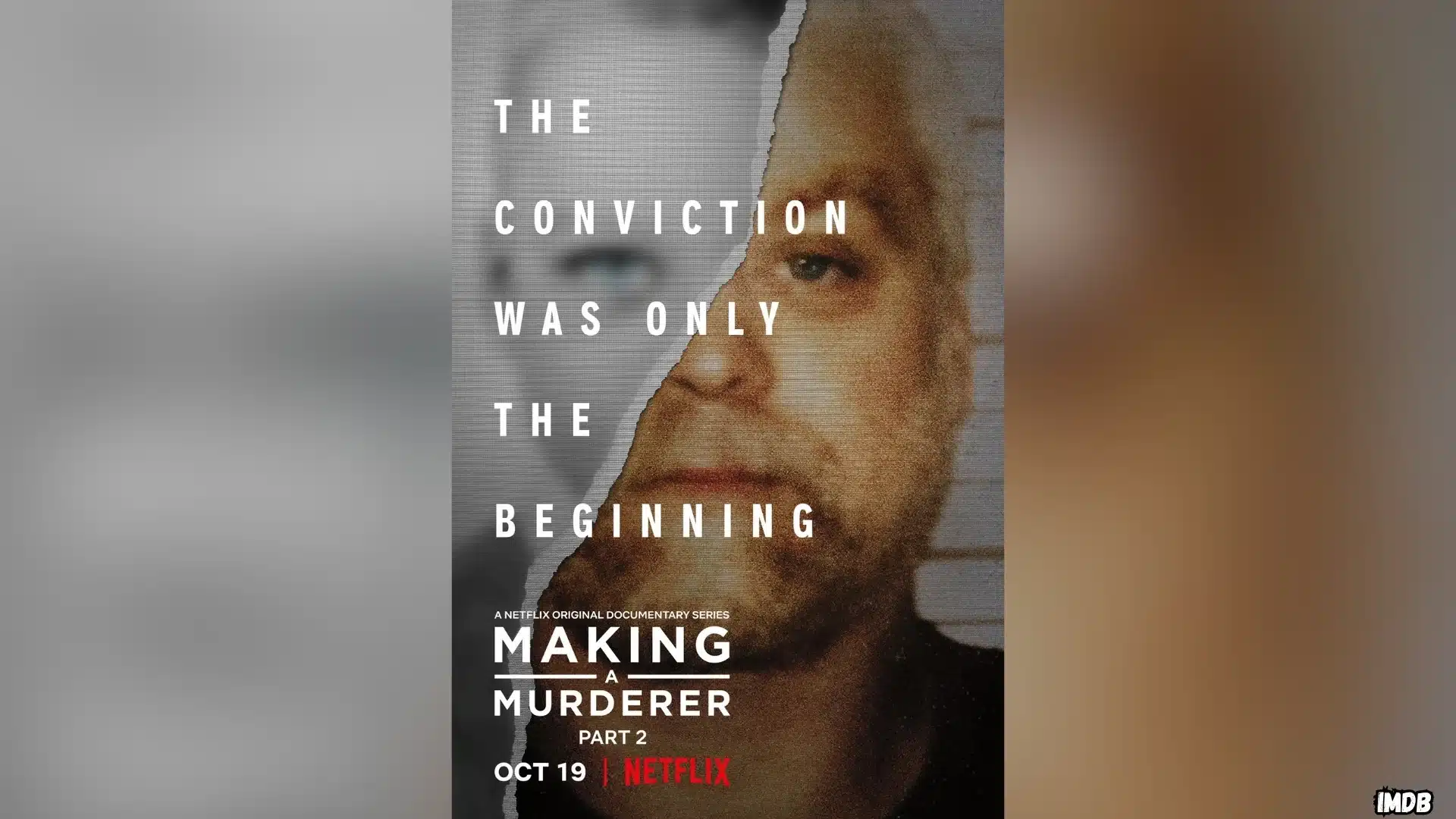
Netflix released Making a Murderer in December 2015, and the series quickly became one of the platform’s biggest true crime hits.
The documentary followed Steven Avery’s wrongful conviction, Teresa Halbach’s murder case, and Brendan Dassey’s confession.
Millions of viewers watched the series and started debating whether Avery received a fair trial.
The documentary also created massive online attention around the case:
- A White House petition gathered more than 500,000 signatures.
- Kathleen Zellner later joined Avery’s legal team.
- Public interest in the case grew worldwide.
- Critics and legal commentators noted the series omitted significant trial evidence, including Avery’s prior criminal history, certain witness testimony, and the full scope of forensic findings, a reminder that documentary filmmaking serves a narrative, not a verdict.
Even years later, the documentary remains a major reason people still search for Steven Avery updates today.
Steven Avery Update: Appeals And What Comes Next
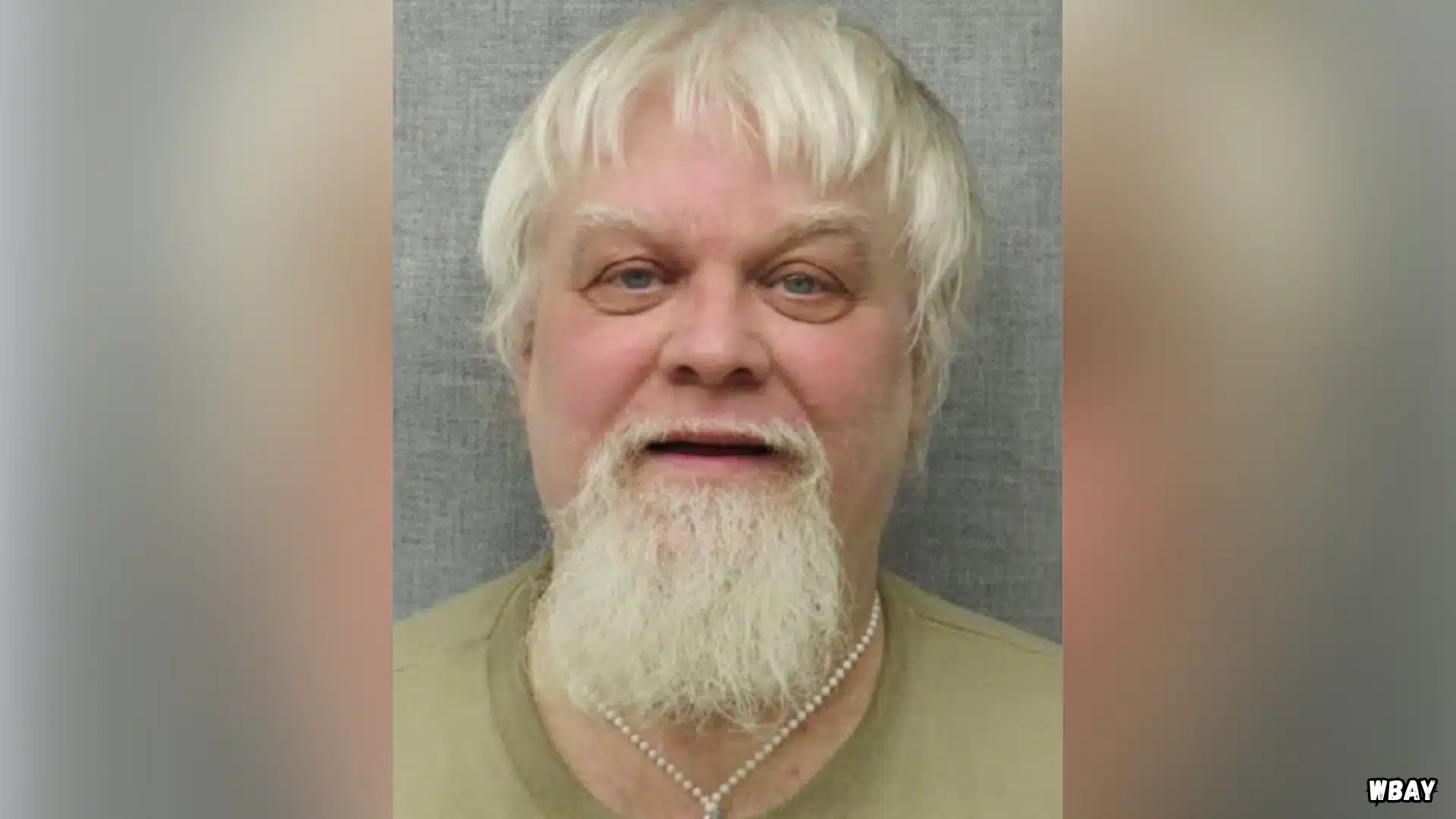
Steven Avery’s appeal fight has lasted for years, but Wisconsin courts have rejected every major attempt so far.
1. Early Appeals Failed
After the 2007 conviction, Steven Avery filed several appeals claiming trial mistakes and unfair legal handling. Wisconsin courts reviewed those arguments but refused to overturn the verdict or grant a new trial.
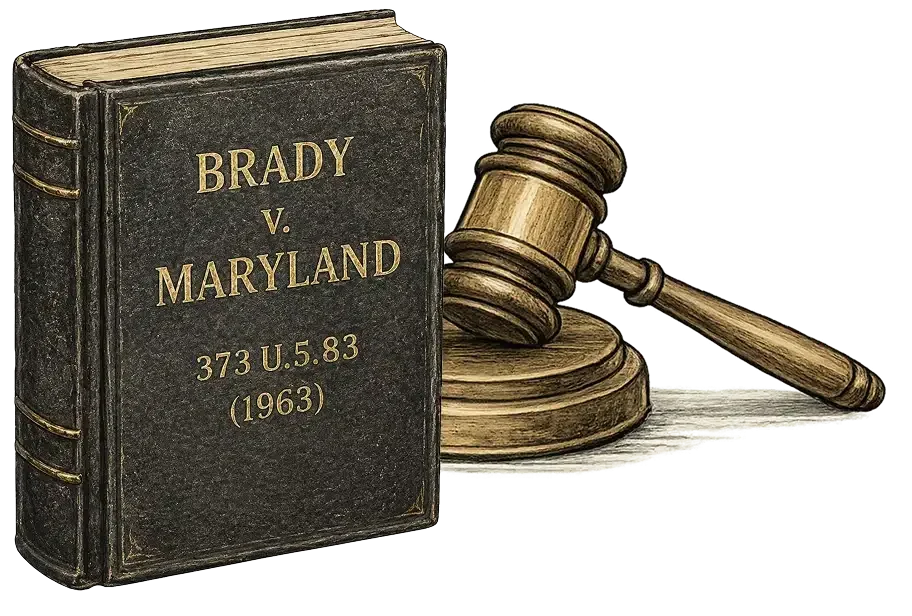
His original lawyers later said they never received certain computer evidence during the trial preparation process. That issue later became an important part of Avery’s future appeals.
2. Kathleen Zellner Took Over The Case
Attorney Kathleen Zellner joined Avery’s legal team in 2016 after Making a Murderer became popular worldwide. She argued another possible suspect, Bobby Dassey, may have been connected to the crime.
Zellner also pointed toward witness statements, computer searches, and claims involving hidden evidence.
Her filings have relied heavily on forensic reanalysis and third-party-perpetrator theories, both of which are notoriously difficult to convince courts to accept after an initial conviction without fresh, compelling physical evidence.
Courts reviewed those filings but rejected the arguments during multiple appeal rounds.
3. What Happens Next?
The latest Steven Avery update came in May 2025 when the Wisconsin Supreme Court refused to review his case. That decision closed Avery’s remaining state appeal options.
Zellner has said a federal court is likely the next step through a habeas corpus petition.
Federal habeas review under 28 U.S.C. § 2254 is intentionally narrow. Federal judges do not retry the case or reweigh the evidence; they evaluate whether the state court proceedings violated the Constitution.
Unless Zellner can identify a specific, preserved constitutional error, the federal courts are unlikely to disturb the verdict.
It is a difficult road, and in my professional assessment, the odds narrow significantly at this stage.
Conclusion
Steven Avery’s story remains difficult because the facts do not sit neatly on one side. He was wrongly convicted once, but courts still stand by his murder conviction today.
That is why where Steven Avery is now remains more than a simple prison status question. The latest Steven Avery update shows a man still in prison, with federal court as his narrow remaining path.
I think the bigger takeaway is not just about guilt or innocence, but trust in the legal process.
You may focus on the evidence, while another reader may focus on the police conflict and past mistakes. Either way, this case still leaves people with strong opinions.
Which part of Steven Avery’s story affects your view the most? Tell us, share with us in the comments below.
Frequently Asked Questions
Did Steven Avery Ever Receive Money for His Wrongful Conviction?
Yes, Steven Avery received a settlement after filing a $36 million lawsuit against Manitowoc County. The case settled in 2006 for about $400,000 shortly after his murder indictment.
Can Steven Avery Still Appeal His Conviction?
Yes, but his remaining legal options are very limited now. Kathleen Zellner has said a federal court could become Avery’s next path through a habeas corpus petition.
Is Brendan Dassey Still in Prison?
Yes, Brendan Dassey remains in prison at Oshkosh Correctional Institution in Wisconsin. He is serving a life sentence and currently has no active appeals pending, but can have parole in 2048, when he will be 59 years old.
Why is Federal Habeas Corpus so Difficult to Win?
A federal habeas petition is not a second trial. Courts only review whether the state process violated constitutional rights, not whether the verdict was correct. Under AEDPA, they give strong deference to state rulings, making reversal extremely hard even when public doubt remains.
“`html
“`