
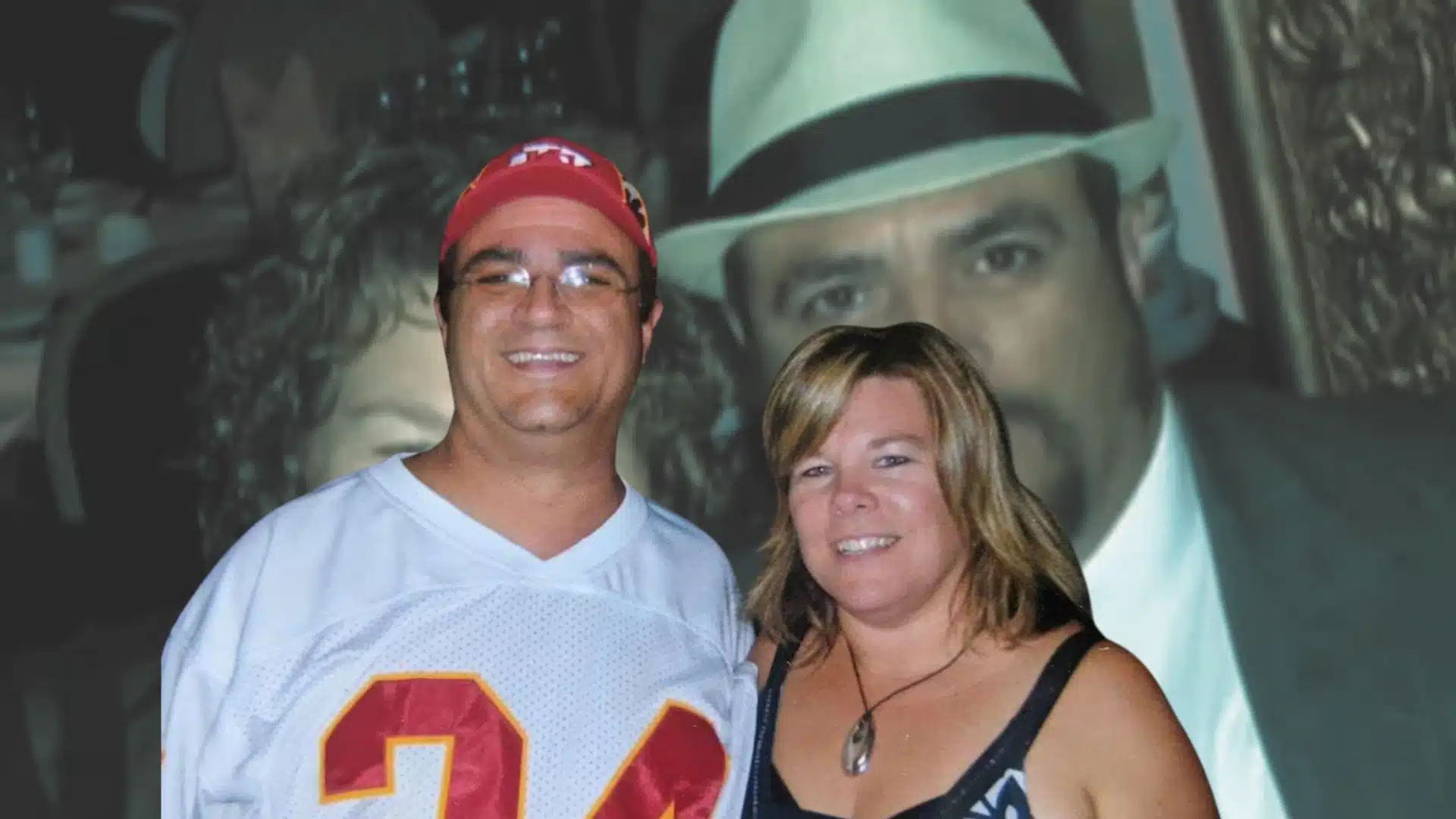
A quiet evening in Missouri turned into a tragedy that shattered a family and sparked one of the state’s most debated murder cases.
Betsy Faria, a woman battling cancer, was found brutally killed inside her home, while her husband, Russ Faria, quickly became the focus of the investigation.
What first appeared to be a straightforward case later unraveled through hidden details, courtroom twists, and claims of suppressed evidence.
Years later, the case still raises questions about justice, assumptions, and what truly happened the night Betsy died.
Ahead, learn who Russ Faria was, what happened during the investigation, and how the case took a dramatic turn in court.
Who is Russ Faria?
Russell Faria grew up in the St. Louis suburbs and met Elizabeth “Betsy” Faria at a gas station in O’Fallon in 1998.
They married in 2000 and settled in Troy, Missouri, where Russ became stepfather to Betsy’s two daughters from a previous relationship.
When Betsy received a terminal breast cancer diagnosis in 2010, the couple put aside years of marital difficulties and genuinely reconnected.
By all accounts, the time after her diagnosis was among the closest they shared. Russ had no criminal history and no record of violence.
What Happened on the Night of December 27, 2011?
Betsy spent the day recovering from chemotherapy at her mother’s house.
Pam Hupp, a close friend and coworker, insisted on driving Betsy home to Troy that evening, even though Russ had already planned to pick her up.
Hupp later told police she dropped Betsy off around 7 p.m.
Russ was at a regular Tuesday game night at a friend’s house in O’Fallon, roughly twenty miles away. His cell phone records showed he was there throughout the evening.
He made purchases at multiple stores on his way home, creating a trail of receipts and security footage. He arrived to find Betsy stabbed to death on the living room floor.
Betsy had been stabbed 55 times. A serrated kitchen knife remained lodged in her neck.
There was no blood on Russ’s body, no blood on his clothing, and no forensic evidence of any kind connecting him to the scene. Four alibi witnesses confirmed his whereabouts.
The 911 operator later described his shock as sounding completely genuine.
The investigation, nonetheless, focused on him almost immediately.
The 2013 Trial and Wrongful Conviction of Russ Faria
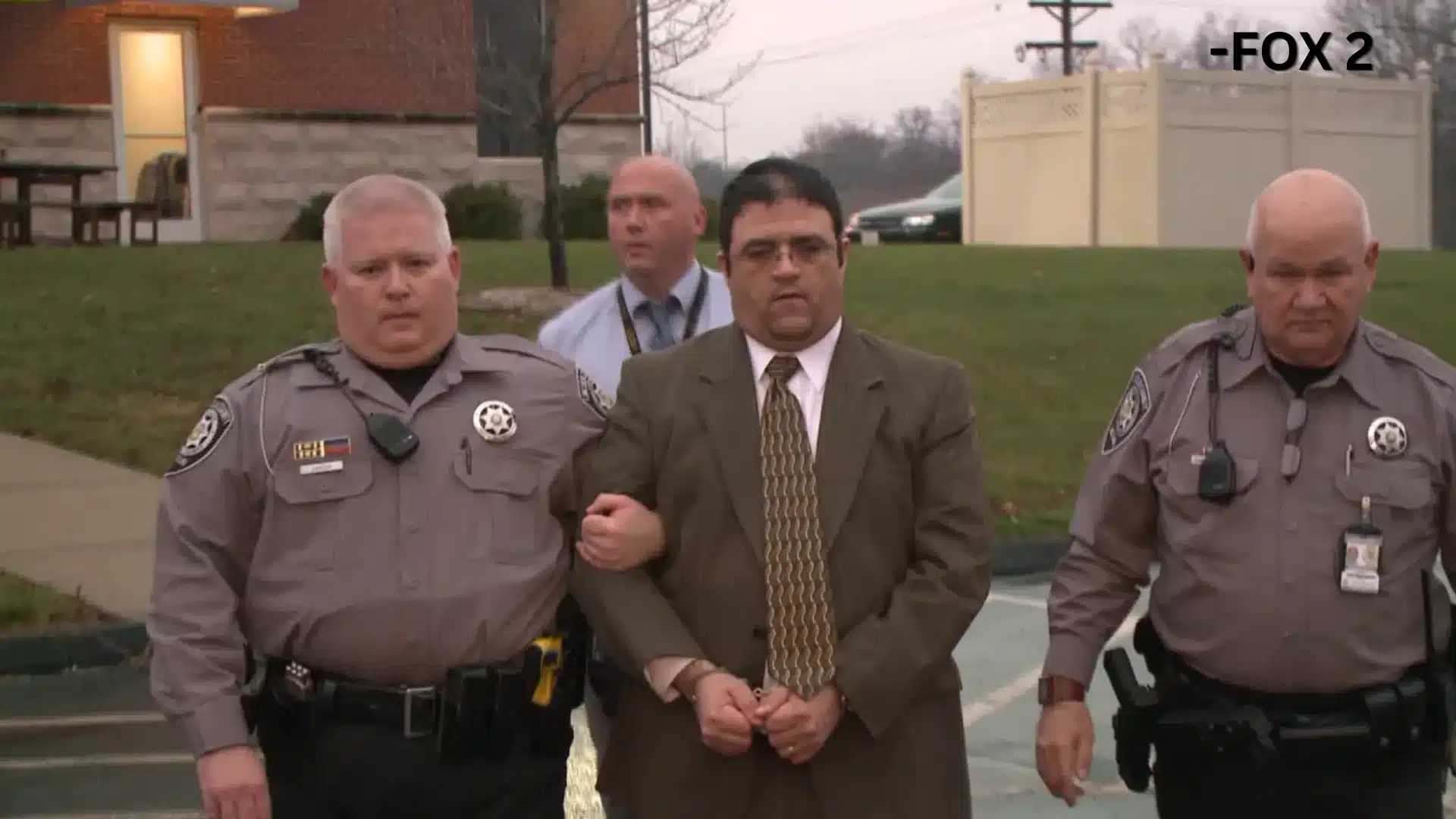
Russ went to trial in November 2013. The case against him was entirely circumstantial.
Prosecutor Leah Askey argued his four alibi witnesses were lying, claiming they had conspired in an elaborate scheme to falsify his whereabouts.
The theory required believing 4 unconnected people had willingly committed perjury together to cover a murder.
Pam Hupp testified as a key prosecution witness, telling jurors that Betsy had confided a fear of Russ in her final weeks.
When defense attorney Joel Schwartz sought to cross-examine Hupp about a $150,000 life insurance policy that Betsy had changed just four days before her death, naming Hupp as the sole beneficiary instead of her own daughters, Judge Mennemeyer refused to allow it.
The jury never heard about the insurance policy. They convicted Russ of first-degree murder. He was sentenced to life in prison plus 30 years, with no possibility of parole.
The Innocence Project has documented official misconduct as a contributing factor in roughly 31% of murder exonerations nationwide.
The Suppressed Evidence that Changed Everything
The case took a dramatic turn when previously undisclosed evidence surfaced after Russ Faria’s conviction.
Hidden photographs, phone records, and insurance details challenged the prosecution’s original theory and became key factors in overturning the verdict.
The Hidden Crime Scene Photographs
After Russ Faria’s conviction, defense attorney Joel Schwartz uncovered 132 crime scene photos that had never been shared with the defense.
The images contradicted the prosecution’s blood cleanup theory and showed the forensic camera had worked properly, despite earlier testimony claiming it had malfunctioned.
The Insurance Policy and Phone Records
Additional evidence also surfaced: Betsy’s cell phone records reportedly placed Hupp near the
Faria’s home was longer than she had claimed, and Betsy had changed the life insurance beneficiary to Hupp just four days before the murder.
These materials helped overturn Russ Faria’s conviction and became central to the retrial that followed.
How Did the 2015 Retrial End Differently?
The retrial began in November 2015 before Judge Steven Ohmer.
This time, Schwartz was permitted to present the full picture. The jury heard about the insurance policy, saw the 132 photographs Merkel had claimed didn’t exist, and heard from all four alibi witnesses.
On November 6, 2015, Judge Ohmer returned a not-guilty verdict on all charges.
He described the original investigation as “rather disturbing and frankly raised more questions than answers.” Russ’s knees gave out as the verdict was read.
He had been incarcerated for three years, five months, and eleven days.
The difference between the two trials came down entirely to what evidence was allowed in front of the jury. Same defendant, same underlying facts, but a completely different outcome.
Where is Russ Faria now?
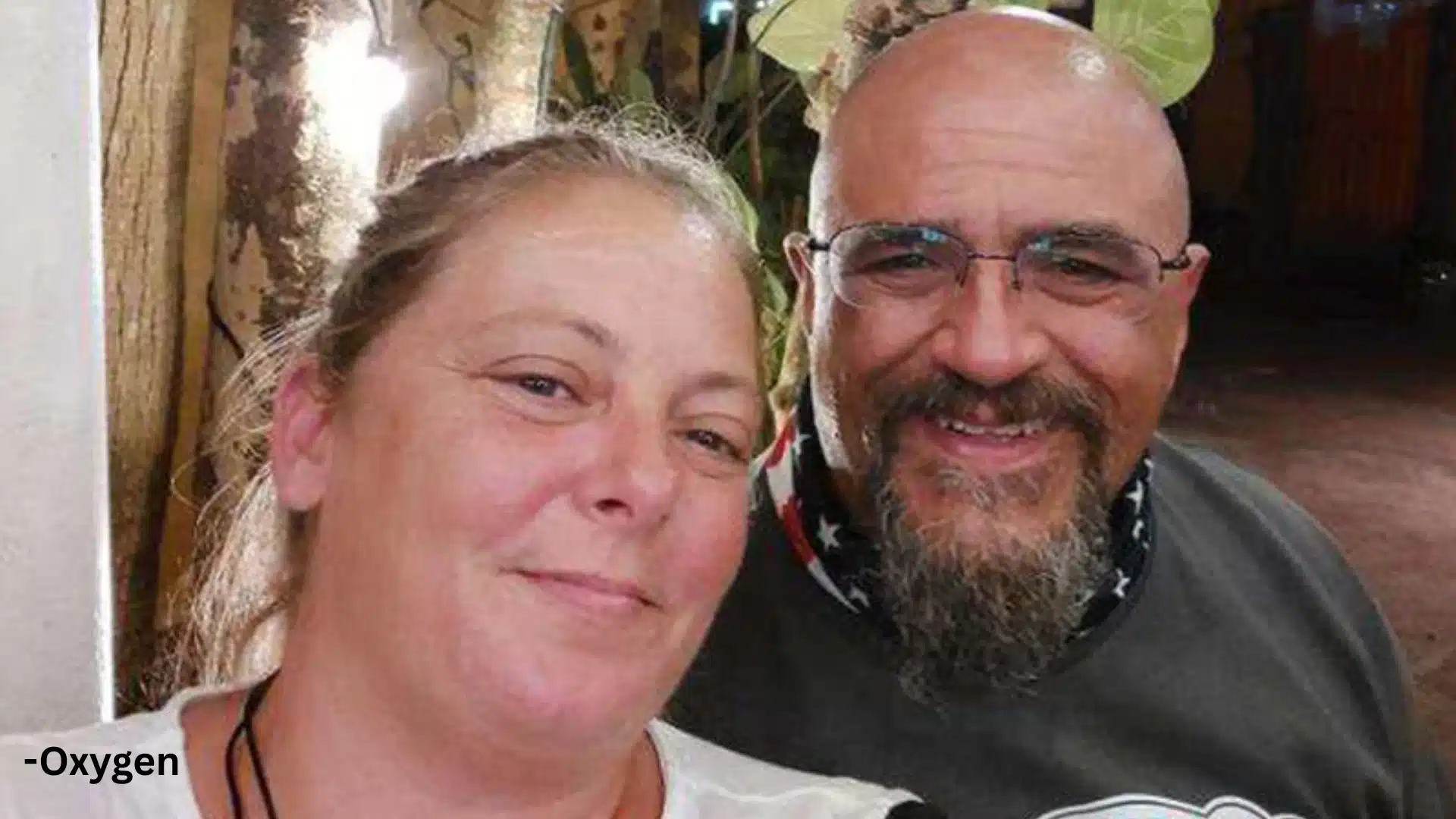
After his acquittal, Russ Faria received a $2 million civil settlement for the violation of his civil rights.
He works at a motorcycle shop, which he has described as work he genuinely enjoys, and is involved with the Midwest Innocence Project, a nonprofit that supports wrongfully convicted people across the region.
Russ is now married to Carol Faria. Russ has said that the only thing Pam Hupp’s actions gave him that he considers a positive was meeting Carol.
He does not currently have a relationship with Betsy’s daughters, Leah and Mariah.
He plans to testify at Hupp’s 2028 trial, which will be the first time he has had the chance to speak directly in any legal proceeding about the case.
If you are facing a similar situation where evidence was withheld or misconduct affected your case, understanding civil rights settlement amounts can help you know what recourse may be available.
What Happened to Pam Hupp?
After Russ Faria’s acquittal, attention increasingly shifted toward Pam Hupp because of conflicting statements and the life insurance payout linked to Betsy Faria’s death.
- Last known person to see Betsy alive and recipient of the $150,000 insurance payout
- Killed Louis Gumpenberger in 2016 in what prosecutors described as a staged plot to frame Russ Faria
- Entered an Alford plea in 2019, received life without parole, and was later charged with Betsy Faria’s murder in 2021
Russ Faria Case: From Arrest to Acquittal
The Russ Faria case spanned more than a decade, encompassing multiple trials, overturned convictions, claims of hidden evidence, and later charges involving witnesses and investigators. The timeline below highlights the major events that shaped the case from Betsy Faria’s death to the latest court developments.
| Year/Date | Key Event |
|---|---|
| Dec. 27, 2011 | Betsy Faria was found stabbed to death in her Missouri home. |
| Nov. 2013 | Russ Faria was convicted of first-degree murder. |
| Pre-Retrial | Suppressed crime scene photos surfaced and challenged the prosecution’s case. |
| Nov. 6, 2015 | Russ Faria was acquitted during retrial proceedings. |
| 2019 | Pam Hupp received life without parole for Louis Gumpenberger’s killing. |
| June 2025 | Former deputy Michael Merkel was charged with perjury related to the trials. |
| Jan. 31, 2028 | Pam Hupp’s trial for Betsy Faria’s murder is scheduled. |
Where Does the Case Stand in 2026?
Pam Hupp’s bench trial for Betsy Faria’s murder is scheduled for January 31, 2028, before Judge Joseph Rathert in Jefferson County.
Prosecutors are no longer pursuing the death penalty, and Russ and Carol Faria have supported the non-jury trial process.
The case timeline expanded after a 2026 request for an outside jury and after the Missouri Supreme Court later reassigned the case to a different judge.
Hupp’s defense has also cited Y-STR DNA testing that reportedly found male DNA on crime scene evidence that did not match Russ Faria. Prosecutors still say the evidence supports moving forward.
Former deputy Michael Merkel is also set for a September 2027 perjury trial tied to testimony from Russ Faria’s earlier cases.
Conclusion
The Russ Faria case remains one of the clearest examples of how a wrongful conviction can reshape multiple lives long after a courtroom verdict is delivered.
What began as the murder investigation of Betsy Faria eventually exposed deeper concerns involving suppressed evidence, disputed testimony, and years of legal fallout that continue to unfold.
Even with Russ Faria’s acquittal, the case still raises difficult questions about accountability within the criminal justice system and how quickly investigative focus can narrow.
With Pam Hupp’s trial still ahead and additional legal proceedings continuing, the story is far from over. Cases like this remind people why transparency, proper evidence handling, and fair trials matter in every criminal investigation.
What stands out most to you about the Russ Faria case? Share your thoughts in the comments.
Frequently Asked Questions
Why was the Original Investigation Criticized?
Critics pointed to the narrow focus on Russ Faria despite his alibi, lack of forensic evidence, and later claims that important evidence had been withheld from the defense.
Is Pam Hupp Currently in Prison?
Yes. Pam Hupp is serving a life sentence connected to the killing of Louis Gumpenberger while also facing separate murder charges related to Betsy Faria’s death.
Did the Russ Faria Case Inspire Any Television Adaptations?
Yes, the case inspired multiple true crime documentaries and dramatized television productions, including NBC’s series The Thing About Pam.
“`html
“`