A will is supposed to bring clarity, not confusion. But what happens when something is not right?
Maybe a loved one’s final wishes seem unexpected, or a sudden change raises questions no one can answer.
It is in moments like these that people start wondering, can a will be contested, and whether there is a legal way to challenge what does not feel right.
Emotions can run high, especially when family, trust, and fairness are involved. Still, not every concern leads to a valid claim.
Understanding the difference between doubt and legal grounds becomes important before taking the next step.
If something about a will does not sit right, it is natural to seek answers and clarity before deciding what to do next.
Can a Will Be Contested?
A will can be contested, but only under specific legal conditions.
A will contest is a formal legal process where an interested party asks a probate court to reject part or all of a will.
This usually happens when there are concerns about whether the will is valid, not simply because someone feels it is unfair or expected a larger share.
Courts focus on issues like how the will was created, the mental state of the person who signed it, and whether any pressure or deception was involved.
It is important to understand that probate laws are not the same everywhere, so the exact grounds and procedures can vary by state.
Timing also plays a critical role. In most cases, a will contest must be filed within a limited probate window, and missing that deadline can result in losing the right to challenge the will entirely.
Who Can Contest a Will?
Not everyone can challenge a will, and this is where legal standing matters. In simple terms, standing means having a direct financial interest in the outcome.
The most common people who can contest a will include heirs who would inherit if there were no will, such as a spouse or children, as well as beneficiaries named in the current will.
It can also include people who were listed in a previous will but lost their share under a newer version. In some states, creditors or others with a clear financial claim may also have the right to file a contest.
The key factor is whether the person would benefit if the will is declared invalid.
Random relatives, close friends, or upset family members usually cannot bring a case unless they can show they would gain financially if the will is set aside.
Once standing is confirmed, the next step is to understand how to file a will contest properly before the legal deadline passes.
Common Legal Grounds for Contesting a Will

A will can only be challenged on specific legal grounds, not just because the outcome feels unfair. Courts look for clear issues that affect the validity of the document or the intent of the person who created it.
1. Lack of Testamentary Capacity
Lack of testamentary capacity means the person who created the will did not fully understand what they were doing at the time of signing.
To be valid, a will must be made by a person who knows they are making a will, understands the general value of their assets, and recognizes the people who would normally inherit from them.
Mental conditions like dementia, severe illness, or medication effects can impact this ability. However, a diagnosis alone does not prove incapacity.
This is one of the most common grounds I see families raise, and also one of the most misunderstood. A person with early-stage dementia may still have valid testamentary capacity at the time of signing.
2. Undue Influence
Undue influence happens when someone pressures or manipulates the person creating the will to benefit themselves. This is more than simple persuasion or advice.
It involves control strong enough to override the person’s free will. Common signs include sudden changes in the will, isolation from family, or a caregiver being heavily involved in the process.
The person accused may have arranged legal meetings or controlled access to the testator.
Proving undue influence often depends on patterns and surrounding circumstances rather than direct evidence, making it one of the more complex grounds to establish in court.
3. Duress
Duress is a distinct ground from undue influence and deserves its own recognition.
Where undue influence involves covert manipulation, duress involves more direct threats or coercion, for example, threatening to withhold care, harm a family member, or cause financial damage unless the will is changed in a specific way.
Both can invalidate a will, but the legal standard for proving each is different, and they should not be treated as interchangeable.
4. Fraud or Forgery
Fraud or forgery involves deception or falsification in the creation of a will. Forgery means the signature or document is fake, while fraud occurs when the person signing the will is misled.
For example, someone might trick the testator into signing a document they believe is something else, or lie to influence how assets are distributed.
These cases rely on strong evidence such as handwriting analysis, expert testimony, or conflicting witness accounts.
Courts take these claims seriously, but they must be supported by clear proof that the will does not reflect the true intentions of the person who signed it.
5. Improper Execution
A will must meet certain legal requirements to be valid, and improper execution means those rules were not followed.
Most states require the will to be in writing, signed by the testator, and witnessed by at least two individuals. If any of these steps are missing or done incorrectly, the will may be challenged.
For example, witnesses must often be present at the same time or meet specific eligibility criteria. Even small errors can raise issues.
Some states allow flexibility in certain cases, but many still enforce strict compliance with execution rules to ensure authenticity and prevent fraud.
6. A Later Valid Will or Revocation
A will can be contested if there is evidence that a newer, valid will exists or that the current will was revoked.
People often update their wills over time, and the most recent valid version usually controls how assets are distributed. If a later will changes beneficiaries or terms, it may override the earlier one.
Revocation can also happen if the testator intentionally destroys the document or creates a new one that cancels the old version.
In these cases, the dispute focuses on determining which document truly represents the final wishes of the person.
7. Insane Delusion or Similar Mental Distortion Claims
Insane delusion refers to a situation where the person creating the will had a fixed false belief that affected their decisions.
This belief must have no basis in reality and must directly influence how the will was written. It is different from general mental decline because the person may seem capable in other areas.
For example, disinheriting someone based on a false belief that they caused harm without evidence may raise concerns.
These claims are less common and can be harder to prove, but they are recognized in some states as a valid ground for contesting a will.
What Does Not Usually Justify Contesting a Will?
Not every disagreement or surprise in a will is a valid reason to contest it. Many people feel a will is unfair, but courts do not overturn a will just because someone expected more or was left out.
Unequal distribution among children, sudden changes in beneficiaries, or broken verbal promises are not enough on their own.
Family conflicts, personal disappointment, or strained relationships also do not qualify as legal grounds. Probate courts focus on whether the will is valid, not whether it feels right.
However, these situations may matter if they are linked with real legal issues like undue influence or lack of capacity. On their own, they rarely justify a challenge.
Understanding this helps avoid filing a claim that has little chance of success and keeps the focus on valid legal concerns.
What is a No-Contest Clause and How Does It Affect You?
Some wills include a no-contest clause, also called an in terrorem clause. This provision states that any beneficiary who unsuccessfully challenges the will forfeits whatever they were originally left.
It is designed to discourage frivolous challenges ,and it works, because the financial risk of losing both the case and the inheritance can be significant.
Not every state enforces no-contest clauses equally. Some states void them entirely, while others enforce them strictly.
A few states only enforce them if the challenge was filed without probable cause. If a no-contest clause is present in the will you are considering challenging, understanding how your state treats it is one of the first things to clarify with an attorney before filing anything.
How Do You Prove a Will Contest?
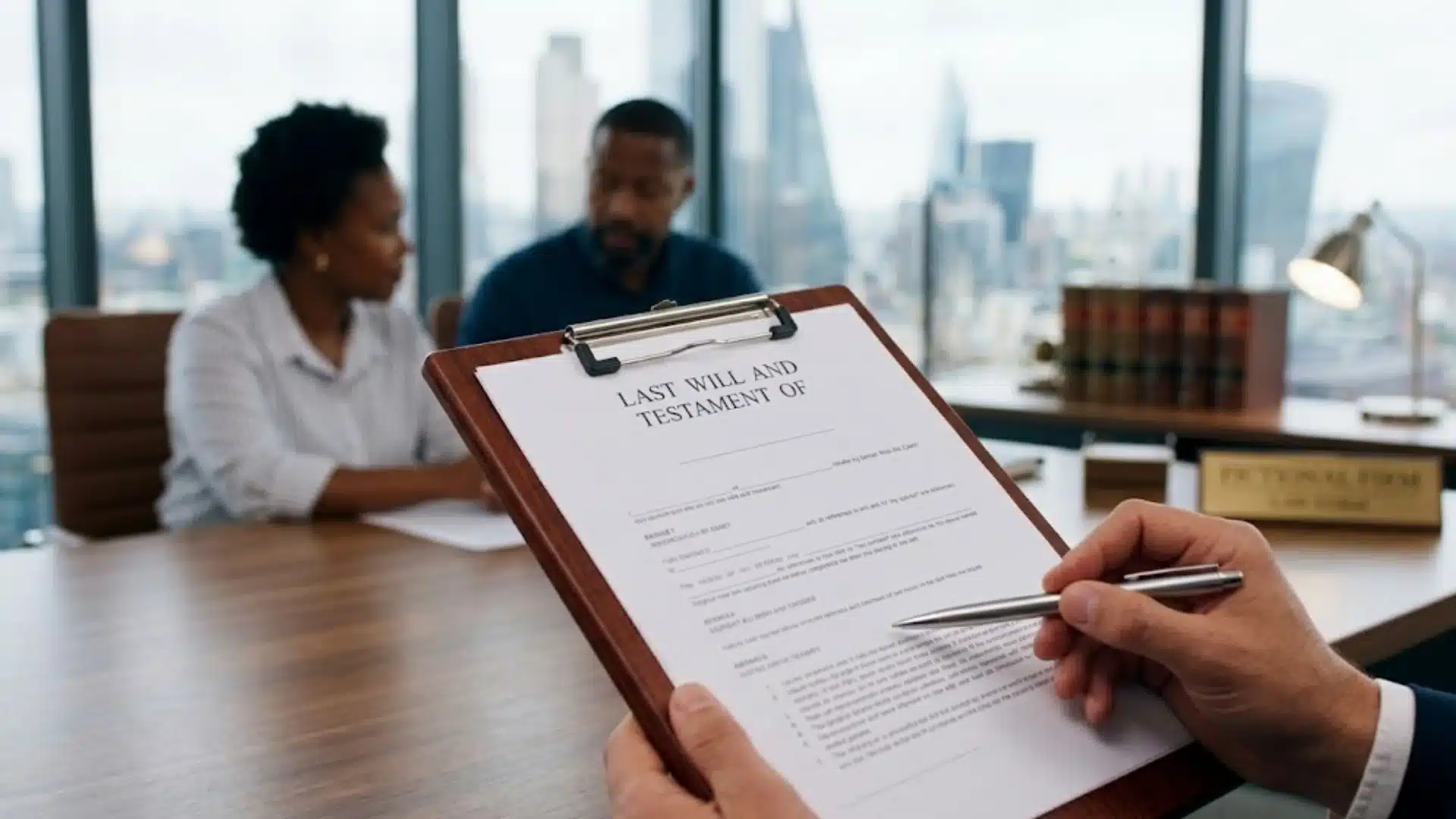
Proving a will contest depends on solid evidence, not just suspicion or belief. Courts look at facts that clearly show something was wrong when the will was created.
Strong cases are built using documents, witness testimony, and a clear timeline of events.
For lack of capacity, helpful evidence includes medical charts, cognitive evaluations, prescription history, and hospital records close to the signing date.
Testimony from the lawyer, witnesses, caregivers, friends, and family can also support the claim, especially if there was a sudden change from earlier estate plans.
For undue influence, proof may include phone records, emails, or texts showing isolation or control, along with calendar entries showing who arranged legal meetings.
Financial records and statements showing pressure, fear, or dependency can further strengthen the case.
What Happens if a Will is Successfully Contested?
If a will is successfully contested, the court decides how the estate should be handled based on what remains legally valid.
In some cases, only a specific part of the will is rejected, while the rest stays in effect. If the entire will is found invalid, the court may look for an earlier valid will to follow instead.
If no prior will exists, the estate is distributed according to state intestacy laws, which usually prioritize close family members like a spouse and children.
The outcome depends on the reason for the contest and the available evidence. This process can delay the distribution of assets and may lead to additional legal costs.
In the end, the goal is to ensure the estate is handled in a way that reflects the true and lawful intent of the person.
When a contested will is declared invalid, the estate enters or re-enters the formal probate process under a different set of instructions.
The American Bar Association’s guidance on the probate process notes that the core work of administering and accounting for assets must be completed regardless of whether a will or intestacy rules govern, meaning families should expect similar timelines and costs in either path.
When Should Someone Talk to a Probate or Estate Litigation Attorney?
It is best to talk to a probate or estate litigation attorney as soon as there are serious doubts about a will’s validity.
Early advice can help determine if there are legal grounds to move forward and whether there is enough evidence to support a claim.
Waiting too long can be risky because probate deadlines are often short, and missing them can end the right to contest.
An attorney can review the will, explain state-specific rules, and assess issues like capacity, undue influence, or improper execution.
It is also helpful to seek guidance if there are sudden changes in the will, missing documents, or family disputes.
Bringing key records like the will, medical history, and communication evidence can make the consultation more useful and help build a stronger case if needed.
Specific red flags I look for include sudden will changes, new beneficiaries, isolation, conflicted witnesses, or signing during illness or medication. No guarantee of success, but each deserves a quick legal review before deadlines close.
Conclusion
A will can be contested, but only when there are valid legal grounds that question its authenticity or the circumstances under which it was created.
If you are wondering: can a will be contested, the answer depends on specific legal factors, not just personal concerns.
One important takeaway is that unfair outcomes alone do not make a will invalid. Probate law focuses on legality, not personal expectations or family disagreements.
If there are real concerns, the next step is to review who has standing, gather and preserve important records, and check the filing deadline in the relevant state.
Seeking a probate review can provide clarity before taking action.
Wondering if your situation fits these legal grounds? Leave a comment below and open up a conversation that could guide your next step with a better understanding.
Frequently Asked Questions
How Much Does It Cost To Contest a Will?
The cost can vary widely depending on complexity, ranging from a few thousand dollars to tens of thousands. Legal fees, court costs, and expert witnesses can increase expenses significantly.
Can Siblings Contest a Will?
Siblings can contest a will if they have legal standing, meaning they would benefit financially if the will is invalid. They must also prove valid legal grounds, like undue influence or lack of capacity.
What If There Are Two Wills?
If two wills exist, the court usually determines which one is the most recent valid document. The latest properly executed will generally take priority unless it is proven invalid.