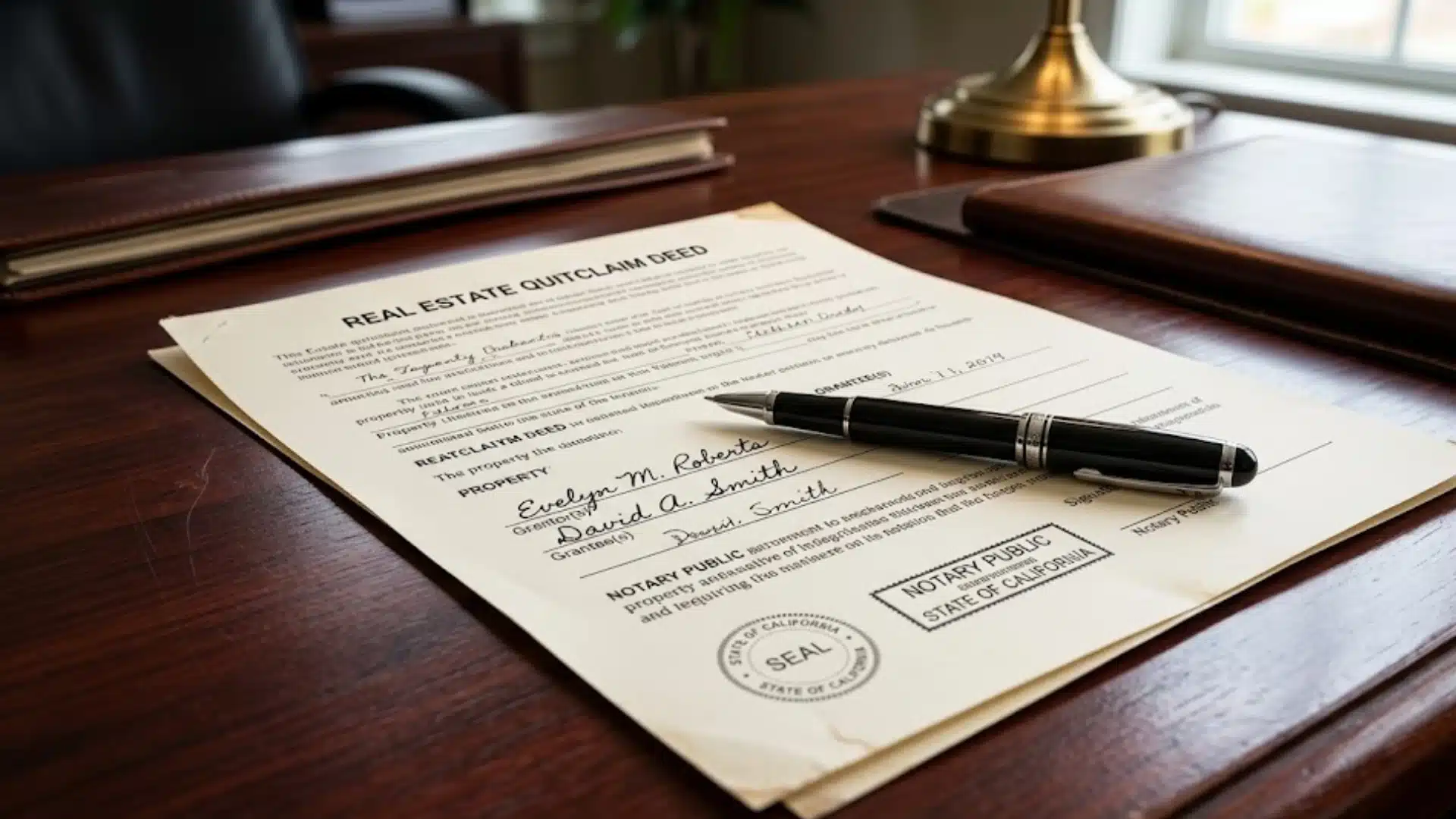
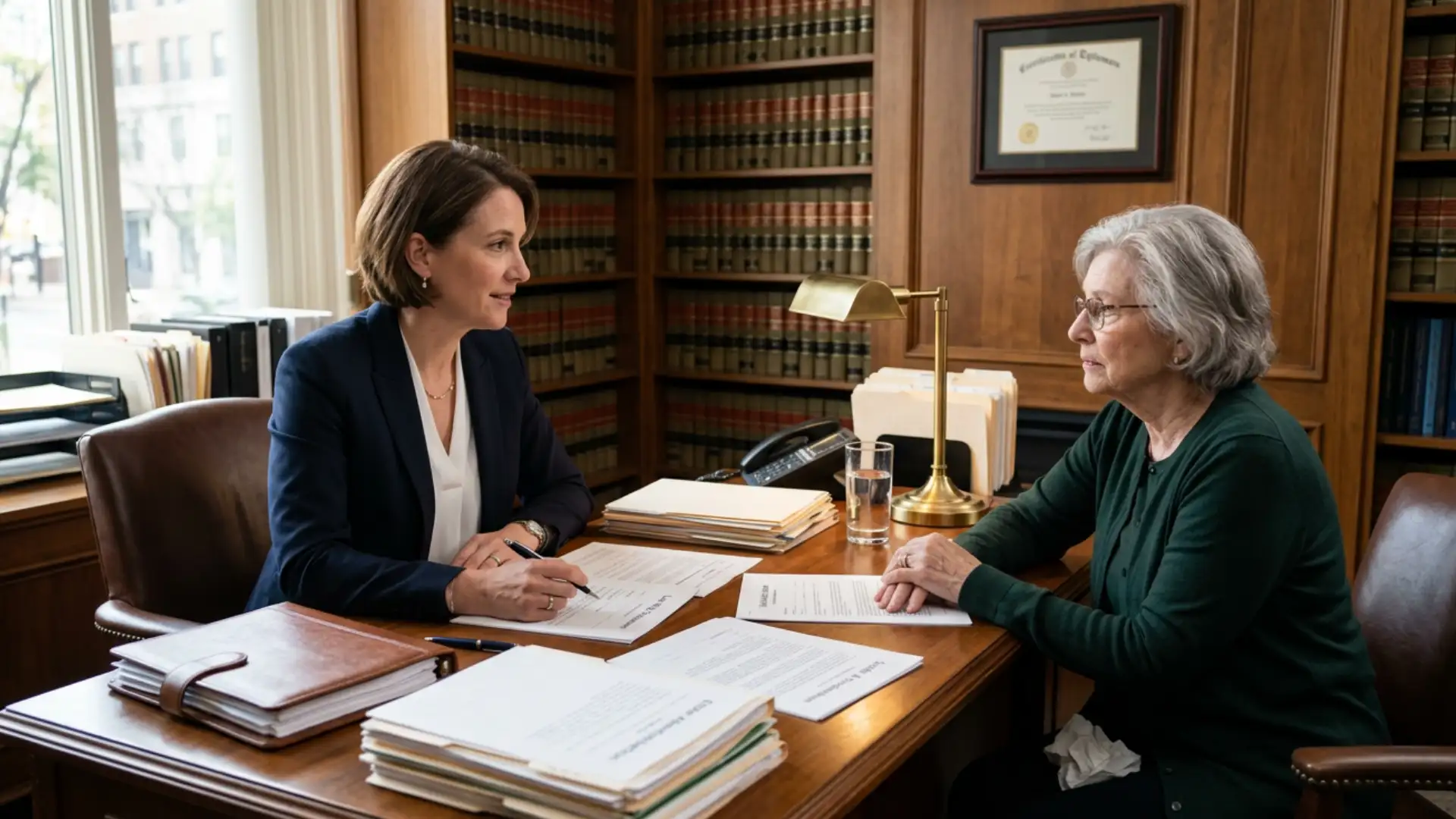
Becoming the executor of someone’s estate can feel overwhelming fast. One day, you are grieving,
next you are looking at court forms, unpaid bills, property details, and deadlines you did not know existed.
That is usually when the big question comes up: do you need legal help, or can you handle the process yourself?
A probate lawyer helps settle an estate after someone dies, guiding the executor through court filings, asset details, debts, taxes, and final distributions.
This guide explains what that role actually involves, in simple terms, so you can understand when legal help may be worth considering.
What is a Probate Lawyer?
A probate lawyer, also called an estate attorney, helps settle a person’s affairs after they die.
This is different from estate planning, which happens while someone is still alive and includes creating wills, trusts, and powers of attorney.
The amount of help needed depends on the estate. In a simple case, a probate lawyer may only review forms, answer questions, and explain the next steps.
In a larger or contested estate, they may file documents, go to court, and help resolve disputes among heirs.
Probate court can also handle guardianship and conservatorship matters when someone needs someone else to manage their affairs.
What Does a Probate Lawyer Actually Do?
The exact tasks vary by estate, but most probate lawyers handle a similar set of responsibilities:
- Filing the will and opening the estate: The lawyer files the will and a petition with the local probate court to start the case and get the executor formally appointed.
- Identifying and valuing assets: Real estate, bank accounts, vehicles, and personal property all need to be located, documented, and appraised where necessary.
- Notifying creditors and paying debts: Known creditors get formal notice, and the lawyer helps confirm which claims against the estate are valid before they get paid.
- Handling taxes: Final income tax returns and, for larger estates, estate tax filings, fall under the lawyer’s guidance. Federal estate tax only applies above a high exemption, $15 million per person in 2026, so most estates never owe it, but the lawyer still confirms whether a filing is required.
- Preparing court filings: Inventories, status reports, and accountings must be filed on the court’s schedule, not the family’s.
- Distributing assets: Once debts and taxes are settled, the lawyer helps ensure that what remains goes to the right people in the right amounts.
Some of this work is genuinely just paperwork. A surprising amount of it is timing. Miss a notice deadline or file an inventory late, and the whole case can stall for months.
When a Will is Contested

If a beneficiary believes the will is not valid or does not reflect what the person really wanted, the probate case can turn into a legal dispute.
This may happen if someone claims that they were pressured, did not understand what they were signing, or that the will was not signed correctly.
In that situation, the lawyer may be referred to as a probate litigator.
A probate litigator does more than help with forms. They handle will contests, court filings, evidence, hearings, and disagreements between family members or beneficiaries.
Anyone considering contesting a will should speak with an attorney as early as possible, as most states have strict deadlines for filing a challenge.
Do You Actually Need a Probate Lawyer?

Not every estate needs one. Some states even let very small estates skip formal probate entirely through a simplified process.
When Probate is Simple Enough to Handle Yourself
If the estate is small, the will is clear and unchallenged, there are few or no debts, and the family agrees on how things should be divided, some executors handle the process without a lawyer.
Assets that avoid probate altogether, like property held in a living trust or accounts with a named beneficiary, also reduce how much of the estate needs to go through the court at all.
Signs You Should Hire One
- A beneficiary disputes the will or questions the executor’s decisions.
- The estate includes a business, out-of-state property, or complex investments.
- There is no will, and state intestacy law will decide who inherits.
- The property has two names on the deed, and it is unclear whether it passes automatically or requires probate.
- The executor lives in a different state from where the estate is being probated.
I have seen families try to save money by skipping legal help on an estate that turned out to have a second mortgage nobody knew about. Untangling that added months to the process and required the estate to cover a debt no one had planned for.
That is not an argument for hiring a lawyer in every case, just a reason to be honest about how simple the estate actually is before deciding.
How the Probate Process Works
The exact steps depend on the state and whether it has adopted all or part of the Uniform Probate Code, but the general structure is consistent.
- File a petition. The executor or a family member files a request with the probate court in the county where the deceased lived.
- Get appointed. The court issues letters testamentary (if there is a will) or letters of administration (if there is not), giving the executor legal authority to act.
- Notify heirs and creditors. Formal notice goes out to beneficiaries and known creditors, and a public notice usually runs in a local newspaper.
- Inventory the estate. Assets are located, documented, and valued for the court record.
- Pay debts and taxes. Valid claims and final taxes are paid out of estate funds before anything is distributed.
- Distribute assets and close the estate. Once the court is satisfied that everything has been handled, the remaining property goes to the heirs or beneficiaries, and the case is closed.
The appointed executor is often called the estate’s “personal representative” or a probate court lawyer, a term that shows up across most states even though the process itself can look different depending on where the estate is filed.
A simple, uncontested estate can wrap up in a few months. A contested one, or an estate with complicated assets, can take a year or longer.
How Much Does a Probate Lawyer Cost?
Probate lawyers generally charge one of three ways, and it is worth understanding all three before you sign a fee agreement.
| Fee structure | How it works | Typical range |
|---|---|---|
| Hourly rate | Billed for time spent on the case | $200 to $500 per hour, depending on location |
| Flat fee | One set price for routine, uncontested probates | $3,000 to $8,000 |
| Percentage of estate | A set percentage of the estate’s gross value, used in some states by statute | Often 2% to 4%, higher on smaller estates |
California is one example of a state where this percentage schedule is set by law rather than negotiated, with the rate stepping down as the estate’s value grows, so a $1 million estate can generate a noticeably different fee than a $200,000 one.
In most cases, the estate pays probate costs, not the executor personally. This can include lawyer fees, court filing fees, appraisal costs, and accounting fees.
Executor pay is separate. Some states set rules for how much an executor can be paid for their time, often based on the estate’s value. The court may also adjust that amount depending on the case.
Before hiring a probate lawyer, ask what their fee covers and what additional costs may arise later.
Conclusion
Settling a loved one’s estate can feel heavy. You may be dealing with court forms, deadlines, bills, property issues, and family questions while also trying to process a loss.
Most people do not know how probate works until they are already in the middle of it. That is normal.
Whether you need a probate lawyer usually comes down to how simple the estate is: a small, uncontested estate with clear beneficiaries may not require one, while a contested will, unclear debts, or out-of-state property often do.
A quick conversation with an attorney can help you see which situation you are in, so you can move forward with clearer footing.
Frequently Asked Questions
Is a Probate Lawyer the Same as An Estate Planning Attorney?
No. An estate planning attorney helps someone prepare a will, trust, or power of attorney while they are alive. A probate lawyer steps in after death to help settle the estate through the court process.
Who Pays the Probate Lawyer’s Fees?
In most cases, the estate pays the lawyer’s fees out of its own assets before the remaining property is distributed to heirs or beneficiaries.
Can You Handle Probate without Hiring an Attorney?
In many states, yes, particularly for small or simple estates with no disputes. Some county probate courts require an attorney in certain circumstances, so it is worth checking local rules before deciding to go it alone.