A property transfer can feel simple until the wrong deed creates a problem you did not expect.
If you are asking what a quitclaim deed is, the key thing to know is that it transfers only the ownership interest a person may have.
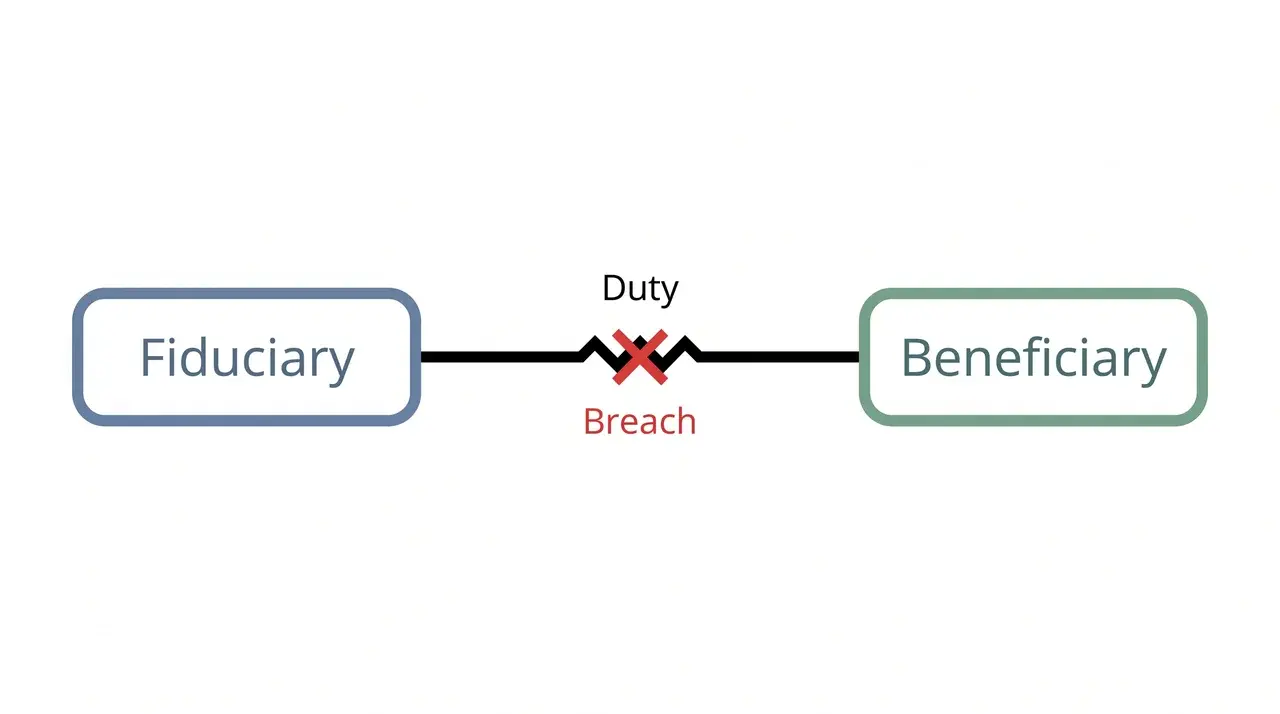
It does not promise that the title is clear, complete, or free from liens. That makes it useful in some trusted transfers, but risky in others.
I will explain how this deed works, why people call it a quick deed, what it does not protect, and when another deed may be safer. First, let us look at what a quitclaim deed actually means.
Note: This article provides general information only and is not legal advice. Property laws and deed requirements can vary by state, so consider speaking with a qualified real estate attorney or local professional before transferring property.
What is a Quitclaim Deed?
A quitclaim deed transfers whatever ownership interest a person has in a property without guaranteeing that the ownership is valid or free from problems.
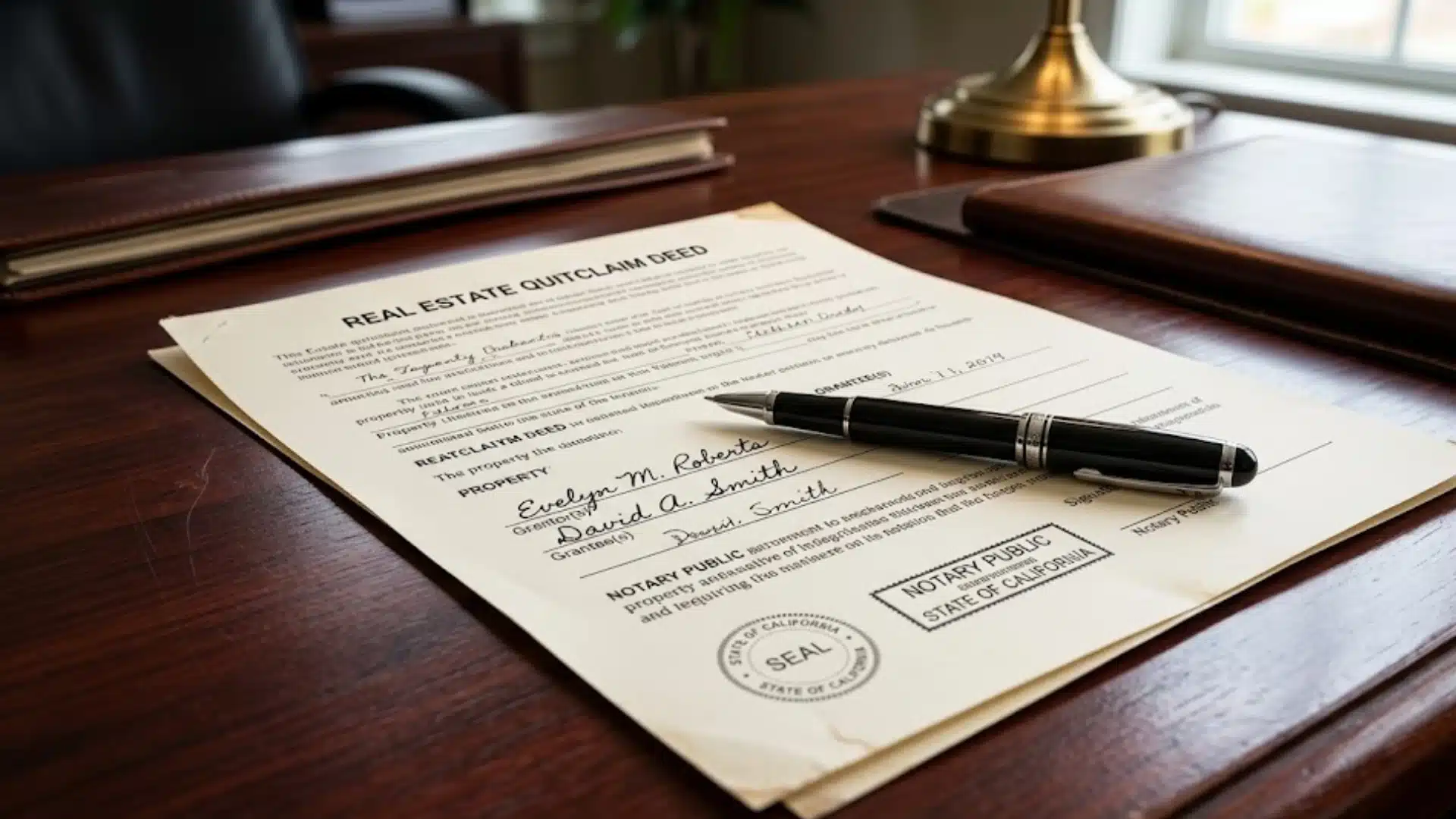
The person transferring the interest is called the grantor. The person receiving it is the grantee. Unlike other property deeds, a quitclaim deed does not include a covenant of title.
This means the grantor is not promising that they fully own the property or have the legal right to transfer it.
The grantee accepts the property interest with all existing risks. If ownership is incomplete, disputed, or connected to unpaid liens, the grantee usually cannot hold the grantor responsible.
That is why quitclaim deeds are commonly used between people who already know and trust each other.
Is a “Quick Deed” the Same Thing as a Quitclaim Deed?
Yes, “quick deed” is an informal term people commonly use when they mean a quitclaim deed. It is not a separate legal document.
The phrase usually comes from mishearing or shortening the correct term during everyday conversations.
In legal filings, property records, and official forms, the document is generally called a quitclaim deed. Some states may use different names for documents that serve a similar purpose.
A Georgia quitclaim deed, for example, is officially known as a non-warranty deed, since Georgia law implies no warranty of title in any deed unless one is expressly stated.
Regardless of the name, the main idea remains similar. The deed transfers the grantor’s existing ownership interest without promising that the title is valid, complete, or free from liens and competing claims.
How Does a Quitclaim Deed Work?
A quitclaim deed follows several basic steps, but local rules determine whether the transfer is legally valid and properly recorded.
- Prepare the deed: Include the grantor, grantee, legal property description, and any information required by local recording offices.
- Review the details: Check names, addresses, ownership interests, and property descriptions carefully because small errors may delay recording.
- Sign the document: The grantor signs the deed. Many states require notarization, witnesses, or both before the deed it acceptable.
- Deliver the deed: The signed document must be given to the grantee to show that the ownership transfer is intentional.
- Record the deed: File it with the county recorder or clerk where the property is located and pay applicable fees.
Checking local requirements before signing helps prevent rejection, delays, missing fees, or an ownership transfer that remains legally incomplete afterward.
Quitclaim Deed vs. Warranty Deed: Key Differences
Both deeds transfer property ownership, but the protection they provide differs sharply, especially when title problems appear after the transfer.
| Comparison Point | Quitclaim Deed | Warranty Deed |
|---|---|---|
| Title guarantee | Provides no guarantee about the title | Guarantees the title is valid and clear |
| Ownership transferred | Transfers only the grantor’s existing interest | Transfers ownership with legal assurances |
| Grantor responsibility | Grantor is rarely responsible for title problems | Grantor may be responsible for covered title issues |
| Buyer protection | Offers very limited protection | Provides stronger legal protection |
| Common use | Family transfers, divorce, or title corrections | Property sales between unrelated parties |
| Risk level | Higher risk for the grantee | Lower risk for the buyer |
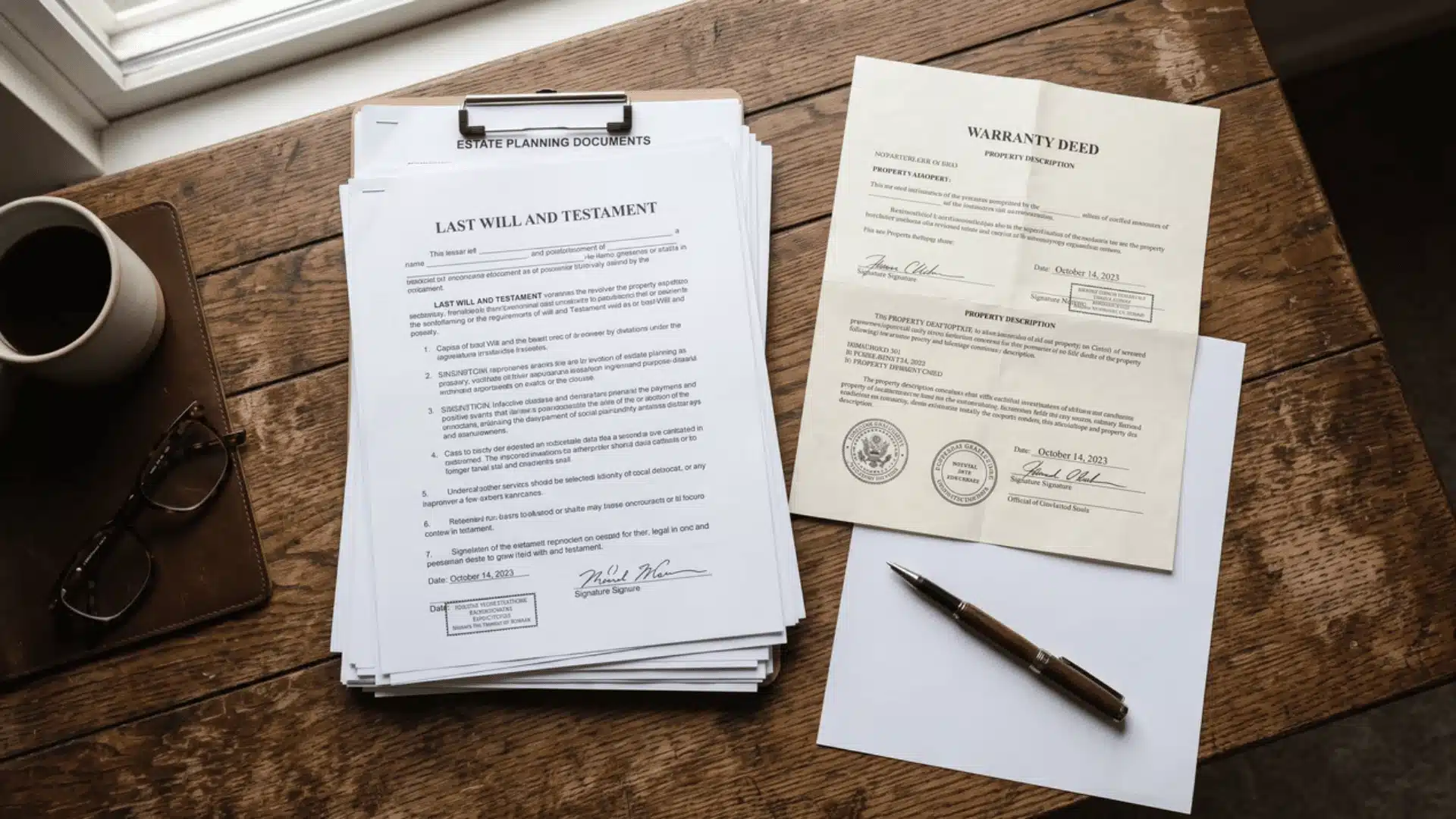
Choose a warranty deed for stronger protection, while a quitclaim deed works best when trust already exists between both parties.
What a Quitclaim Deed Does Not Do
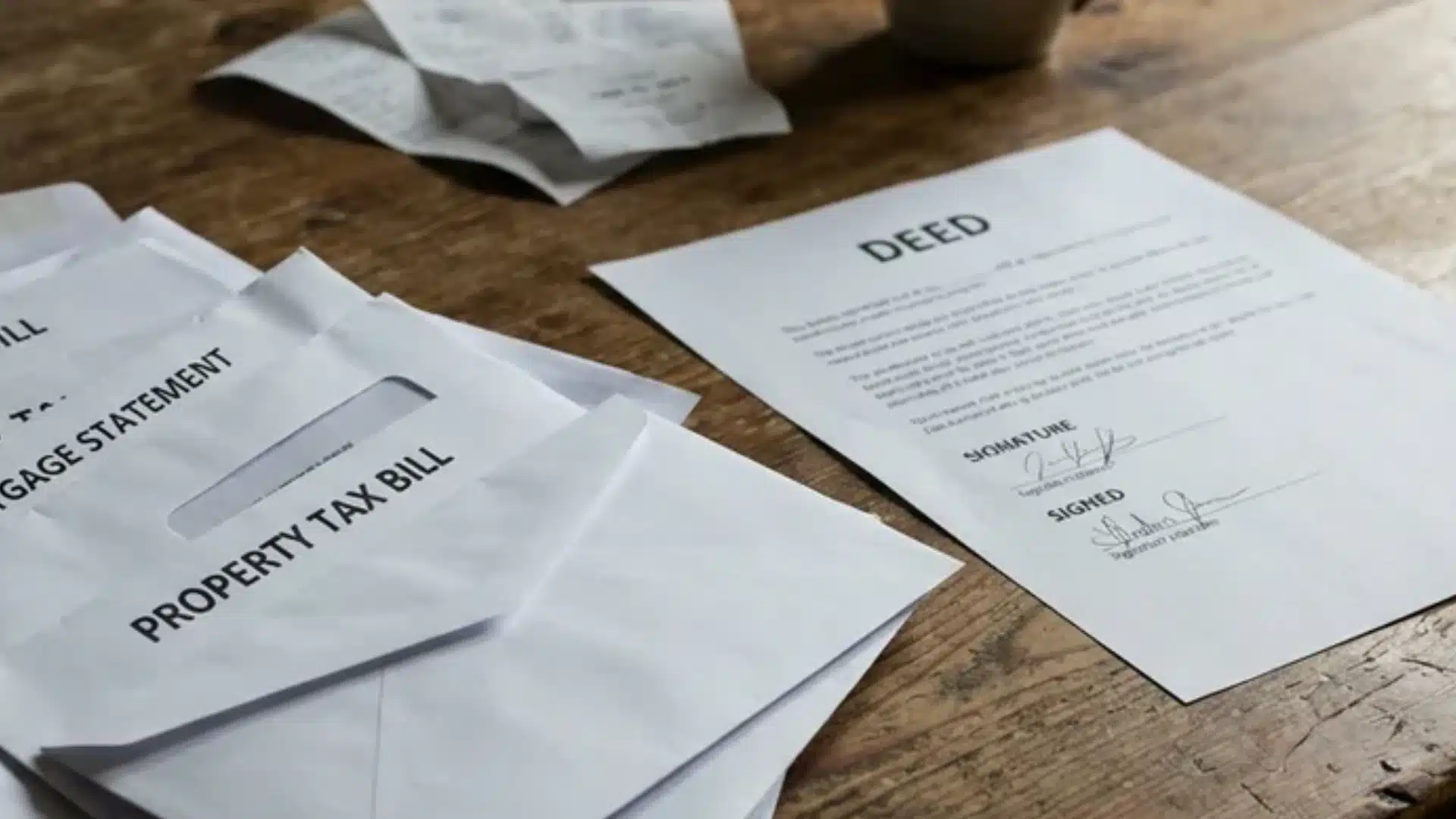
A quitclaim deed can change property ownership, but several important financial and legal obligations remain completely unaffected after the transfer.
1. It Does Not Remove Mortgage Responsibility
Signing a quitclaim deed removes someone’s ownership interest, but it does not remove their name from the mortgage.
This often causes problems during divorce.
A former spouse may no longer own the home yet remain responsible for payments. Only the lender can approve a loan removal, refinance, or formal mortgage assumption.
2. It Does Not Clear Liens or Unpaid Taxes
A quitclaim deed does not erase debts already connected to the property.
Existing liens, overdue property taxes, judgments, and other claims usually remain attached after ownership changes.
The new owner may receive the property with these problems still in place, making a title search especially important before accepting the transfer.
3. It Does Not Guarantee Clear Ownership
The deed transfers only the ownership interest the grantor currently has, even when that interest is limited or disputed. It does not confirm that the grantor owns the entire property.
If another person has a valid claim, the grantee may receive less ownership than expected and have limited legal protection.
Review the mortgage, title, liens, and unpaid taxes before signing, because transferring ownership does not automatically remove existing financial obligations.
When a Quitclaim Deed May Be Appropriate
Quitclaim deeds work best when property moves between trusted people and stronger title guarantees are unnecessary for the transfer itself. Common reasons include:
- Gifting property: A parent may transfer a home or ownership share to a child or another trusted family member.
- Adding a spouse: One owner may add a spouse to the property title after marriage without completing a traditional sale. If your name isn’t on the deed yet, it helps to understand your rights if you’re not on the deed before signing anything.
- Removing an ex-spouse: A divorce agreement may require one spouse to surrender their ownership interest in the shared home.
- Supporting estate planning: Owners may transfer property into a living trust or LLC so the property can pass to heirs without going through probate.
- Correcting title errors: A quitclaim deed can fix misspelled names, an outdated legal description, or a name change after marriage or divorce that was never updated on the original deed.
These uses are practical because both parties understand the property’s history and accept the limited protection a quitclaim deed provides.
When You Should Avoid a Quitclaim Deed
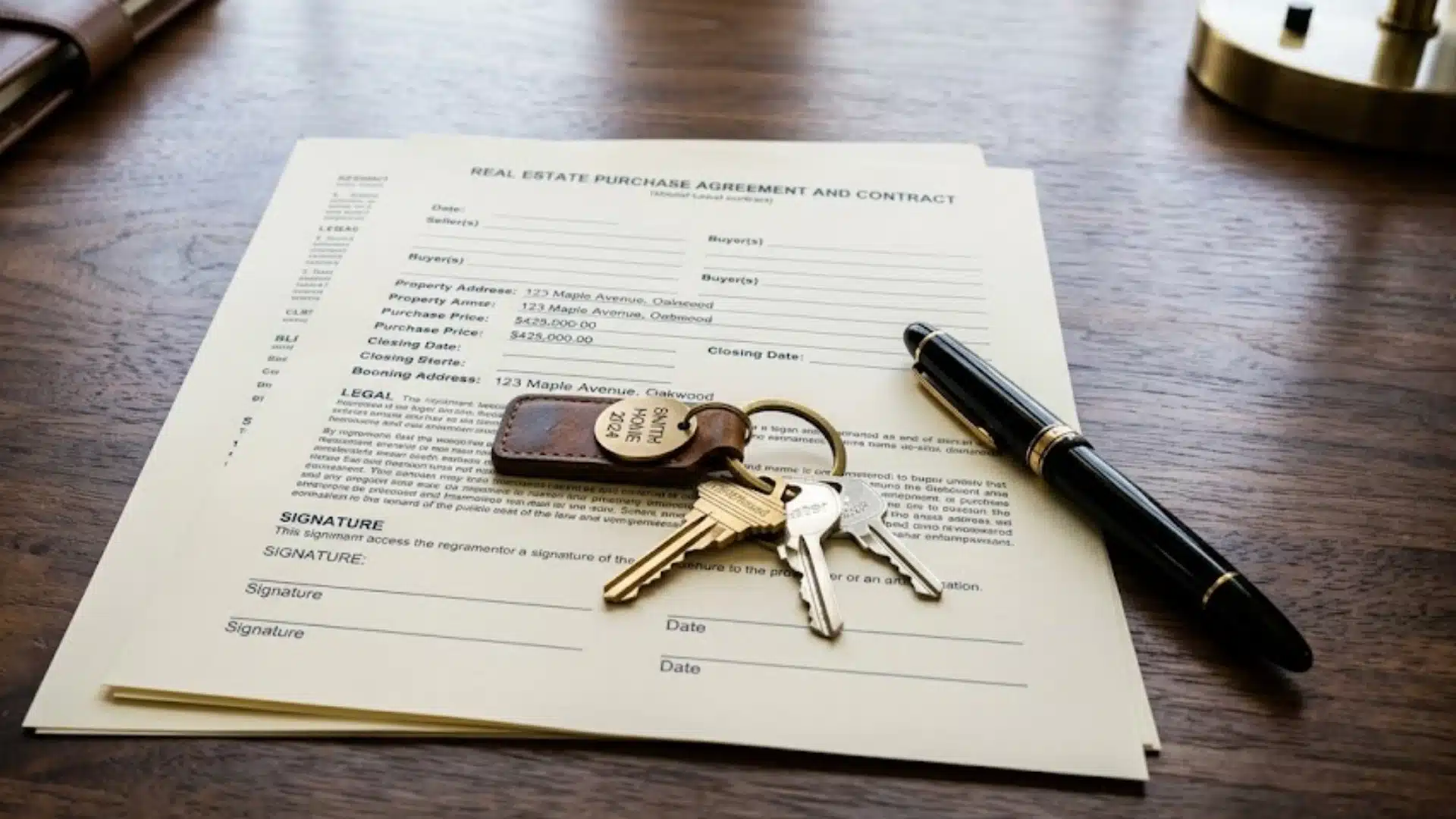
A quitclaim deed is usually a poor choice when the parties do not know or trust each other. It offers no promise that the grantor owns the property or that the title is free from problems.
Avoid using one for a traditional property sale, especially when money or other valuable consideration is involved.
Buyers usually need stronger protection through a warranty deed, title search, and title insurance.
It may also be risky when ownership is disputed, another person has a claim, or unknown liens are attached to the property.
The same caution applies when the legal property description is unclear. In these situations, speak with a real estate attorney or title company before accepting or signing the deed.
Conclusion
Understanding what a quitclaim deed is matters because this form can look safer than it really is.
It can transfer a person’s current ownership interest, but it does not prove that the title is clear, erase liens, fix mortgage responsibility, or protect the person receiving the property from hidden claims.
That is why it works best for trusted situations, such as family transfers, divorce terms, estate planning, or small title corrections.
For a normal sale, a warranty deed is usually safer.
Before you sign or accept a quick deed, review the title, check the mortgage, and speak with a real estate attorney or title company for guidance.
Frequently Asked Questions
What are the Negatives of a Quitclaim Deed?
The biggest downside is that it offers no protection. If the grantor’s title is flawed, incomplete, or already carries liens or unpaid taxes, the grantee inherits those problems with no legal recourse against the grantor. A quitclaim deed also does not remove the grantor’s name from any existing mortgage, which often creates liability issues after a divorce.
Can You Sell a House that Was Transferred With a Quitclaim Deed?
Yes, but buyers and title insurers often hesitate because a quitclaim deed does not guarantee clear title. Most sellers will need a full title search, and often a title insurance policy, before a lender or buyer will move forward. That extra step reassures everyone involved that no hidden claims or liens remain attached to the property.
Why Would Anyone Accept a Quitclaim Deed?
It’s common between parties who already trust each other, like family members, divorcing spouses, or heirs settling an estate. Proving clean title usually isn’t the main concern, since they already know the property’s history. A quitclaim deed is fast, simple, and avoids the time and cost of a full title search.
Does a Quitclaim Deed Remove Someone From a Mortgage?
No. A quitclaim deed only changes who holds title to the property, not who is responsible for the underlying loan. The person who quitclaims their interest can still owe monthly mortgage payments and be pursued for missed ones. That responsibility only changes if the loan is separately refinanced, assumed, or paid off in full.