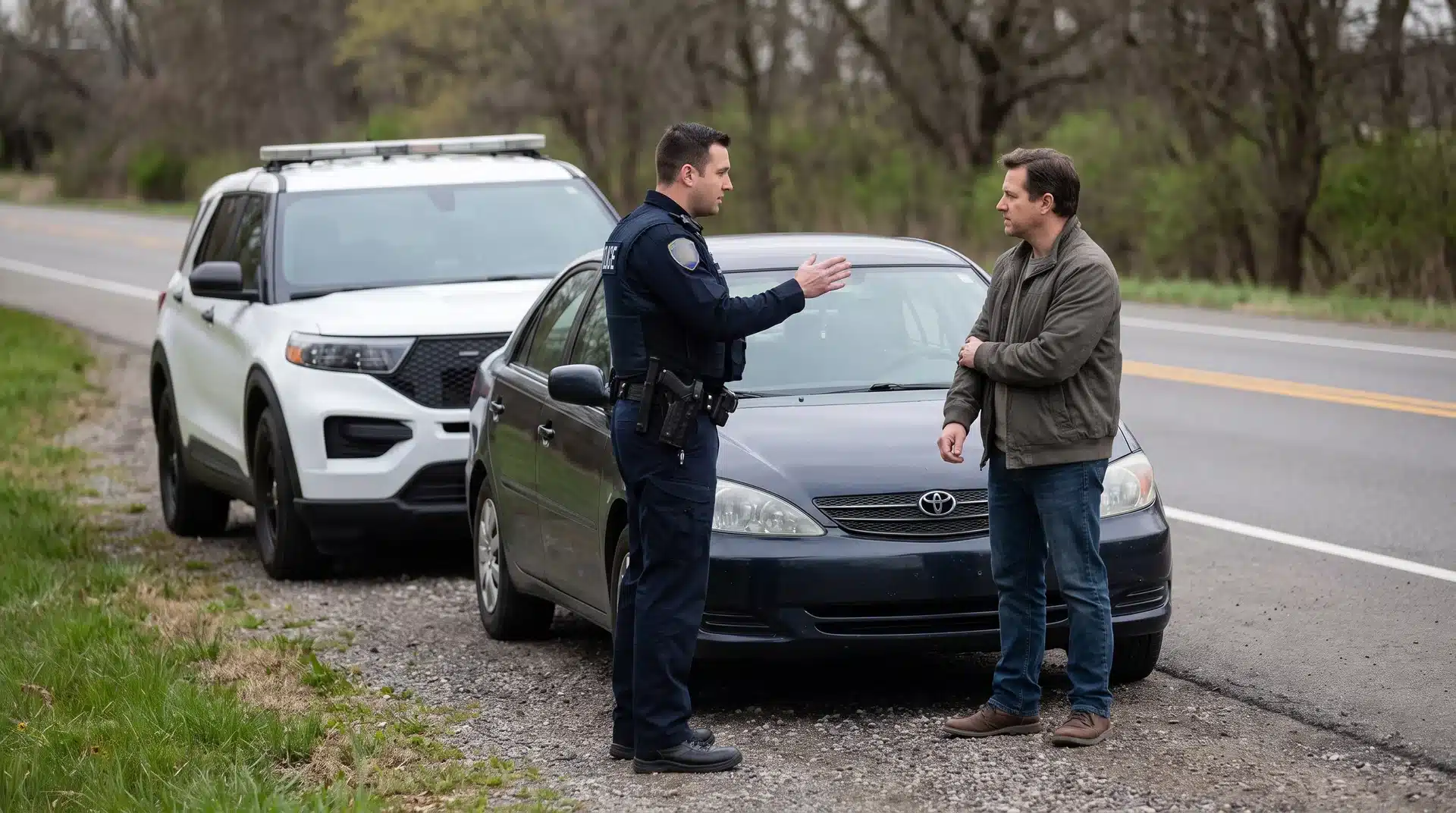
Blue lights flash behind you, and your stomach drops. The officer asks you to step out and walk a line. I’ve talked to people who froze in that moment. They were sure they had no choice.
Here’s what I’ve learned digging into this. The answer to “can you refuse a field sobriety test” is yes, in almost every state. But it’s not that simple either.
What happens next depends on timing, evidence, and details most drivers never think about. I’ll tell you exactly what you can refuse and what actually happens when you do.
What Is a Field Sobriety Test?
A field sobriety test is a roadside check an officer may use when they suspect a driver is impaired. Instead of measuring the amount of alcohol in your body, it gives the officer a chance to watch how you move, follow directions, and respond during the traffic stop.
The officer looks for signs of impairment, such as trouble keeping your balance, following instructions, or certain physical reactions. These observations can become part of the evidence used to decide what happens next.
That is an important distinction. A field sobriety test is not the same as a breath, blood, or urine test that measures alcohol or drugs. It relies on the officer’s observations of your performance at the roadside.
I’ve found this is where much of the confusion starts. People hear “test” and expect a clear numerical result, but the officer judges how you perform and records those observations.
Can You Legally Refuse a Field Sobriety Test?
Yes, you can refuse a field sobriety test. In most states, these roadside tests are voluntary.
That means you usually do not get a separate fine or a DUI charge just for saying no. An officer cannot force you to walk a straight line, stand on one leg, or follow a pen with your eyes.
The confusing part is how these requests are often made. An officer may say something like, “Step out of the car and do this for me,” which can sound like a command. But you still have the right to decline.
People assume refusing means they are automatically admitting guilt, but that’s not how it really works. Saying no to the test itself is not a crime, but it also does not end the traffic stop.
If an officer already has other signs of possible impairment, they can still continue the investigation based on what they observed. Your refusal is only one part of the situation.
What Counts as a Field Sobriety Test You Can Refuse?
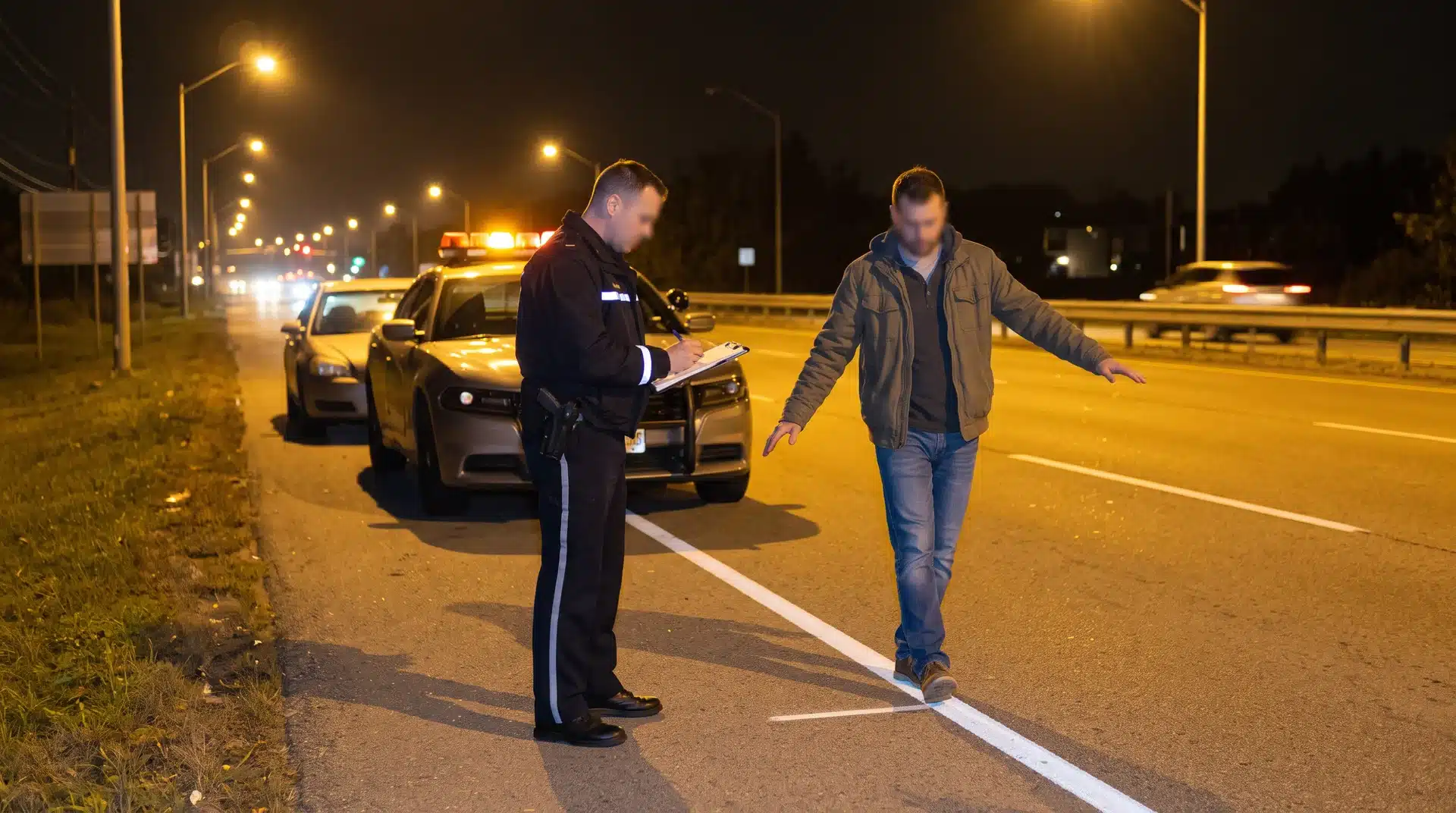
A field sobriety test usually refers to three roadside exercises, but many people also include a breath test in that same category. Knowing the difference matters because the rules are not always the same.
The three standardized field sobriety tests are:
- Walk-and-turn: Walking nine steps in a straight line, turning, and walking back.
- One-leg stand: Balancing on one foot while counting aloud.
- Horizontal gaze nystagmus: Following a pen or light with your eyes while the officer watches your eye movement.
These are the tests most people mean when they talk about field sobriety tests, and you can usually refuse them.
There is also the legal alcohol limit, which is a separate test from the physical exercises. In many states, this test is voluntary too, but some exceptions apply. For example, some states apply zero-tolerance rules to drivers under 21, or added testing conditions for drivers already on probation.
These three tests, the walk-and-turn, one-leg stand, and horizontal gaze nystagmus, are the standardized tests developed by the National Highway Traffic Safety Administration. That’s the federal agency officers are trained against.
Note: A roadside breath test and the breath test taken at a police station after an arrest follow different rules. Refusing one does not always carry the same consequences as refusing the other.
Can You Still Be Arrested After Refusing a Field Sobriety Test?
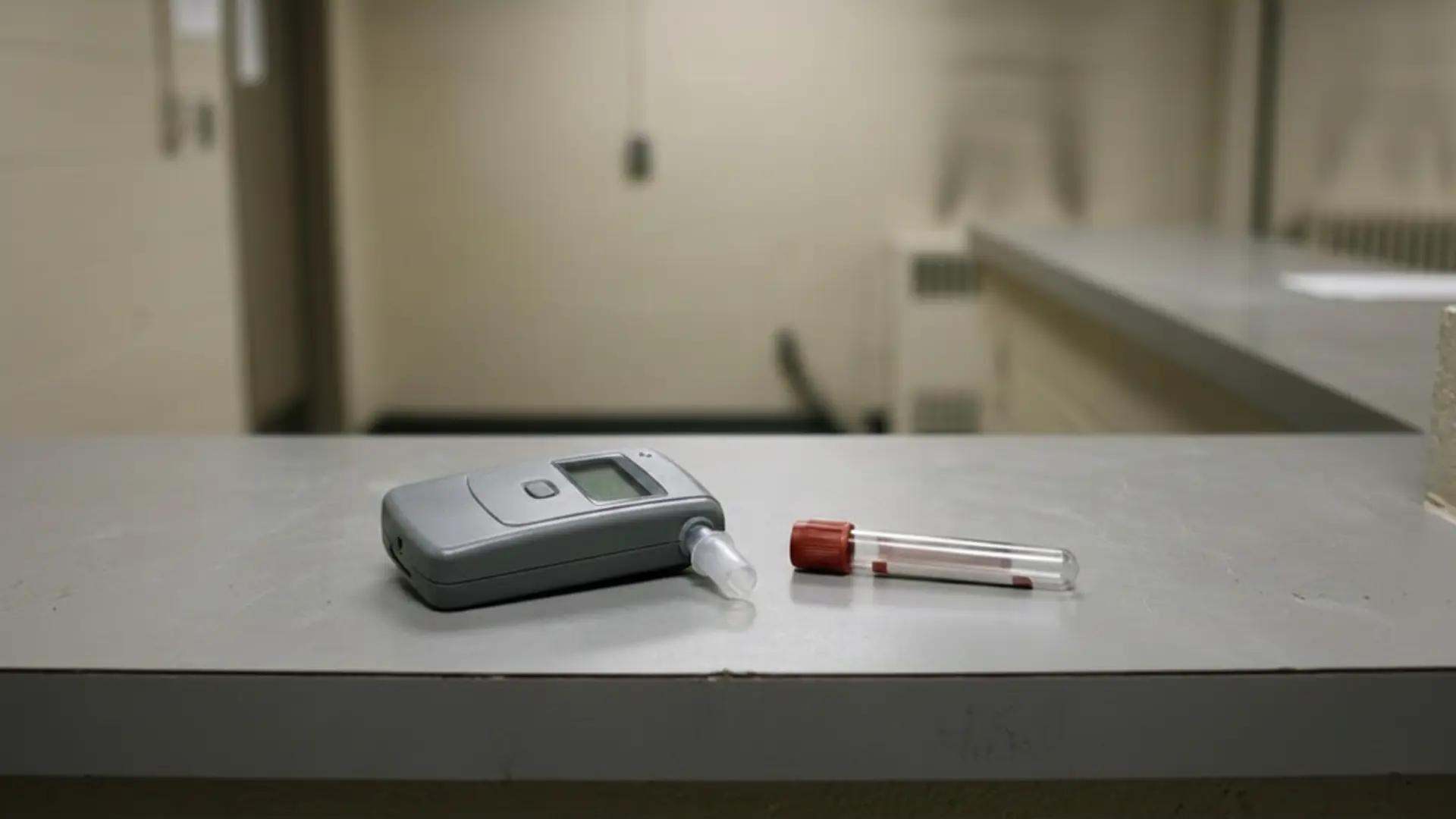
Yes. Refusing a field sobriety test does not prevent an officer from arresting you for DUI. The officer does not need your field sobriety test results to continue building a case.
They can consider what happened before and during the stop, including unsafe driving, the smell of alcohol, slurred speech, difficulty answering questions, or other signs they believe point to impairment.
Field sobriety tests are part of the pre-arrest screening process, but they are not the only information officers use. So, saying no does not guarantee out will avoid an arrest.
If the officer believes the other evidence gives them enough reason to arrest you, the stop can still end with you being taken into custody.
The main effect of refusing is simpler: the officer does not get your performance on those roadside exercises to add to the evidence from the stop. What happens after that depends on the other evidence and the law in your state.
What Refusing a Field Sobriety Test Does Not Protect You From
Refusing a roadside field sobriety test does not mean the situation is over. The mistake many people make is treating every refusal the same, but the timing changes everything.
- Before an arrest, roadside tests are usually voluntary: A driver has generally not entered the stage where implied consent laws apply. Because the person is not yet in custody, they can often choose whether to participate.
- After an arrest, the rules can change: Once a person is taken into custody, implied consent laws may apply. At that point, refusing a chemical test, such as a breath or blood test, can carry different legal consequences depending on the state.
Every state’s implied consent law works a little differently, so check your own state DMV page for the exact penalty attached to a chemical test refusal where you live.
Wrapping Up
You now know the answer to “can you refuse a field sobriety test” and, more importantly, what that refusal actually does and doesn’t protect you from.
The physical tests are voluntary. Refusing them carries no automatic penalty. But the chemical test after arrest is a completely different decision with real consequences.
That single distinction is the one most drivers miss until it’s too late. The best time to understand these rules is right now, not when you’re standing on the shoulder of a highway at midnight.
If this raised questions about your specific state’s laws, talk to a local DUI attorney before you ever need one.
Frequently Asked Questions
What Happens When You Decline a Field Sobriety Test?
Nothing happens automatically. There’s no fine, no ticket, no license suspension tied to that specific choice. But the stop doesn’t end there. If the officer already has other reasons to suspect impairment, they can still arrest you. Refusing just means your performance on those tests isn’t part of the evidence.
Should I Refuse a Field Sobriety Test if I Am Sober?
You can, and many attorneys suggest exactly that. Being sober doesn’t guarantee you’ll pass. Nerves, bad shoes, or uneven pavement can all throw off your balance. The test doesn’t know the difference between alcohol and a bad angle. Refusing avoids creating evidence that could be misread, even if you’ve done nothing wrong.
Can I Refuse a Field Sobriety Test and Ask for a Breathalyzer Instead?
You can decline the physical tests, but you don’t get to pick what happens next. That’s the officer’s call, not yours. If you’re arrested and asked to take a chemical or blood test at the station, that’s a separate decision. Refusing that one can trigger an automatic license suspension.
Why Do Cops Bother With Field Sobriety Tests?
They’re looking for visible signs of impairment before any chemical test comes into play. Swaying, missed steps, and eye movement all get noted in the moment. Even though the tests are voluntary and far from perfect, your performance can still support the officer’s case for an arrest.