
August 12, 2026
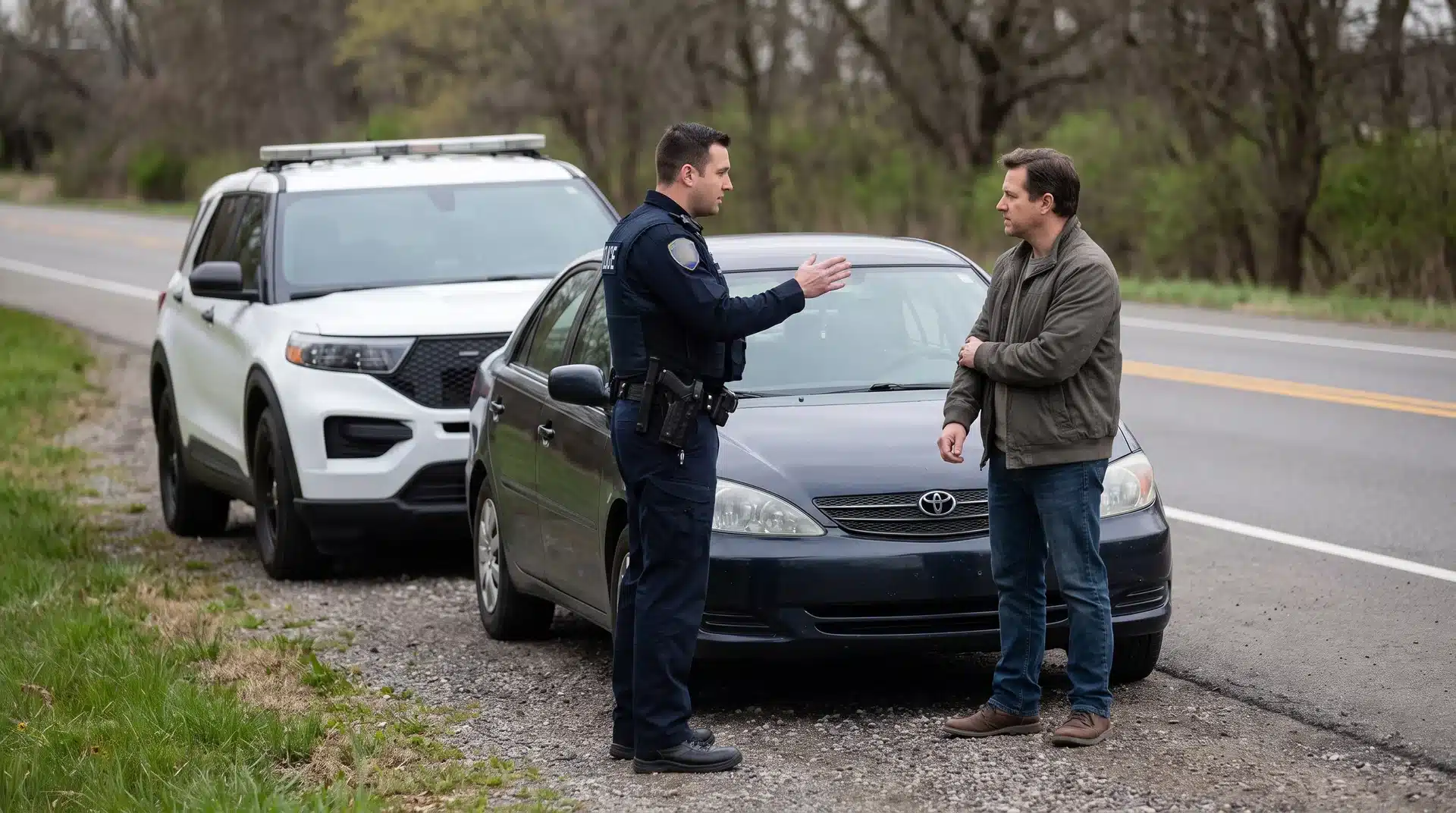
Blue lights flash behind you, and your stomach drops. The officer asks you to step out and walk a line. I’ve talked to people who froze in that moment. They were sure they had no choice. Here’s what I’ve learned digging into this. The answer to “can you refuse a field sobriety test” is yes, in almost every state. But it’s not that simple either. What happens next depends on timing, evidence, and details most drivers never think about. I’ll tell you exactly what you can refuse and what actually happens when you do. What Is a Field Sobriety Test? A field sobriety test is a roadside check an officer may use when they suspect a driver is impaired. Instead of measuring the amount of alcohol in your body, it gives the officer a chance to watch how you move, follow directions, and respond during the traffic stop. The officer looks for signs of impairment, such as trouble keeping your balance, following instructions, or certain physical reactions. These observations can become part of the evidence used to decide what happens next. That is an important distinction. A field sobriety test is not the same as a breath, blood, or urine test that measures alcohol or drugs. It relies on the officer’s observations of your performance at the roadside. I’ve found this is where much of the confusion starts. People hear “test” and expect a clear numerical result, but the officer judges how you perform and records those observations. Can You Legally Refuse a Field Sobriety Test? Yes, you can refuse a field sobriety test. In most states, these roadside tests are voluntary. That means you usually do not get a separate fine or a DUI charge just for saying no. An officer cannot force you to walk a straight line, […]
I used to think embezzlement charges were simple. If someone paid back part of what they took and kept each
Defamation of character sounds like a courtroom term, but I’ve seen how quickly it can affect everyday life through workplace
I used to think lying under oath was something that only happened in courtroom dramas. Looking into real cases showed

California’s self-defense laws are often misunderstood because people assume every state follows the same stand your ground rules. The phrase suggests a simple idea: you do not have to retreat before defending yourself. In California, that concept exists, but the legal details depend on the situation. I have found that the biggest confusion comes from mixing public self-defense rules with protections that apply inside the home. This breakdown explains how stand your ground law in California works, what requirements apply, and how it differs from the state’s Castle Doctrine. What Is Stand Your Ground Law in California? California recognizes a stand your ground principle, but it does not have a standalone statute officially called a “Stand Your Ground” law. Instead, California courts have recognized that a person generally does not have a duty to retreat before using lawful self-defense in situations where they are legally allowed to be. The rule does not mean someone can use force whenever they feel threatened. Self-defense still depends on whether the person reasonably believed force was necessary and whether the response matched the danger faced. In practical terms, California’s approach focuses less on whether someone tried to escape and more on whether the use of force was legally justified. For example, someone involved in a mutual combat situation on a public sidewalk does not need to prove they tried to run first. The court instead looks at whether that person reasonably believed they were in danger and whether the force used matched that danger. What Are the Requirements for Self-Defense in California? California self-defense requires more than simply believing another person was a threat. The person using force must meet specific legal conditions that determine whether the response was justified. Three main requirements shape the analysis: Reasonable belief of imminent danger: The person must […]