

I used to think lying under oath was something that only happened in courtroom dramas. Looking into real cases showed me that it happens more often than people expect, and the consequences can surprise many.
When I started digging into whether perjury is a felony in most cases, I found that the answer is not as simple as yes or no. The charge depends on the situation, the state, and the type of case involved.
Notice how perjury laws can vary widely by state. A statement that leads to serious penalties in one place may be treated differently somewhere else.
I’ll break down what actually turns a false statement into a felony charge. I’ll also cover the exceptions, the real risks, and why prosecutions are rarer than the strict laws might suggest.
Is Perjury a Felony?
Yes, perjury is a felony under federal law and in most states. It means knowingly lying under oath during an official proceeding, like a trial or a deposition.
Federal perjury carries up to five years in prison. States set their own penalties, and felony degrees shift depending on where the case is filed.
A few jurisdictions carve out exceptions. Minor false statements made outside a courtroom sometimes get charged as misdemeanors instead.
That’s the general rule. The details of when it applies get more specific, and that’s worth walking through next.
Federal perjury carries up to five years in prison. States set their own penalties, and felony degrees shift depending on where the case is filed.
This five-year cap comes from 18 U.S.C. § 1621, the main federal perjury statute.
What Makes a False Statement Legally Count as Perjury
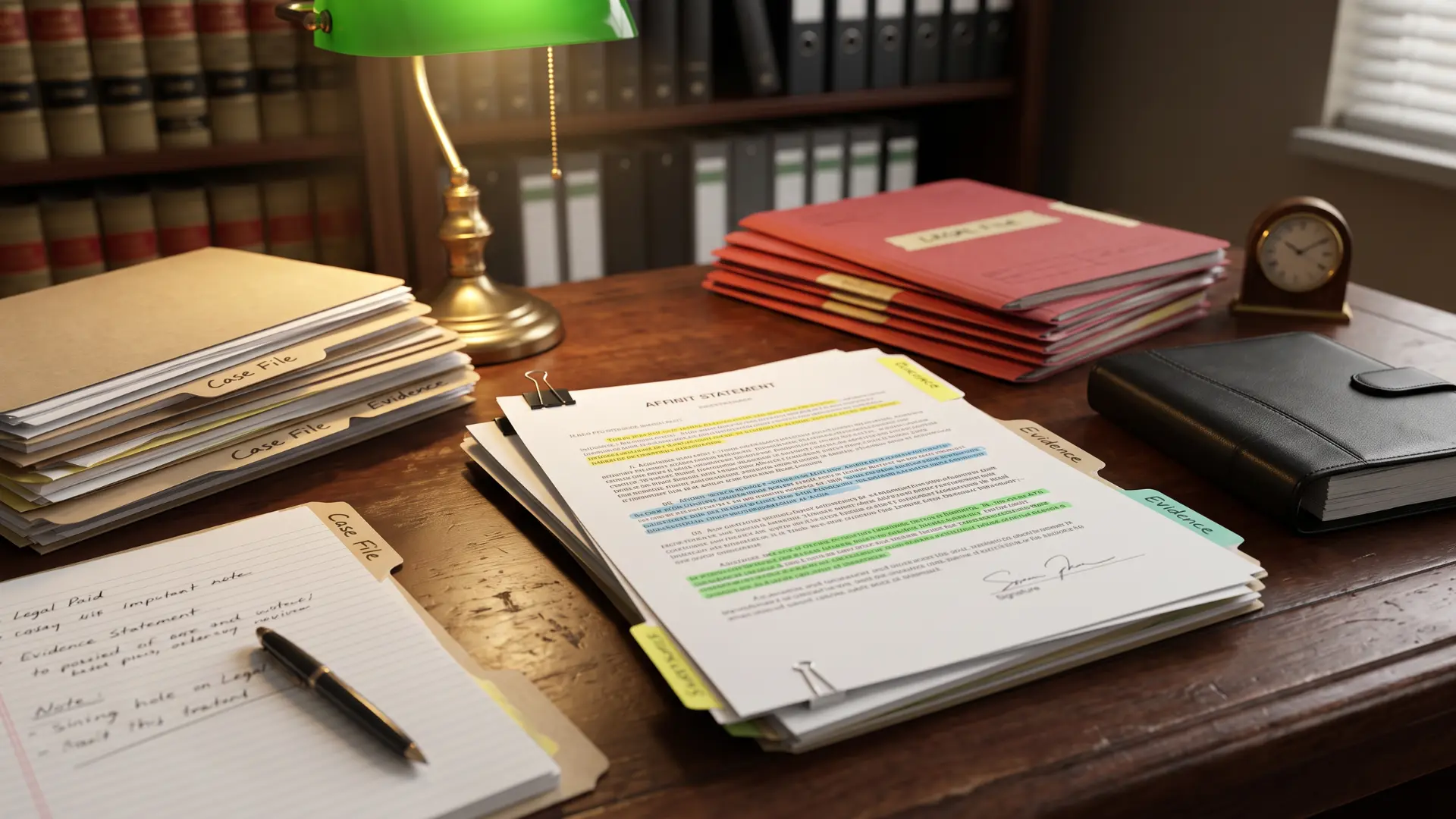
Not every false statement under oath counts as perjury. Two specific conditions have to be there first:
- The statement has to be material, meaning it could actually affect the outcome of the case.
- It also has to be willful, meaning the person knew it was false when they said it.
Neither one is enough on its own. A material lie told by accident isn’t perjury. A willful lie about something irrelevant usually isn’t either. Both have to line up before the law treats it as a felony.
The stakes of the case matter too. Lying under oath in a murder trial tends to draw a harder response than lying in a small civil dispute. Prosecutors have limited resources, and they tend to spend them where the false statement did real damage.
This is also why honest mistakes rarely lead to charges. If someone misremembers a date or gets a detail wrong without meaning to, that’s not perjury. The law is built to catch deliberate lies that actually matter, not memory slips or side comments.
When Perjury Isn’t Charged as a Felony
Perjury charges are not the same everywhere. The level of the offense depends on the state law, the type of proceeding, and whether the false statement meets the legal definition of perjury.
Here’s how context can change the outcome:
| Situation | How the law may treat it | Example or explanation |
|---|---|---|
| Simple false statement under oath | May be a misdemeanor or lower-level offense in some states | Texas treats simple perjury as a Class A misdemeanor in many situations. |
| False statement made during an official proceeding | Can become a felony | In Texas, aggravated perjury is a third degree felony that applies when a material false statement is made regardless of whether the underlying case is a felony or misdemeanor. |
| False statement that has no bearing on the outcome | Usually stays a misdemeanor | If the statement could not have affected the outcome, Texas treats it as simple perjury, a Class A misdemeanor, even in a serious case. |
| Statement without a formal oath | Usually does not qualify as perjury | A casual lie or unsworn statement generally falls outside perjury laws. |
| Opinion or personal belief | Usually not considered perjury | Perjury focuses on false statements of fact, not opinions or viewpoints. |
The key factor is the legal setting around the statement. A lie alone does not automatically create a perjury charge; the oath, facts involved, and state law all determine what offense applies.
Why the Felony Classification Matters
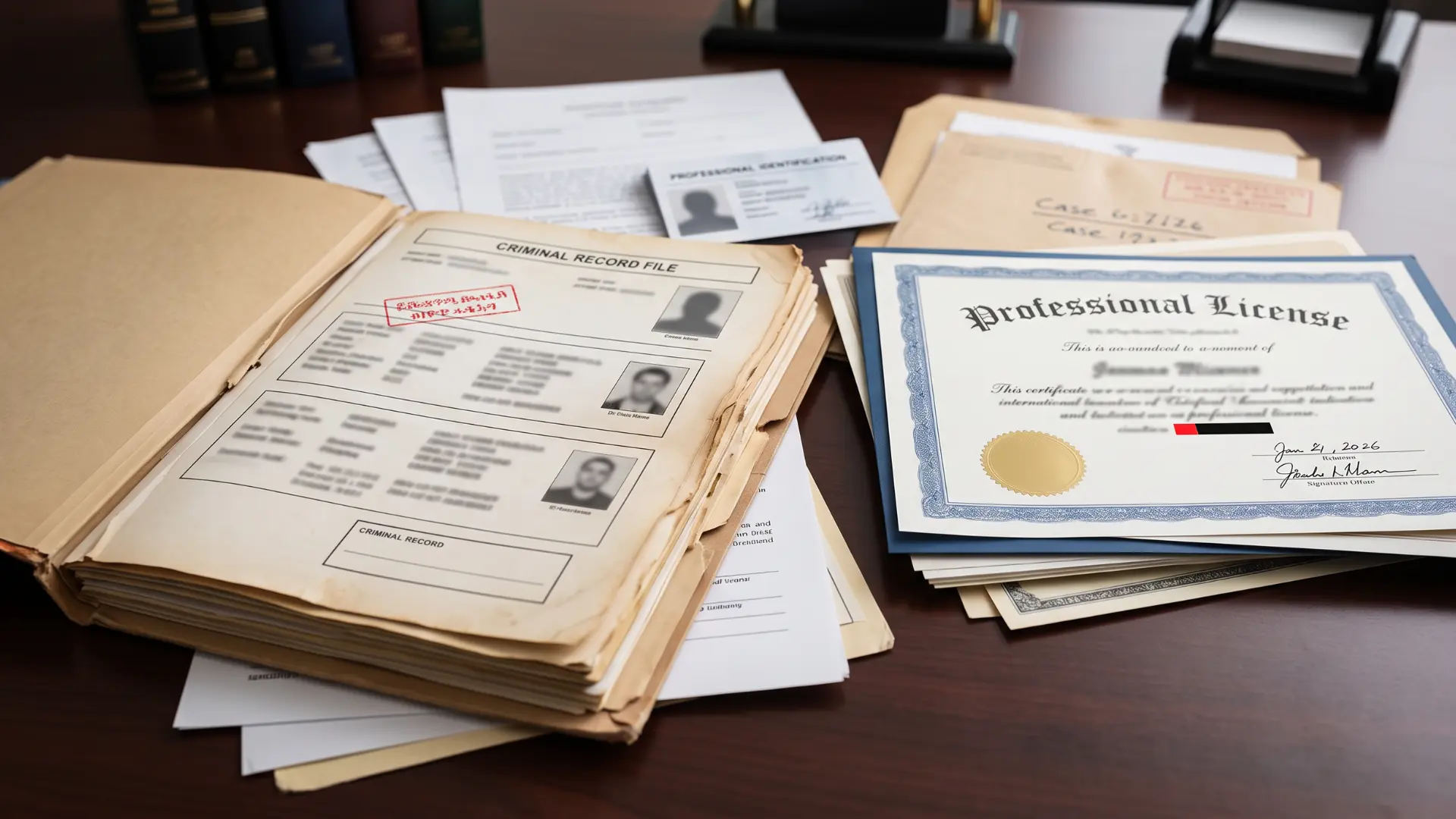
A felony perjury charge can affect far more than the outcome of one case. The consequences may continue long after sentencing.
- Prison time and fines: A felony conviction can carry incarceration, financial penalties, and a permanent criminal record.
- Loss of credibility: A proven lie under oath can damage how courts, attorneys, and others view a person’s testimony in later proceedings.
- Career consequences: A felony record can make some jobs harder to obtain and may create licensing problems for professionals such as lawyers or doctors.
- Civil restrictions: Depending on the jurisdiction, a felony conviction may affect certain rights or privileges, including voting rights.
- Long-term reputation damage: The effect can continue after the sentence ends, especially when the conviction appears in background checks or court records.
Perjury prosecutions are still difficult because prosecutors generally must prove that the false statement was material and made knowingly. A mistake, poor memory, or minor inconsistency usually does not meet that standard.
Conclusion
I’ve found that perjury is not just about whether someone said something false under oath. The details around the statement, including intent and materiality, decide how serious the charge can become.
State law also plays a major role. The same false statement may lead to a misdemeanor in one state and a felony in another.
Actual convictions are uncommon, not because perjury laws are weak, but because proving someone knowingly lied about an important fact is difficult. When a conviction does happen, the consequences can affect someone’s life for years.
If you ever face a situation involving sworn testimony, I would not treat it casually. Speaking with a criminal defense attorney familiar with your state’s perjury laws can help you understand the risks before making any statement under oath.
Frequently Asked Questions
Do People Actually Go to Jail for Perjury?
Yes, but convictions are uncommon. Prosecutors have to prove the statement was material and made on purpose, and that’s hard to show beyond a reasonable doubt. Sentences range from probation to several years, depending on the state and the case.
What Are the Three Types of Perjury?
Perjury generally falls into three types. There’s a false statement made under oath, subornation of perjury, which means getting someone else to lie under oath, and perjury by written declaration, like a false affidavit. Most state and federal laws treat all three similarly.
What’s the Minimum Sentence for Perjury?
There’s no universal minimum. Some states allow probation for a first offense, while others set stricter minimums for perjury tied to serious cases. Federal perjury has no mandatory minimum but allows up to five years.
Is Perjury a Federal or State Crime?
It can be either. It’s federal when it happens in federal court, before Congress, or in other federal proceedings. It’s also a crime under every state’s own laws when it happens in state court, with penalties that vary by state.