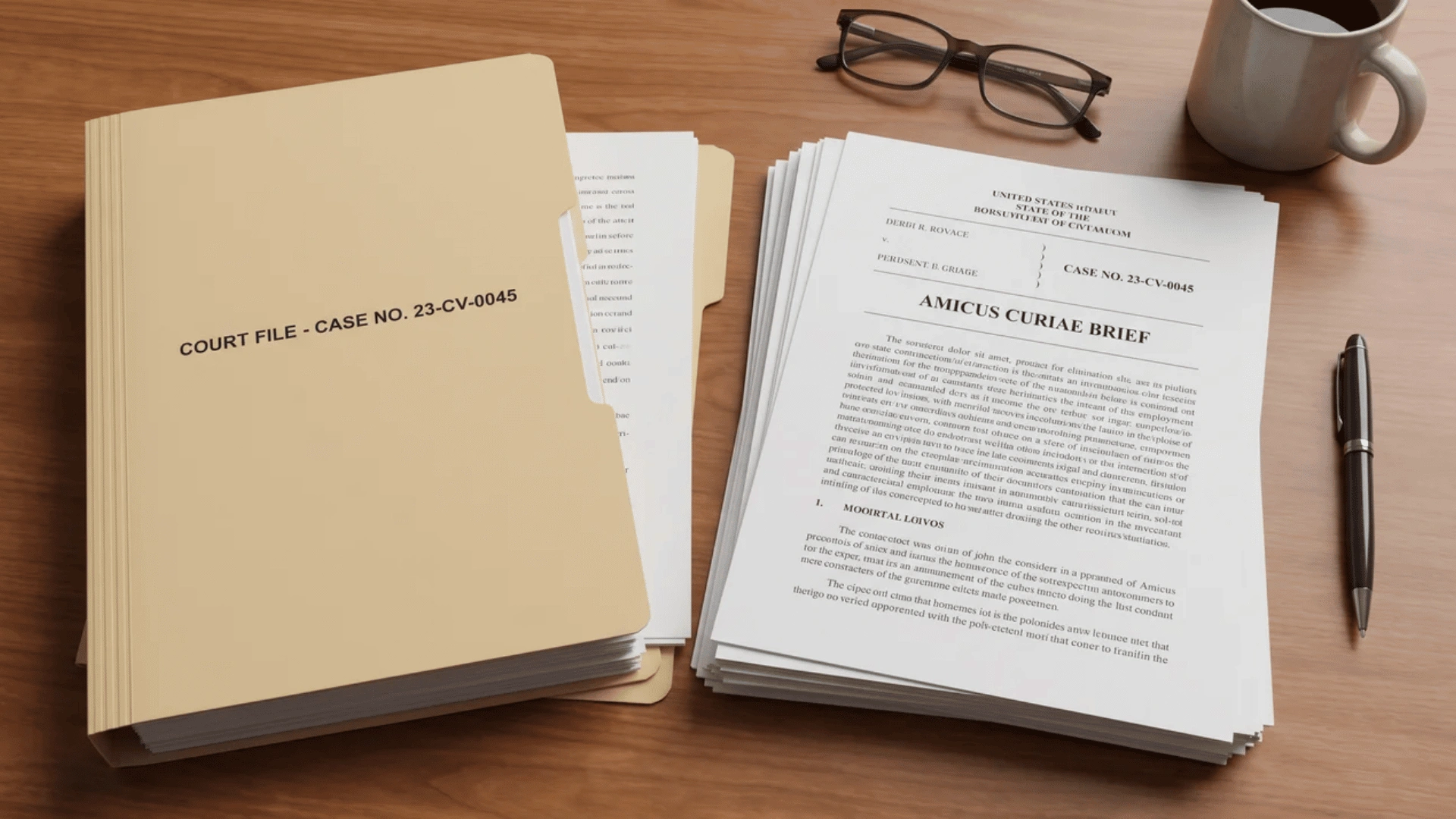
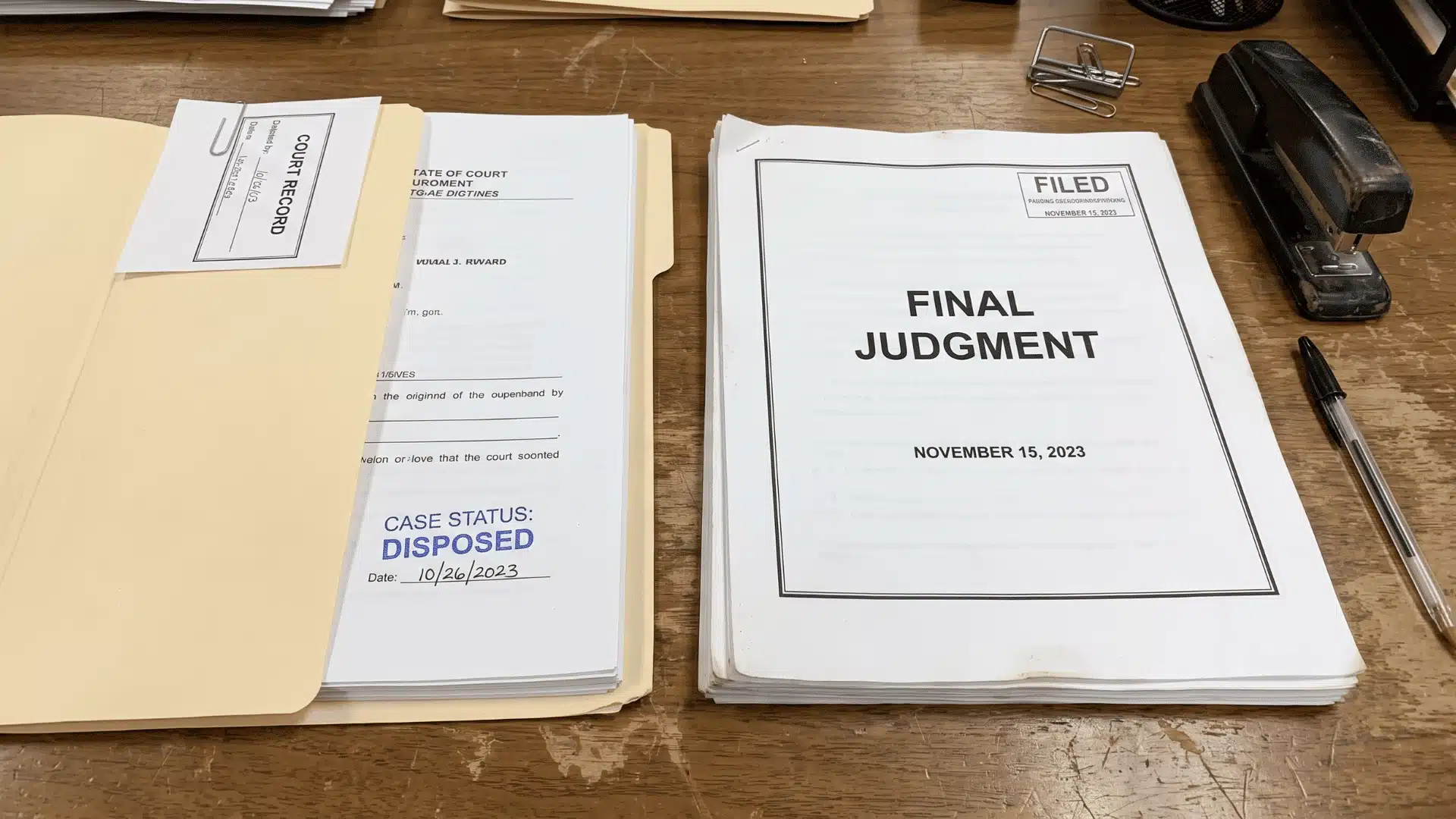
Seeing “disposed” beside your court case can feel alarming. The word sounds final, but it does not explain who won or what occurred.
In legal records, “case disposed” simply means the court has closed the matter. It does not reveal the result, ruling, or next steps.
Those details usually appear in the final order, judgment, or disposition entry. That document explains how the case ended and what obligations remain afterward.
The specific disposition matters because dismissal, settlement, conviction, or judgment each creates different consequences. Checking that outcome helps you understand exactly where you stand.
What Does “Case Disposed” Mean?
“Case disposed” means the court has officially closed the case. It does not tell you the outcome, not guilty, not innocent, not anything in between.
That distinction matters more than it sounds. The disposed label looks identical whether a case ended in conviction, acquittal, dismissal, or settlement. The court system uses it for one purpose: to mark that the matter is off the active docket.
What it doesn’t do is tell you what actually happened. For that, you need a different document entirely, the nature-of-disposal record or final judgment filing.
That’s where the actual outcome lives. The status label you see on a court portal is an administrative flag. The judgment document is the legal record.
If you’re trying to understand what a disposed case means for you, the status field isn’t where you’ll find that answer. The judgment document is.
What Are the Different Types of Case Dispositions?
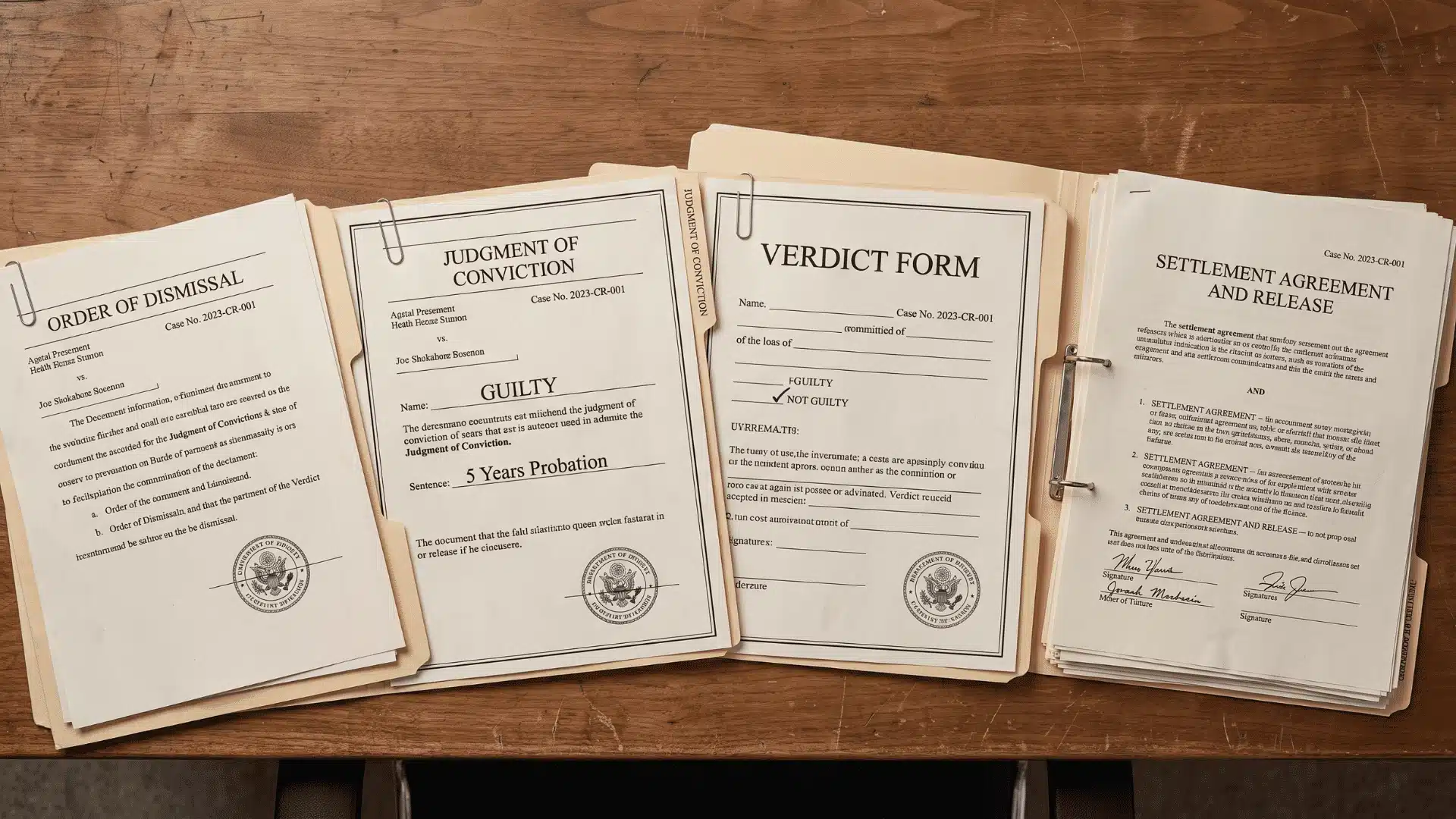
Dismissal, conviction, acquittal, and settlement are the four main ways a case reaches a disposition, and each one closes the case while carrying a completely different legal meaning.
The disposed label treats them all the same. The outcomes are not the same at all. That’s the part worth understanding before you read anything else about your case status.
1. Dismissal
A dismissal means the court ended the case before a verdict. But how it was dismissed changes everything.
- Dismissed with prejudice means the case is permanently closed; it cannot be refiled.
- Dismissed without prejudice means the case is closed for now, but the same charges or claims can be brought again within the applicable statute of limitations.
Both show as disposed, but the practical difference between them is significant.
2. Conviction and Guilty Plea
A conviction means the defendant was found guilty at trial. A guilty plea means they admitted guilt before trial, usually as part of a plea agreement. Both result in sentencing shaped by the difference between a felony and misdemeanor conviction, and both close the case as disposed.
The legal consequences are the same either way. Sentencing exposure, the permanent entry on your criminal record, and how the case reads on a background check don’t change based on which path led there. A conviction on your record is a conviction, regardless of how it was reached.
3. Acquittal
An acquittal means the defendant was found not guilty at trial. Double jeopardy protections kick in immediately; that same charge cannot be brought again in criminal court.
It still shows as disposed, with an identical label to a conviction. The status field tells you nothing about which outcome you’re actually looking at.
4. Settlement and Plea Deal
In civil cases, a settlement means both parties reached a private agreement. The court closes the case once that agreement is filed.
In criminal cases, a plea deal serves a similar function: the defendant accepts agreed terms, and the case closes. Neither outcome appears in the disposed status itself. You’ll only find it in the judgment record.
The judgment or consent decree spells out what the disposed label leaves out.
In a settlement, that’s usually the dollar amount and any non-monetary terms, like corrective action.
In a plea deal, it’s the specific charge the defendant pleaded to and the sentence that came with it, often lighter than what a conviction at trial would have carried.
Does a Disposed Case Stay on Your Record?
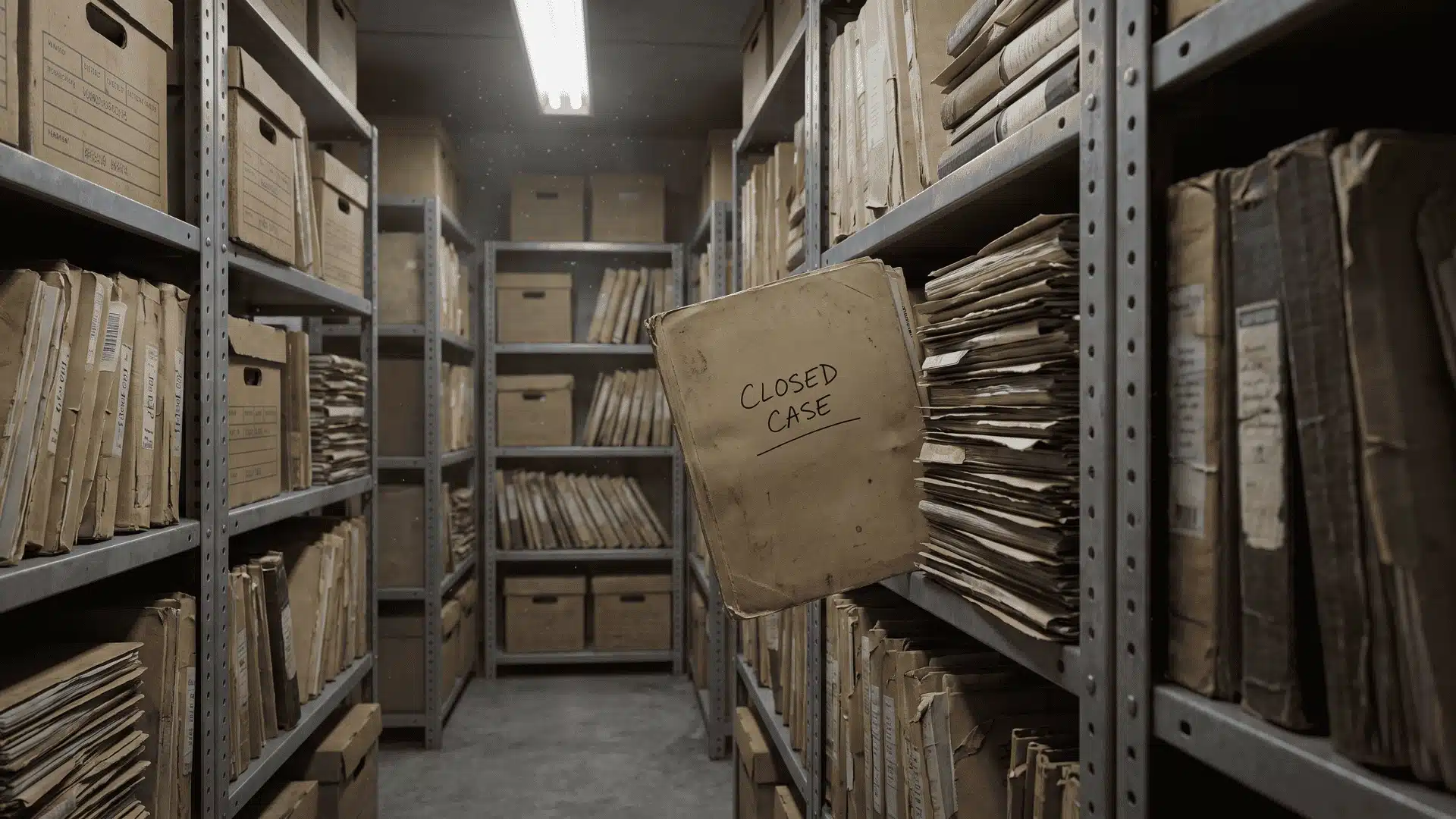
A disposed case is closed, but that doesn’t mean it disappears. Knowing your disposition type is only half the picture, since it still leaves the question of what shows up when someone looks you up.
- Closure isn’t erasure: The case stays on your record until you complete a separate expungement or sealing process.
- Expungement isn’t automatic: It requires its own filing, eligibility review, and court approval. Disposed status triggers none of that.
- Background checks differ: They show the underlying outcome, conviction, dismissal, or acquittal. Not the disposed label itself.
- Eligibility varies: A dismissal or acquittal typically opens the door to expungement. A conviction usually doesn’t, and rules differ by jurisdiction.
- Start with your judgment document: It shows your disposition type, which determines whether expungement is even an option.
The disposed status is just the starting point. Your disposition type is what actually shapes your options going forward.
Can a Disposed Case Be Reopened?
Whether a disposed case can be reopened depends on how it was closed, not on the disposed status itself. That label tells you nothing about what’s possible next.
The answer starts with your disposition type. A case dismissed without prejudice can be refiled within the statute of limitations.
Dismissed with prejudice, it generally cannot. A conviction can’t be reopened directly, but it can be appealed through a higher court within defined time windows.
One distinction worth understanding: appealing and reopening are not the same thing. An appeal challenges a verdict through a higher court.
Reopening on new evidence is a separate motion filed in the original court. They have different standards and different processes.
For settled civil cases, the outcome is effectively final once the court enters it. Fraud or mutual mistake can create exceptions, but both are difficult to demonstrate and rarely successful.
Wrapping Up
A disposed case is closed, but closed isn’t the same as resolved for you personally. The case disposed of on a court portal is administrative in nature.
The judgment document behind it is what carries the real weight. Whether your record is affected, whether the case can be challenged, whether expungement is even on the table, none of that comes from the status label.
It comes from how the case was disposed of. Pull the judgment document, identify your disposition type, and work from there. Everything else follows from that one step.
If you’re unsure what your disposition means for your specific situation, speak with a licensed attorney in your jurisdiction.
Frequently Asked Questions
What’s the Difference Between Disposed and Dismissed?
“Disposed” is an umbrella status meaning the case is closed; it covers all resolution types, including dismissal. “Dismissed” is one specific reason a case reaches a disposed status, meaning the court terminated the proceedings. A dismissed case is disposed; a disposed case is not necessarily dismissed.
If My Case Status Says Disposed, Does that Mean I Was Found Guilty?
No. Disposed means the case is closed, which can result from a conviction, acquittal, dismissal, or settlement. To determine the actual outcome, locate the nature-of-disposal or final judgment document on the court’s records; the disposed label alone does not indicate guilt or innocence.
What Does “disposed” Mean in A Civil Case?
In a civil case, disposed means the court has issued a final order and closed the matter. Common civil dispositions include settlement, judgment in favor of one party, or dismissal. The consequences differ from criminal dispositions, but the status label functions identically; it signals closure, not outcome.
Does a Disposed Case Show up On a Background Check?
The disposed label itself does not appear, but the underlying outcome- conviction, dismissal, acquittal- typically does, depending on jurisdiction and record type. A disposition status does not seal or expunge a record; that requires a separate legal process filed after the case closes.