
August 18, 2026
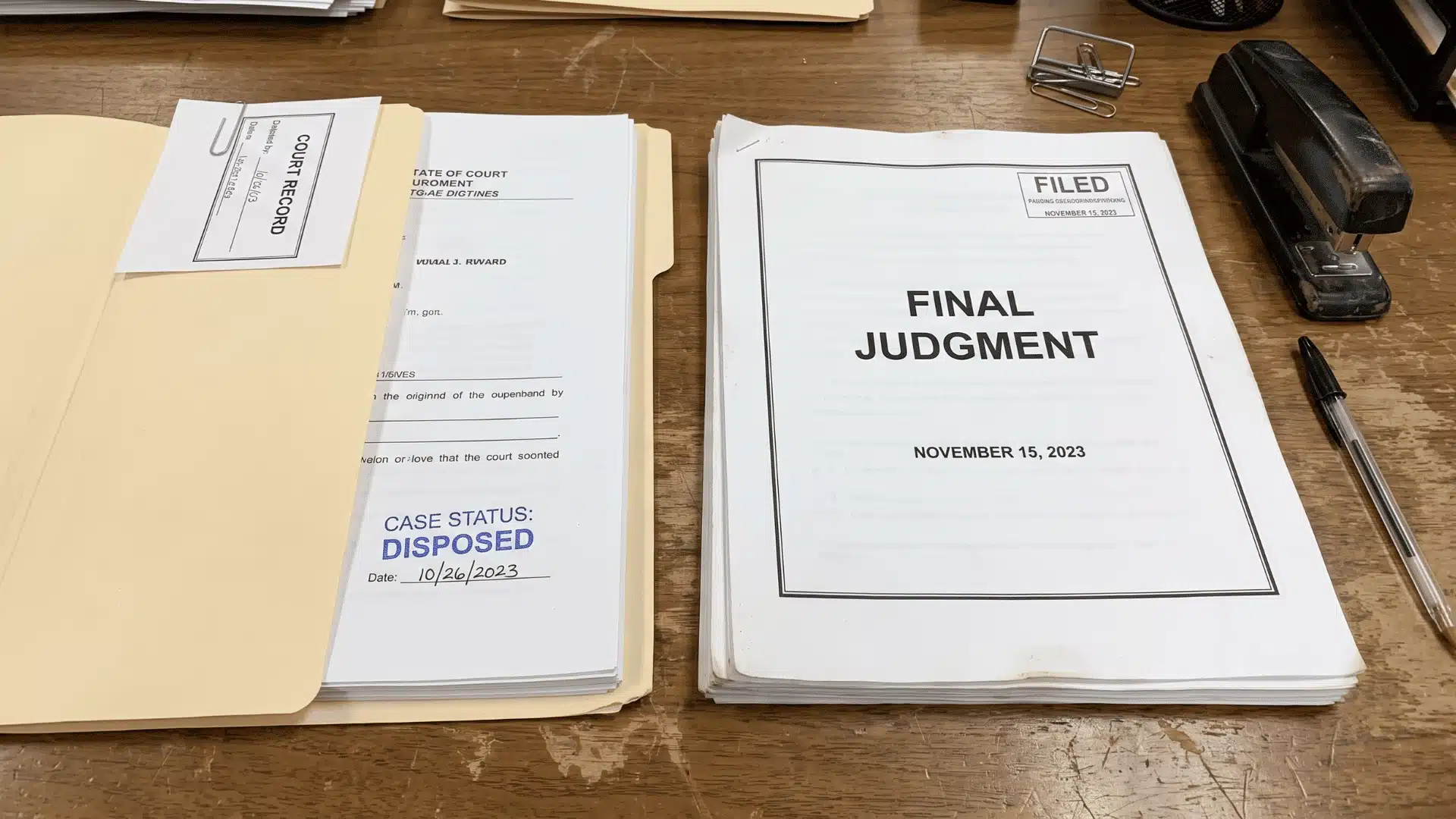
Seeing “disposed” beside your court case can feel alarming. The word sounds final, but it does not explain who won or what occurred. In legal records, “case disposed” simply means the court has closed the matter. It does not reveal the result, ruling, or next steps. Those details usually appear in the final order, judgment, or disposition entry. That document explains how the case ended and what obligations remain afterward. The specific disposition matters because dismissal, settlement, conviction, or judgment each creates different consequences. Checking that outcome helps you understand exactly where you stand. What Does “Case Disposed” Mean? “Case disposed” means the court has officially closed the case. It does not tell you the outcome, not guilty, not innocent, not anything in between. That distinction matters more than it sounds. The disposed label looks identical whether a case ended in conviction, acquittal, dismissal, or settlement. The court system uses it for one purpose: to mark that the matter is off the active docket. What it doesn’t do is tell you what actually happened. For that, you need a different document entirely, the nature-of-disposal record or final judgment filing. That’s where the actual outcome lives. The status label you see on a court portal is an administrative flag. The judgment document is the legal record. If you’re trying to understand what a disposed case means for you, the status field isn’t where you’ll find that answer. The judgment document is. What Are the Different Types of Case Dispositions? Dismissal, conviction, acquittal, and settlement are the four main ways a case reaches a disposition, and each one closes the case while carrying a completely different legal meaning. The disposed label treats them all the same. The outcomes are not the same at all. That’s the part worth understanding before you read […]
Sticker shock should not be the first thing standing between someone and legal help. Yet that is exactly what happens
Yes, but the more useful question is why it almost never happens and what that reveals about how the criminal
Divorce mediation sounds simple until you’re actually in the room, watching a neutral stranger try to get you and your

After a crime, many people say, “I want to press charges,” but the legal process is more complex than it sounds. So who actually decides whether someone gets prosecuted, and how much say does the victim really have? The answer often surprises people. Victims can report the crime and provide evidence, but only the prosecutor can decide whether to file criminal charges. In this guide, you’ll learn what that phrase really means, who makes the final call, and what role victims and attorneys play throughout the case. What Does Pressing Charges Mean? The phrase pressing charges is common, but it makes the legal process sound more personal than it actually is. In a criminal case, the government, not the victim, files the charges. That’s why cases are titled State v. [Defendant] or People v. [Defendant], not [Victim] v. [Defendant]. When someone says they want to press charges, they usually mean they reported a crime and want the offender held accountable. In short, pressing charges means reporting a crime and cooperating with law enforcement, while the prosecutor decides whether to file criminal charges. A victim can report the crime, provide evidence, testify, and express their wishes. However, they cannot guarantee that charges will be filed or dropped. Can You Press Charges on Someone Yourself No. A private citizen cannot walk into a courthouse and file a criminal charge the way they might file a civil complaint. That power sits with the prosecutor’s office in nearly every jurisdiction in the country. Here is what a victim can and cannot do: File a police report: This starts the investigation and creates an official record of what happened. Give a statement: Police and prosecutors rely on this account to build the case against a suspect. Request an outcome: A victim can tell a prosecutor […]