

Divorce mediation sounds simple until you’re actually in the room, watching a neutral stranger try to get you and your spouse to agree on something. Then it gets complicated fast.
What most people don’t realize is how much happens behind the scenes, the private conversations, the back-and-forth that never makes it into the joint session. And even after you both sign something, you’re not necessarily done.
This piece walks through what really happens in mediation, where it tends to fall apart, and what people misunderstand about when it’s actually final. By the end, you’ll know whether it fits your situation. Let’s start with what mediation actually is.
Disclaimer: This content provides general information, not legal advice. Divorce and mediation rules can vary, so speak with a qualified family lawyer about your situation.
What Is Divorce Mediation?
Divorce mediation is a voluntary process where a neutral third party helps two spouses negotiate their own divorce terms, outside of a courtroom.
That third party is the mediator. They don’t take sides, and they don’t decide anything for you. Their job is to help you and your spouse work out property division, custody, and support on your own terms.
In some states, a judge can order mediation before your case goes to trial, while in others, couples choose it on their own from the start, sometimes alongside considering legal separation as an alternative to a full divorce.
One thing mediation isn’t: couples counseling. You’re not there to fix the marriage or talk through what went wrong. You’re there to divide it up and move forward.
How Does the Divorce Mediation Process Work?

Mediation follows a defined sequence, moving from a first consultation to a signed agreement. But the real work happens in how the mediator manages the conversation itself.
Most of the movement in mediation comes from switching between two settings. In joint sessions, both spouses sit down together with the mediator.
This is where shared issues get named out loud; who keeps the house, how different custody arrangements get worked out, what happens to shared debt.
Then the mediator pulls each spouse aside separately. These private caucuses work differently. Here, a spouse can admit what they’d actually accept without the other person hearing it first.
That’s the point. A spouse might say in private, “I’d take less alimony if I keep the car.” The mediator carries that flexibility back into the next joint session, without revealing where it came from. This back-and-forth is what turns two rigid positions into one workable agreement.
This only works if both spouses are honest about their finances. If one spouse won’t disclose assets clearly, the mediator has to pause the process. Additional fact-finding happens before negotiation can move forward again.
It also breaks down when one spouse isn’t negotiating in good faith. If someone uses sessions to stall, agree to nothing, or wear the other person down, the caucus method stops producing progress. Movement depends on both people actually wanting a resolution.
From Initial Consultation to Draft Agreement
The first meeting sets the ground rules. The mediator explains how sessions will run, then gathers basic financial and family information from both spouses.
From there, sessions alternate between joint and private, working through property, debt, custody, and support one issue at a time. As each point gets settled, the mediator notes it down.
Once every major issue has an answer both spouses accept, the mediator drafts a written memorandum. This document lays out the full agreement in plain terms, ready for the next step.
Court Review and Finalization
A draft agreement isn’t final yet. Each spouse typically has their own lawyer review it first, checking that it protects their interests before anyone signs anything.
Once both sides are satisfied, the agreement goes to a judge. The judge reviews it and signs it into the official divorce decree; the point where it becomes legally binding.
What Divorce Mediation Is Not And Where It Falls Short
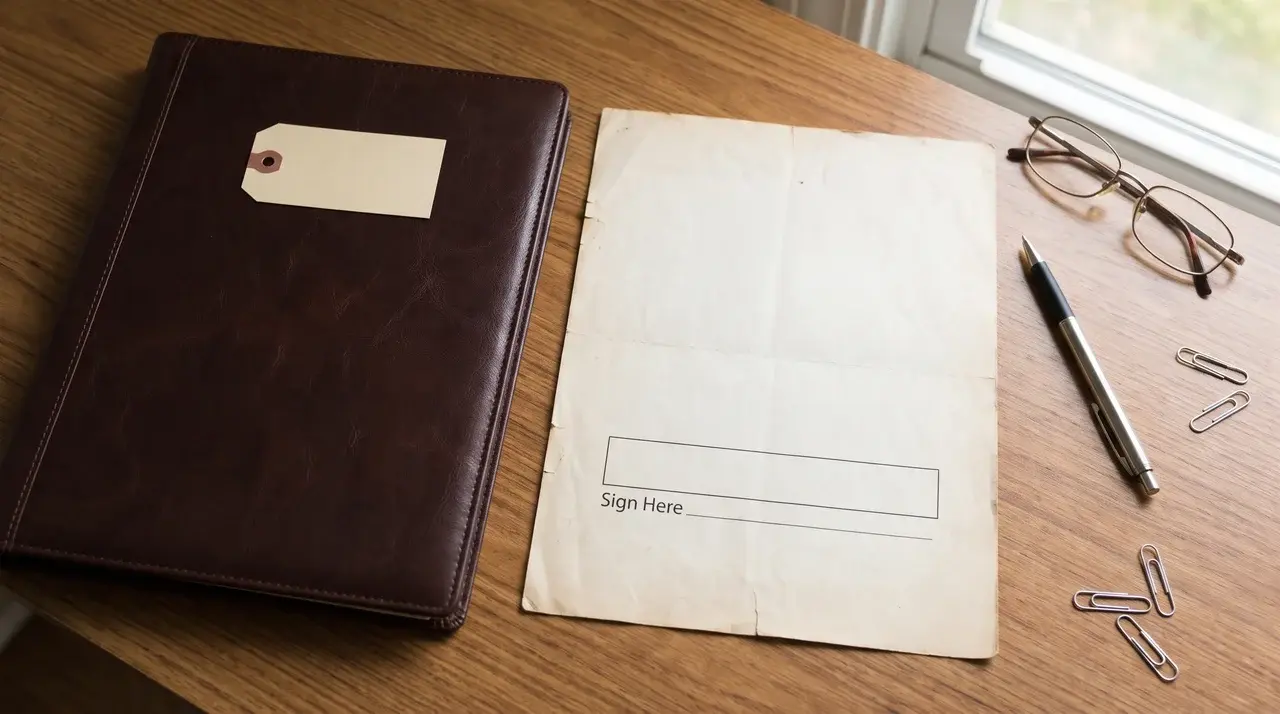
Reaching an agreement in mediation doesn’t make it legal yet, that surprises a lot of people. The memorandum your mediator drafts is a starting point, not a finished contract. Here’s what actually needs to happen before it counts:
- Each spouse’s lawyer reviews the agreement independently
- A judge signs off on it as part of your divorce decree
- Only then does it become legally enforceable
Skip that legal review, and you’re exposed. You might agree to something that sounds fair in the room but leaves you unprotected once life changes. A lawyer catches that. A mediator, who stays neutral, won’t flag it for you.
Mediation also isn’t the right setting for every couple. It doesn’t work when:
- There’s a history of domestic violence, abuse, or intimidation
- One spouse controls all the finances and the other has no real visibility into them
- Either person can’t speak freely or advocate for themselves in the room
Mediation assumes both people can negotiate on equal footing. Where that’s not true, it stops being the right tool.
Why Couples Choose Mediation
Mediation gives couples more control over divorce decisions while often reducing the cost, time, and stress involved compared with a contested court case.
Instead of leaving decisions to a judge, spouses work together to create terms that better fit their finances, family needs, and future plans.
Mediation can also cost less because it usually involves fewer court dates, legal filings, attorney hours, and delays than a fully contested divorce.
Privacy is another benefit. Discussions about finances, property, parenting, and other personal matters usually remain private instead of becoming part of courtroom proceedings.
Many couples also prefer the cooperative approach. Mediation keeps the focus on reaching practical agreements rather than spending months arguing each issue in court.
Conclusion
Divorce mediation works best when both people are willing to be honest, even when it’s uncomfortable. The process only moves forward through real back-and-forth, not through one spouse waiting the other out.
What trips people up isn’t the negotiation itself. It’s assuming an agreement is final the moment you both sign it, when legal review and court approval still stand between you and a done deal.
Mediation isn’t right for every couple, but for the ones it fits, it offers something litigation can’t: a say in your own outcome. Thinking about mediation for your situation? Talk to a family law attorney first to see if it’s the right fit for you.
Frequently Asked Questions
Is Divorce Mediation a Good Idea?
Mediation works well when both spouses are willing to negotiate honestly and there’s no history of abuse or serious power imbalance. It tends to save time and money compared to litigation and gives couples more control over the outcome. It’s less suitable when trust has broken down or one spouse refuses to disclose assets fairly.
What Are the Disadvantages of Divorce Mediation?
Mediation can fail if one spouse withholds financial information, refuses to compromise, or uses sessions to delay rather than resolve issues. It also requires both parties to negotiate directly, which can be difficult amid high conflict, and results still need legal review before becoming binding.
What Should You Not Say in Divorce Mediation?
Avoid ultimatums, personal attacks, or bringing up unrelated grievances, since these derail negotiation and increase conflict. Also avoid agreeing to terms on the spot without understanding their implications — take time to consult your attorney before finalizing anything discussed in session.
What Are Common Mistakes People Make in Divorce Mediation?
Common mistakes include entering sessions without organizing financial documents, agreeing to terms out of exhaustion rather than genuine agreement, and skipping independent legal review before signing. Preparation and patience typically produce a fairer, more durable outcome.