
Yes, but the more useful question is why it almost never happens and what that reveals about how the criminal process actually works.
Defendants arrive at arraignment expecting a moment of reckoning. What they get is a procedural checkpoint. The hearing is not built to evaluate cases; it is built to formally initiate them.
Understanding that distinction changes how you read everything that follows: the hearing itself, the stages after it, and where a case is genuinely most vulnerable to falling apart.
What is an Arraignment and What Happens at An Arraignment ?
An arraignment is a defendant’s first formal court appearance, where charges are read aloud and a plea is entered, not a hearing designed to evaluate the strength of the case.
What happens at an arraignment is administrative. The judge reads the charges, states the defendant’s rights, and asks for a plea. That is the full scope of what arraignment is built to do.
What makes this stage structurally early is where it falls in the prosecution’s own timeline. By arraignment, particularly for felonies, prosecutors have often not finished reviewing all available evidence.
Witness statements may still be coming in, and lab results may be pending. The charging document was filed with enough to justify an arrest, but not enough to represent the prosecution’s complete picture.
No evidence is presented, no arguments about case strength are heard, and no ruling on the merits is expected. The proceeding exists to ensure the defendant knows what they are accused of and has the opportunity to respond with a plea.
Who Actually Has the Power to Drop Charges at an Arraignment Hearing
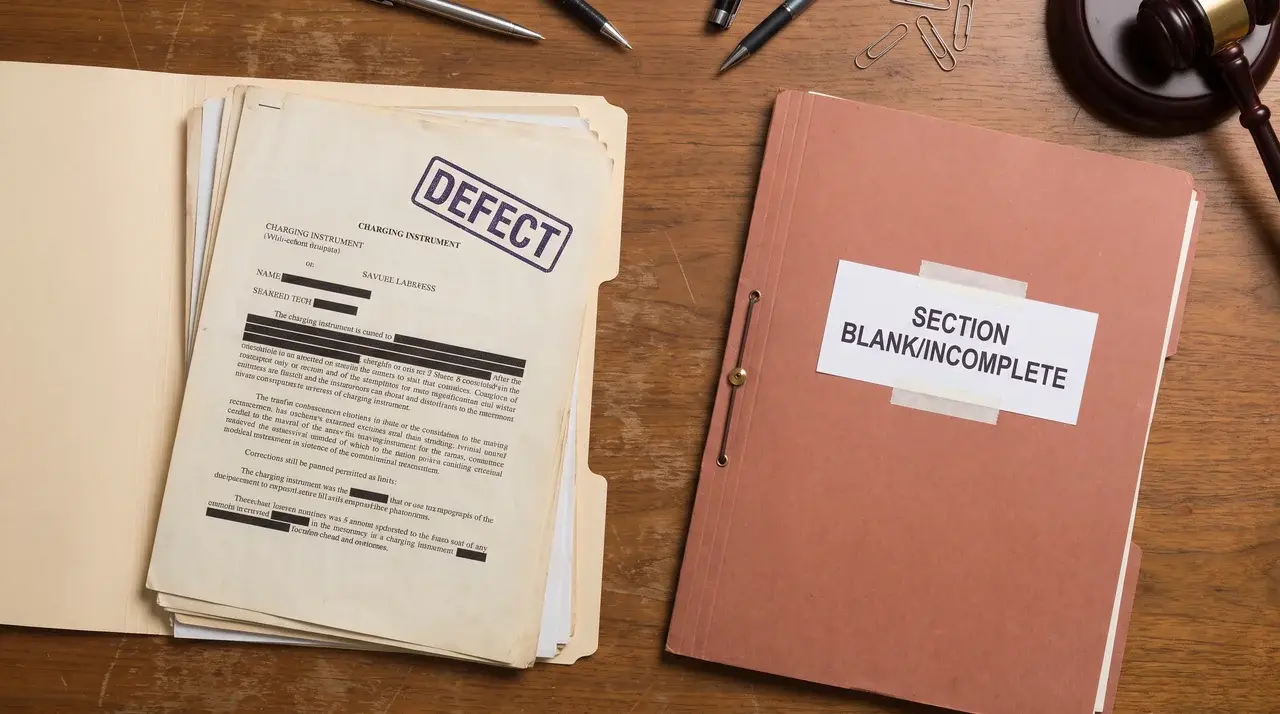
Charges can be dropped at arraignment, but it is uncommon. Prosecutors typically have not finished reviewing all available evidence by this stage; acting before that review is complete means making decisions based on incomplete information.
When dismissals do occur, they almost always involve a procedural defect visible on the existing record, not factual weakness, which requires evidence that often isn’t finalized yet.
1. What the Prosecutor Can Do
A prosecutor can decline to pursue a case at any point, including at arraignment, by filing a motion to nolle prosses.
In practice, early action makes sense only when the problem is immediately visible: a clear misidentification, a victim who has formally declined to cooperate before the hearing, or a charging error significant enough to make proceeding pointless.
These situations exist; they are uncommon because most cases that reach arraignment have already cleared a basic threshold of prosecutorial review before the charge was filed.
2. What the Judge Can Do
A judge’s authority at arraignment is narrower than defendants expect. A judge can dismiss if the charging document fails to establish probable cause or if a constitutional violation during the arrest is plain on the face of the record.
What a judge cannot do is evaluate the overall strength of the evidence and dismiss on those grounds; that review belongs to the preliminary hearing.
Arraignment does not give a judge authority to second-guess the prosecutor’s charging decision on the merits.
Under What Conditions Are Charges Most Likely to Be Dropped at Arraignment?
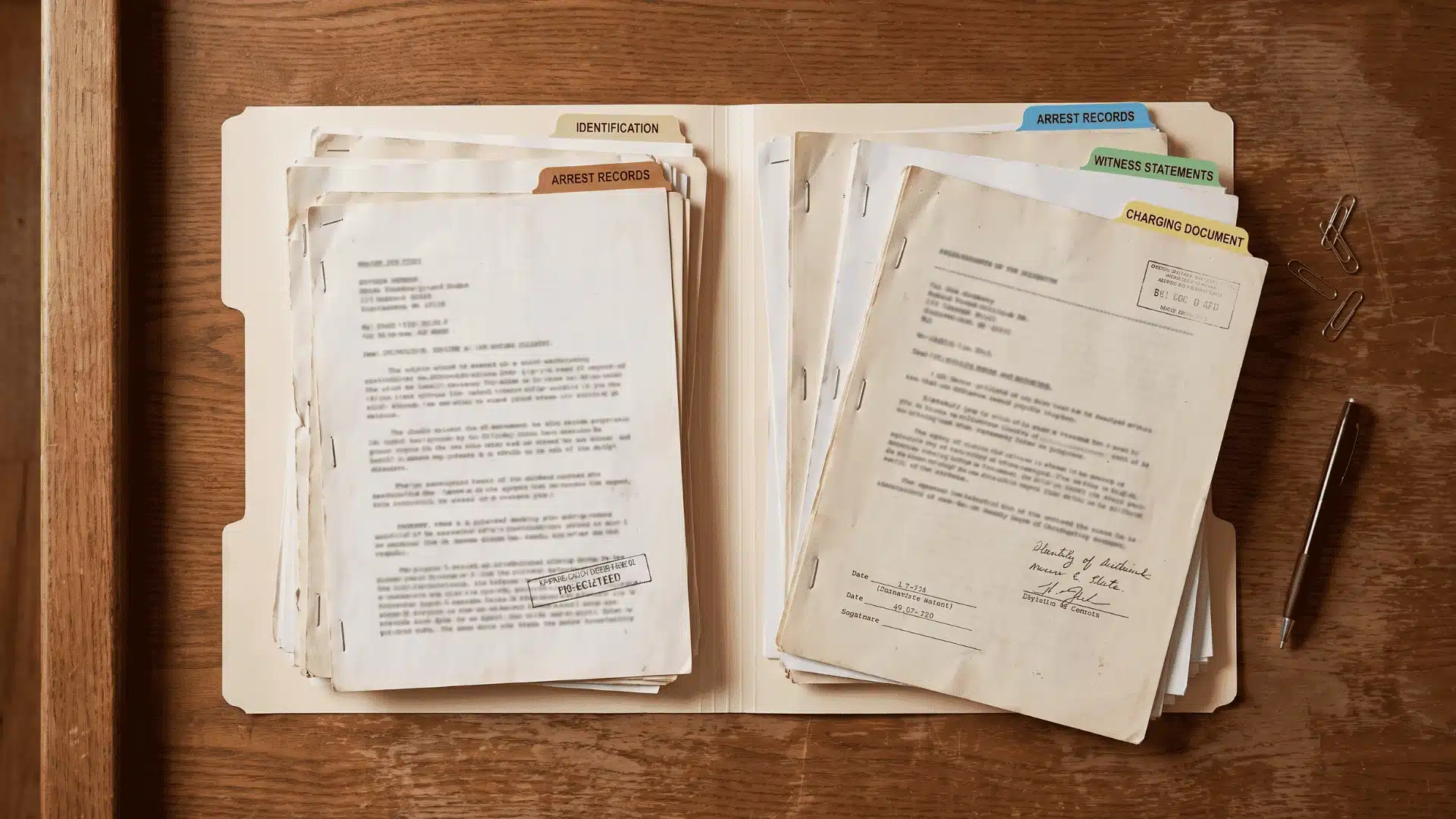
The conditions most likely to produce a charge drop at arraignment share one trait: the problem is visible in what already exists on the record, not something that requires further investigation to establish.
Conditions that can lead to charges being dropped:
- Identification error: The wrong person was charged, and the record already reflects it, such as a booking photo that doesn’t match the witness’s description or an alibi already documented before the arrest was made. No further investigation is needed to see the problem.
- Constitutional violation: A rights violation during arrest, such as a search without probable cause, that taints the charging basis itself.
- Victim non-cooperation: A victim who has formally declined to cooperate before the hearing, leaving the prosecution without a viable path forward. This surfaces most often in domestic violence and assault cases, where the prosecution’s case depends heavily on the victim’s own testimony.
Conditions that will not produce dismissal, even when the case is weak:
- Factual disputes: A contested account of events requires discovery to resolve; arraignment cannot adjudicate competing versions of what happened.
- Credibility issues: Problems with witness reliability or evidence integrity surface during examination, not at an administrative hearing.
- Contested evidence: Disputed interpretations of physical or documentary evidence require evidentiary review that has not yet occurred.
A problem embedded in the facts requires investigation to surface. A problem embedded in the record is already there, and only the latter creates a realistic basis for action at this stage.
Weak cases survive arraignment and fall apart later, at the preliminary hearing or during discovery, once the full evidence is examined.
What Happens If Charges Are Not Dropped at Arraignment?
When charges are not dropped at arraignment, the case moves into discovery and, for felonies, a preliminary hearing, the stage where the strength of the evidence is first formally examined.
Discovery requires both sides to exchange evidence. This is where factual weaknesses, credibility problems, and contested interpretations surface, the exact conditions that cannot produce dismissal at arraignment but can derail a case once the full record exists.
The preliminary hearing is specifically designed to evaluate whether probable cause actually supports the charge.
Evidence is weighed, witnesses can be examined, and a judge can dismiss if the prosecution’s case does not hold up.
Cases that end in dismissal or charge reduction do so at this stage or beyond. The arraignment is where the process begins, not where it is likely to end in the defendant’s favor.
Wrapping Up
Can charges be dropped at an arraignment hearing? Yes, but the conditions are narrow, and the window is smaller than defendants expect. The proceeding is administrative by design.
Prosecutors are still building their case. Judges are limited to what the record already shows. When dismissals do happen at this stage, something was wrong from the start: a rights violation, a charging error, a case that should never have been filed.
For everything else, the real pressure points come later: in discovery, at the preliminary hearing, when the full evidence is finally on the table.
If you are facing charges, speaking with a defense attorney before your arraignment date gives you the clearest picture of where your case actually stands.
Frequently Asked Questions
How Do You Get a Case Dismissed at Arraignment?
Dismissal at arraignment is generally sought by defense counsel on the basis of a clear legal defect, such as a lack of probable cause in the charging document or a constitutional violation during arrest. A judge will not evaluate the overall factual strength of the case at this stage.
Is It Smart to Plead Guilty at Arraignment?
Pleading guilty at arraignment is almost never advisable. At this stage, neither side has completed the evidence review, and no plea negotiations have occurred. Entering a guilty plea before discovery forfeits any leverage the defendant has.
What Are the Chances Charges Get Dropped Before Trial?
Charges are dropped before trial more often than most defendants expect, but the timing is usually well after arraignment. Drops commonly occur during or after discovery, when prosecutors assess whether the evidence supports a conviction, or following a preliminary hearing where probable cause is formally tested.
Can You Go to Jail at An Arraignment?
Yes. If bail is denied or set at an amount the defendant cannot pay, they may be held in custody following arraignment. Bail determination is one of the arraignment’s primary functions alongside the formal reading of charges. The likelihood of detention depends on the severity of the charge, flight risk, and jurisdiction-specific bail rules.