
ABOUT THE AUTHOR




When I see someone facing a DUI charge, the first concern is often whether it is treated as a felony or a misdemeanor under the law. I have noticed that DUI cases rarely follow one fixed path because factors like past convictions, injuries, passengers, and state rules can change the outcome. A simple traffic stop can become more serious when certain details raise the severity of charges and bring greater legal consequences than a typical case. I want to explain what separates misdemeanor and felony DUI charges so you can see how different circumstances may affect the outcome and next steps. Is DUI a Felony or a Misdemeanor? A felony is a crime punishable by more than 1 year in prison, while a misdemeanor typically carries a maximum sentence of less than 1 year, usually served in county jail rather than state prison. That distinction, not the label “DUI” itself, determines how the charge is treated. States write their own DUI statutes, and most of them default to misdemeanor treatment for a first offense. That pattern isn’t unique to DUI cases. Assault felony classification rules follow the same logic: the underlying conduct matters less than the specific aggravating facts a prosecutor can prove, whether that’s a weapon involved, an injury caused, or the age of the victim. A DUI works the same way. Two drivers with identical BAC readings can walk away with very different charges depending on whether anyone got hurt or whether either driver has a record. Is Drunk Driving a Felony? Drunk driving can be a felony, but the charge usually depends on the driver’s record and what happened during the incident. A first offense without injuries is commonly handled as a misdemeanor. Felony charges are more likely when the driver has multiple prior convictions, causes serious […]

Trespassing sounds like a minor property dispute, but the charge can become serious faster than people expect. I think the confusion comes from how differently states define restricted property, warnings, intent, and prior offenses. So, is trespassing a felony? In most cases, it is charged as a misdemeanor, especially when someone enters or stays on property without permission. However, criminal trespass may become a felony when the incident involves a home, critical infrastructure, a weapon, property damage, repeated violations, or another crime. The penalty depends on where the event happened and what the person allegedly did. Understanding these details can help you see why two similar situations may lead to very different charges, fines, probation terms, or possible jail time. Is Trespassing a Felony? Trespassing is usually not a felony. In many cases, it is treated as a misdemeanor or another lower-level offense. However, states use different classification systems, so the charge may be called a misdemeanor, petty misdemeanor, violation, infraction, or a numbered degree. A felony charge generally requires additional facts beyond simply entering or remaining on property without permission. These may include entering a specially protected location, carrying a weapon, causing serious damage, or having prior qualifying convictions. The exact penalty also depends on the state statute and the facts of the case. Someone who ignores a posted warning may face a much different charge than someone who enters restricted property while armed. Always check the law in the state where the incident occurred. What Makes Trespassing a Criminal Offense? Criminal trespass happens when someone knowingly enters or stays on another person’s property without permission. The word knowingly is important because the person must understand that they are not allowed to be there. That knowledge may come from a posted sign, a locked fence, a direct warning, or […]

Property crime affects millions of people. You might think it will not happen to you, but it often does. It shows up quietly, sometimes without any clear sign at first. A scratched car in a parking lot, a missing package at your door, or a broken shop window nearby. These moments feel small, but they add up quickly. Reports show a drop in property crime, which sounds positive at first. But there is more to it. Only about 30% of incidents are reported, which means most cases never appear in official records. This gap can create problems later. When something goes unreported, it becomes harder to claim losses or prove what happened. Even a small issue can turn serious over time. Understanding property crime helps you stay aware. You can spot risks early, avoid common mistakes, and protect what matters more effectively. What is Property Crime? Property crime is the illegal taking, damaging, or destruction of someone else’s property without their permission. The focus remains on belongings, homes, vehicles, or businesses. In simple terms, it means something is taken or damaged without consent. If someone hits you, that is a crime against a person. But if someone breaks into your car and steals your wallet, that’s a property crime. The attention stays on what was taken or damaged, not the person. Not every loss counts. Accidents do not fall into this category; what matters is intent. The act usually involves a clear decision to steal, damage, or obtain something unlawfully. There is one important detail to understand. Robbery is often confused with this category. It involves taking property, but it also includes force or threat. Because of that, it is treated as a violent offense rather the as other property-related acts. Types of Property Crime You Should Know This is […]

A criminal charge can look like a few words on paper, but those words can change the rest of a person’s life. The difference between a felony and a misdemeanor is not just about jail time. It can affect where a sentence is served, what rights are lost, how future employers see the record, and whether one mistake follows someone for years. That is why this distinction matters before a plea, court date, or rushed decision. Some charges may seem minor until prior convictions, state rules, or aggravating factors raise the stakes. Others may look serious but carry options that are not obvious at first. Felonies, misdemeanors, and infractions each carry different risks, and knowing those differences can change what happens next. Felony vs. Misdemeanor: What is the Difference? Felonies and misdemeanors are distinguished primarily by the severity of punishment, with felonies carrying longer incarceration periods and more significant long-term consequences. Category Felony Misdemeanor Potential sentence More than 1 year of incarceration 1 year or less of incarceration Sentence location State or federal prison County or local jail Federal definition Punishable by death or imprisonment exceeding 1 year Generally punishable by 1 year or less Severity More serious offense Less serious offense Long-term consequences Greater impact on civil rights, housing, employment, licensing, and firearm ownership Usually, fewer long-term consequences While state laws may vary, most jurisdictions follow this framework, making the length and place of incarceration key factors in distinguishing felonies from misdemeanors. How Felony and Misdemeanor Charges Are Classified Most states divide felonies into classes or degrees, such as Class A through E or First Degree through Third Degree. The highest class or degree carries the longest prison term. Misdemeanors are usually ranked the same way, with Class A as the most serious and lower classes carrying shorter jail […]

One moment, everything seems normal. The next, a phone call, a knock at the door, or a notice from law enforcement changes everything. Few situations leave parents feeling more overwhelmed than learning their child is involved in the juvenile justice system. Questions come fast, answers are hard to find, and every decision suddenly feels critical. What makes the situation even more challenging is that juvenile court operates differently from the adult criminal system. The rules, procedures, and potential outcomes are often unfamiliar, leaving families uncertain about what happens next or how to protect their child’s future. Understanding the process early can make a significant difference in how a case unfolds and the options available moving forward. In this blog, I’ll explain juvenile lawyers, court procedures, common charges, adult transfers, legal rights, and defense strategies. What Does a Juvenile Lawyer Do? A juvenile lawyer is a criminal defense attorney who handles cases involving minors. They understand how juvenile court works, including its rules, terms, hearings, and possible outcomes. Their job is to review police reports, witness statements, and evidence to find weak points in the case. They also protect the child’s rights if there are issues like an unlawful search, improper questioning, or unfair treatment. A juvenile lawyer can represent a minor during detention hearings, adjudicatory hearings, and sentencing. They may also negotiate for better outcomes, such as diversion, informal adjustment, reduced charges, or plea deals that limit damage to the child’s record. If the case could move to adult court, they work early to prevent that. They also guide families through each step so the process feels less confusing. How Does the Juvenile Court System Work? The juvenile justice system focuses on rehabilitation rather than punishment. Courts consider factors such as home environment, mental health, school performance, and potential for […]

A missed meeting, a failed test, an unpaid fee, or a new charge can turn probation into a serious court problem fast. It can leave you scared, unsure, and worried about what may happen next. The fear often comes from not knowing whether the judge will give another chance or order jail time. That pressure can make every step feel urgent. A probation violation lawyer can help you understand the issue, protect your side, and prepare before the hearing. Today, I’ll cover what may count as a probation violation, what usually happens after a violation is reported, what the court may look at, and when legal help may matter most. You will also get a clearer idea of what to do before speaking in court or making the situation worse. What Counts as a Probation Violation in Colorado? A probation violation happens when a person does not follow one or more conditions ordered by the court. Some violations are more serious than others, but all can lead to a court hearing. Common examples include missing a scheduled meeting with a probation officer or failing a required drug or alcohol test. A new arrest or criminal charge while on probation can also create problems, even if the new case has not been resolved yet. Many people are required to attend treatment programs, counseling sessions, or educational classes. Missing these requirements may be treated as a violation. Financial obligations matter as well. Failing to pay court fines, fees, or restitution can raise concerns with the court. Another common issue is traveling outside an approved area without permission from the probation officer or judge. What is Informal Probation? Informal probation, also called unsupervised, administrative, or summary probation, is a less restrictive form typically given to low-risk individuals, such as first-time offenders or those […]

One store stop can follow you long after you leave the parking lot. If loss prevention stopped you, you may now be holding a citation, waiting for a court date, or replaying what happened after police arrived. A shoplifting charge is not just a store problem. It can affect your record, job options, school plans, housing applications, and future background checks. I have seen how one rushed decision after an accusation can make a legal matter harder to fix later. This post explains what shoplifting means under the law, how charges usually begin, what penalties may follow, and when a shoplifting attorney can help protect your rights before the case moves too far. Instead of guessing what comes next, use this as a clear starting point. What is Shoplifting? Shoplifting is taking, hiding, carrying away, or trying to leave a store with items without paying for them. It can also include switching price tags, using a fake barcode, under-ringing items at self-checkout, or putting products in a bag with no plan to pay. The value of the item can affect how serious the charge becomes. A low-value item may lead to a lesser charge, while higher-value goods can bring stronger penalties. Store security, video footage, receipts, witness reports, and the person’s actions inside the store can all become part of the case. Even when the item is returned, the charge may not disappear on its own. What Does Shoplifting Mean Under the Law? Most states do not treat shoplifting as a standalone crime. It falls under general theft statutes, which define theft as knowingly obtaining or exercising control over another person’s property without authorization and with intent to permanently deprive the owner of it. In practical terms, that covers more than walking out of a store with unpaid merchandise. The […]
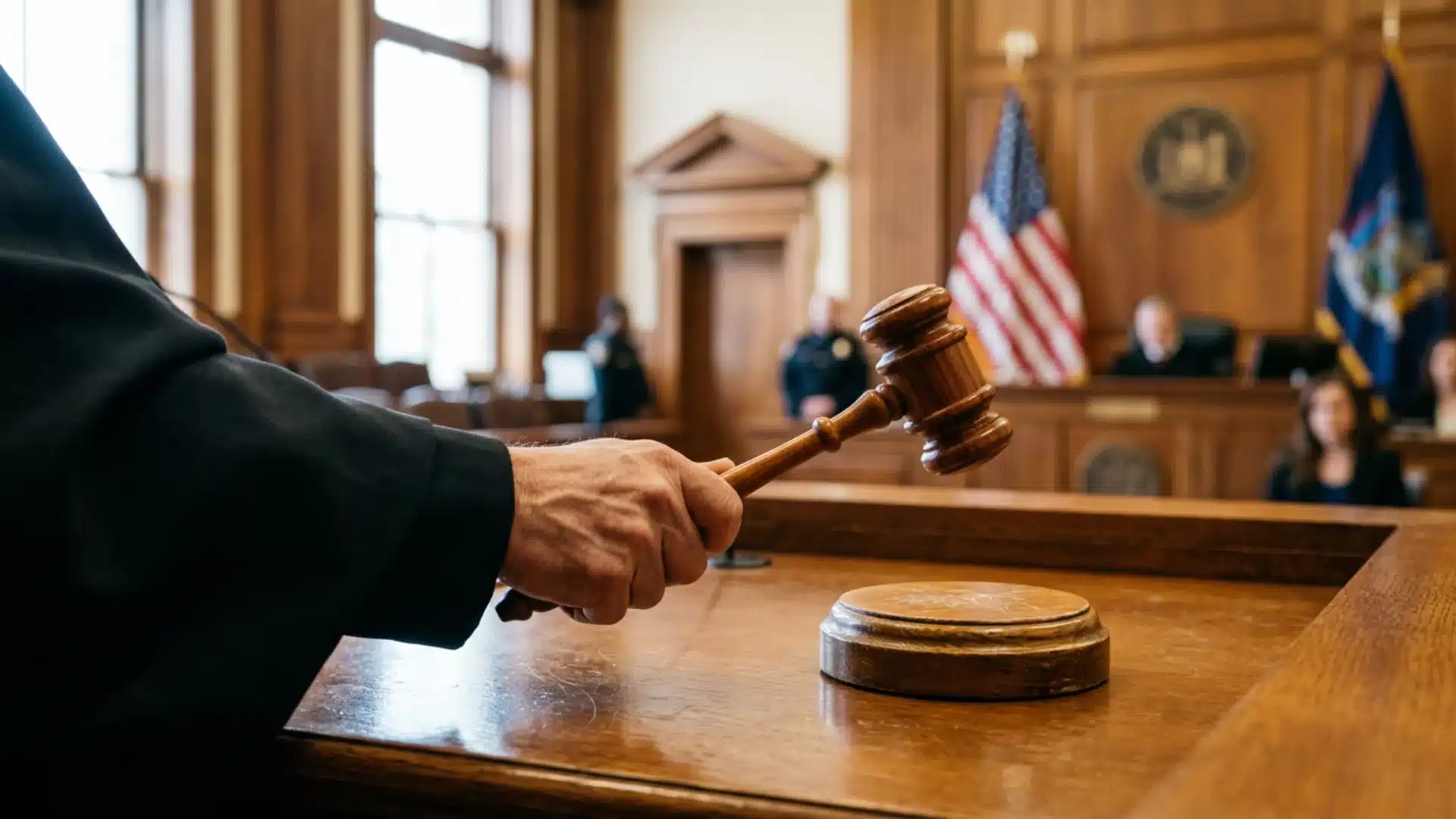
If you’re wondering what happens after an indictment, you’re not alone. An indictment is a formal criminal charge, not proof of guilt. Understanding what comes next can help you make sense of the process and the decisions ahead. When I first started learning about criminal cases, one of the biggest misconceptions I encountered was that an indictment meant the case was already over. In reality, understanding what it means to be indicted is only the beginning. After an indictment, a case typically moves through several stages, including arrest or surrender, arraignment, bail hearings, exchange of evidence, pretrial motions, and potentially a plea deal or trial. Knowing the difference between indicted vs convicted is critical because an indictment starts a case, while a conviction is reached only after guilt is established through the legal process. What Does Being Indicted Mean? An indictment is a formal criminal accusation issued by a grand jury after it finds enough evidence to support charges. The grand jury reviews evidence the prosecutor presents and decides whether probable cause exists. If so, it returns a “true bill.” If not, it returns a “no bill,” and no charges are filed. At the federal level, the Fifth Amendment requires most felony charges to come from a grand jury indictment. State procedures vary, some allow prosecutors to file charges directly through a complaint or information instead. Grand jury proceedings are also secret. Because only the prosecutor presents evidence, the accused generally cannot testify, present a defense, or cross-examine witnesses. That is why indictments are issued at the probable cause standard, not proof beyond a reasonable doubt. Indicted vs. Convicted: Why the Difference Matters Being indicted and being convicted are not the same thing, though the two are commonly confused. An indictment moves a case forward. A conviction decides it. Indicted Convicted Issued […]

Getting released from jail may seem as simple as paying the amount a judge sets. I used to think the same until I realized the process involves far more than having enough money. The biggest challenge is often gaining access to your funds while you’re already in custody. Questions like can you bail yourself out of jail, can I bail myself out, and can you pay your own bail usually come up only after someone is arrested and needs answers quickly. The answer depends on how bail is set, what payment methods the jail accepts, and whether you can complete the process without outside help. Understanding the process can help you know what to expect and what options may be available. Can You Bail Yourself Out of Jail? Yes, a person who has been arrested can legally pay their own bail. The money does not have to come from a friend, family member, or bail bondsman. When people ask, “Can I bail myself out?” they may think there is a special process for self-release. There is not. The same bail rules apply, but the arrested person provides the payment instead of someone else. The confusion usually comes from what happens in most cases. Friends, relatives, or bondsmen often handle the payment because the person in custody may not have access to cash, cards, or bank accounts. So, paying your own bail is legally possible. The harder part is arranging the payment while you are still in jail and have limited access to your money or outside help. Why It’s Harder Than It Sounds Nothing in the law stops you from paying your own bail. The problem is what happens to your money the moment you’re arrested. Why You Can’t Just Use the Cash You Have On You If you had […]

A courtroom victory can feel final, especially after months of stress, uncertainty, and legal costs. I have seen that relief turn into confusion when someone learns an acquittal does not erase every consequence. The definition of acquittal is simple on the surface, but its legal effect depends on the case and what may happen next. If you are asking what “acquitted” means in court, the answer starts with the prosecution failing to prove guilt beyond a reasonable doubt. But does acquitted mean not guilty in every practical sense? Not always. Criminal charges may end, while civil claims, employment issues, or public records can remain. Knowing that difference helps you fully understand what the verdict protects and what it does not. Acquittal Definition: What Does Acquitted Mean in Court? An acquittal is the court’s formal decision that a defendant is not guilty of a specific criminal charge. In a jury trial, the jury returns a not-guilty verdict, and the judge records the acquittal. During a bench trial, the judge reviews the evidence, decides the verdict, and enters the acquittal without a jury. A judge may also enter a judgment of acquittal before the trial ends when the prosecution has not presented enough evidence to legally support a conviction. Once an acquittal is entered, the criminal case involving that charge ends, and prosecutors generally cannot try the defendant again for the same offense. A hung jury does not have the same result because no verdict is reached, allowing prosecutors to seek another trial. Legal Effects of an Acquittal An acquittal formally clears the defendant of a specific criminal charge and brings that part of the case to an end. Its main legal effects include: Formal release from the charge: The defendant is no longer facing conviction or punishment for the charge covered […]