
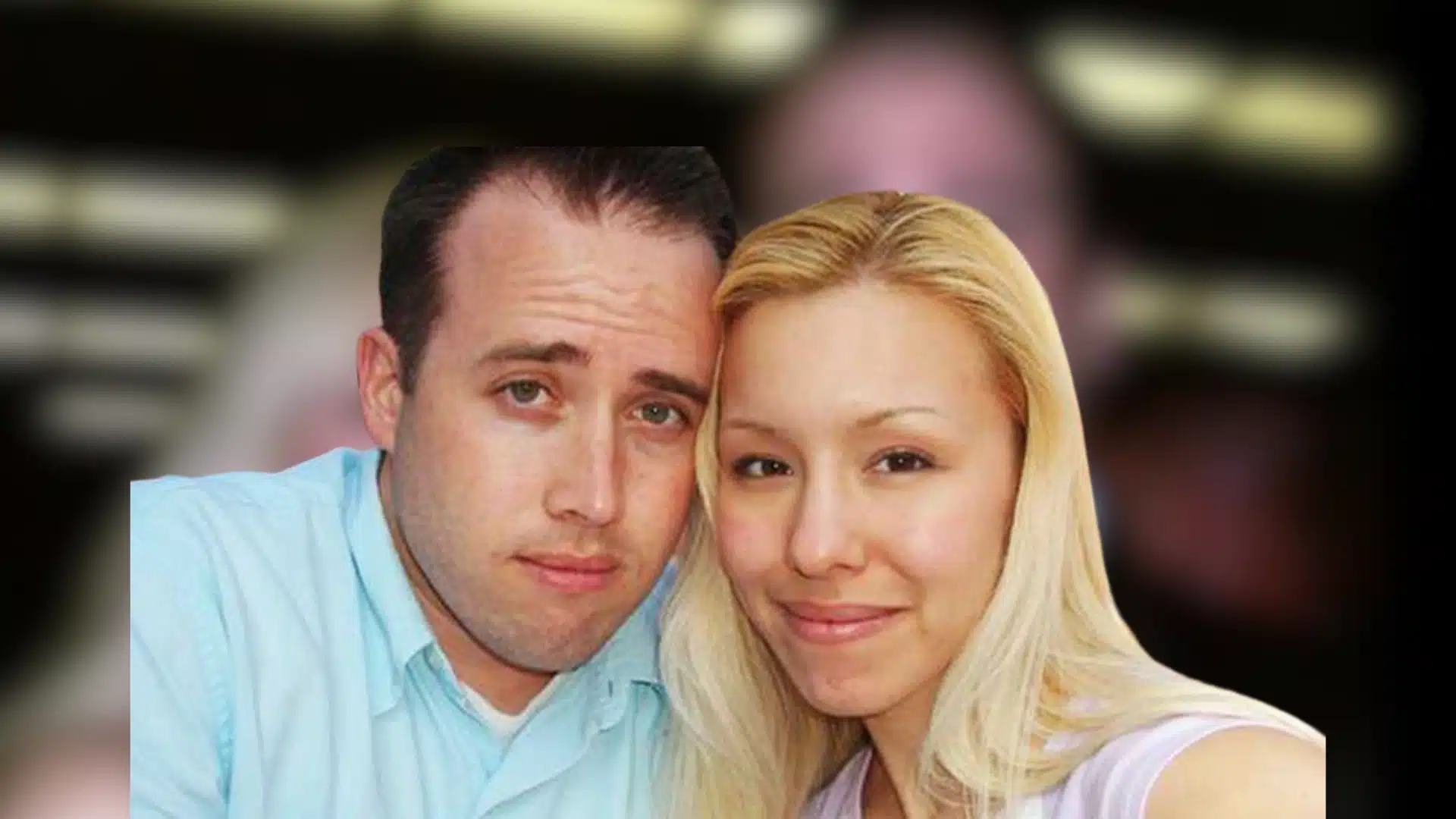
Travis Alexander’s murder is one of those true crime cases that still makes people stop and ask how things went so far.
What looked like a broken relationship turned into a shocking crime, a long trial, and years of public debate.
At the center of it all was Jodi Arias, who first denied being involved, then changed her story more than once. So, why did Jodi Arias kill Travis, and what really happened before his death?
Ahead, you will get a clear look at who Travis was, how he knew Jodi, what happened inside his Arizona home, and why the trial became such a huge part of true crime history.
The case is dark, but the story behind it is important to understand.
Who Were Jodi Arias and Travis Alexander?
Travis Alexander was born in 1977 in Riverside, California. By his late 20s, he had become a motivational speaker and sales executive living in Mesa, Arizona.
His friends described him as charismatic and socially active. He was also a devout member of The Church of Jesus Christ of Latter-day Saints.
Jodi Arias was born in 1980 and grew up in California. She had worked in the restaurant industry and had a history of intense romantic attachments.
She and Alexander met at a work convention in Las Vegas in September 2006. According to trial testimony, she ended a long-term relationship shortly after and pursued Alexander with significant urgency.
How Did Their Relationship Lead to the Murder?

Alexander and Arias became involved romantically and sexually almost immediately after meeting. Their relationship had a contradictory quality from the beginning.
He introduced her to his Mormon faith, and she converted. At the same time, they maintained a sexually explicit relationship that was at odds with the values of that faith.
The two officially ended their romantic relationship in mid-2007, about five months after it began. Alexander’s friends later testified that they had warned him about Arias.
They described her behavior as obsessive and told him she had been reading his text messages and had slashed his car tires, though this was not formally proven at trial.
By early 2008, Alexander had begun making plans to move forward with his life. He had started dating another woman and was preparing for a trip to Cancun.
What Happened on June 4, 2008?
Based on evidence presented at trial, Arias arrived at Alexander’s home on the night of June 3 and stayed into the following day.
The two took photographs together that afternoon, including images of Alexander alive in the shower.
The time-stamped photos from his digital camera later became central evidence in the case. At some point after those photographs were taken, the violence began.
Alexander sustained a gunshot wound to his forehead from a .25 caliber pistol, 27 stab wounds, and a near-decapitation from a deep cut to his throat.
His body was discovered on June 9, 2008, when friends asked for a welfare check after he missed a commitment. He was found in his shower.
Key Evidence that Placed Jodi Arias at the Crime Scene
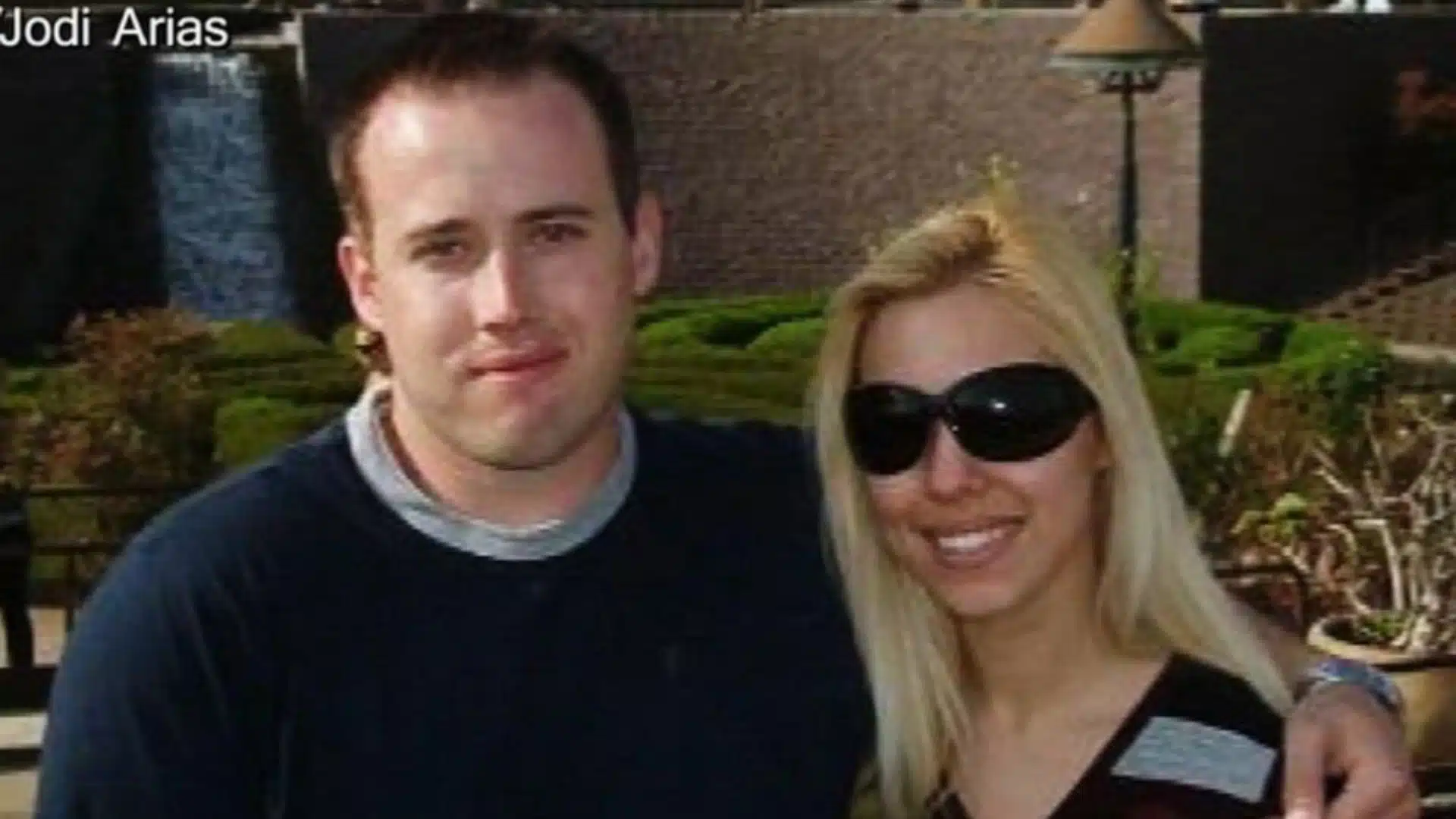
1. Forensic Evidence at the Scene
Travis Alexander’s body was discovered on June 9, 2008, after friends became worried when they could not reach him.
Investigators found blood throughout the bathroom, along with defensive wounds on Travis’s hands that suggested he fought back during the attack.
One of the most damaging discoveries was a digital camera hidden inside the washing machine.
Forensic experts recovered deleted images showing Travis alive in the shower on June 4, followed by photos connected to the attack itself.
Investigators also matched a bloody palm print on the bathroom wall directly to Jodi Arias.
2. Arias’s Changing Stories
Jodi Arias initially told investigators she had not seen Travis Alexander for months before his death.
However, cell phone data and forensic evidence quickly contradicted that claim and placed her in Mesa, Arizona, on June 4, 2008.
As the investigation continued, Arias changed her story several times, eventually claiming masked intruders killed Travis before later arguing self-defense.
Prosecutors used these shifting explanations to cast doubt on her credibility in front of the jury.
CBS News covered testimony about Arias’s behavior after the killing, which helped show how prosecutors framed her actions after leaving Arizona.
From a legal perspective, inconsistent statements often damage a defense because they suggest a person is attempting to hide facts rather than tell the truth.
3. Signs the Murder Was Planned
Prosecutors argued the killing showed clear signs of premeditation rather than a sudden emotional act.
Before traveling to Arizona, Arias rented a car in California and specifically requested a light-colored vehicle that would attract less attention.
Investigators noted her phone was turned off while she was in Arizona and turned back on only after she reached Utah.
Prosecutors further linked the crime to a stolen .25-caliber handgun connected to Arias’s grandparents’ home shortly before the murder.
Why Jodi Arias’s Self-Defense Claim Failed in Court?

Jodi Arias claimed she killed Travis Alexander in self-defense after he attacked her for accidentally dropping his camera.
During 18 days of testimony, she said she ran to his closet, found a gun, shot him, and later had no memory of stabbing him.
She also alleged years of physical and psychological abuse, framing the killing as the desperate act of a battered woman.
The jury rejected that claim because the evidence did not support an immediate, proportionate response. Travis had stab wounds, including wounds to his back, which did not match a simple defensive struggle.
Prosecutors also pointed to the stolen, the planned road trip, and Arias’s three changing stories. In 2020, the Arizona Court of Appeals upheld her conviction, citing overwhelming evidence of guilt.
What Was Jodi Arias’s Defense?
Jodi Arias built her defense around claims of abuse and self-defense. During her testimony, she described alleged physical and emotional mistreatment by Travis Alexander.
Long testimony can help a defendant appear human, but it also gives prosecutors more room to expose contradictions.
Arias also introduced explicit phone recordings, domestic violence claims, and serious accusations against Alexander, including allegations of pedophilia.
Those claims were central to her attempt to portray the killing as a desperate response from an abused woman. Still, the jury did not find her version credible.
The forensic evidence, Travis’s extensive injuries, and signs of planning weighed heavily against her story.
In self-defense cases, the physical facts must support the account. Here, prosecutors argued they did the opposite, and the jury agreed.
Jodi Arias Trial: From Arrest to Life Sentence
The Jodi Arias trial became one of America’s most heavily followed murder cases because of its graphic evidence, emotional testimony, and nonstop media coverage.
- Arrest Timeline: Arias was arrested in July 2008 after investigators connected forensic evidence and inconsistent statements to the murder.
- Lengthy Trial: The legal battle lasted 7 years, culminating in her conviction in 2013 and sentencing in 2015.
- Media Attention: Explicit recordings, courtroom arguments, and disturbing crime scene details turned the case into a national obsession.
- Death Penalty Deadlock: Two separate juries failed to agree on the death penalty, preventing prosecutors from securing an execution.
- Final Sentence: Judge Sherry Stephens sentenced Arias to life without parole, and she remains imprisoned at Arizona State Prison Complex – Perryville.
Understanding how sentences are structured in serious criminal cases helps explain why a life-without-parole outcome, rather than a lesser sentence, reflects the severity of the premeditation finding.
Conclusion
Jodi Arias killed Travis Alexander out of jealous obsession after their volatile relationship ended.
Despite self-defense claims, overwhelming physical evidence and premeditated actions led to her first-degree murder conviction and life sentence.
As a criminal defense attorney, I’ve learned that cases like this highlight the critical importance of boundaries and seeking help in toxic dynamics.
Evidence, not emotion, decides outcomes in court. What stands out most to you about the Jodi Arias case? Share in the comments.
Frequently Asked Questions
Did Jodi Arias Know Travis Alexander Before 2006?
No. Public case records and trial coverage link their first meeting to a 2006 work convention in Las Vegas. There is no known evidence that they had a close relationship before that.
Why Did the Jodi Arias Case Get so Much Media Attention?
The case drew huge attention because it mixed a violent murder, a troubled relationship, changing statements, and emotional courtroom testimony. The trial was also televised, which made the public follow it closely.
Where is Jodi Arias Today?
Jodi Arias is serving life without parole at Arizona State Prison Complex – Perryville after her 2015 sentencing for first-degree murder.