

The Barry Morphew case is the kind of case that makes an attorney slow down before reaching any conclusion.
On the surface, it has the elements that draw national attention: a missing wife, a husband under suspicion, a prosecution that failed once, and new evidence that brought the case back into court.
But legally, this case is not about headlines or public opinion.
It is about whether prosecutors can take a complicated set of facts and turn them into proof beyond a reasonable doubt. That is what makes the Morphew case so important to understand.
It is not just a story about what may have happened to Suzanne Morphew.
It is also a case about evidence, timing, forensic findings, and the pressure courts face when the public wants answers before a jury ever hears the full case.
What Happened in the Barry Morphew Case?
ImageSource: Oxygen
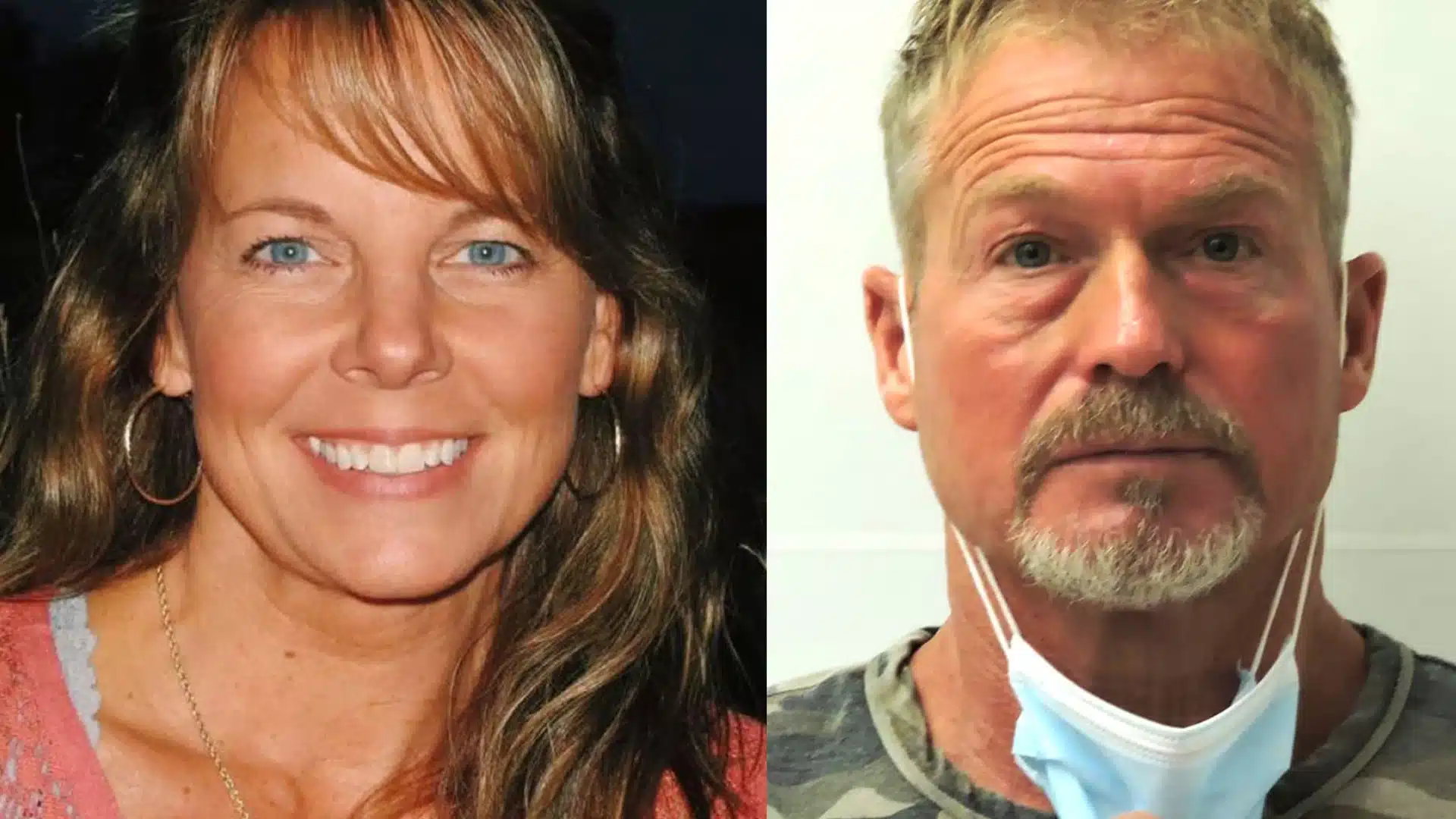
Suzanne Morphew was reported missing on May 10, 2020, after she did not return from a solo bike ride near her home in Maysville, Colorado.
Barry Morphew said he was working in Broomfield, about three hours away. A large search across Chaffee County followed, with volunteers, law enforcement, and cadaver dogs, but Suzanne was not found.
Investigators focused on Barry early. Prosecutors later disputed his alibi using cell phone data and witness statements, placing him near the area around the time Suzanne disappeared.
Prosecutors also allege Suzanne had been in a two-year affair and wanted a divorce.
Four days before she vanished, she texted Barry, “I’m done,” which became key motive evidence.
Barry was arrested on May 5, 2021, and charged with first-degree murder, tampering with a deceased human body, tampering with physical evidence, and ballot fraud.
The ballot charge related to allegations that he forged Suzanne’s signature on a mail-in ballot after her disappearance.
Barry Morphew Case: Timeline and Major Updates
The Barry Morphew case has remained one of Colorado’s most closely followed criminal investigations since Suzanne Morphew disappeared in 2020.
The timeline below highlights the major developments, including searches, arrests, court rulings, the finding of remains, and upcoming trial proceedings.
| Date | Event |
|---|---|
| May 10, 2020 | Suzanne Morphew Was Reported Missing near Salida, Colorado. |
| May 2020 – Early 2021 | Multiple Searches Were Conducted at the Morphew Property and Nearby Areas. |
| May 5, 2021 | Barry Morphew Was Arrested on Murder and Related Charges. |
| May 2021 – March 2022 | Pretrial Hearings Focus on Evidence Disputes. |
| April 19, 2022 | Charges Dismissed After Prosecutorial Discovery Violations. |
| 2023 – 2024 | Da Linda Stanley Disbarred; Two Prosecutors Publicly Censured. |
| September 22, 2023 | Suzanne Morphew’s Remains Were Found near Moffat, Colorado. |
| April 2024 | Autopsy Rules Death a Homicide Linked to Bam Intoxication. |
| September 2024 | Barry Morphew’s $15 Million Lawsuit Was Dismissed. |
| June 18, 2025 | Grand Jury Indicts Barry Morphew for First-Degree Murder. |
| June 20, 2025 | Barry Morphew Was Arrested in Arizona and Returned to Colorado. |
| September 2025 | Barry Morphew Was Released on a $3 Million Bond Under House Arrest. |
| January 12, 2026 | Barry Morphew Enters a Second Not Guilty Plea. |
| October 13, 2026 | Trial Scheduled to Begin. |
The Evidence Against Barry Morphew
The prosecution’s case rested almost entirely on circumstantial evidence, which is not unusual in murder cases but does raise the bar considerably for what investigators need to prove.
Understanding how a case goes to trial helps clarify why prosecutors made the controversial decision to charge before Suzanne’s body was recovered.
Prosecutors relied heavily on circumstantial evidence, including:
- Cell phone data: Investigators said Barry Morpheus’ phone activity conflicted with his alibi and placed him near the Salida area when Suzanne disappeared.
- Cadaver dog alerts: Dogs trained to detect human decomposition alerted inside the morpheu’s home and near Barry’s work vehicle.
- Behavioral evidence: Investigators examined inconsistencies in Barry’s statements, movements, and actions before and after Suzanne’s disappearance.
- Marital and financial issues: Authorities also looked at marital problems, Suzanne’s affair, and a reported $1.55 million life insurance policy as possible motive-related evidence.
- Ballot fraud charge: Barry was accused of submitting a mail-in ballot in Suzanne’s name after she disappeared, which prosecutors argued showed consciousness of guilt.
- BAM tranquilizer findings: After Suzanne’s remains were found, forensic testing identified compounds linked to BAM, a wildlife tranquilizer mixture prosecutors later tied to the renewed murder case.
The Drug Allegedly Used in the Barry Morphew Case
One of the more specific details in the renewed prosecution is the presence of BAM,
A wildlife tranquilizer mixture made of butorphanol, azaperone, and medetomidine, in Suzanne Morphew’s remains.
The April 2024 autopsy ruled her death a homicide by undetermined means in the setting of that intoxication.
Prosecutors allege Barry had access to the restricted veterinary mixture, which is used to sedate large animals such as deer.
With Suzanne’s remains recovered, toxicology testing of the bones became possible. Prosecutors link Barry’s reported use of similar compounds in deer-related activity to the findings.
The defense is expected to challenge that connection and other interpretations of the evidence.
Barry Morphew has pleaded not guilty, and the case remains pending ahead of trial.
Why Were Charges Against Barry Morphew Dropped?
The April 2022 dismissal was filed “without prejudice,” which is a specific legal designation.
It means prosecutors retained the right to refile charges in the future if circumstances changed, such as new evidence coming to light.
A dismissal “with prejudice” would have permanently barred reprosecution.
The distinction matters enormously to Barry Morphew, the Morphew family, and how the case was understood publicly.
Prosecutors from the Chaffee County DA’s office cited discovery issues that led to the motion.
The defense rejected that account and maintained that prosecutors were unable to prove their case.
The dismissal exposed a deeper problem with the original case from the start: building a murder prosecution around the absence of a body, without forensic confirmation of the cause of death.
The Legal Controversies in the Barry Morphew Case
The Barry Morphew case generated serious legal debate on several fronts, most of which centered on the standards courts apply to criminal evidence.
The corpus delicti doctrine is the starting point. Under corpus delicti principles in criminal law.
the prosecution must establish that a crime actually occurred before a defendant’s statements or conduct can be used as evidence against them.
In a no-body murder case, this means proving death occurred and that it was caused by criminal means, without the primary physical evidence a body would provide.
Colorado courts have allowed no-body murder convictions, but the evidentiary bar is higher. Cadaver dog evidence was another contested area.
Barry’s defense team challenged the reliability and admissibility of the alerts.
How Media Outlets Covered the Barry Morphew Case
ImageSource: CBS NEWS
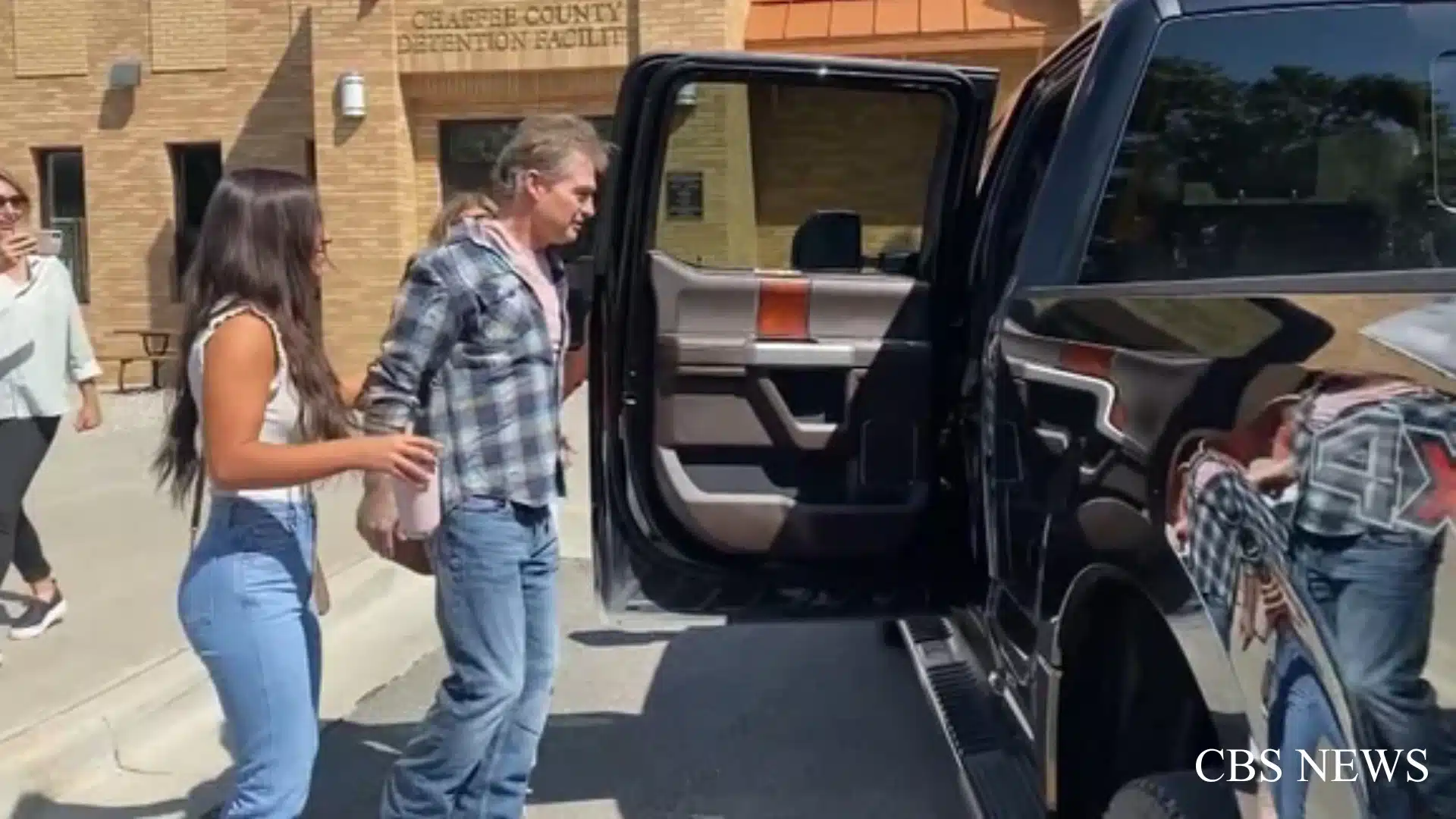
Media coverage of the Barry Morphew case followed a pattern common in high-profile criminal investigations: early coverage that implied guilt, confusion after the 2022 dismissal
Renewed attention after Suzanne Morphew’s remains were discovered.
Denver’s 9 News and The Denver Post provided extensive local reporting throughout the investigation and court proceedings.
National outlets, including People magazine, CBS News, and ABC News, focused on the alleged marital problems, Suzanne’s reported affair, and the prosecution’s circumstantial evidence.
True crime podcasts and online commentators also devoted significant coverage to the case, often presenting theories and timeline analyses before any trial.
The renewed indictment in 2025 brought national attention back to the case, particularly surrounding the autopsy findings and the BAM tranquilizer evidence.
Government and Judicial Views on the Barry Morphew Case
The Chaffee County District Attorney’s Office, then led by Linda Stanley, acknowledged the challenges of prosecuting a no-body homicide case built largely on circumstantial evidence.
The 2022 dismissal without prejudice drew criticism over discovery issues, expert witnesses, and pretrial disclosures.
Defense attorneys argued the state moved too aggressively before its evidence was trial-ready. Judicial rulings also weakened parts of the original case. The court excluded or limited several prosecution experts before trial.
After Suzanne Morphew’s remains were found and the 2024 autopsy identified BAM tranquilizer compounds, investigators reopened the case with stronger forensic support.
The renewed prosecution, now under different leadership and backed by grand jury findings, is moving toward the scheduled October 2026 trial while still facing intense public and legal scrutiny.
Latest Update on the Barry Morphew Case
Suzanne Morphew’s remains were found in 2023 in Saguache County, Colorado, more than three years after she disappeared.
Her autopsy later ruled her death a homicide by undetermined means, with the BAM wildlife tranquilizer chemicals found in her remains.
That forensic finding became central to the renewed case against Barry Morphew, who was indicted again in June 2025 and arrested in Arizona.
Prosecutors are now pursuing the case under new leadership following the 2022 dismissal.
Barry Morphew has pleaded not guilty to the renewed murder charge.
He remains presumed innocent unless convicted, and the case is moving toward trial, currently scheduled to begin on October 13, 2026.
Conclusion
The Barry Morphew case now centers on what the new evidence can prove in court.
Suzanne Morphew’s remains, the 2024 autopsy findings, and the alleged BAM tranquilizer evidence have changed the case.
Still, Barry Morphew has pleaded not guilty, and prosecutors must prove the charges beyond a reasonable doubt.
For Suzanne’s family, the trial may offer the clearest public account yet.
For everyone watching, the case shows how new forensic evidence can reshape a criminal prosecution years later.
What do you think will matter most at trial: the tranquilizer evidence, the alleged motive, or the earlier problems in the first prosecution? Share your thoughts in the comments.
Frequently Asked Questions
Did Barry Morphew Make Any Admissions in the Barry Morphew Case?
Barry Morphew made statements to investigators in the days after Suzanne disappeared that prosecutors believed were inconsistent, but he did not confess to her murder. His attorneys have consistently maintained his innocence.
Can Barry Morphew Be Charged Again After the Dismissal?
Yes. The charges were dismissed without prejudice. Prosecutors refiled via grand jury indictment in June 2025. Colorado has no statute of limitations on first-degree murder.
What is the Corpus Delicti Rule, and How Did It Apply Here?
The corpus delicti rule requires the prosecution to establish that a crime actually occurred before using a defendant’s own statements or conduct as evidence against them. In a case without a body, initially, prosecutors had to prove that death occurred by criminal means through other evidence.