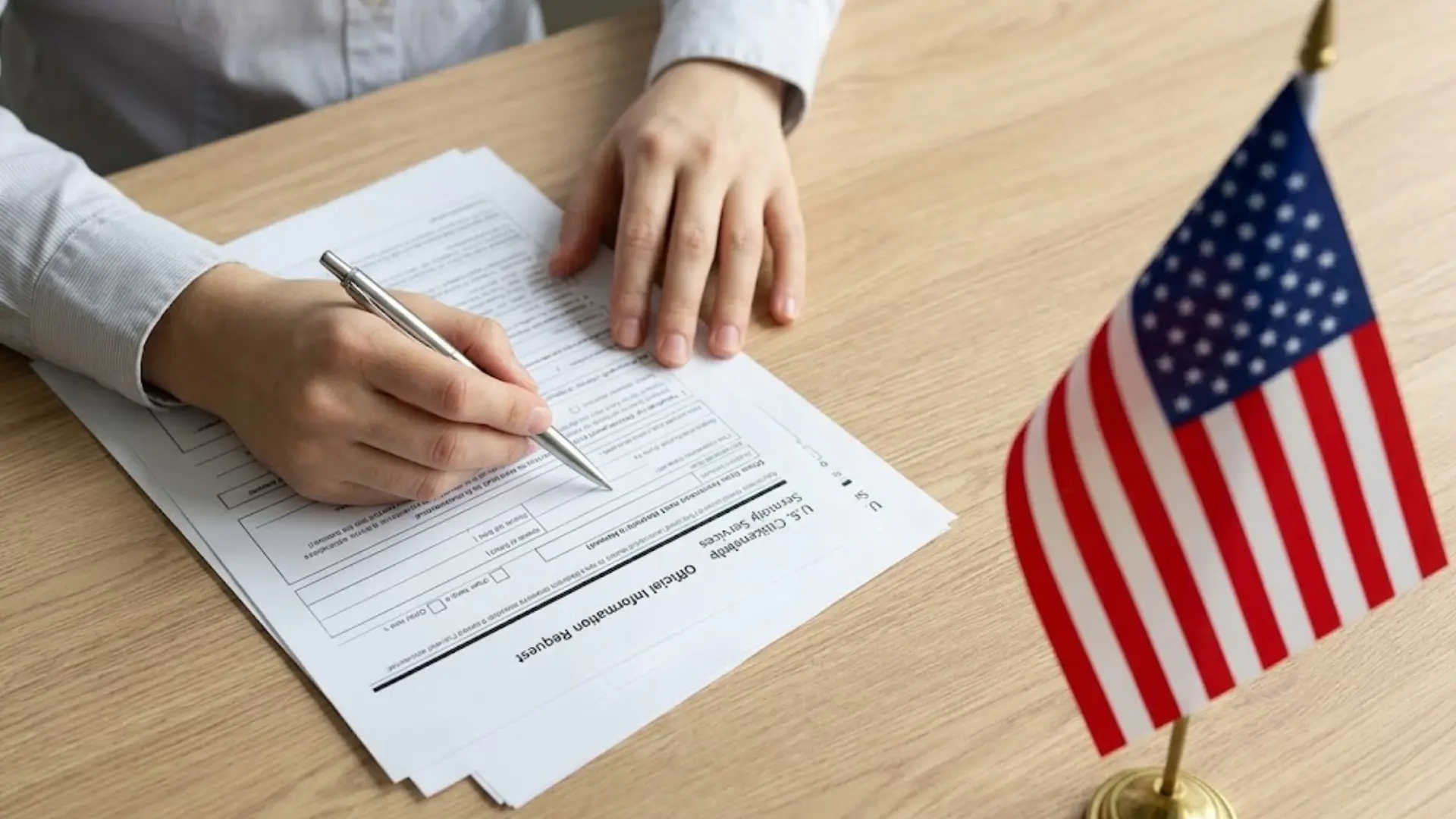

Visa bonds immigration is a phrase people often see when they start exploring travel, work, or family moves to another country.
Many assume it refers to a single rule or fee, but it actually covers several ideas: visa types, financial bonds some governments require, and the broader immigration process.
Understanding these pieces helps avoid surprises at the embassy or border.
If you are planning a short trip or a long-term move, understanding how visas, bonds, and immigration rules fit together can save time, money, and stress later.
What Is a Visa Bond in U.S. Immigration?
Anyone applying for a B-1 or B-2 visa may encounter this requirement: a payment made to guarantee they leave the U.S. on time, refunded once they depart as required.
The visa bond program became permanent on August 3, 2026, under a State Department final rule (91 FR 48757).
It functions as a financial guarantee, similar in structure to other secured bonds used elsewhere in the legal system: if the individual departs as specified, the government refunds the bond.
Under INA §221(g)(3) (8 U.S.C. §1201(g)(3)), consular officers can require a bond for certain nonimmigrant visa applicants who appear to be at higher risk of overstaying.
This gives officers a way to approve borderline cases instead of denying them outright.
The bond gives everyone a little extra motivation to follow the rules, because if they don’t, they could lose the money. It helps encourage responsible behavior in a positive way.
Who Is Required to Pay a U.S. Visa Bond?

Not every traveler faces this requirement. It depends on visa type, nationality, and country-specific risk factors.
B-1 and B-2 Visa Applicants
The current program targets business and tourist visa applicants only.
The Visa Bond Program applies to people applying for B-1 or B-2 visas, which are used for short business trips or tourism.
This program does not cover other visa categories. If you’re applying for a temporary visit for work meetings, conferences, or leisure travel, this is the group the bond requirement could apply to.
Anyone planning a longer-term move, not a short trip, should first understand the difference between a green card and a visa, since the two paths follow very different rules.
Nationals of Countries Selected by the State Department
Nationality decides bond status, not the country where you apply.
The bond requirement is tied to your nationality, not where you happen to submit your visa application. Someone applying from a third country is still subject to the rule if their home country is on the list.
This means location shopping for an easier application process does not remove the bond requirement if it applies to you.
How the State Department Selects Countries
Several risk factors determine which countries get added to the list.
The State Department chooses countries based on high visa overstay rates, weak information sharing with the U.S., and difficulty verifying applicant identities.
Screening and vetting concerns also play a role, along with the security of a country’s travel and civil documents.
Together, these factors help the State Department flag nationalities considered higher-risk for compliance issues.
Which Countries Are Subject to Visa Bonds?
About 50 countries are currently covered, but the list can change on a rolling basis.
Check the State Department’s official Countries Subject to Visa Bonds page for the latest list rather than relying on a static one.
Factor | What It Means |
|---|---|
Overstay data | DHS visa-overstay rates and related refusal data may influence selection. |
Screening and vetting | Weak information sharing, identity records, criminal records, or document security can lead to inclusion. |
Citizenship practices | Concerns about how citizenship is granted, including citizenship-by-investment practices, may be considered. |
Removal | Countries may be removed immediately when the State determines coverage is no longer warranted. |
Note: New countries generally receive at least 15 days’ notice, while removals may take effect immediately.
How Much Is the Bond and Who Decides the Amount?
The bond comes in three set amounts: $10,000, $15,000, or $20,000. No fixed formula applies to everyone. This differs from a bail bond, which serves a separate legal purpose in the criminal system.
Instead, the consular officer determines the appropriate tier during the visa interview and guides you through the process.
They consider factors such as your travel history, your connections to your home country, and the overall risk of overstaying to better understand your situation.
A stronger case for returning home might mean a lower bond, while a weaker case could mean a higher one. The officer sets the final amount on the spot, based on that day’s judgment.
Note: This bond became permanent under a Department of State final rule effective August 3, 2026, raising the maximum to $20,000 (see the Federal Register notice).
How to Pay and Get a Refund
Paying the bond involves a specific process, and getting it back depends on following the rules exactly.
Once a consular officer sets the bond amount, the applicant receives DHS Form I-352 and pays through Pay.gov, the only approved payment platform.
After payment, travelers must enter and leave through commercial airports to receive a bond refund.
DHS tracks entry and exit through its systems, and once it confirms departure, it cancels the bond and returns the money.
Common Mistakes That Cause Forfeiture
A few simple errors can cost travelers their entire bond.
- Using land or sea ports: Entry or exit outside a commercial airport breaks the bond terms, even if the trip itself was legitimate.
- Overstaying the authorized period: Staying past the visa’s expiration date is the most direct way to trigger forfeiture.
- Making unauthorized status changes: Trying to switch visa categories without approval violates the bond conditions.
- Failing to depart on record: If DHS systems don’t show a confirmed exit, the bond may be forfeited even if the traveler actually left.
- Ignoring bond terms during the trip: Any violation of the conditions tied to the bond can result in losing the money.
Who Is Exempt or Eligible for a Waiver?
The bond requirement only applies to B-1 and B-2 visa applicants. If you’re applying for another visa type, this program doesn’t affect you.
Even within B-1/B-2 cases, a bond isn’t automatic for everyone from a listed country.
Being from a covered country does not automatically mean a bond is required; the decision is discretionary. Officers may waive it based on strong ties to your home country, travel history, and overall risk of overstaying.
The bond is a condition of issuance for otherwise eligible B-1/B-2 applicants; it is not a refusal category.
Supporting paperwork, such as a well-prepared letter of recommendation for immigration, can also help make that case.
What to Do If You’re Asked to Post a Bond
If a consular officer tells you a visa bond is required, follow the official instructions carefully before paying.
- Confirm the requirement: Review the notice from the U.S. consulate and verify the bond amount.
- Use the official payment method: Pay only through the government-approved system listed in your instructions.
- Keep all records: Save payment receipts, bond forms, visa documents, and travel records.
- Follow travel conditions: Enter and leave the United States through approved ports and within your authorized stay.
- Check refund requirements: Make sure you meet all bond conditions before expecting repayment.
- Consider legal help: Speak with an immigration attorney if the bond requirement, travel restrictions, or refund process is unclear.
Final Thoughts
Visa bonds immigration is a phrase people often see when they start exploring travel, work, or family moves to another country.
Many assume it means a single rule or fee, but it really points to several different ideas: visa types, financial bonds some governments require, and the broader immigration process. Understanding these pieces helps avoid surprises at the embassy or border. Whether you are planning a short trip or a long-term move, knowing how visas, bonds, and immigration rules fit together can save time, money, and stress later on.