
ABOUT THE AUTHOR




Prevailing wage determination wait times can change depending on the filing queue and the type of request being reviewed. A single average does not always show whether a case is moving normally or taking longer than expected. When checking a request, look at factors like the request type, survey method, and the DOL tracker to understand where the filing stands and what may be affecting the timeline. Keep the wage determination timeline separate from the full green card process, since they cover different stages and are often confused by many filers. What Is the Current PWD Processing Time? The National Prevailing Wage Center is currently processing OEWS-based requests filed in April 2026. This is the standard track for many H-1B and PERM cases. If I filed an OEWS request in April 2026, my case is closer to review. A May filing would wait behind earlier submissions. Monthly DOL updates explain why processing numbers keep changing. They show the filing month being reviewed, not a guaranteed turnaround time. My actual wait depends on where my filing date falls compared with the month currently being processed by the DOL, a queue-based approach similar to how processing times for other visa categories are tracked. Standard OEWS requests are currently taking around 3 to 4 months. Non-OEWS requests, custom surveys, and sports filings usually take longer, and timelines can vary further depending on whether an employer intends to meet eb-1 classification requirements or file under a different category. Redetermination requests follow a separate timeline and should not be compared with first-time PWD filings because they move through different processes. OEWS-Based vs. Non-OEWS Timelines The type of wage request you file can directly affect how long your prevailing wage determination takes. OEWS and non-OEWS requests follow different review processes, which creates a gap in processing […]

Waiting on a U visa can feel confusing, especially when the timeline is not the same for every case. Some people only want a rough idea of the wait, while others need to know what is happening after they file. The truth is that the process can take years because of the yearly visa limit, case backlogs, and several review steps. In this blog, I will break down U visa processing time in simple terms, so you can understand what may happen from filing to a final decision. You will also learn why cases get delayed, what the Bona Fide Determination process means, whether a work permit may come earlier, and how to check your case while you wait. By the end, you should have a clearer idea of what to expect. U Visa Processing Time at a Glance The table below shows approximate timelines at each major stage. These are estimates based on current USCIS data and reporting from immigration attorneys; your case may move faster or slower depending on the service center and case details. Stage Approximate time What happens Form I-918 filing and receipt 2–4 weeks USCIS receives a petition and issues a receipt notice Bona Fide Determination (BFD) ~35 months USCIS reviews if the case appears legitimate; it may grant a work permit Work permit (EAD) after BFD 2–8 weeks after BFD (can be longer) 4-year Employment Authorization Document issued Waitlist for visa number 24–36+ months after BFD USCIS holds approved cases until a visa number opens Final U visa approval 6–10 years total from filing Full U nonimmigrant status granted Green card (Form I-485) 18–36 months after 3 years of U status Lawful permanent residence application What is a U Visa? A U visa is a type of U.S. immigration protection for victims of certain […]
Thinking about building a future in the United States can feel exciting, but also overwhelming when every form, rule, and qualification seems to carry real weight. Many talented professionals reach a quiet moment of doubt: Am I truly eligible, and what proof will help my case stand out? That is where understanding the EB-2 visa requirements becomes more than just paperwork. It becomes a first step toward clarity, confidence, and a plan that feels possible. In this blog, I will also cover the EB-2 NIW option, which may help some applicants apply without a regular job offer. By the end, you should have a clear idea of what this visa needs and how the process works. What is an EB-2 Visa? The EB-2 visa is an employment-based immigrant visa category that allows qualified foreign professionals to obtain permanent residency in the United States. It falls under the employment-based second preference category and is designed for individuals with advanced degrees or exceptional ability in fields such as science, business, or the arts. The goal of this visa is to help the United States attract skilled workers whose knowledge and experience can contribute to the country’s economy and workforce needs. Compared to other employment-based visas, the EB-2 category generally has higher qualification standards than the EB-3 visa, which is available to skilled workers and professionals with lower educational requirements. While the EB-1 visa is reserved for individuals with extraordinary achievements, the EB-2 visa serves professionals who have strong academic backgrounds or specialized expertise but may not meet the stricter EB-1 standards. There are three formal subcategories within EB-2: EB-2A for professionals with an advanced degree or its equivalent EB-2B for individuals with exceptional ability in science, arts, or business EB-2C (NIW) for applicants whose work is in the national interest of the […]
Some journeys begin with a job offer. Others begin with a quiet thought: maybe your work has already crossed borders. That is where the EB1 path starts to feel both exciting and overwhelming. You may have awards, publications, leadership roles, major projects, or years of recognition, yet still wonder whether they are enough. The truth is, EB1 visa requirements can feel confusing because they ask you to prove something deeply personal: that your talent, impact, or achievements stand out. In this blog, I will break down the eb1 visa requirements in a simple way, so you know who can qualify and what proof matters. You will learn about the three main EB-1 categories: extraordinary ability, outstanding professors and researchers, and multinational executives or managers. What is an EB-1 Visa? An EB-1 visa is an employment-based immigrant visa designed for individuals who have achieved a high level of success in their profession. It is available to people with extraordinary ability, outstanding professors and researchers, and certain multinational executives and managers. Unlike many other employment-based categories, the EB-1 visa is intended for applicants who can show strong accomplishments and recognition in their field. One of the biggest benefits of this category is that it provides a direct path to permanent residency in the United States. Successful applicants can eventually receive a green card and live and work in the country permanently. Another advantage is that EB-1 petitions often move faster than many other employment-based visa options because they are placed in a higher preference category. If you are still figuring out whether a green card or a visa better fits your situation, this breakdown of green card vs visa differences is worth reading first. Understanding the Three EB-1 Visa Categories The EB-1 visa has three main categories. Each one is made for a different […]
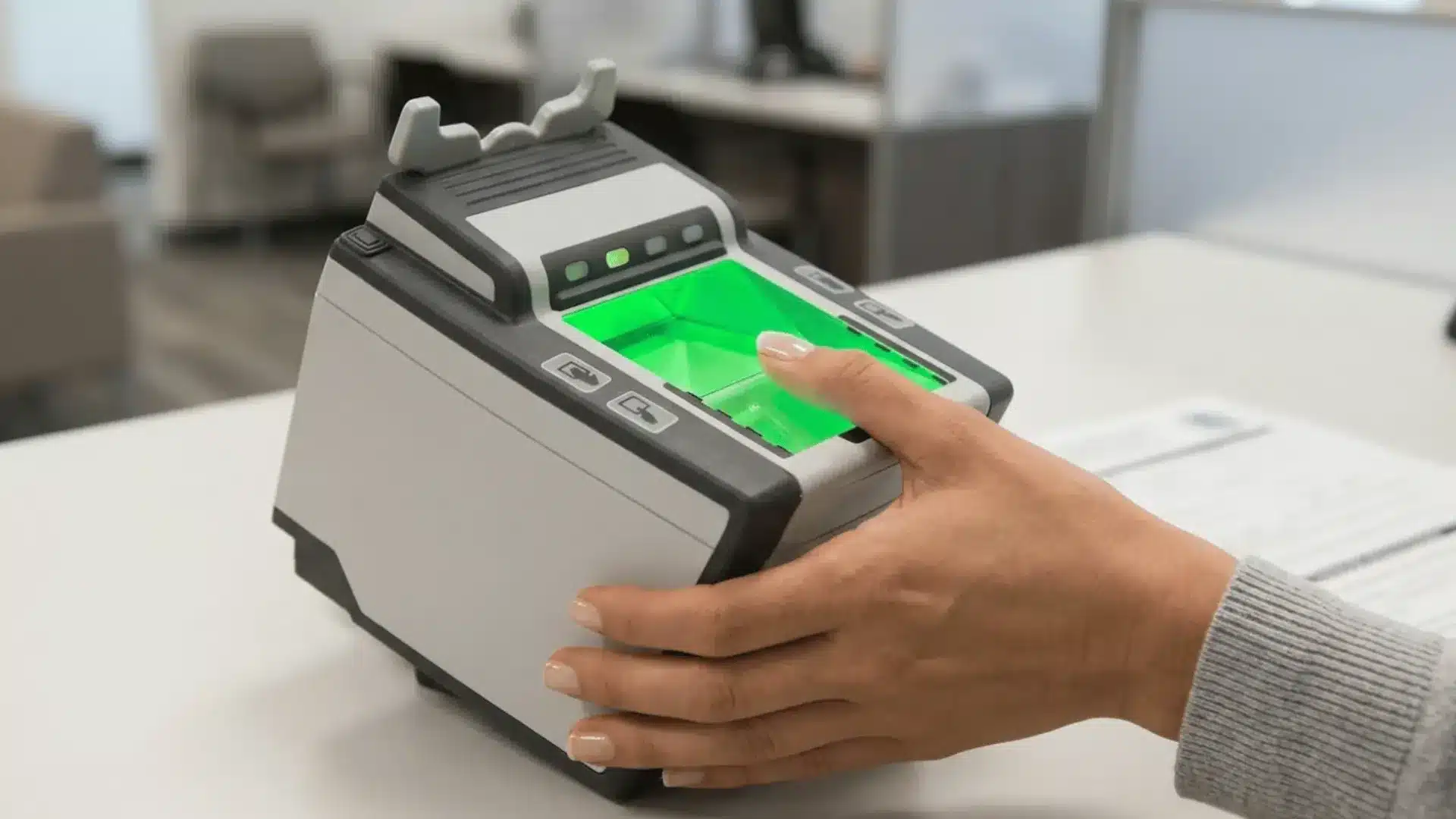
The moment your biometrics appointment ends, a quieter part of the immigration process begins. There are no big announcements, no instant answers, and often no clear sign of movement for days or even weeks. Still, important work may already be happening behind the scenes. Your fingerprints, identity details, and case file begin moving through different layers of review, and what happens next can shape the timing of your application. For many applicants, this stage feels uncertain because every case moves differently and each form follows its own path. Some people wait for an interview notice. Others wait for a card, a decision, or another request from USCIS. This blog post breaks down what may happen after biometrics, why delays occur, and when legal help may be worth considering. What is a Biometrics Appointment? A biometrics appointment is a scheduled visit where USCIS collects your fingerprints, photograph, and signature. USCIS uses this information to confirm your identity and run required background checks before continuing with your immigration application. The appointment is usually quick and does not include questions about your case. Staff at the application support center verify your appointment notice and ID, collect your biometric information, and send it for screening. USCIS uses biometrics to check criminal history, confirm identity, compare government records, and help prevent immigration fraud. For most applicants, this is a routine step, but it must be completed before the case can move forward to review, an interview, card approval, or a final decision. The appointment itself usually lasts 15-30 minutes. What Happens After a Biometrics Appointment at USCIS? Your fingerprints go directly to the FBI’s Next Generation Identification (NGI) system, which replaced the IAFIS. The FBI checks those prints against criminal records, outstanding warrants, and immigration violation records. Most results come back clean within days to […]
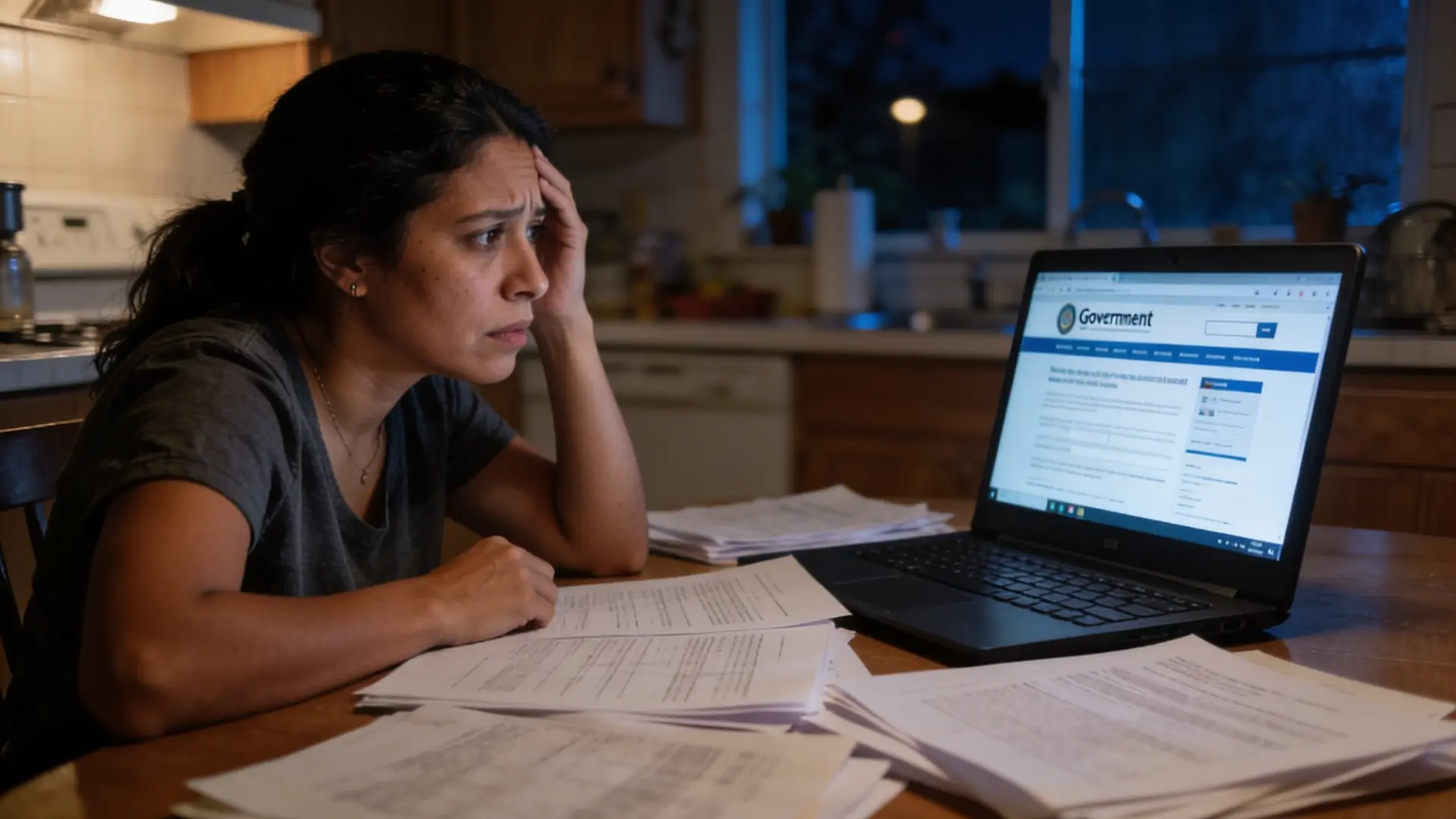
The moment you hear that a loved one has been detained, panic and uncertainty can feel overwhelming. You want answers, and fast. The immigration detainee locator gives families a starting point to see where someone is being held. Using the ICE detainee lookup can provide critical details about their facility and contact information. Even the immigration inmate locator offers a step-by-step way to track transfers and custody status. Each tool can feel like a lifeline in a situation where every hour counts. While searching may seem intimidating at first, learning how to use these resources empowers families to take action, reduce worry, and begin making informed decisions for the safety and well-being of their loved one. This blog walks through exactly how to use it, what to do when a search comes back empty, and when it is time to get an attorney involved. What is the Immigration Detainee Locator? The ODLS is a searchable database run by ICE under the Department of Homeland Security. It covers any person 18 or older who is currently in ICE detention or who was held by U.S. Customs and Border Protection for more than 48 hours before transfer. The system returns the name and address of the holding facility along with contact information for the ICE Enforcement and Removal Operations (ERO) office responsible for the case. A successful search will show one of two statuses. In custody means the person is currently detained at a named facility. Out of custody means they have been released, transferred to another agency, or removed from the country. The ODLS does not specify which of those outcomes applies, which is why a result showing “out of custody” can still leave families with unanswered questions. One thing worth knowing before you search: the system logs the IP address, […]

Starting the green card process can feel confusing when medical rules and USCIS forms enter the picture. One part that many applicants need to complete is the immigration medical exam, which helps USCIS confirm that a person meets health-related rules for admission to the United States. This step is not just a regular doctor’s visit. It must follow USCIS guidance, use the right form, and be completed by an approved civil surgeon. In this blog, you will learn what the exam includes, who needs it, which USCIS form is required, how to find the right doctor, what documents to carry, and how the sealed form should be sent to USCIS. I will also cover common mistakes so you can understand the process without getting lost in legal terms. What is the Immigration Medical Exam? The immigration medical exam is a health check required for many people applying for a green card in the United States. It is not the same as a normal yearly checkup because it must follow USCIS rules and be done by a USCIS-designated civil surgeon. USCIS asks for this exam to make sure an applicant does not have certain health conditions that could affect eligibility under U.S. immigration law. The exam helps check medical history, physical health, vaccination records, and signs of specific communicable diseases. It may also include tests for conditions listed in the official medical exam rules. The goal is not to judge overall fitness. It is mainly used to confirm that the applicant meets the health-related requirements for the green card process. Who Needs to Take the Immigration Medical Exam? The immigration medical exam is required for many people seeking lawful permanent residence in the United States. Whether the exam is needed depends on the type of immigration benefit being requested and where […]
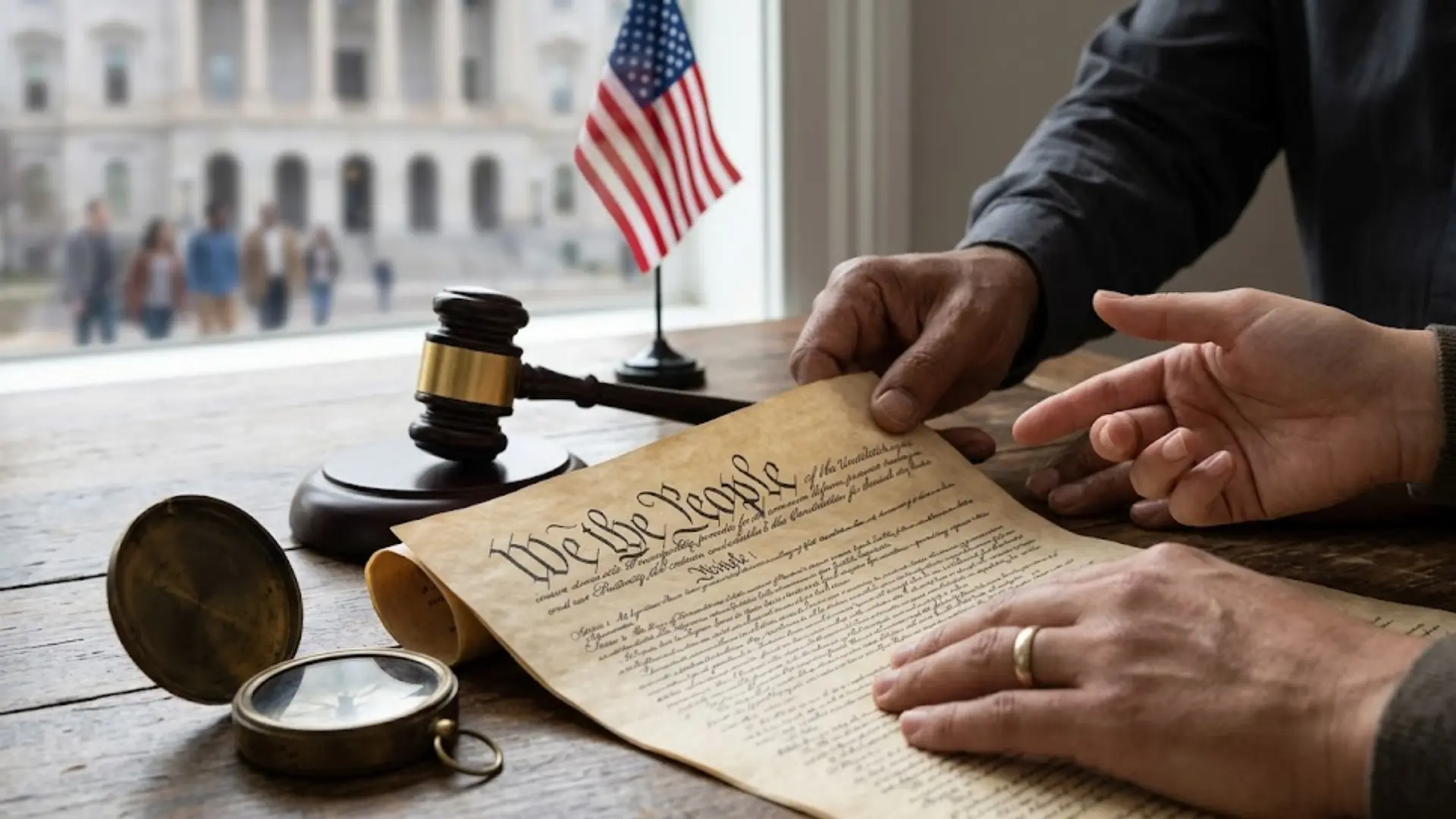
Questions about legal rights often spark strong opinions, confusion, and plenty of misinformation, especially when the topic is immigration. Many people assume the Constitution draws a clear line between citizens and non-citizens, but the reality is not always that straightforward. Legal protections, court interpretations, and real-world enforcement create a more layered picture than most expect. Understanding where those lines are drawn and why requires looking beyond assumptions and into how the law actually works in practice. From courtroom procedures to everyday interactions with authorities, the rules can shift depending on context, status, and location. This blog breaks down those complexities, helping clarify what the Constitution says, how courts interpret it, and where the boundaries begin and end. Does the U.S. Constitution Apply to Non-Citizens? Yes, the U.S. Constitution applies to non-citizens, including undocumented immigrants, but the scope of their rights is not identical to that of citizens. The Supreme Court first established this principle in Yick Wo v. Hopkins (1886), ruling that the Fourteenth Amendment applies to “all persons within the territorial jurisdiction, without regard to any differences of race, of color, or nationality.” That precedent has held for over 130 years. Courts, including the Supreme Court, have consistently affirmed that non-citizens are entitled to certain constitutional protections, particularly the rights to due process and equal protection under the law. I often explain it to clients this way: if you’ve lived in the same city for many years, have U.S.-born children, and pay taxes, your constitutional standing is meaningfully different from someone who crossed the border last week. The law recognizes that connection. This creates a balance where constitutional protections exist, but certain rights are restricted depending on immigration status and context. Key Constitutional Amendments That Apply Certain constitutional amendments play a central role in shaping how rights are applied […]
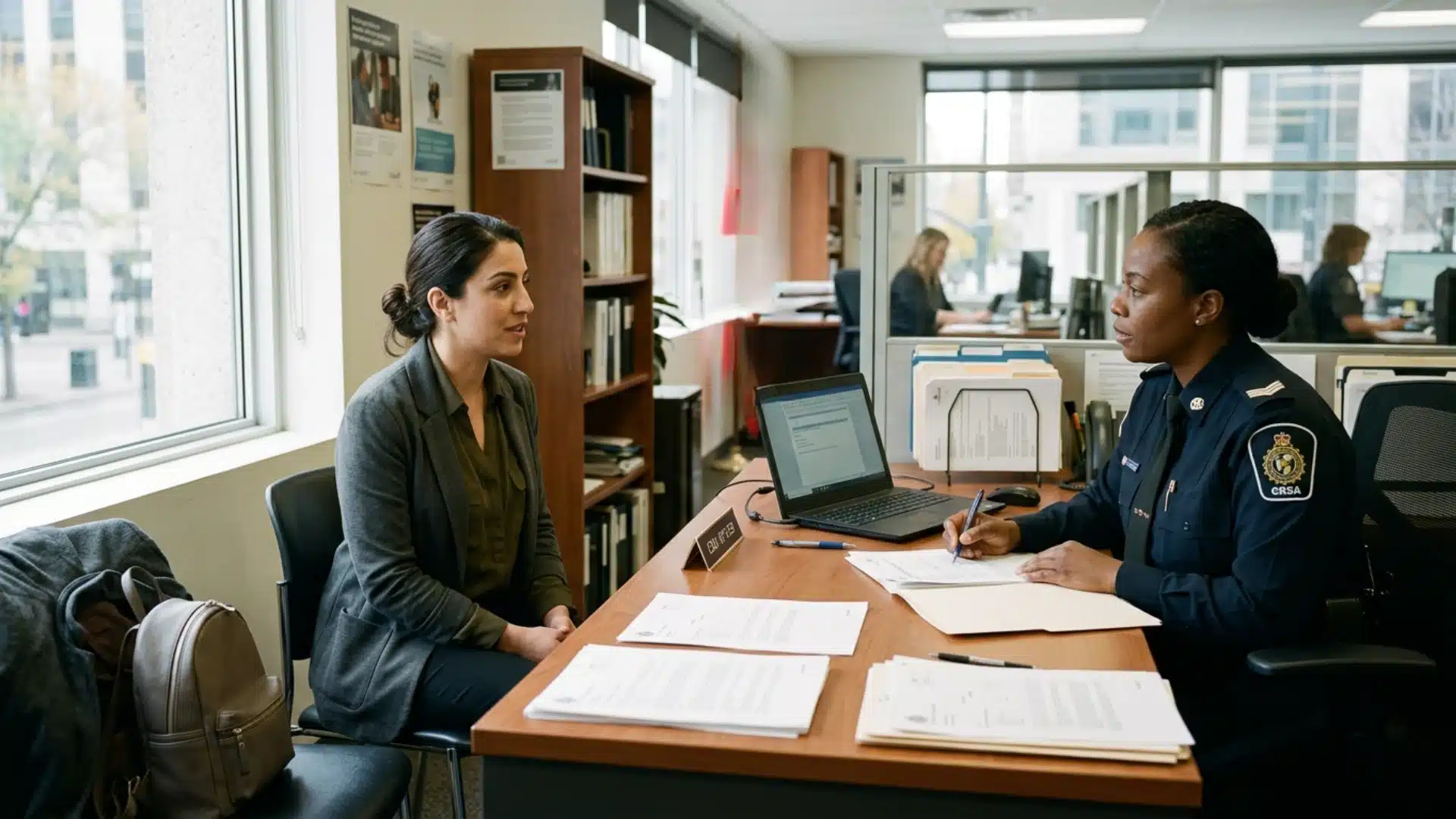
Most people preparing for their green card interview spend hours memorizing facts. Then they walk into the room, the officer asks something they didn’t expect, like what color their spouse’s toothbrush is, and everything goes blank. That’s not a failure of knowledge. That’s a failure of preparation strategy. After years of helping clients navigate USCIS interviews, I’ve seen the difference between people who pass on the first try and those who get sent back for more documentation. It almost never comes down to the paperwork. It comes down to how prepared they were for the conversation itself. This guide covers the actual immigration interview questions you are likely to face, organized by case type, with honest preparation advice built around the most common stumbling points I see. No matter whether you are preparing for a marriage-based, family-based, or employment-based green card interview, the same core principle applies: your answers need to match your application, and your documents need to back all of it up. What Actually Happens at a Green Card Interview A USCIS officer will review your I-485 application, verify your documents, and ask questions to confirm you’re eligible for permanent residency. That’s the official description. In practice, it’s a structured conversation where the officer checks two things: does your story match your paperwork, and does your paperwork match reality? Most interviews last 20 to 30 minutes. If your case is straightforward, clean history, solid documents, and no red flags, it can feel almost routine. If your case has complications, such as prior overstays, criminal records, or inconsistencies in your application, expect it to run longer and become considerably more specific. You’ll be asked to swear an oath to tell the truth before answering any questions. This isn’t a formality. Any false statement made after that oath is a […]
Most people writing a letter of recommendation for immigration have good intentions. They want to help. But good intentions don’t automatically translate into a useful letter, and in immigration, a weak recommendation can quietly work against the very person you’re trying to support. After years of reviewing immigration files, I’ve seen officers set aside letters that were full of warm words but short on substance. I’ve also seen a single well-written paragraph from a neighbor tip a discretionary decision in the applicant’s favor. The difference usually comes down to knowing what to include, who should write it, and how to frame it for the person reading it. This guide covers all of that, without the complex legal terms. What is a Letter of Recommendation for Immigration? An immigration letter of recommendation is a written statement from someone who knows the applicant, personally, professionally, or academically, that supports their visa, green card, or citizenship application. Under U.S. immigration law, specifically the Immigration and Nationality Act (INA), officers reviewing applications may consider evidence of good moral character and community ties when making discretionary decisions. A well-constructed letter of recommendation directly addresses both of those factors. It gives U.S. Citizenship and Immigration Services or an immigration judge a human picture of the applicant that paperwork alone can’t provide. It’s not always required, but when it’s done right, it adds real weight. It can reinforce moral character, show community ties, or demonstrate professional value depending on what the application needs. Who Should Write It? It matters more than most people realize. The best letters come from people who have known the applicant for at least a year or two, can speak from firsthand experience, and have some credibility. It includes an employer, professor, community leader, clergy member, or long-time friend, who is a U.S. […]