Buying a property can feel exciting until a few legal words on the deed make you wonder what you are actually agreeing to. A special warranty deed is one of those terms that sounds more protective than it may be.
The real question is not simply whether the seller offers a warranty. It is what period of ownership that promise covers and which title problems could still follow the property after closing.
I will walk you through how that protection works, how it differs from a general warranty deed or quitclaim deed, and what you should watch for before putting your name on the paperwork.
What Is a Special Warranty Deed and Why Is It Used?
A special warranty deed transfers property from a seller (the grantor) to a buyer (the grantee) while limiting the seller’s promises.
It generally covers title problems created during the seller’s ownership, such as unpaid liens, judgments, or disputes tied to their actions. Problems that existed before they owned the property may fall outside that protection.
Sellers often use this deed when they can stand behind their own ownership period but cannot confidently guarantee the property’s earlier history. It is common in foreclosure home sales, trust transfers, estate sales, and commercial real estate transactions.
For buyers, the important point is that older title risks do not disappear. The deed only limits the seller’s responsibility. Since rules and wording vary by state, buyers should review the deed language, title search, local requirements, and title insurance coverage before signing.
What Does a Special Warranty Deed Cover?
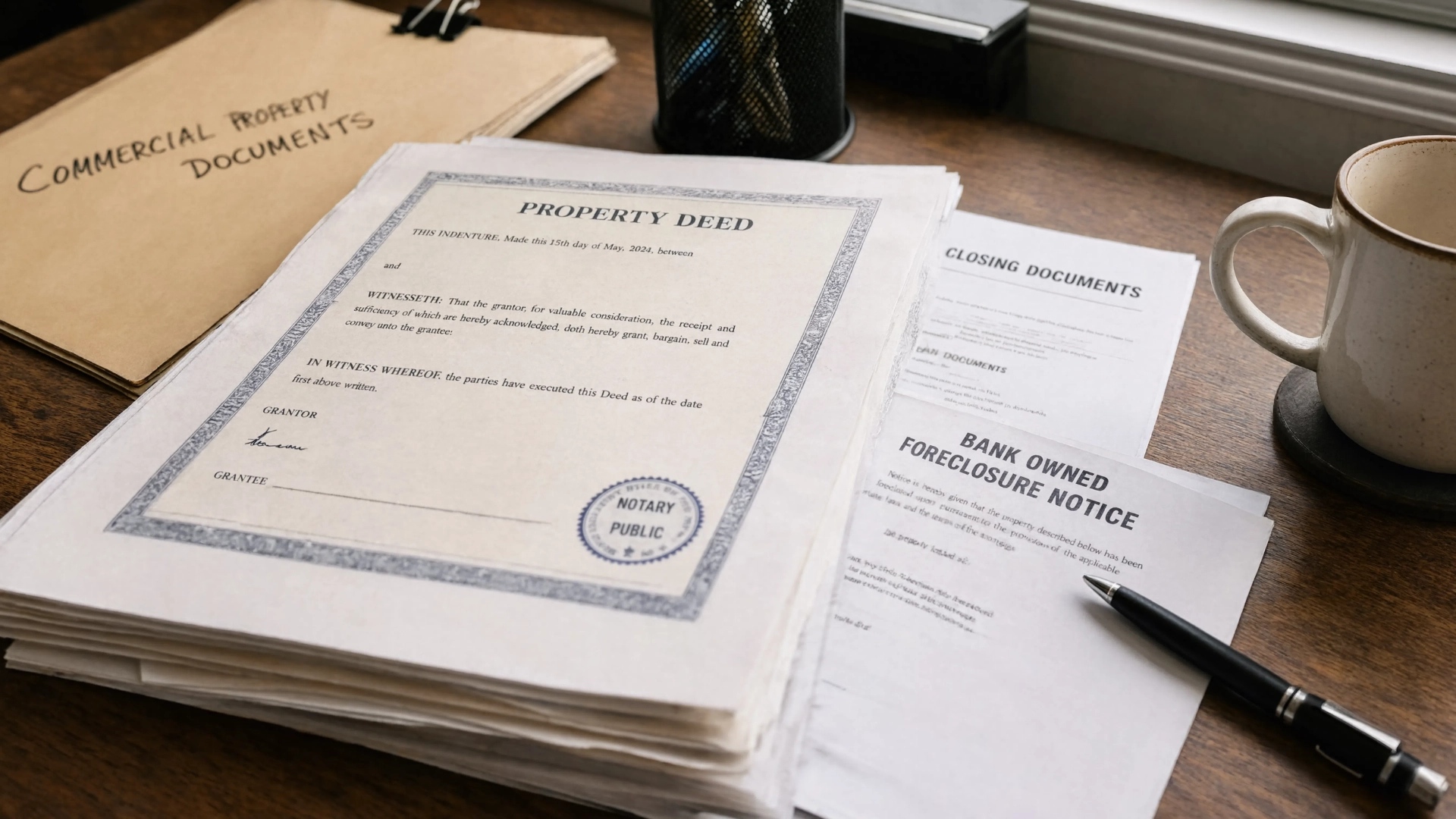
A special warranty deed usually covers title problems tied to the seller’s own period of ownership.
That time limit matters because the seller is only standing behind the part of the property’s history connected to them; if a claim started before they owned it, it may fall outside the deed’s protection.
What Falls Inside the Warranty
Even during the seller’s ownership period, coverage isn’t automatic for every issue; the wording of the deed matters.
Many special warranty deeds cover claims arising “by, through, or under” the seller, which can narrow responsibility further than the ownership-period alone suggests.
State law also shapes how those promises are interpreted, so the actual protection depends on both the document and the jurisdiction.
What Falls Outside the Warranty
The main risk for buyers sits outside that window, not in the deed being invalid.
A pre-existing lien, unresolved estate claim, or unrecorded ownership interest can still remain attached to the property if it was never properly cleared, and it can surface later when you try to refinance, sell, or prove full ownership.
That doesn’t make the deed a red flag. It simply shifts more responsibility for checking historical title issues onto the buyer, which is exactly what the title search and title insurance are there to catch.
How a Special Warranty Deed Compares to Other Deeds: General Warranty Deed vs. Special Warranty Deed
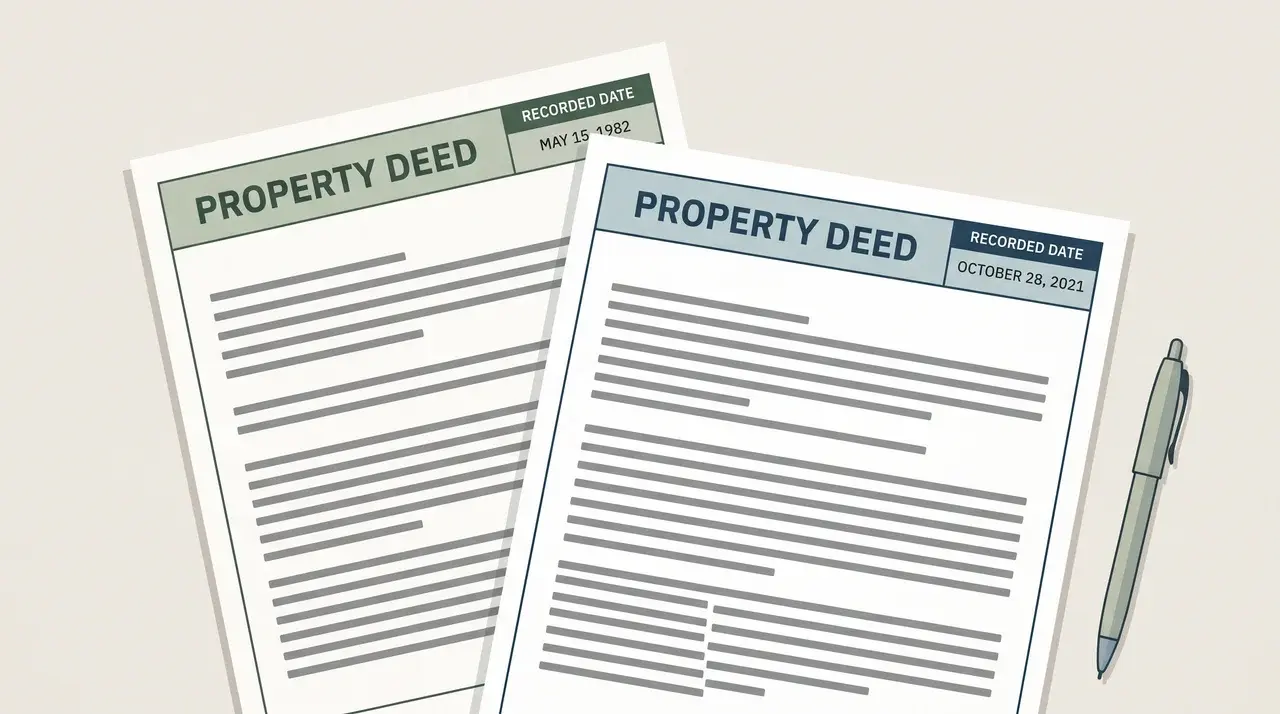
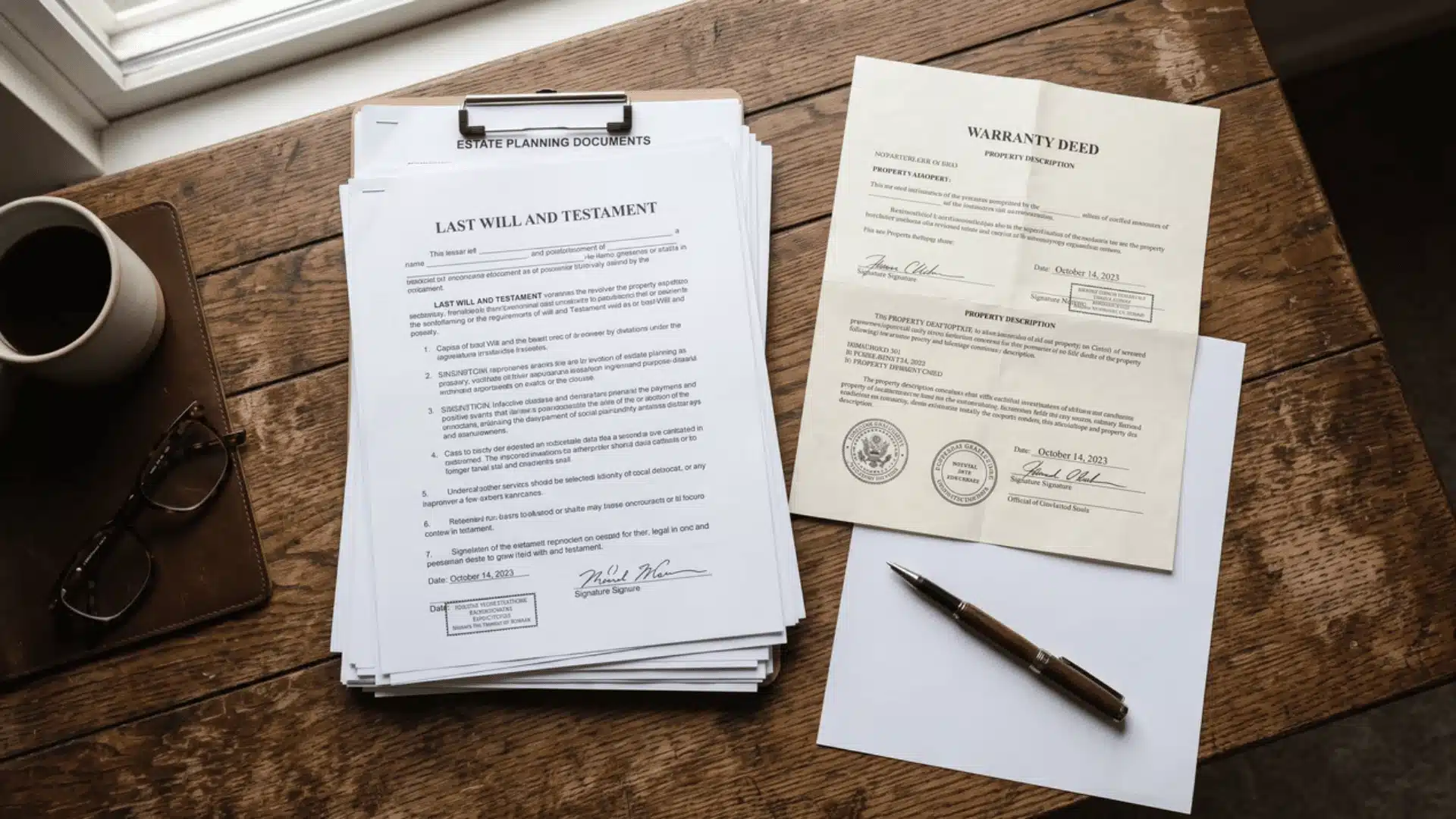
A general warranty deed gives buyers the widest protection because the seller’s promises can reach beyond their own ownership period. Certain title problems created by earlier owners may still fall within that warranty.
A special warranty deed sits in the middle. It only covers issues tied to the current seller’s ownership period, and even then, coverage often narrows to claims arising “by, through, or under” the seller, so the real protection depends on the wording in the deed and state law, not just its name.
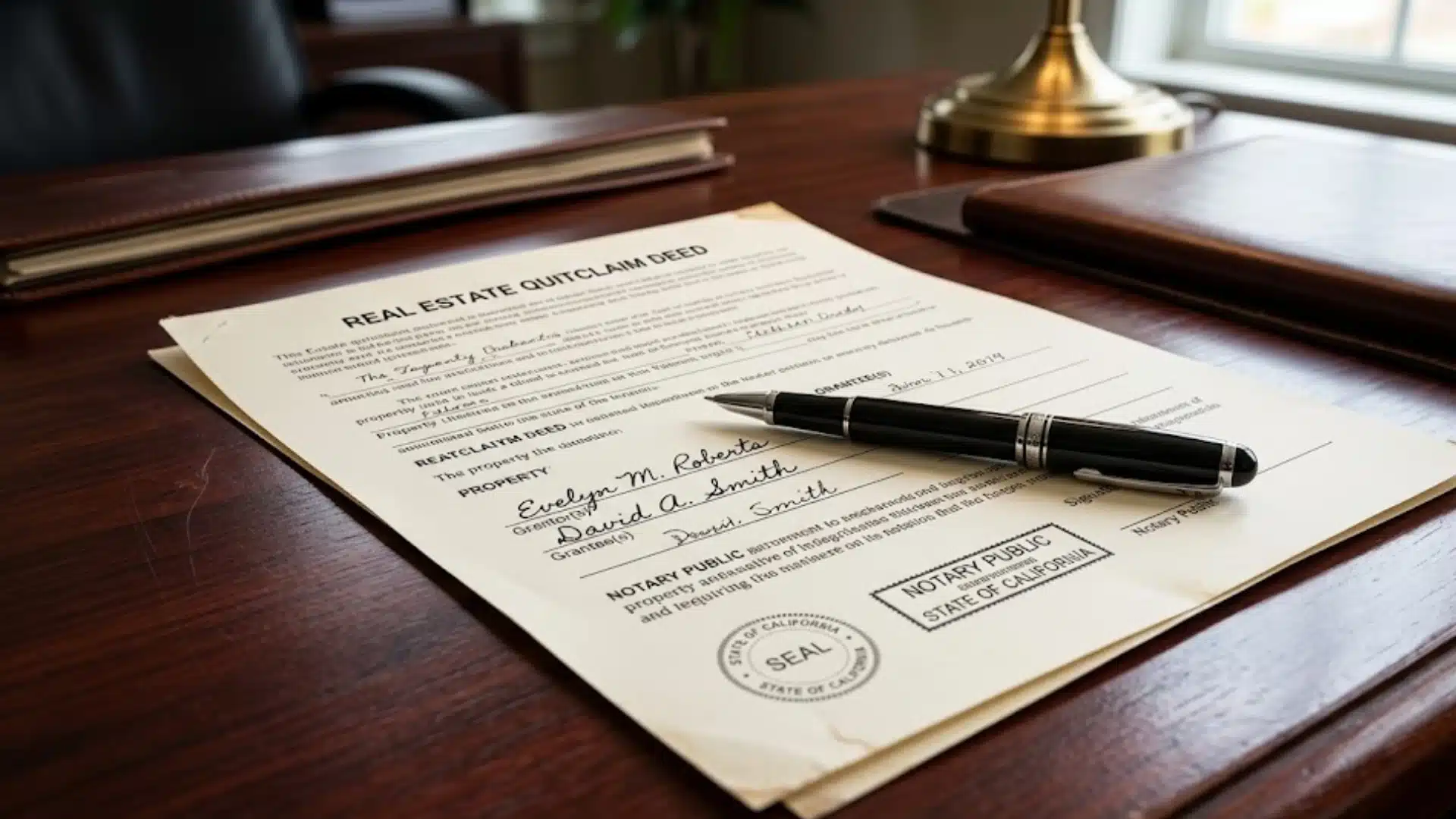
A quitclaim deed sits at the far end. The grantor only transfers whatever interest they currently have, with no promise that the title is clear or free of liens, competing claims, or other defects.
But more warranty doesn’t automatically mean a cleaner title; warranties assign responsibility for defects, but they don’t prove none exist. The title search still carries equal weight no matter which deed is on the table.
| Deed Type | Warranty Period | Buyer Protection | Common Use | Verdict |
|---|---|---|---|---|
| General warranty deed | Covers broader title history | Strongest warranty protection | Traditional home sales | Best for buyers wanting wider protection |
| Special warranty deed | Covers seller’s ownership period | Protects against seller-created issues | Commercial, foreclosure, bank-owned sales | Balanced option with limited protection |
| Quitclaim deed | No warranty period | No warranty-based protection | Family transfers, divorce, title cleanup | Highest buyer risk |
What Happens When a Title Problem Is Discovered?
Liability under a special warranty deed usually depends on when the title problem began, not when you discovered it. A defect can stay hidden for years before surfacing during refinancing, resale, or another title review.
- Timing decides responsibility, not discovery date. A problem that started during the seller’s ownership may fall within the warranty, while one that started earlier usually does not.
- A contractor’s lien shows how this plays out. If the seller hired the contractor while they owned the property, the lien may be covered; if an earlier owner hired them, the seller likely is not responsible.
- The same timing question applies beyond liens. Unpaid taxes, easements, judgments, ownership claims, and recording errors all get judged by when the underlying issue began, not just when it was recorded.
- A filing date isn’t the same as when the problem started. The right or claim behind it can predate the paperwork, and that gap is easy to overlook if you only check recording dates.
- Deed language and state law still shape the outcome. The same defect can be treated differently depending on how the covenant is worded and how a state interprets it.
- A title company or property attorney can sort out the timing. They review the deed, public records, and transaction history together to figure out when the issue began and who’s likely responsible.
Why Would a Seller Use a Special Warranty Deed?

Sellers often use special warranty deeds because they do not want responsibility for title problems created before they controlled the property. This approach is common when the seller owned or managed it briefly.
Common examples include:
- A bank selling a home it took back through foreclosure
- A trust that changes hands when its trustee signs the deed
- An estate’s personal representative closing out a sale
- Commercial real estate, where the business selling it wants to cap future liability
These sellers may understand what happened during their ownership but know little about earlier transactions. Limiting the warranty does not automatically suggest a hidden defect. It may simply show how both sides agreed to divide the risk.
Buyers usually prefer broader protection, while sellers prefer less future liability. Still, the deed label alone does not decide whether the deal is safe.
A clean title search may make limited protection reasonable, while liens, inheritance disputes, or a complicated ownership history may call for closer review.
Should You Accept a Special Warranty Deed?
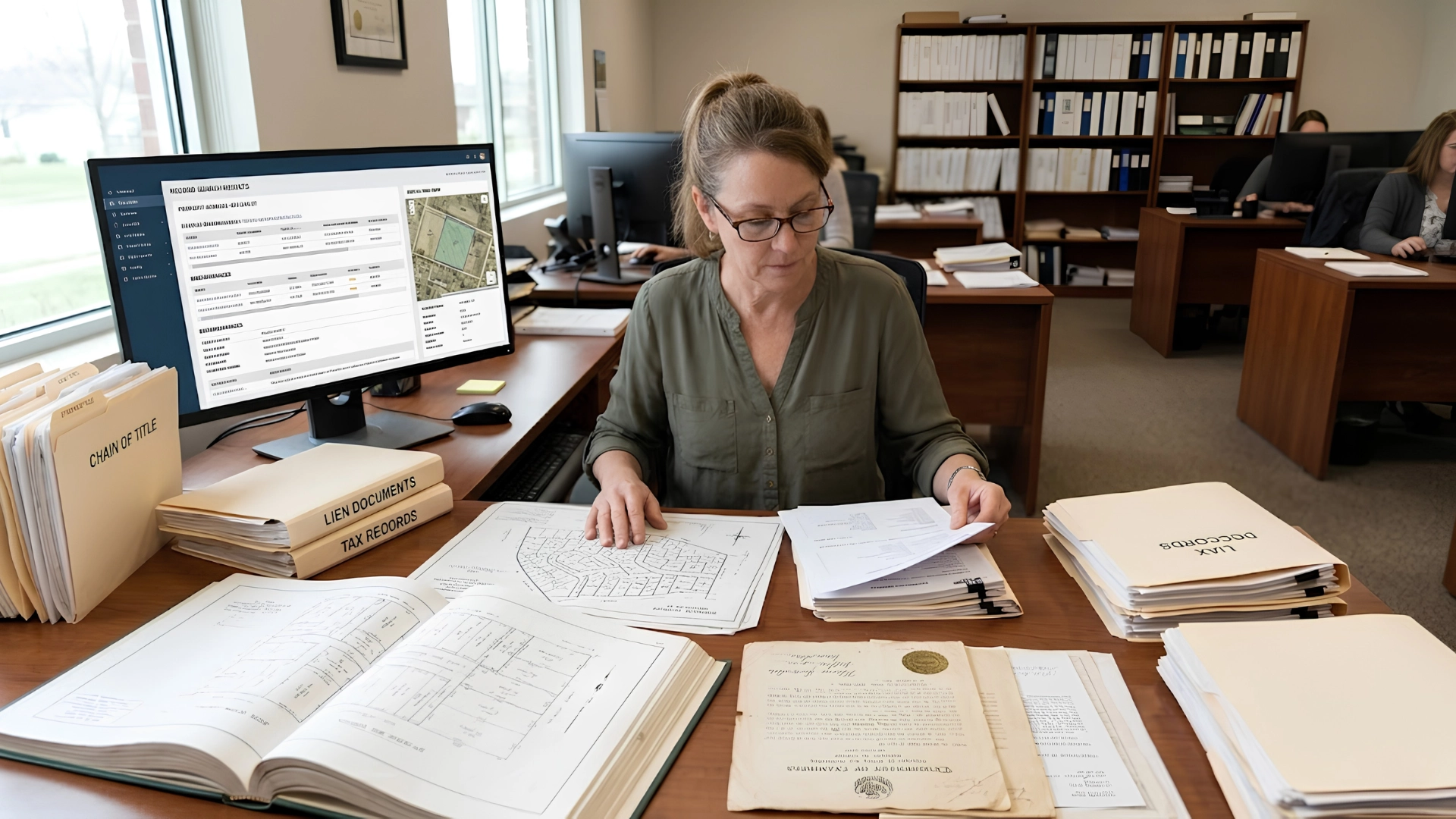
Accepting a special warranty deed can make sense when the title search shows no major problems and reliable title insurance covers older risks. Do not rely on the deed’s name alone. Read the seller’s exact promises, review the title records, and confirm what protection remains available after closing.
When the Deed May Be Reasonable
A special warranty deed may be reasonable when a detailed title search finds no serious problems. The title commitment should show recorded liens, easements, restrictions, ownership claims, and any exceptions that will remain after closing.
A limited deed does not always mean the property has a troubled history. Commercial buyers often accept one after carefully reviewing the records. Owner’s title insurance may also cover certain older claims, depending on the policy terms and exclusions.
Make sure you know which policy you’re actually getting; an owner’s title policy is the one protecting you, not just the lender’s policy your mortgage company requires.
When to Seek Legal Advice
Legal review matters more when the property’s history shows signs of possible title trouble. These issues may not stop the sale, but you should understand them before signing anything.
Warning signs may include:
- A previous foreclosure or tax sale
- Ownership divided among several relatives
- Unclear names or legal descriptions in an older deed
- Unresolved liens or judgments in the title report
- Boundary lines that conflict with a survey or neighboring use
- Unusual limitations or exceptions written into the deed
A property attorney can explain whether the deed matches the purchase agreement and identify risks that title insurance may not cover. Before closing, make sure every concern has a clear explanation, supporting records, and an acceptable plan for correction.
Final Thoughts
A special warranty deed can be perfectly valid without protecting you from every title issue tied to the property.
What matters most is understanding the limits of the seller’s promise before you rely on the word “warranty” and making sure the title search and title insurance are doing the work the deed itself doesn’t cover.
If anything feels unclear, ask a local real estate attorney or title professional to look it over before you close.
Frequently Asked Questions
Is a Special Warranty Deed Better than A General Warranty Deed?
A general warranty deed usually provides broader buyer protection. It covers certain title claims arising before and during the seller’s ownership. A special warranty deed covers only the seller’s ownership period. The better option depends on the title history and other protections.
Is a Special Warranty Deed Bad for The Buyer?
A special warranty deed is not automatically bad. It can transfer valid ownership while limiting the seller’s responsibility for older problems. The buyer should review the title search, deed language, and insurance exclusions. A limited deed deserves more careful review.
What Is Another Name for A Special Warranty Deed?
A special warranty deed is often called a limited warranty deed. Some states may use other names for documents providing similar protections. Do not rely only on the title. Read the promises written into the document and check the applicable state law.
Does a Special Warranty Deed Prove Ownership?
A signed and delivered deed shows that the seller transferred their ownership interest. Recording it creates an official public record. However, the deed does not prove the title lacks every lien or competing claim. A title search provides more information.
Does a Special Warranty Deed Transfer Ownership in Texas?
Yes. A special warranty deed in Texas transfers ownership the same way it does elsewhere; the seller conveys their interest, but they limit their warranty to claims that arose during their own ownership. Texas closings commonly use this deed for foreclosure and bank-owned sales, so buyers should still confirm a title search and title insurance are in place before signing.