
Buying a home can feel confusing when the listing status changes before you even get a chance to visit. One day, a property is active.
The next day, it says something that sounds final, but is not fully clear. That is where many buyers pause and wonder what is actually happening.
In real estate, the question “what does under contract mean?” is common because the term sits between an accepted offer and a completed sale.
It does not always mean the home is gone for good. It also does not mean anyone can buy it like a normal active listing.
Ahead, you will learn what this status means, whether the home is still for sale, how it affects buyers and sellers, and why some deals still fall apart before closing.
What Does Under Contract Mean?
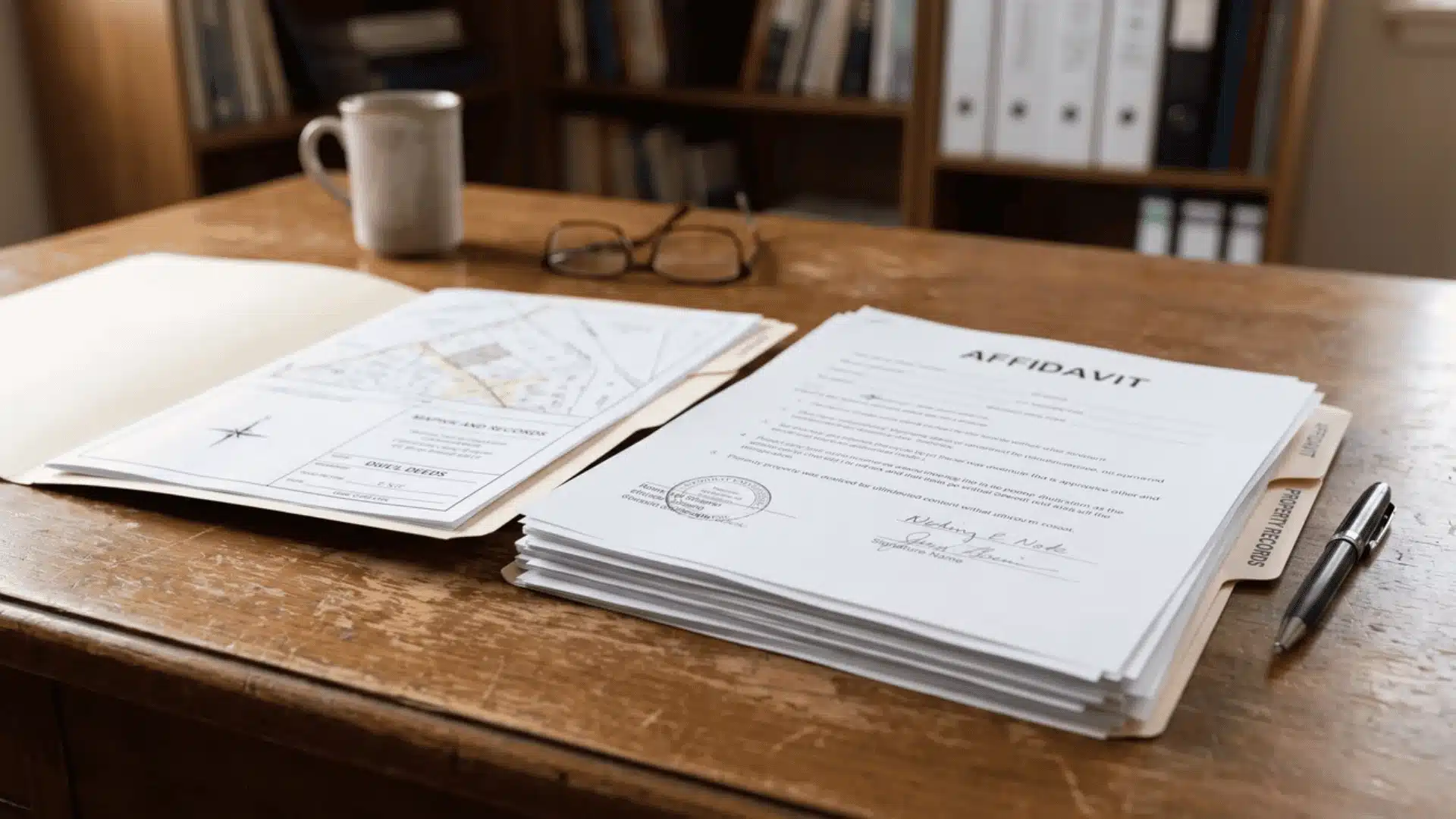
Under contract means the seller has accepted a buyer’s offer, and both parties have signed a real estate agreement.
In simple terms, the home has a deal in place, but the sale is not yet complete. The buyer and seller have agreed on the main terms, such as the price, closing date, and any conditions set out in the contract.
This status does not mean the buyer already owns the home. It only means the sale is moving forward. Before the deal can close, a few steps usually still need to happen.
These may include the home inspection, appraisal, loan approval, title search, and final paperwork.
If everything goes well, the sale moves to closing. If a problem comes up, the deal may change or fall through.
What Does it Mean for Buyers and Sellers?
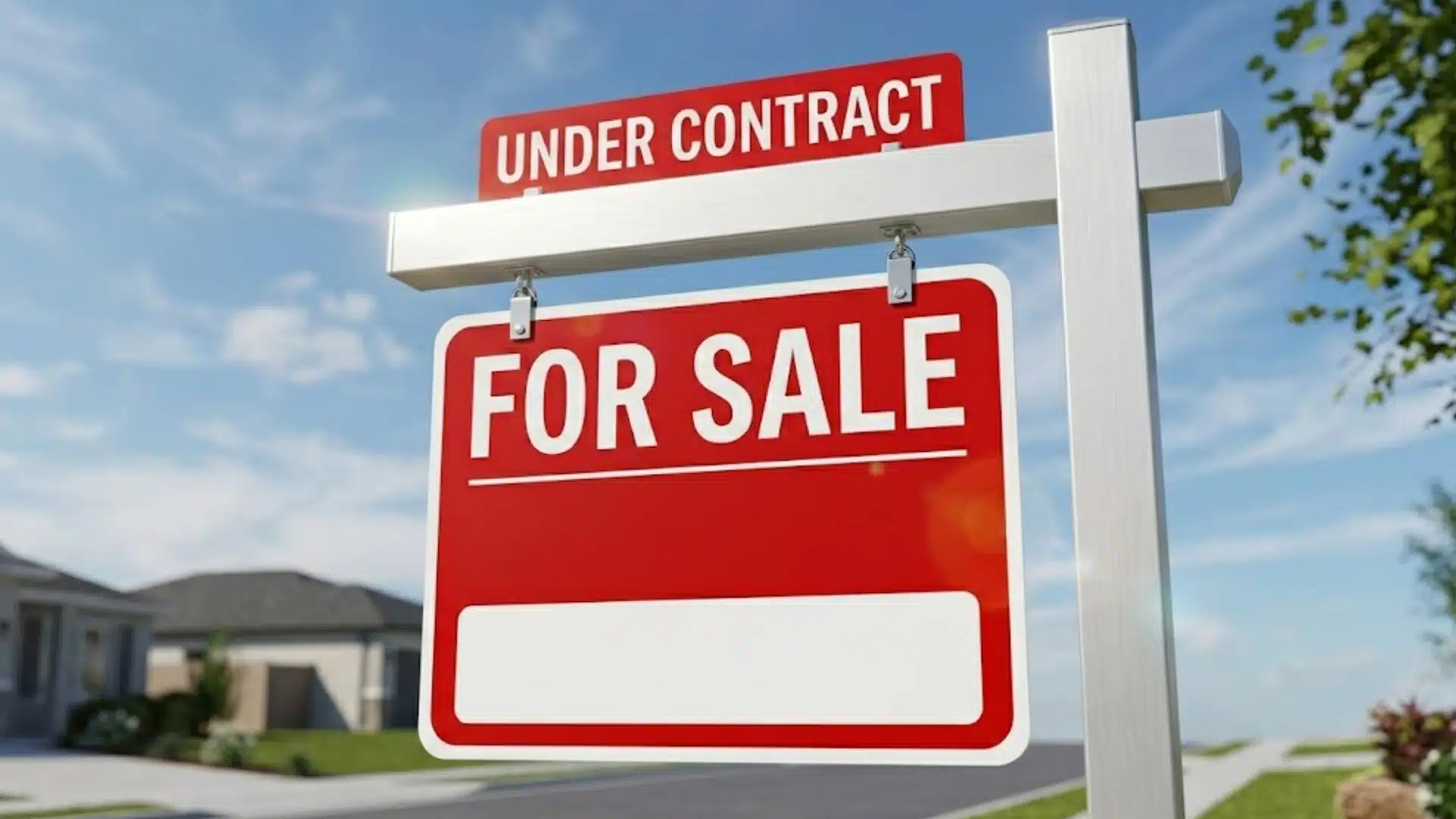
For sellers, an under-contract status means an offer has been accepted, and a signed agreement is in place.
In most cases, regular offers are no longer being considered because the seller is committed to the current buyer. However, some sellers may still accept backup offers in case the original deal does not close.
At this stage, the seller mainly waits for the buyer to complete the required steps in the contract.
For buyers, being under contract means there is a deal in place, but ownership has not transferred yet. The buyer must meet the terms outlined in the agreement before the sale can move forward.
Common requirements include a home inspection, appraisal, loan approval, and title review. Depending on the contract, the buyer may also have the right to cancel the deal if certain conditions are not met.
Contingencies that Keep a Deal in Motion
Contingencies are the conditions that must be cleared before the sale can close. The most common ones are:
- Financing contingency: The sale depends on the buyer securing their mortgage. If the lender denies the loan, the buyer can usually exit without penalty.
- Inspection contingency: The buyer has the right to a professional home inspection. Significant issues can lead to renegotiation, a price reduction, or contract cancellation.
- Appraisal contingency: The home must appraise at or above the agreed purchase price. If it comes in lower, the buyer and seller have to work out the difference, or the deal may fall apart.
- Title contingency: The property must have a clear title with no outstanding liens or ownership disputes before the sale can close. Complex ownership situations, such as two names on a deed when one owner dies, can complicate title clearance and delay closing.
Each contingency is a checkpoint. Clear them all, and the sale moves to closing. Fail one with no resolution, and the contract can unravel.
Is an Under-Contract Home Still for Sale?
An under-contract home is not yet sold. It means the seller has accepted an offer, but the deal still needs to close. Until closing happens, the buyer does not officially own the home. So, the property is in the middle stage.
Here is what buyers should know:
- The home is not active in the same way as a regular listing
- The sale can still fail before closing
- The home may come back on the market if the deal falls through
- A backup offer may be possible
- A real estate agent can ask the seller’s agent about the current status
So, can someone still buy it? Maybe, but not right away in most cases. The first buyer usually has the best chance to close. A new buyer may only get a shot if that deal fails.
Under Contract vs Pending
Both terms show that a seller has accepted an offer, but they usually represent different stages of the home sale process.
| Feature | Under Contract | Pending |
|---|---|---|
| Meaning | A signed agreement exists between the buyer and seller | The sale is moving closer to completion |
| Contract Conditions | Some conditions may still need to be completed | Most major conditions have usually been met |
| Buyer Activities | Inspection, appraisal, financing, and title review may still be ongoing | The remaining steps are often limited to final paperwork and closing |
| Chance of Deal Falling Through | Higher because several requirements may still be outstanding | Lower because the transaction is further along |
| New Offers | Backup offers may sometimes be accepted | Sellers are less likely to consider additional offers |
| Listing Status | Earlier stage after offer acceptance | Later stage before closing |
Keep in mind that real estate terms are not always used the same way. The exact meaning of under contract and pending can vary by local market, MLS system, or listing website.
Common Reasons an Under-Contract Deal Falls Through
Even after a home goes under contract, several issues can stop the sale from reaching the closing table and cause the deal to collapse.
- Home inspection problems: Major issues such as roof damage, foundation cracks, plumbing failures, or electrical defects can lead to disputes or contract cancellation.
- Buyer loan issues: A lender may deny financing if the buyer’s financial situation changes or if the loan requirements are not met.
- Low appraisal: If the property appraises for less than the agreed purchase price, the buyer and seller may struggle to reach a new agreement.
- Title problems: Ownership disputes, unpaid liens, or errors in public records can delay or completely stop the transaction.
- Missed contract deadlines: When either the buyer or seller fails to meet key deadlines, such as inspection deadlines or document submission deadlines, the deal may fall apart.
Can You Make an Offer on a House Under Contract?

You may be able to make an offer on a house under contract, but it depends on the seller, the listing rules, and the local real estate process.
In most cases, the seller already has a signed deal with the first buyer, so that buyer usually gets the first chance to close.
Here is what can happen:
- A seller may accept a backup offer
- The backup offer does not replace the first deal right away
- The first buyer must still complete the contract terms
- Local rules may affect how backup offers are handled
- The seller’s agent can confirm if backup offers are allowed
A backup buyer only moves forward if the first deal falls through. So, the home is not fully out of reach, but the chances depend on what happens with the current contract.
How Long Does a House Stay Under Contract?
There is no exact timeline for how long a house stays under contract. In many cases, the process takes around 30 to 60 days, but every transaction is different.
Some homes close faster, while others take longer because of financing or paperwork delays. Several factors can affect the timeline, including loan approval, the home inspection, the appraisal process, and the agreed-upon closing date.
If issues are found during the inspection or the lender requires additional documents, the process may take longer.
Delays can also happen if the appraisal comes in lower than expected or if title-related concerns need to be resolved.
Because every sale has different conditions, it is best to view the timeline as a general estimate rather than a fixed rule. The exact length depends on how smoothly each step moves forward.
For a broader look at how property transactions fit into the legal framework, see this overview of real estate law.
What Buyers and Sellers Should Know
Once a home is under contract, both buyers and sellers need to stay alert because the deal is not final until closing.
| Buyers Should Do | Sellers Should Do |
|---|---|
| Ask if backup offers are allowed | Remember, the deal is not final until closing |
| Watch the listing status for updates | Pay close attention to contract deadlines |
| Keep looking at other homes | Handle required documents quickly |
| Stay ready if the deal falls apart | Complete agreed repairs without delay |
| Talk to their agent before making the next move | Consider backup offers for extra safety |
Conclusion
A home that is under contract has an accepted offer and a signed agreement, but the sale is not yet complete.
The buyer and seller have agreed to move forward, yet the closing must occur before the home is truly sold. Steps like inspection, appraisal, loan approval, title review, and paperwork can still affect the deal.
This is why what ” under contract means matters for both sides. It helps buyers determine whether a backup offer is still possible, and it helps sellers understand that the process is not over yet.
The deal can close smoothly, or it can fall apart if something goes wrong before the final date.
Have you ever seen a home go under contract and then return to the market? Share your thoughts in the comments below.
Frequently Asked Questions
Can a Seller Cancel an Under-Contract Deal?
A seller usually cannot cancel just because they get a better offer. The contract terms decide when cancellation is allowed.
Does Being Under-Contract Affect the Home Price?
Not directly. The agreed price is already part of the deal, but it may change if both sides agree after inspection or appraisal talks.
Can a Buyer Lose Their Deposit on an Under-Contract Home?
Yes, it can happen if the buyer breaks the contract without a valid reason. The exact outcome depends on the terms of the agreement.