
Buying a home can feel exciting, but it can also feel out of reach when bank approvals, credit checks, and strict loan rules stand in the way.
That is where a land contract can catch a buyer’s attention. It sounds simple at first: pay the seller directly and move closer to ownership over time.
But behind that simple idea are important details that can shape the entire deal. For some buyers, it may feel like a second chance.
For some sellers, it may open the door to more interested buyers. Still, the real question is not just how attractive the arrangement looks.
It is what both sides truly agree to before signing. Understanding the basics can help turn confusion into confidence before making a major property decision.
What is a Land Contract?
A land contract is a real estate agreement in which the buyer purchases property directly from the seller rather than through a traditional mortgage lender.
The buyer usually makes a down payment, then pays the remaining balance in regular installments over time.
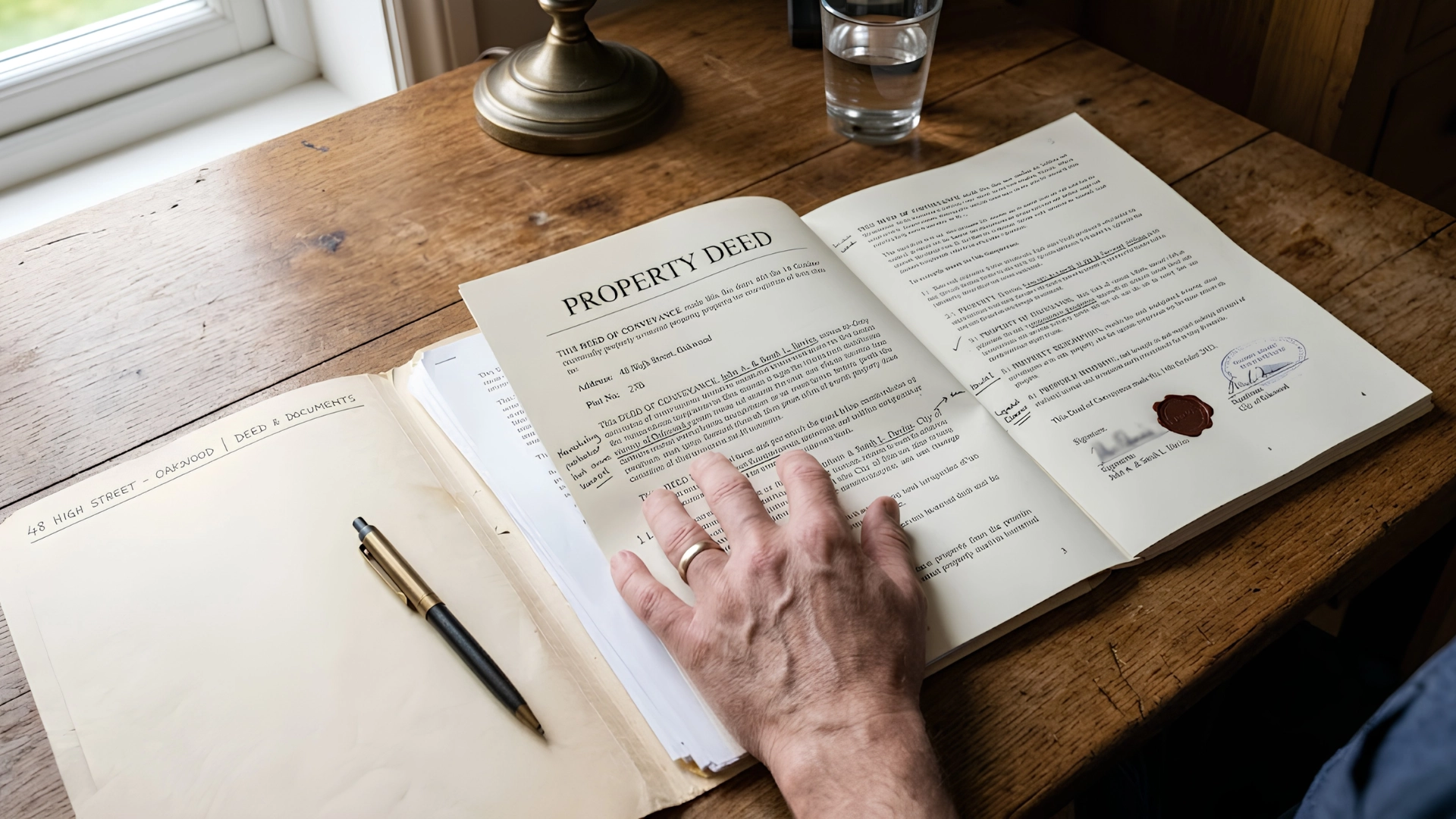
During this period, the buyer may live in or use the property, but the seller often keeps the legal title until the full amount is paid.
Once the buyer completes all payments required under the agreement, the seller transfers the deed to the buyer.
This type of contract is also called a contract for deed or an installment land contract in some places. A land contract can help buyers who may not qualify for a bank loan, but it also carries risks if payments are missed.
The exact terms, interest rate, taxes, insurance duties, and default rules should be clearly written before either side signs.
How Does a Land Contract Work?
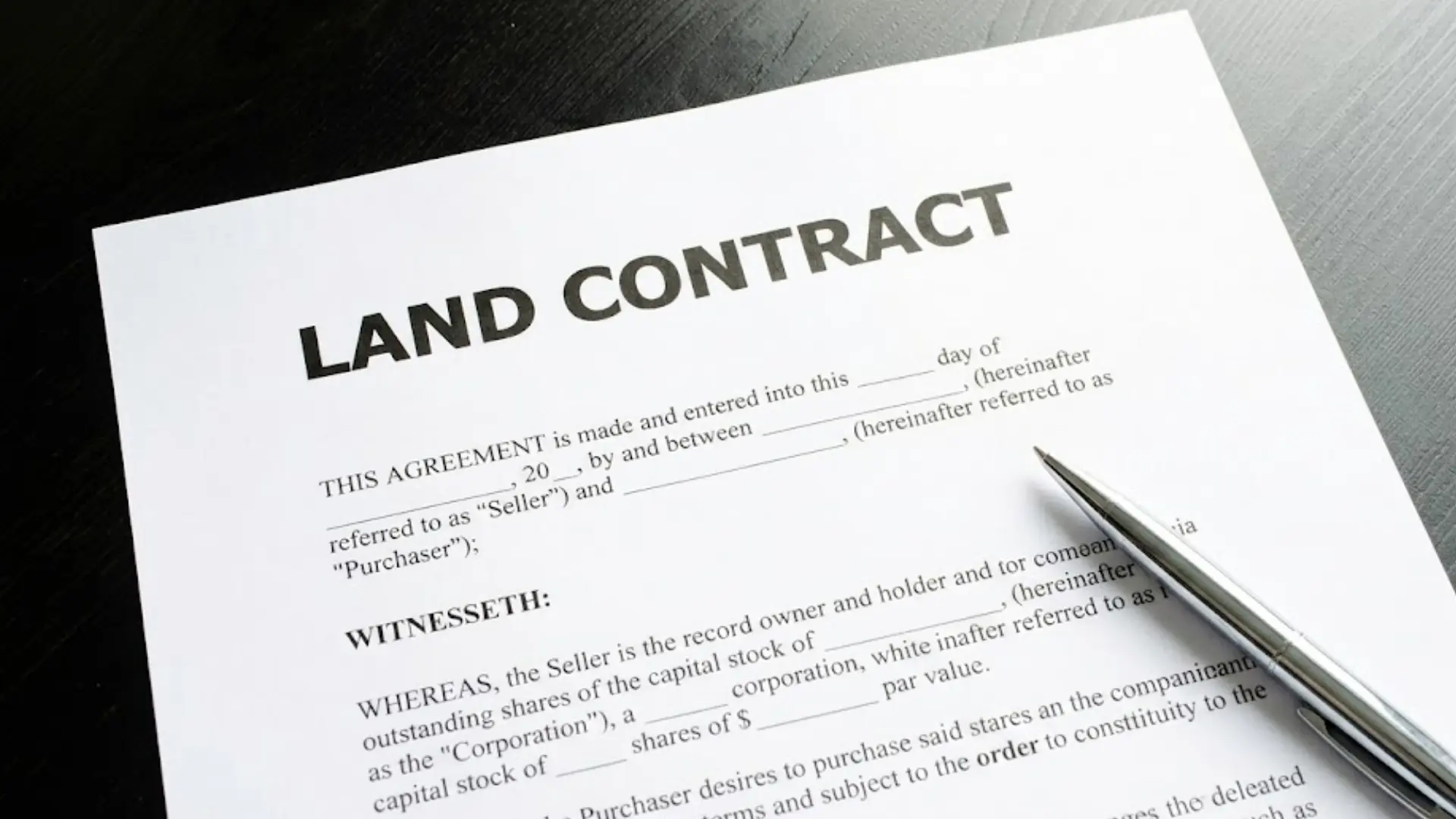
A land contract works by allowing the buyer to pay the seller directly over time instead of obtaining a mortgage from a bank.
The buyer and seller agree on the purchase price, down payment, interest rate, monthly payments, and final payment date.
After signing, the buyer usually gets possession of the property and starts making payments.
However, the seller often keeps the legal title until the buyer pays the full amount required under the contract.
The buyer may be responsible for property taxes, insurance, repairs, and maintenance during the payment period, depending on the agreement.
If the buyer makes all payments on time, the seller transfers the deed at the end of the contract.
If the buyer misses payments, the seller may charge late fees, cancel the contract, or initiate legal action, depending on state law and the written terms.
This type of real estate transaction is governed by state law, which means the rules, timelines, and protections available to buyers and sellers can vary significantly from one jurisdiction to another.
Types of Land Contracts
Not all land contracts follow the same structure. The two most common arrangements are traditional land contracts and wrap-around land contracts, each with different implications for both parties.
Traditional Land Contract
In a traditional land contract, the seller owns the property outright or has a mortgage that they continue to pay separately.
The buyer makes payments directly to the seller, who retains legal title until the purchase price is paid in full. This is the most straightforward structure and the one most people mean by the term.
Wrap-Around Land Contract
In a wraparound arrangement, the seller has an existing mortgage on the property and continues to make payments on it.
The buyer pays the seller more than the seller’s mortgage payment, and the seller pockets the difference.
This structure introduces additional risk: if the seller stops paying their underlying mortgage, the buyer could face complications even if they remain current on their own payments.
Land Contract vs. Traditional Mortgage
A land contract and a traditional mortgage both help buyers purchase property, but they work differently. The biggest difference is who provides financing and when the buyer receives full legal ownership.
| Feature | Land Contract | Traditional Mortgage |
|---|---|---|
| Financing Source | Seller finances the purchase directly | A bank or mortgage lender provides the loan |
| Legal Title | The seller usually keeps the title until full payment | Buyer receives title at closing |
| Payments | Buyer pays the seller | Buyer pays the lender |
| Approval Process | Often more flexible | Based on credit, income, and lender rules |
| Down Payment | Negotiated between the buyer and the seller | Usually set by lender requirements |
| Interest Rate | Agreed by buyer and seller | Set by lender and market conditions |
| Default Risk | The buyer may lose rights under the contract | The lender may start foreclosure |
| Best For | Buyers who cannot qualify for a mortgage | Buyers who qualify for standard financing |
What Should Be Included in a Land Contract?
A well-written land contract clearly explains each party’s rights, responsibilities, and payment terms. Including the right details helps reduce misunderstandings and provides a written record of what both the buyer and seller agreed to.
- Buyer and Seller Information: Include the full legal names and contact details of both parties entering the agreement.
- Property Description: Provide the complete property address and legal description to identify exactly what is being sold.
- Purchase Price: State the total agreed purchase price and any down payment made at the time of signing.
- Payment Terms: Specify the monthly payment amount, payment due date, loan length, and accepted payment methods.
- Interest Rate: Clearly mention the interest rate, how it is calculated, and whether it remains fixed or can change.
- Balloon Payment Clause: State if a large final payment is required, including the amount and due date.
- Taxes and Insurance: Explain which party is responsible for paying property taxes, homeowners insurance, and maintenance costs during the contract.
- Default Provisions: Outline what happens if the buyer misses payments, including late fees, grace periods, and possible contract cancellation.
- Title Transfer Terms: Explain when the seller will transfer the legal title and deliver the property deed to the buyer.
Common Terms Used in a Land Contract
A land contract can include legal and financial terms that may feel confusing at first. Understanding these basic terms makes the agreement easier to read before signing.
1. Purchase Price
The purchase price is the total amount the buyer agrees to pay for the property. This amount is usually listed clearly in the contract before the payment schedule begins.
It may include the down payment and the remaining balance to be paid over time. Buyers should check whether the price covers only the property or includes extra costs.
Sellers should also make sure the amount matches the final agreement.
2. Down Payment
The down payment is the upfront amount the buyer pays at the start of the land contract. This payment reduces the balance owed to the seller.
In many land contracts, the down payment is negotiated between the buyer and seller rather than set by a bank.
A larger down payment may lower monthly payments, but buyers should confirm whether it is refundable if the contract ends early.
3. Balloon Payment
A balloon payment is a large final payment due at the end of the contract term. Some land contracts have lower monthly payments but require a bigger payment later.
Buyers should be careful with this term because it may require refinancing, savings, or another payment plan.
The contract should state the exact amount, the due date, and what happens if the buyer cannot pay.
4. Equitable Title
Equitable title means the buyer has a financial interest in the property, even though the seller may still hold legal title.
This usually starts after the land contract is signed and the buyer begins making payments. It may give the buyer the right to possess and use the property.
However, equitable title is not the same as full legal ownership, so contract terms matter.
5. Default
Default means that one party has failed to follow the terms of the contract. For buyers, this often means missing payments, failing to pay taxes, or failing to keep insurance active.
For sellers, it may involve failing to transfer the deed after full payment. The contract should explain notice rules, grace periods, late fees, and possible legal steps if default happens.
Benefits of a Land Contract for Buyers and Sellers

A land contract can give both sides more flexibility than a traditional mortgage sale. Buyers may gain access to ownership without strict bank approval, while sellers may attract more buyers and receive steady payments over time.
For Buyers
- Easier Financing: Buyers who may not qualify for a bank mortgage can still purchase property through seller financing.
- Flexible Terms: Down payment, interest rate, payment schedule, and final payment date can often be negotiated directly with the seller.
- Faster Process: A land contract may move faster because it does not require the same level of lender approval.
- Immediate Use: Buyers may be able to live in or use the property while making payments.
For Sellers
- More Buyer Interest: Sellers can attract buyers who need alternatives to traditional mortgage financing.
- Steady Income: Monthly payments can create a regular income stream over the contract period.
- Possible Higher Price: Some sellers may negotiate a better sale price in exchange for flexible financing.
- Title Protection: Sellers often keep legal title until the buyer completes all required payments.
Risks of a Land Contract
A land contract can be helpful, but it also carries serious risks if the terms are unclear or payments become difficult to make.
Since the seller often keeps legal title until the contract is fully paid, the buyer may have fewer protections than with a traditional mortgage.
- Buyers may lose payments already made if they default and the contract allows cancellation.
- Sellers may face legal delays if the buyer stops paying or refuses to leave.
- Balloon payments can create pressure if the buyer cannot refinance or save enough.
- Title problems may appear later if liens, unpaid taxes, or ownership issues exist.
- Maintenance, taxes, and insurance duties can cause disputes when not clearly written.
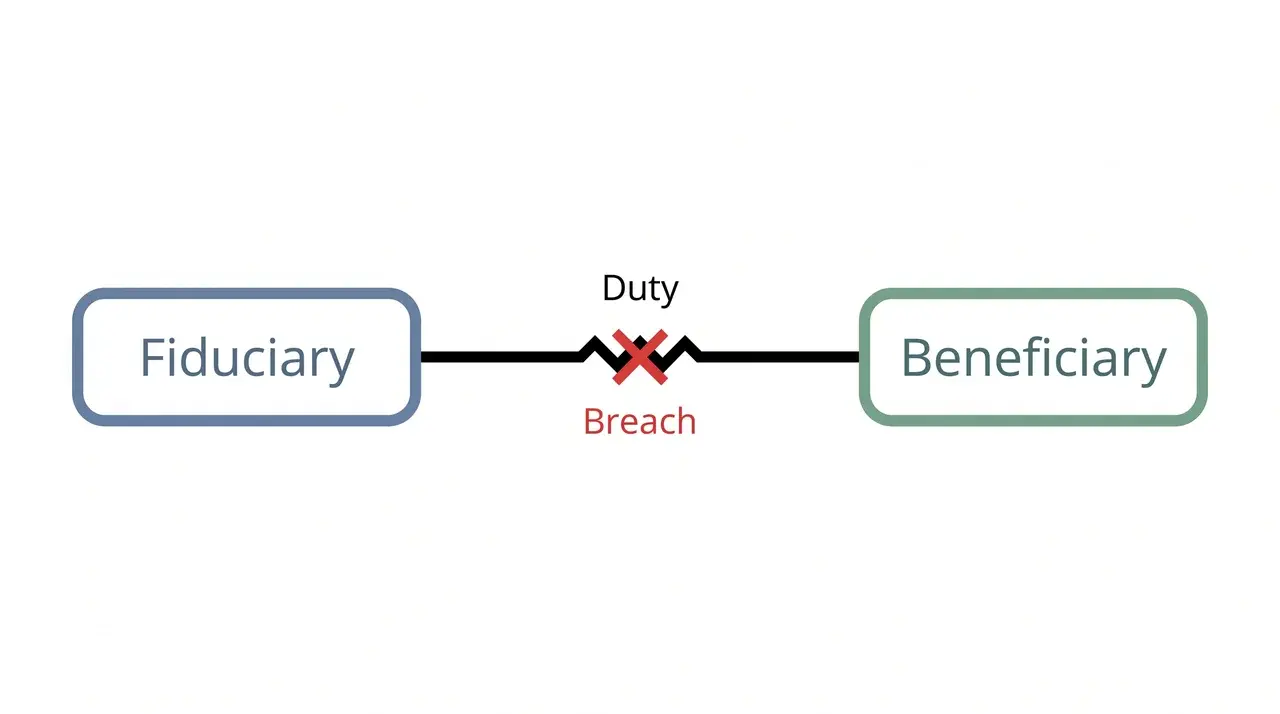
One situation I see come up more than people expect involves title transfer and deed issues that were never fully addressed in the original contract.
When the seller passes away mid-contract or the property has undisclosed liens, the buyer can find themselves in a difficult position despite making all payments correctly. A title search before signing and an attorney review of the deed transfer terms are not optional steps.
A land contract should never rely on verbal promises. Written terms matter most if a dispute happens later.
Buyers and sellers should consider having a real estate attorney review the agreement before signing.
Conclusion
A land contract can be a useful way to buy or sell property without using a traditional mortgage, but the details matter.
Buyers should understand payment terms, title transfer rules, default conditions, taxes, insurance, and possible balloon payments before signing.
Sellers should also know their responsibilities and what steps they can take if payments stop.
The main takeaway is simple: a land contract can offer flexibility, but it should be written clearly and reviewed carefully.
When both sides understand the agreement, the process becomes easier to manage and less stressful.
Frequently Asked Questions
Can You Write Your Own Land Contract?
Yes, but it is safer to have a real estate attorney review it. State rules, title terms, payment details, and default clauses must be clear.
Who Pays Taxes On a Land Contract?
The buyer often pays property taxes during a land contract, but the agreement should clearly state this. Responsibility can vary by contract and state law.
Is a Land Contract The Same as Rent-To-Own?
No. A land contract is a purchase agreement, while rent-to-own usually starts as a rental with an option to buy later.
What Happens If the Seller Dies During a Land Contract?
If the seller passes away before the land contract is fully paid, the contract does not automatically terminate. The seller’s estate typically becomes obligated to honor the terms of the sale and transfer the deed once the buyer completes all payments.