
July 17, 2026

A handshake, a series of emails, or even months of working together without signing a single document can sometimes create real legal obligations. That surprises many people, especially when a dispute arises, and one side insists there was “never a contract.” In reality, the law often looks beyond signatures and focuses on how people acted and what they reasonably expected from each other. An implied contract can be just as enforceable as a written agreement when the facts show both parties intended to do business. Understanding when that happens is essential, whether you’re hiring a contractor, running a business, or resolving a payment dispute after work has already been completed. What is an Implied Contract? An implied contract exists when two parties act in a way that shows they agreed to an exchange, even though neither one said it out loud or wrote it down. The agreement is inferred from conduct, not language. This contrasts implied contracts with express contracts, where the terms are stated directly, either in writing or out loud. If you sign a lease, that is an express contract. If you sit down in a barber’s chair and get a haircut without discussing price, that is an implied one. You never agreed to pay in words, but your actions made the expectation clear. Courts treat implied contracts as real contracts. The promise to pay for services or products received is legally enforceable, the same as an express agreement under the UCC. The practical difference shows up later, when someone tries to prove the deal existed. Implied-in-Fact vs. Implied-in-Law Contracts Not every implied contract works the same way. The two categories matter because courts apply different standards to each. Implied-in-fact contract Implied-in-law contract (quasi-contract) How it forms Inferred from the conduct of both parties Imposed by a court […]
Buying a home can feel exciting, but it can also feel out of reach when bank approvals, credit checks, and
Elements of a contract are the basic parts that help decide whether an agreement can be treated as legally valid.
One heated moment can quickly turn into a legal problem that feels confusing, stressful, and difficult to explain. An assault

Most people use the terms attorney and lawyer interchangeably, and in casual conversation, that is usually fine. In a TV drama, on a billboard, or in a general discussion about legal help, the terms blur together without real consequence. But if you are dealing with an injury claim, an insurance dispute, or anything heading toward a courtroom, that swap can cost you. The person you hire needs to be authorized to act, not just educated. Knowing the difference between a lawyer and an attorney is how you make sure you have the right person in your corner when it matters, especially when legal rights, deadlines, money, and case outcomes are on the line. What is an Attorney? An attorney, or attorney at law, is a law school graduate who has passed the bar exam and holds an active license to practice in a specific state. Attorney comes from the Old French atorner, meaning to appoint someone to act on another’s behalf, which is precisely what a licensed attorney does when you retain them for a case. The title is not honorary. It means the person cleared a state-administered licensing exam and took an oath placing them under state bar supervision. With that license comes real authority: filing lawsuits, appearing before a judge, negotiating settlements, and signing legal documents as your authorized representative. Attorneys are bound by a professional code of conduct, and violations can lead to suspension or disbarment. Understanding what litigation involves clarifies why bar admission matters the moment a dispute enters the court system. What is a Lawyer? A lawyer is someone who has earned a Juris Doctor degree from an accredited law school, covering three years of contracts, torts, civil procedure, and constitutional law. That degree alone does not authorize someone to represent clients in court. That […]
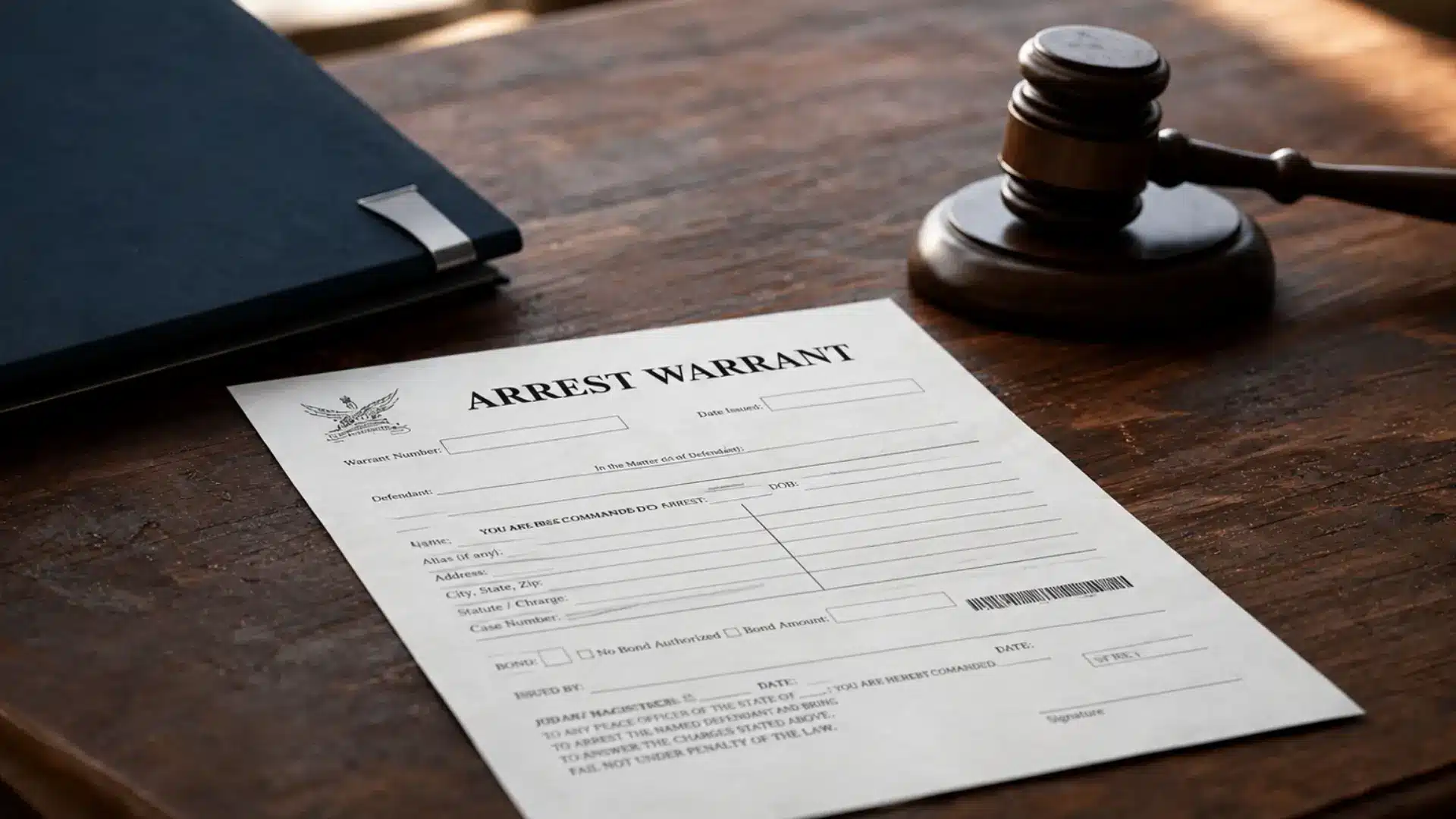
Finding out there may be an arrest warrant with your name on it can be stressful, especially when you’re unsure whether the information is accurate. Sometimes it starts with a missed court date, an unexpected phone call, or a routine traffic stop that raises more questions than answers. The good news is that checking for active warrants is often simpler than people think, thanks to public records and online court databases. A proper warrant search helps you confirm whether a warrant exists, understand the type of warrant involved, and avoid relying on rumors or outdated information. Knowing the facts early also gives you more time to make informed decisions before the situation becomes more complicated. What an Arrest Warrant Means An arrest warrant is a court document. A judge or magistrate signs it after reviewing evidence, sworn statements, or a police affidavit that establishes the probable cause standard needed to believe a specific person committed a specific crime. Once signed, the warrant gives any law enforcement officer in the state, and often beyond it, legal authority to arrest that person on sight. The document usually lists the person’s name, the alleged offense, and sometimes a bond amount the court has already set. That last detail matters. If a bond amount is attached, a person can often resolve the warrant by posting bond rather than waiting in custody for a hearing. People also confuse being stopped with being formally taken in. The difference between detention and arrest comes down to authority and duration: a detention is temporary and investigative, while an arrest requires either a warrant or probable cause on the spot and starts the formal criminal process. Arrest Warrant vs Bench Warrant A quick comparison makes it easier to understand why these two warrants are not the same. While both can […]